Buy the Connection: How Italy’s Mobility Drives Value
Buy the connection, not the postcard: how airports, high‑speed rail and local transport turn Italian lifestyle appeal into measurable returns.
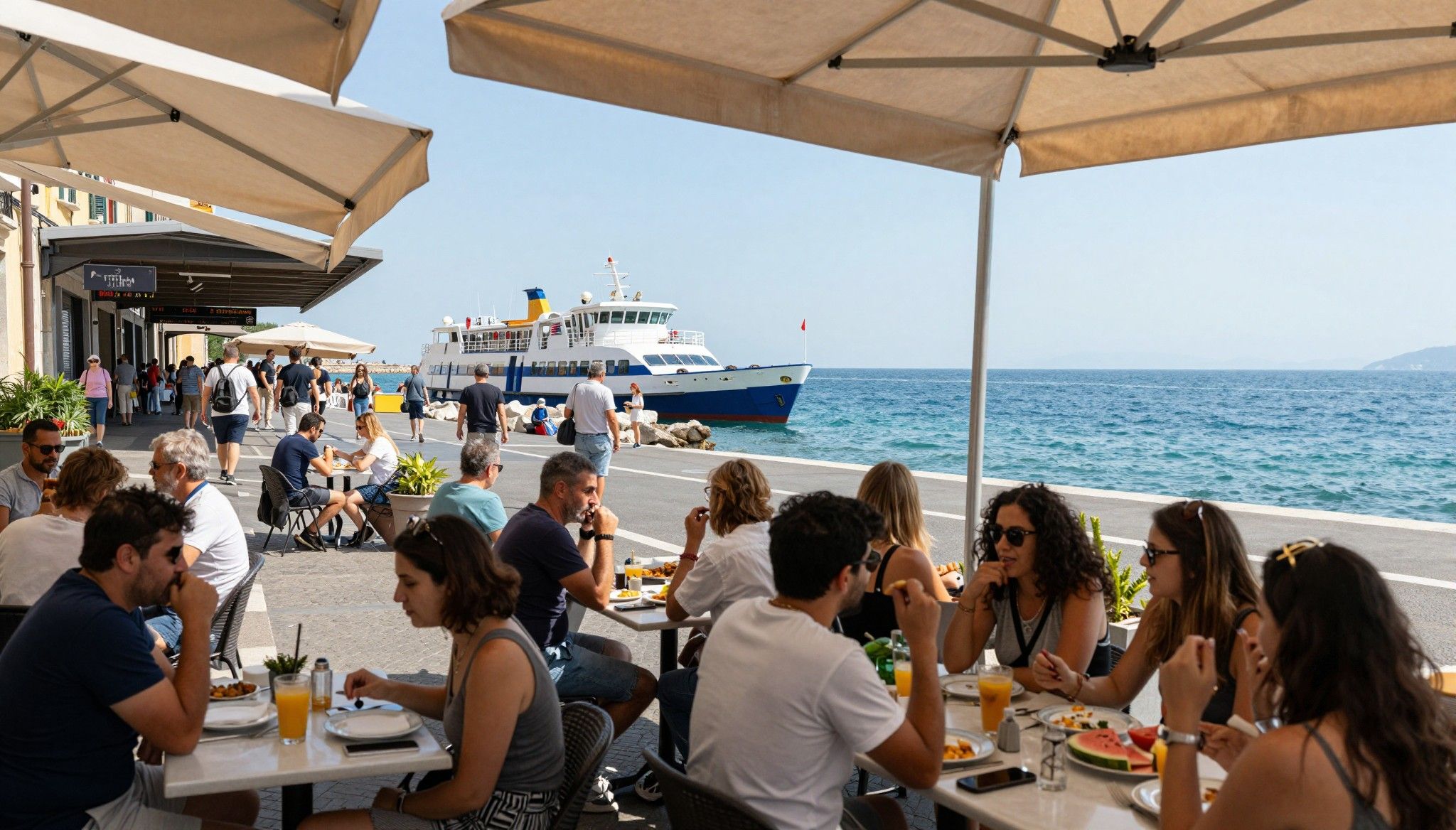
Imagine sipping espresso on Via dei Coronari in Rome, catching a Frecciarossa to Florence for an afternoon of museums, then flying home from Fiumicino the next morning. That mobility — trains that stitch cities together, airports that connect you to the world, and ports that keep Italy’s coastal towns alive — shapes both daily life and property value. Recent market analysis shows tourism and transport links continue to drive demand across Italy’s micro‑markets; for buyers, connectivity is often the underpriced asset that turns a lifestyle purchase into a resilient investment.
Living the Italy lifestyle: movement as the main ingredient
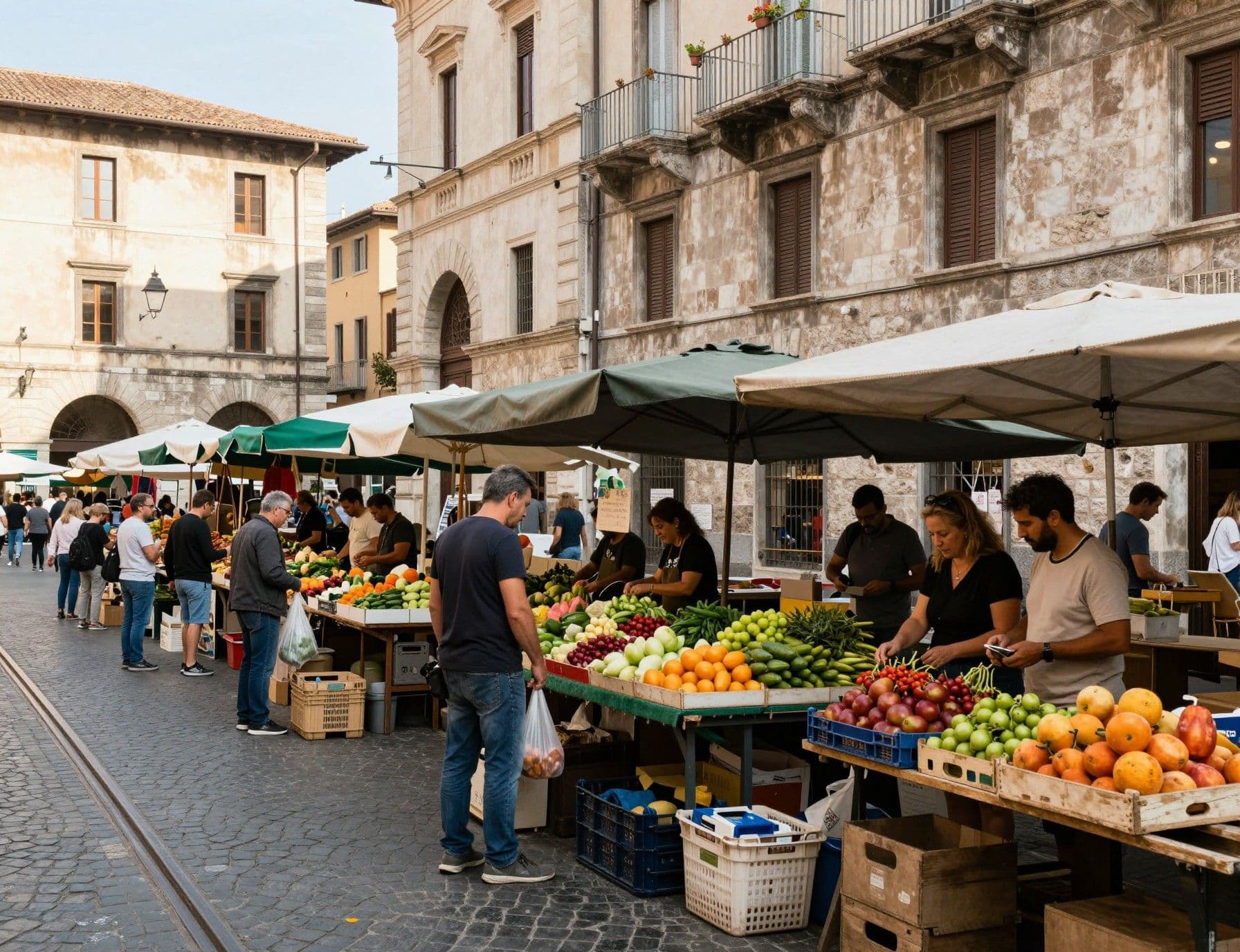
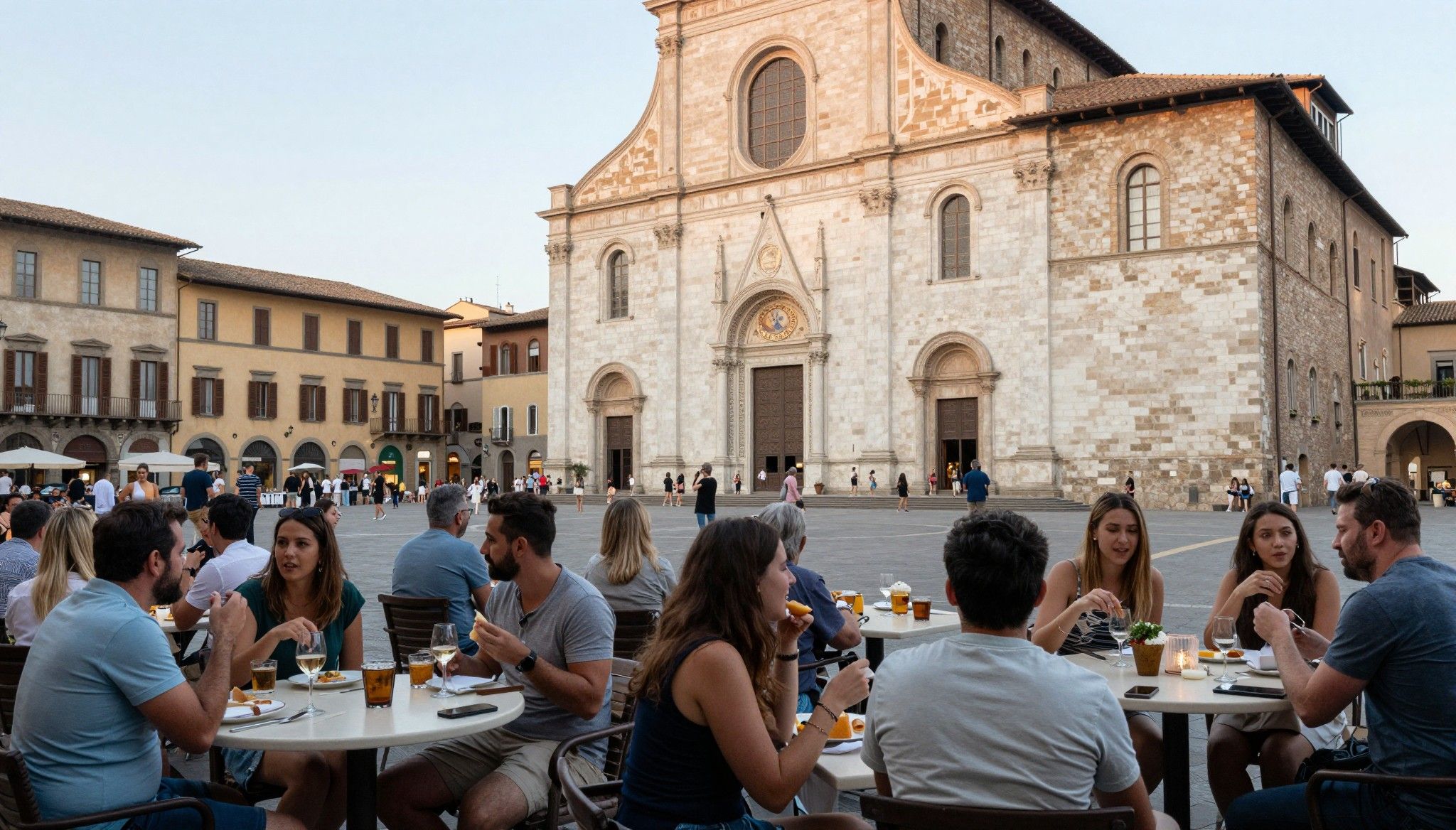
Italy’s daily rhythm is defined by movement: morning markets, lunchtime closures, late aperitivi, and weekend escapes. Neighborhoods are compact and walkable, with cafes and piazze acting as living rooms. For an international buyer, the ability to reach a city airport in under an hour, or to hop on a high‑speed train for a day trip, materially affects rental demand and resale liquidity. Lifestyle and logistics are inseparable here; places that feel alive year‑round usually have the infrastructure to prove it.
Neighborhood spotlight: Navigli (Milan) vs. Trastevere (Rome)
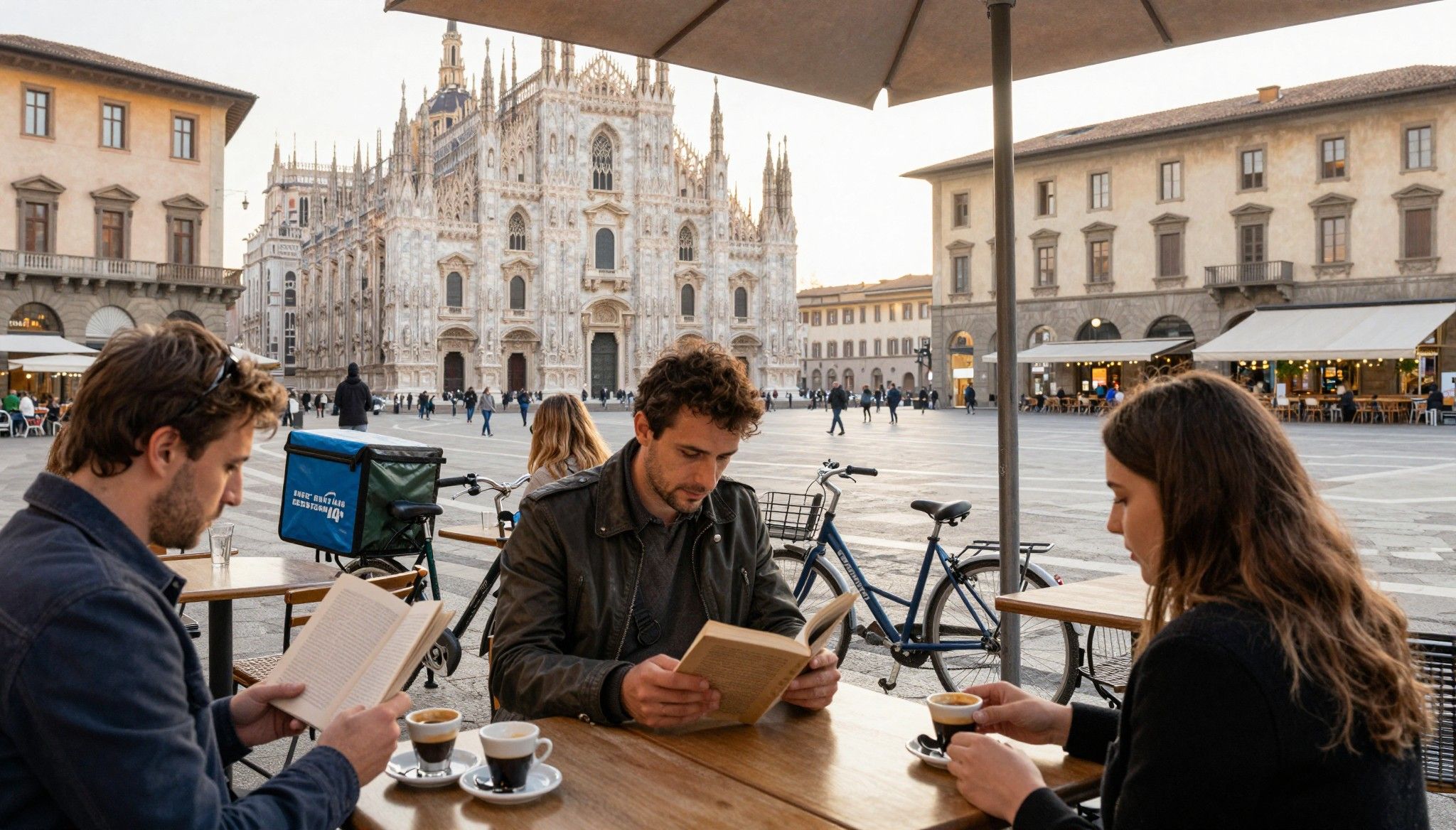
Navigli’s canals, evening bars and coworking nodes attract young professionals who prize transport links to Milano Centrale and Malpensa; Trastevere’s cobbled lanes offer historic charm and proximity to Roma Trastevere station and tram lines. Both neighborhoods show how local transit — regional trains, metro lines, night buses — converts lifestyle desirability into consistent short‑let and long‑let demand. When you compare micro‑markets, check how quickly a tenant or guest can reach a major node: that’s the single best predictor of consistent occupancy.
Food, markets and daily life: how amenities cluster around transport
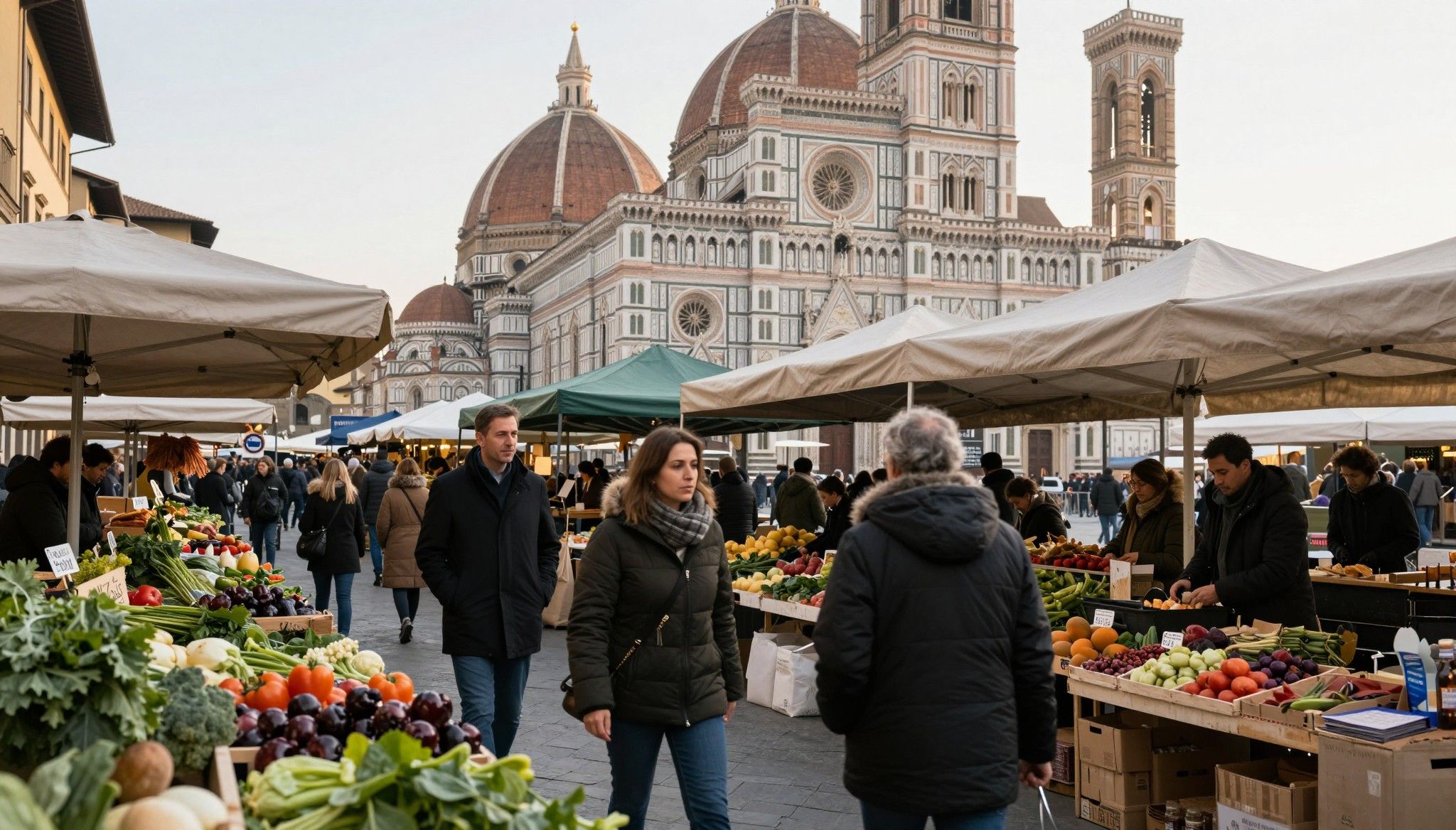
Markets like Mercato Centrale in Florence or Testaccio in Rome are busiest when transport brings visitors in — ISTAT recorded record tourism flows in 2023–24, which keeps footfall predictable for hospitality‑adjacent rentals. That clustering means apartments within a 10–20 minute walk of major stations or market hubs command both higher seasonal rates and steadier year‑round demand. For buyers chasing lifestyle yield, proximity to authentic markets and transit is the operational advantage.
- Lifestyle highlights (and why they matter for returns): - Morning market run: San Lorenzo market (Florence) — daily foot traffic supports mid‑term rentals - Canal-side evenings: Navigli (Milan) — strong demand from young professionals and visitors - Coastal weekend life: Positano/Amalfi access via ferry — peak seasonal premiums but high volatility - University towns: Bologna’s train links to north/south create long‑let stability - Cultural nodes: Centro Storico (Rome) — premium per sqm and strong short‑let occupancy
Making the move: practical considerations where mobility meets math
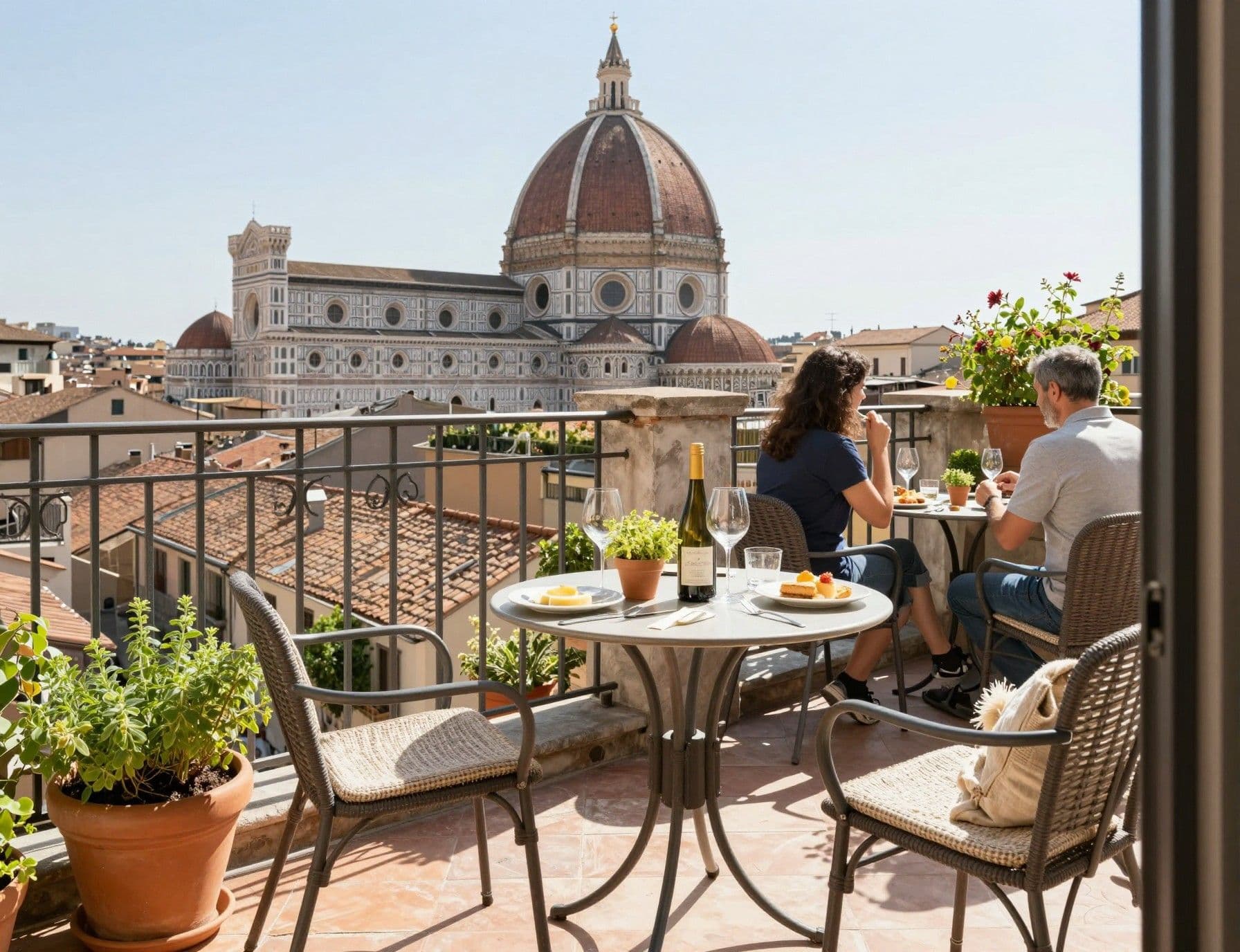
Mobility matters to total cost of ownership. Airports and rail hubs increase occupancy and let you charge a premium; however, they can also mean higher purchase prices per square metre. Italy’s major airports and the high‑speed rail network concentrate demand around accessible nodes — ENAC’s recent traffic summaries show Rome and Milan systems handle tens of millions of passengers annually, while national notary data recorded price growth in 2024. For investors, the question is: does the connectivity premium outpace carrying costs and local taxes?
Property types and how they match mobility-driven lifestyles
Historic centre apartments offer high per‑sqm values and exceptional short‑let appeal, but they often come with restricted renovation options and higher maintenance. Newer developments near stations (e.g., Milan Porta Romana, Turin Lingotto) demand lower entry prices per sqm while offering steadier long‑let yields. Nomisma’s observatory highlights modest price increases in monitored markets; pick the asset type that aligns with whether you expect tourist churn or professional tenants.
Working with local experts who map lifestyle to yield
- How to blend lifestyle intent with investment rigor: 1. Define target tenant profile: tourists, students, professionals, retirees — each needs different transport proximity. 2. Map transport times: measure 15/30/60 minute isochrones to airports and main stations; shorter times raise achievable rents. 3. Adjust cashflow models: include seasonality for coastal and historic districts using ISTAT tourism seasonality data. 4. Stress‑test exit scenarios: liquidity is higher in well‑connected nodes; compare per‑sqm price growth over 5–10 years. 5. Choose an agency with proven off‑market access near transport hubs to capture deals before premiums are priced in.
Insider knowledge: the cultural details investors underweight
Expats often focus on views and charm, underweighting mundane but crucial factors: parking norms, seasonal business closures (the August municipal lull), and local mobility culture. The Bank of Italy’s market surveys reveal selling times and price negotiation patterns that vary regionally; in smaller towns, personal networks and timing (listings after local festivals) materially change purchase terms. Understand these local rhythms to convert a desirable street into a liquid, income‑producing asset.
Cultural integration and everyday logistics
Learning a few phrases, joining local market mornings, and understanding the role of the ‘amministratore condominiale’ (building manager) will smooth tenancy and maintenance. For investors managing remotely, proximity to trusted property managers who speak both Italian and your language reduces vacancy and dispute costs. Remember: infrastructure is not only bricks and rails, it’s the social systems that keep a building tenanted.
Long‑term view: where connectivity will reprice markets
Planned HSR extensions, regional airport upgrades, and port investments will shift value over a decade. Academic studies on high‑speed rail effects indicate measurable price appreciation near new or improved stations; Italy is no exception. If you want appreciation from infrastructure, target markets where timelines for upgrades are public and funded rather than speculative.
- Red flags and quick checks before you bid: - Check scheduled transport projects and confirm funding (public authority announcements) - Verify real passenger traffic at local airports (ENAC reports) not just marketing claims - Watch seasonality: coastal towns can halve occupancy off‑season - Confirm condominium rules on short‑lets in building bylaws - Ask for 12‑month utility and maintenance histories to estimate running costs
Italy’s charm is not an alternative to analysis; it’s the input that must be quantified. Use mobility as a lens: shorter trip times to transport hubs typically raise rents, improve occupancy and shorten time‑to‑sale. Pair lifestyle scouting with objective isochrone and cashflow analysis, and you’ll find Italy’s best investments where the piazza, station and airport meet.
Ready to turn a life you love into an asset? Start by mapping the transport nodes that matter for your tenant type, ask for local transaction comps within a 15 minute walk of those nodes, and engage an agency that runs rigorous yield models rather than glossy lifestyle brochures. Italy rewards buyers who buy the connection, not merely the postcard.
Danish relocation specialist who moved to Cyprus in 2018, helping Nordic clients diversify with rental yields and residency considerations.