Match Italy’s Neighbourhood Rhythms to Yield Targets
Italy’s charm masks a patchwork market. Match neighborhood rhythms to tenant types and use local data and compliance checks to convert lifestyle appeal into reliable yields.
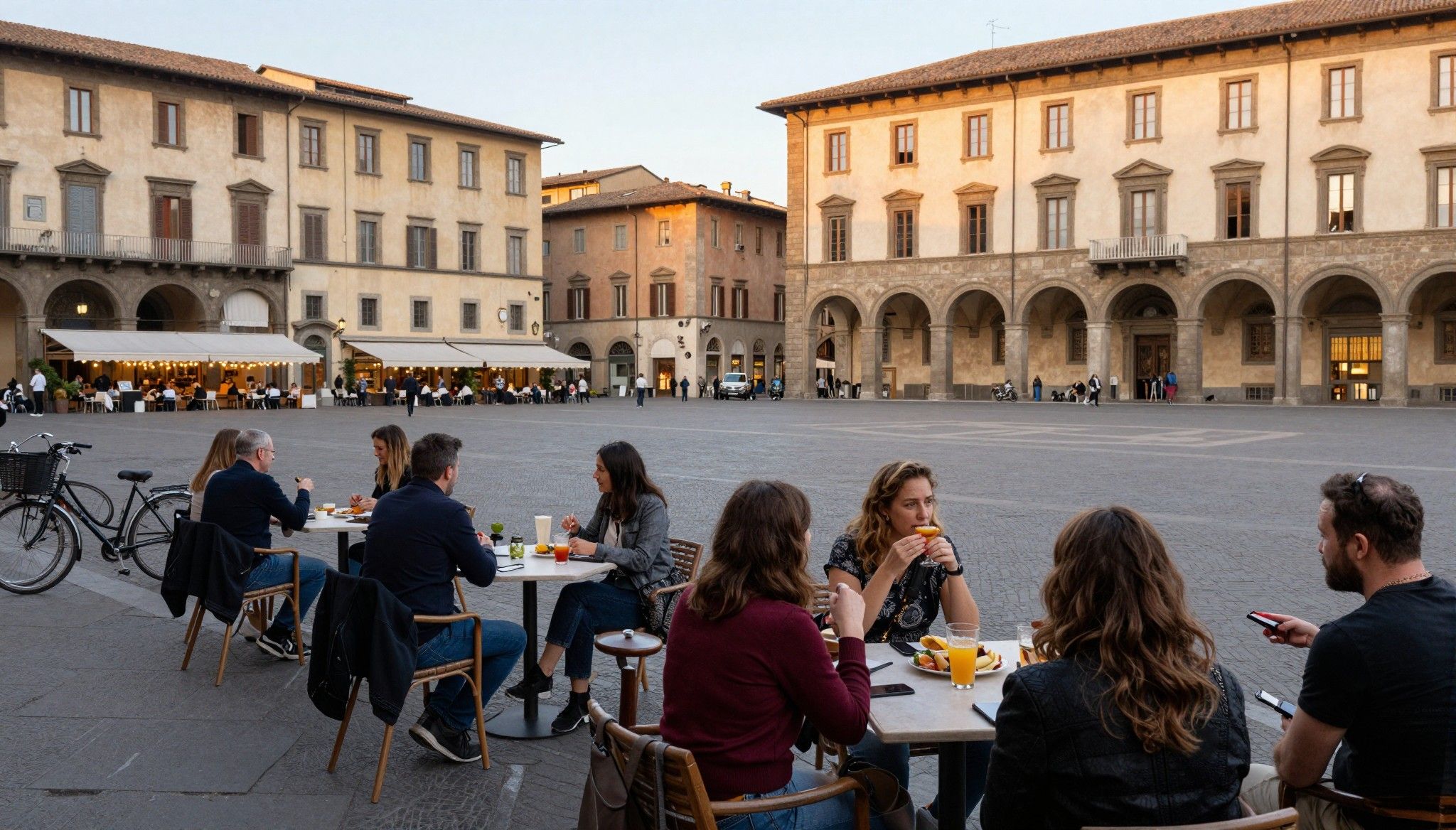
Imagine walking from a sun-dappled piazza in Trastevere to a neighbourhood bar where pensioners argue about football and the espresso is always pulled precisely. Picture an apartment in Milan with a tram clatter outside and a coworking day‑pass down the street. Italy is not a single market; it is dozens of local markets, each running to its own rhythms — seasonal tourism, student cycles, and agricultural calendars that still shape weekend life. That split is the opportunity for international buyers: lifestyle variety matched with identifiable, investable micro‑markets.
Living the Italian Life: Streets, Saturdays and Slow Dinners
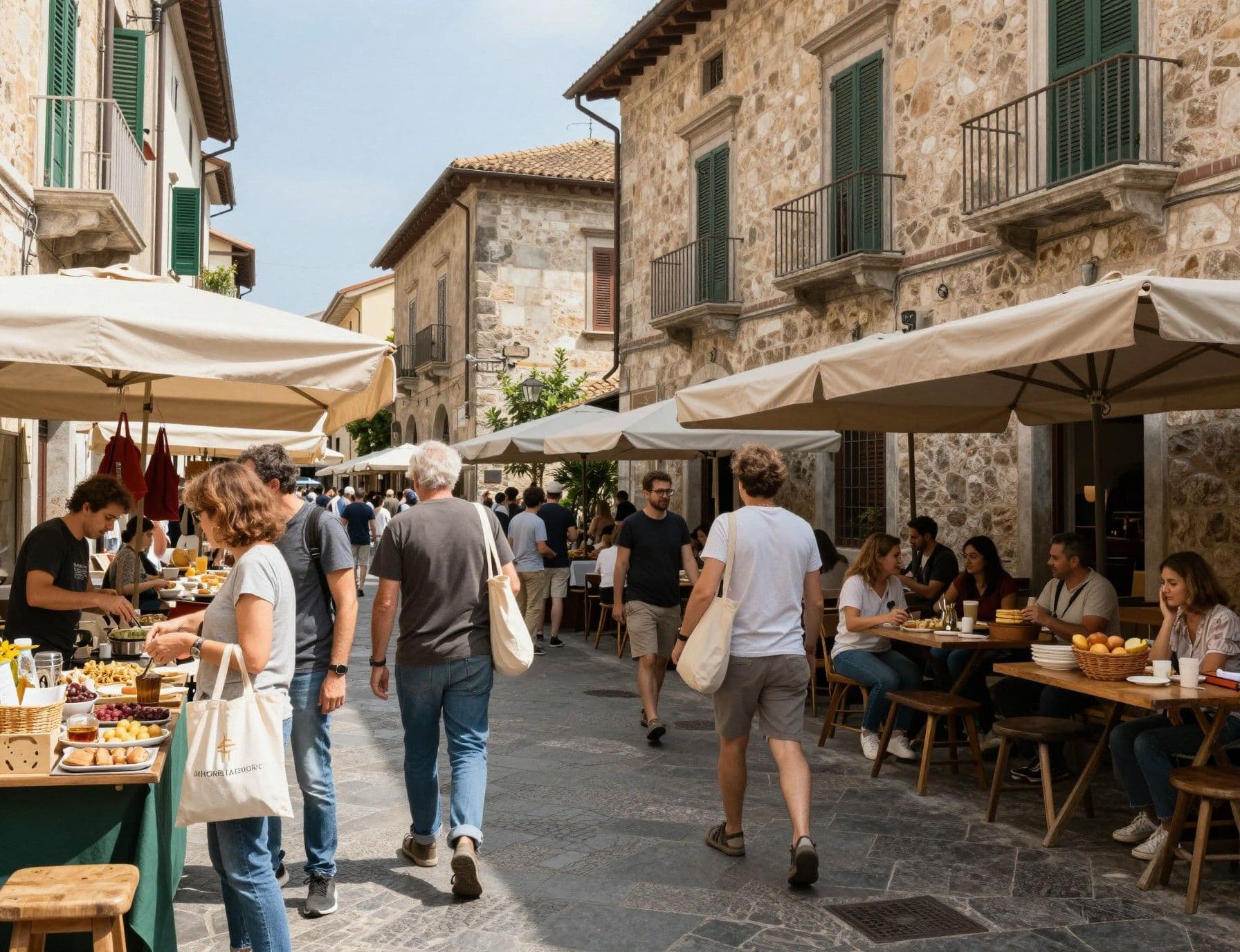
Daily life in Italy moves in textures: morning markets at Mercato di Sant’Ambrogio in Florence, late aperitivi in Navigli, fishermen unloading in the early hours at Porto San Vito. These rituals shape where locals live and where renters want to be. Urban cores like Rome Centro Storico, Milan Brera and Florence Oltrarno promise walkability and demand; coastal towns such as Cefalù and Polignano a Mare trade seasonality for higher summer rents. Understand the daily beat and you can predict occupancy patterns and realistic rental yield windows.
Neighborhood Spotlight: Trastevere, Oltrarno, Navigli — what they actually feel like
Trastevere is sensory: cobbles, tiny trattorie, and late-night human noise that attracts tenants who prioritise atmosphere over silence. Oltrarno in Florence trades artisan workshops and palazzi for higher price-per-square-metre but consistent short- and mid-term demand from cultural tourists. Navigli’s canals sell the nightlife lifestyle; investors see strong weekend occupancy but also higher wear-and-tear. Each micro‑neighbourhood supports a different tenant profile — students, remote professionals, seasonal tourists — and that determines both gross yield and operating costs.
Food, markets and routines that shape property choices
Weekend routines — the mercato, the rosticceria run, the aperitivo ritual — influence apartment floor plans and amenities: tenants want kitchens that breathe, balconies for plants, proximity to fresh food stalls. ISTAT data show existing-home prices drove most growth in recent quarters, reflecting buyer preference for walkable, amenity-rich cores. For investors, that means smaller units near markets often outperform larger suburban stock on a per-euro-per-sqm yield basis despite higher headline prices.
- Lifestyle highlights to match investment types: • Trastevere (Rome) — short‑stay & long‑term mixed demand; strong foot traffic. • Oltrarno (Florence) — cultural tourism, premium nightly rates. • Navigli (Milan) — young professionals and nightlife-driven weekend occupancy. • Bologna Centro — student market with year-round steady rent. • Puglia towns (Ostuni, Polignano) — seasonal holiday returns, renovation upside. • Rimini/Amalfi Coast pockets — high season highs, low off-season occupancy.
Making the Move: Match Lifestyle to Investment Reality
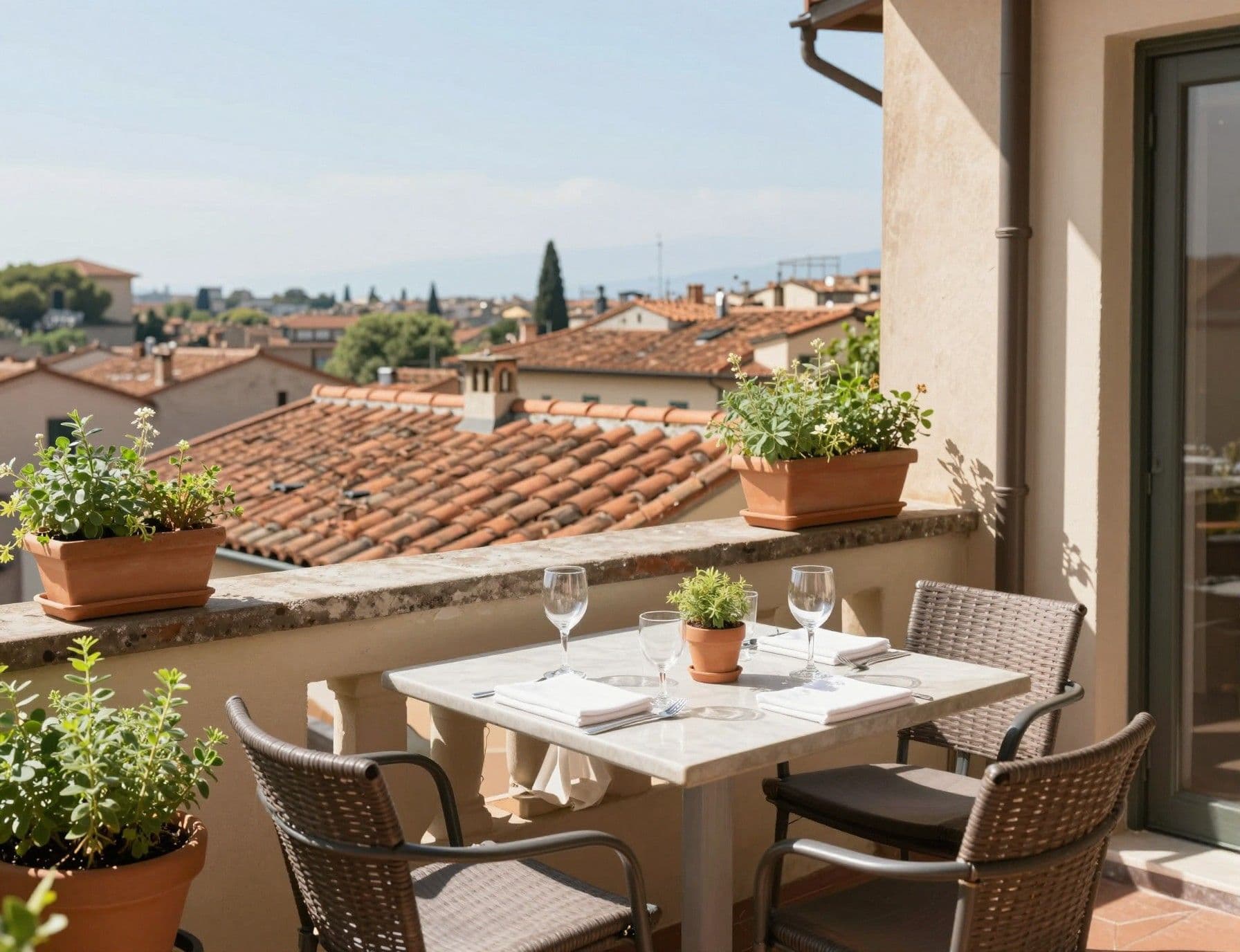
Italy’s national headlines — modest price growth and rising transaction volumes — mask local divergences. The Bank of Italy and market reports point to solid demand in core cities and steady interest in heritage restorations in rural Tuscany and Puglia. For an international buyer, the practical question is: which micro‑market aligns with your yield target, desired lifestyle, and tolerance for seasonality? The choice changes how you budget for renovation, management and vacancy.
Property styles and what they mean for daily life
Historic flats in 18th‑century palazzi offer instant character and tourist pull but come with higher maintenance and less energy efficiency. Newer builds in Milanese peripheries are cheaper per sqm, easier to rent long-term to families and remote workers, and cost less in condominium upkeep. Villas in rural Tuscany or Umbria deliver privacy and land but require management for gardens, pools and seasonal security. Match the physical asset to expected tenant behaviour: short‑let guests tolerate quirks; long‑term tenants expect storage, light and reliable services.
- Steps to align lifestyle aims with investable assets: 1. Define tenant profile (students; remote workers; tourists) and set a target gross yield. 2. Shortlist micro‑markets by seasonality and price per sqm. 3. Inspect comparable listings for actual occupancy and net yield after management. 4. Budget 8–15% of purchase price annually for operating costs in tourist-heavy areas. 5. Engage a local agency for permit, energy‑cert and rental‑licence checks before offer.
Insider Knowledge: Rules, Red Flags and Expat Realities
Short‑term rental rules and tax enforcement have tightened; platforms now coordinate tourist tax collection and national rules have clarified classification for regular hosts. That changes net returns in high‑tourism pockets and raises the bar for legal compliance. Expat buyers often underestimate condominium rules in historic buildings, or the challenge of securing long-term tenants in a town driven by seasonal tourism. Local insight — from a trusted lawyer and an agency that manages rentals — prevents those mistakes.
Practical red flags we’ve seen: missing energy performance certificates (APE), unclear boundary deeds for terraces, and properties marketed without proof of regularised short‑let licences. On the lifestyle side, check noise cycles — a piazza that's lively at midnight may be paradise for some tenants and a liability for others. Blend on‑the‑ground visits with document audits to avoid pleasant surprises that erode yield.
Italy’s market data through 2025–early 2026 show price growth concentrated in existing stock and prime segments, while regional gaps persist. Use public HPI data and local agency reports to stress‑test returns rather than relying on headline appreciation. If your priority is lifestyle-first with secondary yield, target central apartments with proven short/medium-term demand; if yield-first, focus on student towns, less-touristy provincial capitals, or newly popular provincial hubs where price per sqm is still below national average.
Dutch investment strategist who built a practice assisting 200+ Dutch clients find Spanish assets, with emphasis on cap rates and due diligence.