Malta: Buy the Connection, Not Just the View
Malta’s compact lifestyle and growing connectivity create targeted investment pockets; prioritise neighbourhood access and realistic net‑yield models over postcard sea‑views.

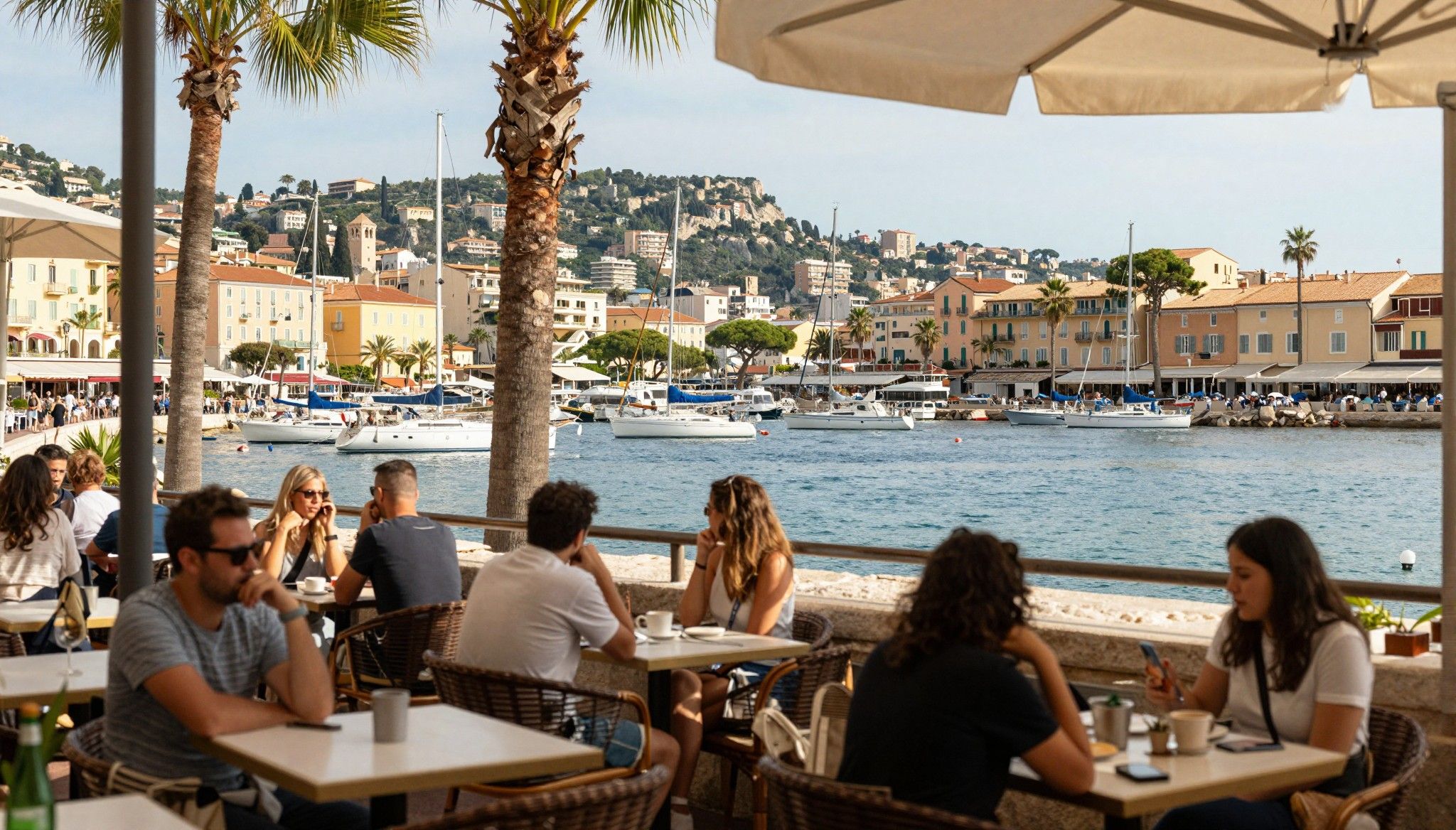
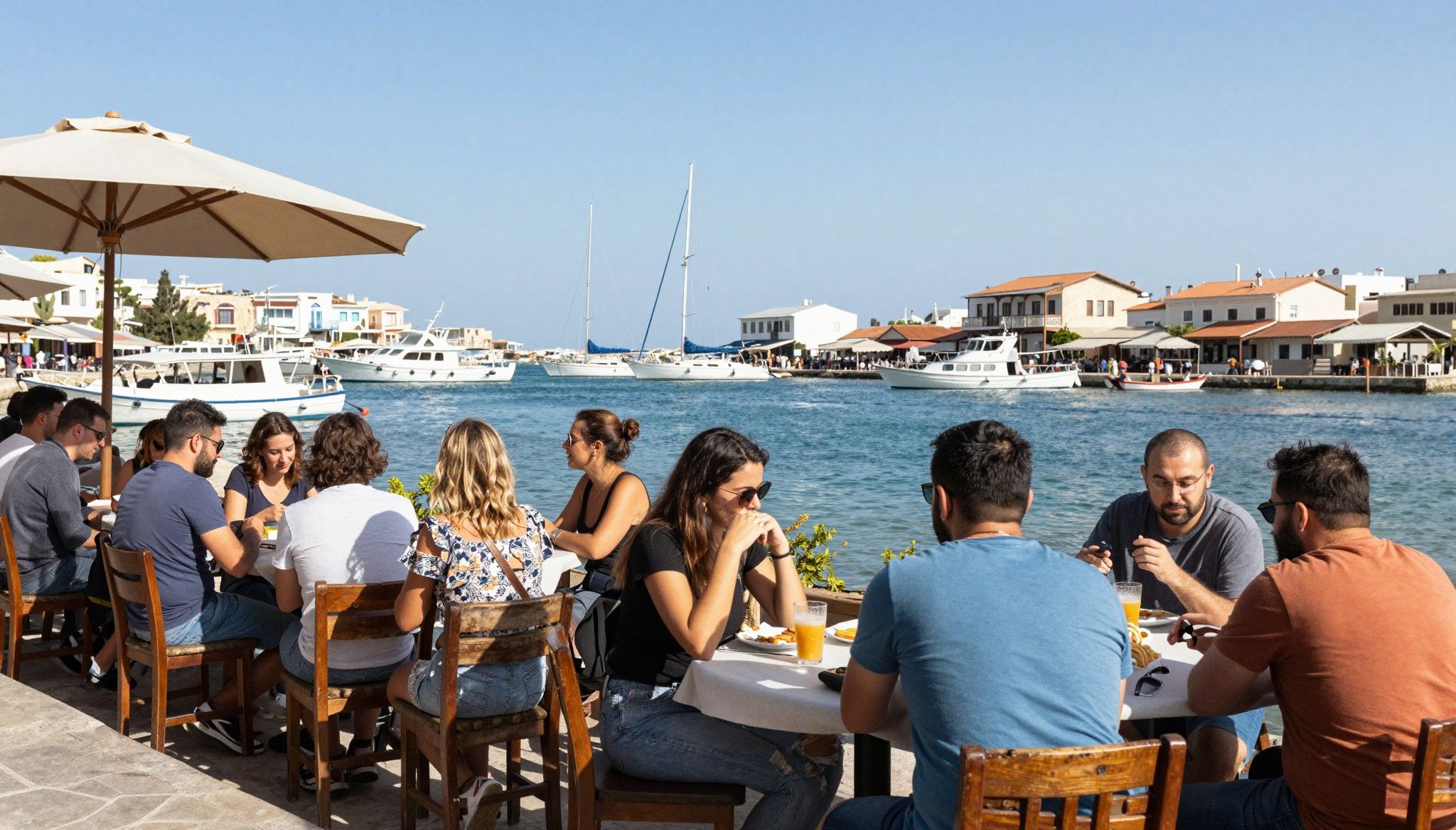
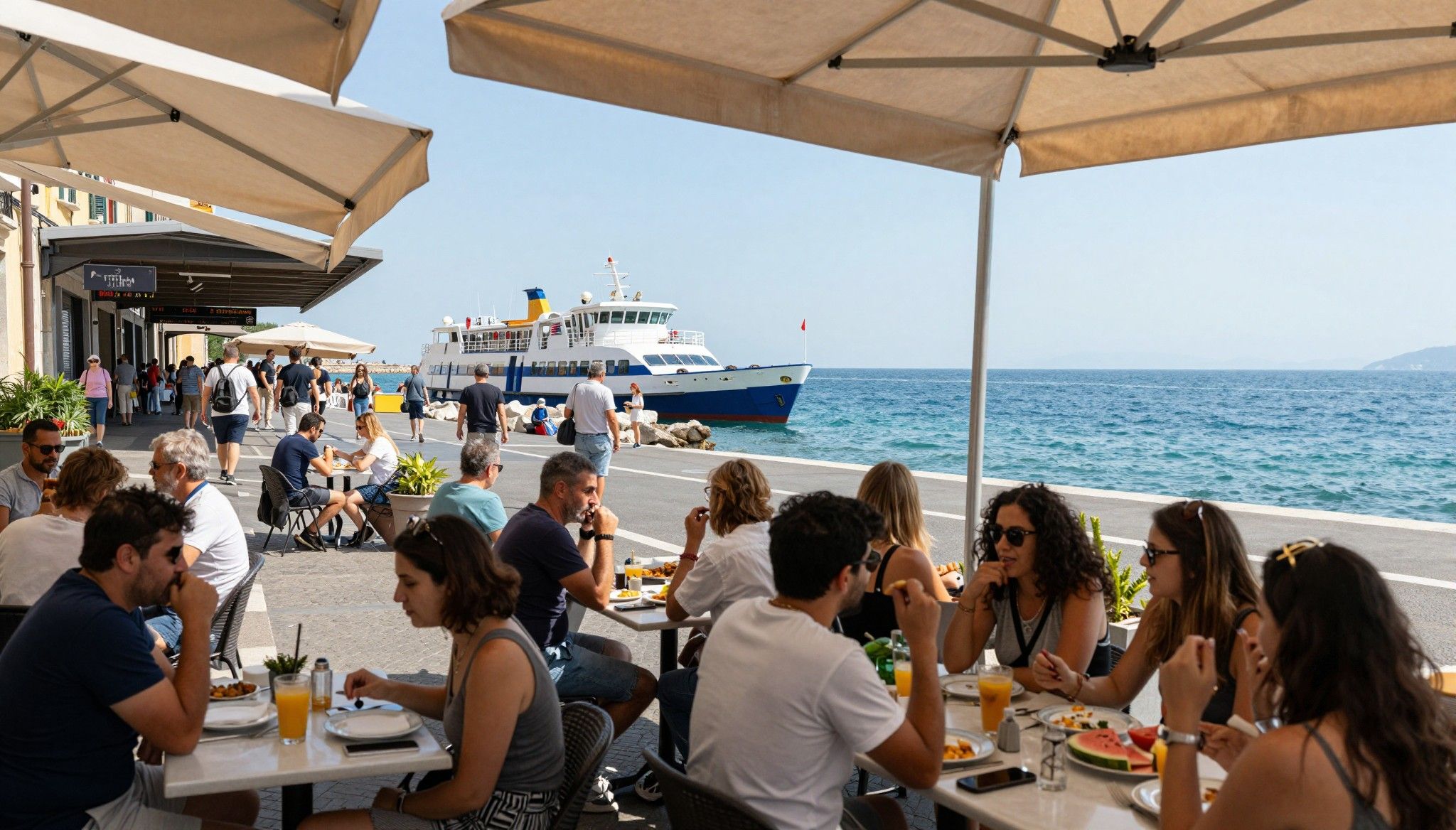
Imagine waking to the clack of tram-like ferries, then stepping out for a double espresso on Triq ir‑Repubblika in Valletta. Malta compresses Mediterranean life into a 27km by 14km joyride: limestone streets, sea‑breezes, a year‑round social calendar and short commutes—one reason buyers trade larger square metres elsewhere for proximity and pace here.
Living the Malta lifestyle: compact, sunny, sociable
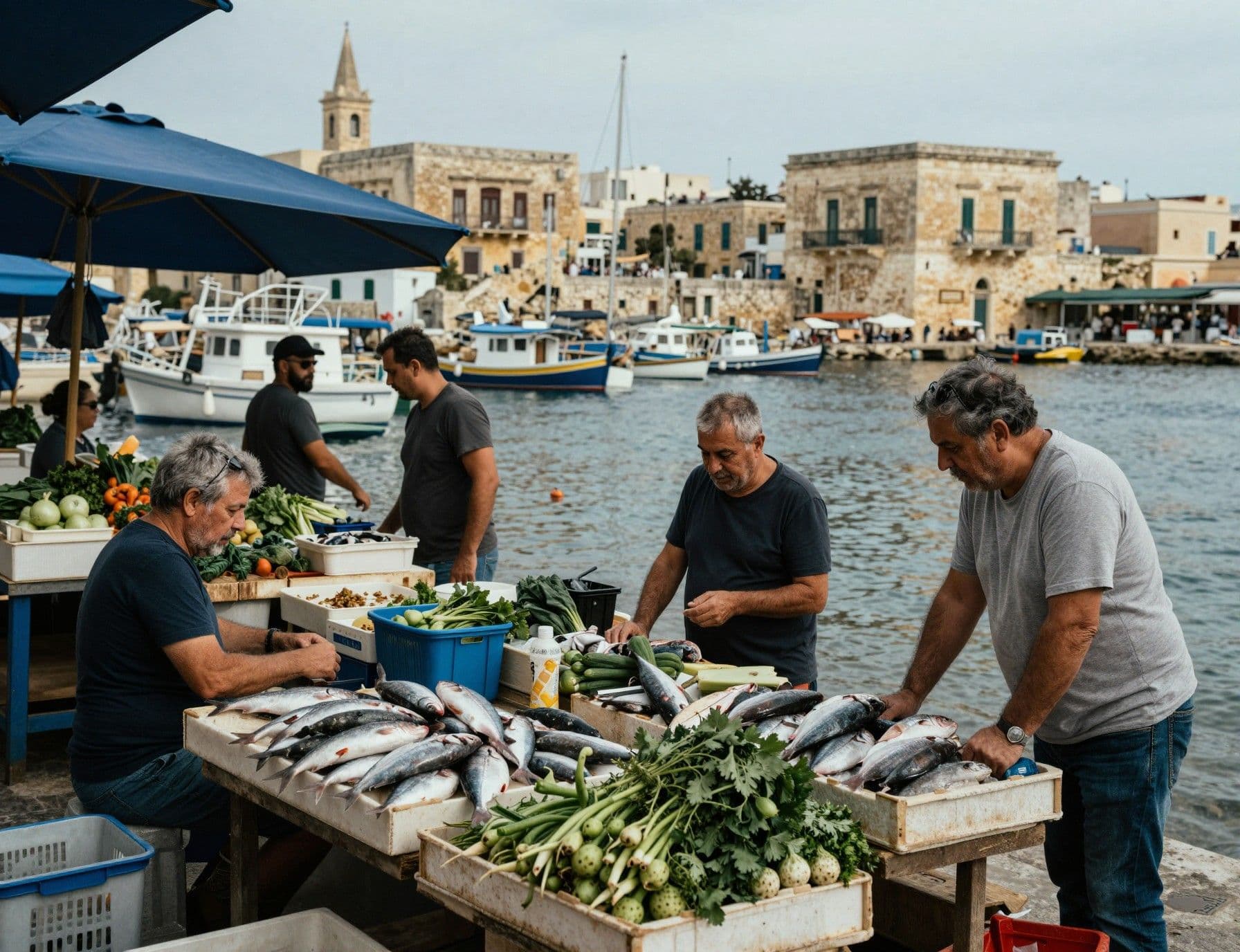
Daily life in Malta is about micro‑distances: groceries at Marsaxlokk market, a lunchtime fish sandwich in Sliema, evenings in the narrow Valletta streets. Reliable air links (almost 9 million passengers through the airport in 2024) keep the island open to Europe and seasonal tourism—critical context for short‑let demand and tenant pools. Proximity trumps size: neighbourhoods determine lifestyle more than property square metres.
Valletta & the Three Cities: history, cafés, short‑let gravity
Valletta sells the postcard: baroque facades, café terraces by the Grand Harbour and strong short‑let appeal to tourists and corporate bookings. The adjacent Three Cities (Cospicua, Senglea, Vittoriosa) offer slightly lower entry prices with an authentic working harbour vibe—useful for buyers aiming for steady tourist or holiday rental income rather than premium capital appreciation.
Sliema, St Julian’s and Paceville: amenity density and rental churn
Sliema and St Julian’s concentrate shops, offices and nightlife; they attract young professionals and short‑term renters. Paceville brings nightlife peaks and vacancy troughs—good for investors targeting high turnover and premium night‑economy rental rates, but expect management intensity and noise externalities affecting long‑term tenant retention.
- Lifestyle highlights (local names to visit)
- Morning fish stalls at Marsaxlokk market
- Espresso at Caffè Cordina on Republic Street, Valletta
- Weekend swims at Golden Bay or Għajn Tuffieħa
- Evening passeggiata along Sliema promenade
Making the move: infrastructure, connectivity and market mechanics
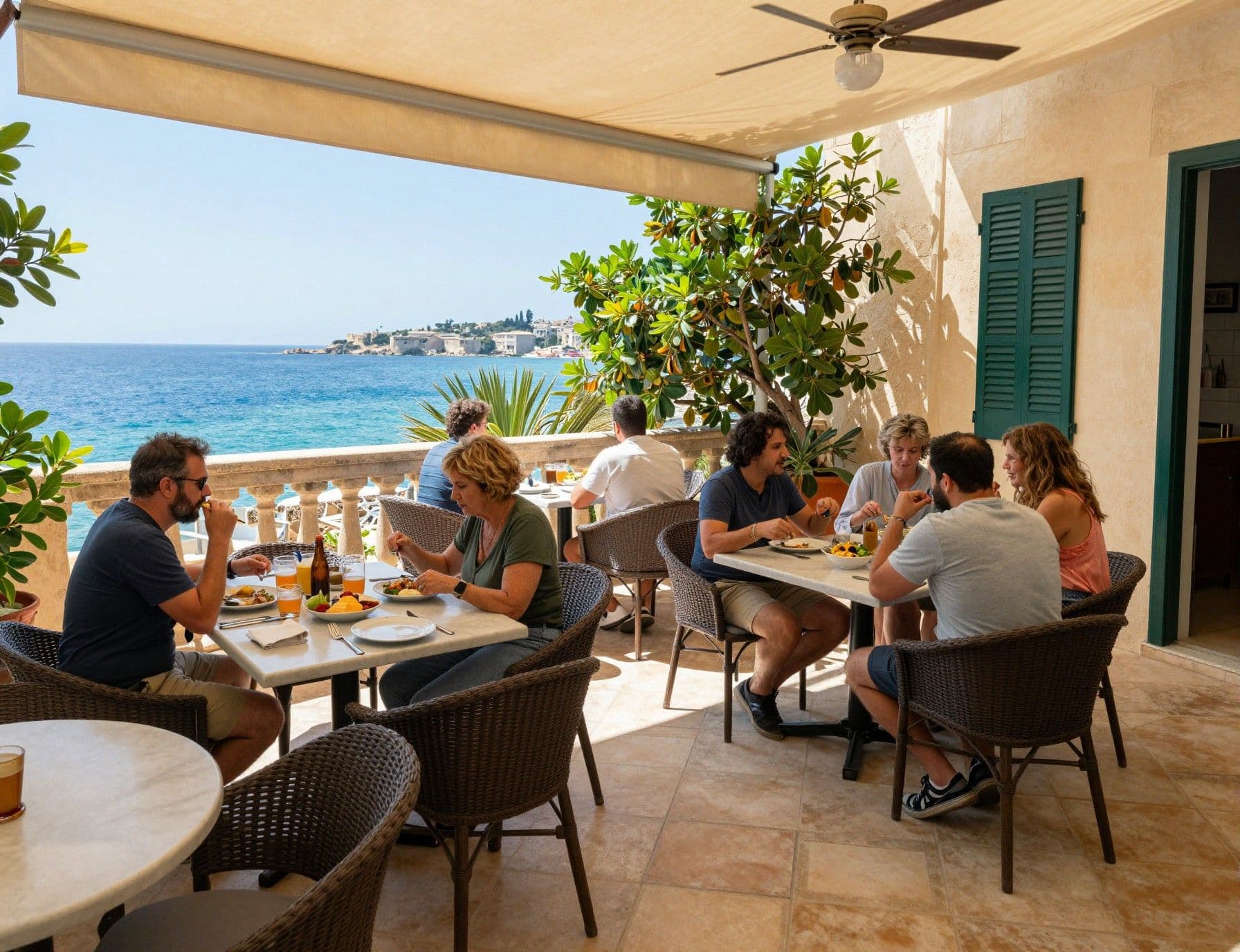
The lifestyle is attractive, but infrastructure data explain where value concentrates. Malta’s National Transport Master Plan targets better ferry links, cycle lanes and selective road upgrades—measures that reprice neighbourhoods with improved last‑mile access. For buyers, connectivity improvements are a leading indicator of future demand, not just a convenience.
Property types and what they mean for living (and yield)
Choices split between older town houses and compact apartments. Period homes in Valletta or Mdina command premiums and deliver capital‑growth narratives; modern apartments in St Paul’s Bay and Mosta offer higher gross yields but lower resale scarcity. Expect gross yields around the mid‑3% to low‑4% range—so net yield after costs and management is frequently under 3% unless you specialise in short‑lets or prime renovation plays.
Working with local experts who understand movement and seasons
Agencies and licensed brokers translate seasonal cycles—summer tourism, university intakes and corporate visits—into rental calendars. Choose agents with transparent fee structures, local tenant databases and experience with Malta’s licence and permitting steps; their networks convert connectivity improvements into actionable search areas faster than raw listings can signal.
- Practical steps blending lifestyle and infrastructure checks
- Inspect neighbourhood peak hours—note ferry timetables, bus frequency and walking routes to amenities.
- Match property type to demand: short‑let friendly in Valletta/Sliema; family long‑let in Mosta/Gzira.
- Stress test yields with realistic vacancy and maintenance—reduce gross by 1–1.5 percentage points to estimate net yield.
Insider knowledge: myths, red flags and seasonal timing
Common myth: Malta is always ‘high‑yield’ because of tourists. Reality: island constraints, rising prices and modest average yields (around 4% gross in recent periods) mean yield compression is real. Buyers relying purely on seasonal tourists overlook management, licensing and regulation risks that cut into net returns.
Cultural and seasonal quirks expats under‑estimate
Language is not the barrier—English is official—but community networks matter. Festivals (Il‑Festa season) flood towns with locals and visitors; properties near festa parades can be noisy for weeks. Winter months reduce tourist demand but highlight long‑let markets for professionals and families—timing purchase inspections outside high summer gives a clearer view of everyday life.
- Expat red flags to watch
- Unclear title history in older townhouses—demand detailed deeds and planning checks
- Over‑optimistic short‑let revenue assumptions without license verification
- Ignoring seasonal transport shifts that change commute time dramatically
A final practical truth: connectivity investments (airport route growth, upgraded ferry terminals, improved bus corridors) seed demand before prices move. Malta’s record airport traffic in 2024 hinted at rising investor attention; follow planned infrastructure timelines to identify where yield and scarcity might shift next.
Long‑term lifestyle plus investment checklist
- Prioritise walkability and ferry/bus access over sea‑view premiums for steady rental demand.
- Budget for periodic limestone façade maintenance—heritage façades need care and cost.
- Model conservative net yields (subtract 1–1.5pp from gross) and plant 3–5 years for capital appreciation in town centres.
Conclusion: Malta sells a life—compact, sunlit and sociable—underpinned by connectivity that can reprice neighbourhoods rapidly. For international buyers the route to success is simple: prioritise proven infrastructure gains, insist on local expertise who map seasonality to net yield, and treat purchase timing as part of an infrastructure‑aware strategy rather than a romantic impulse.
Norwegian market analyst who relocated from Oslo to Mallorca in 2016, guiding Northern buyers through regulatory risk, currency hedging, and rentability.