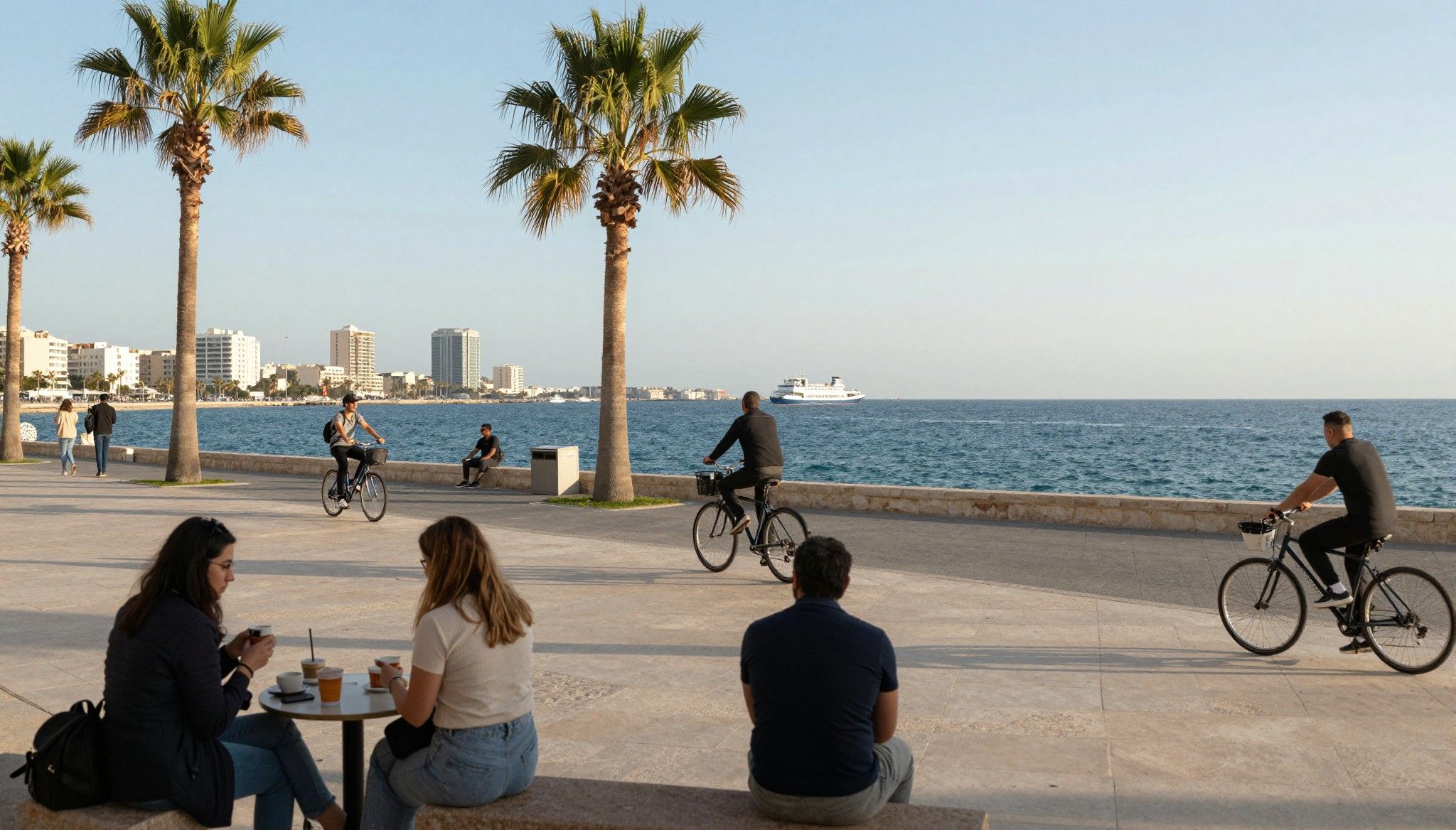
France’s Summer Buying Illusion: Why August Costs Returns
Summer viewings in France sell romance — and often a seasonal premium. Time purchases to off‑peak months, use monthly comps and off‑market access to protect yields.
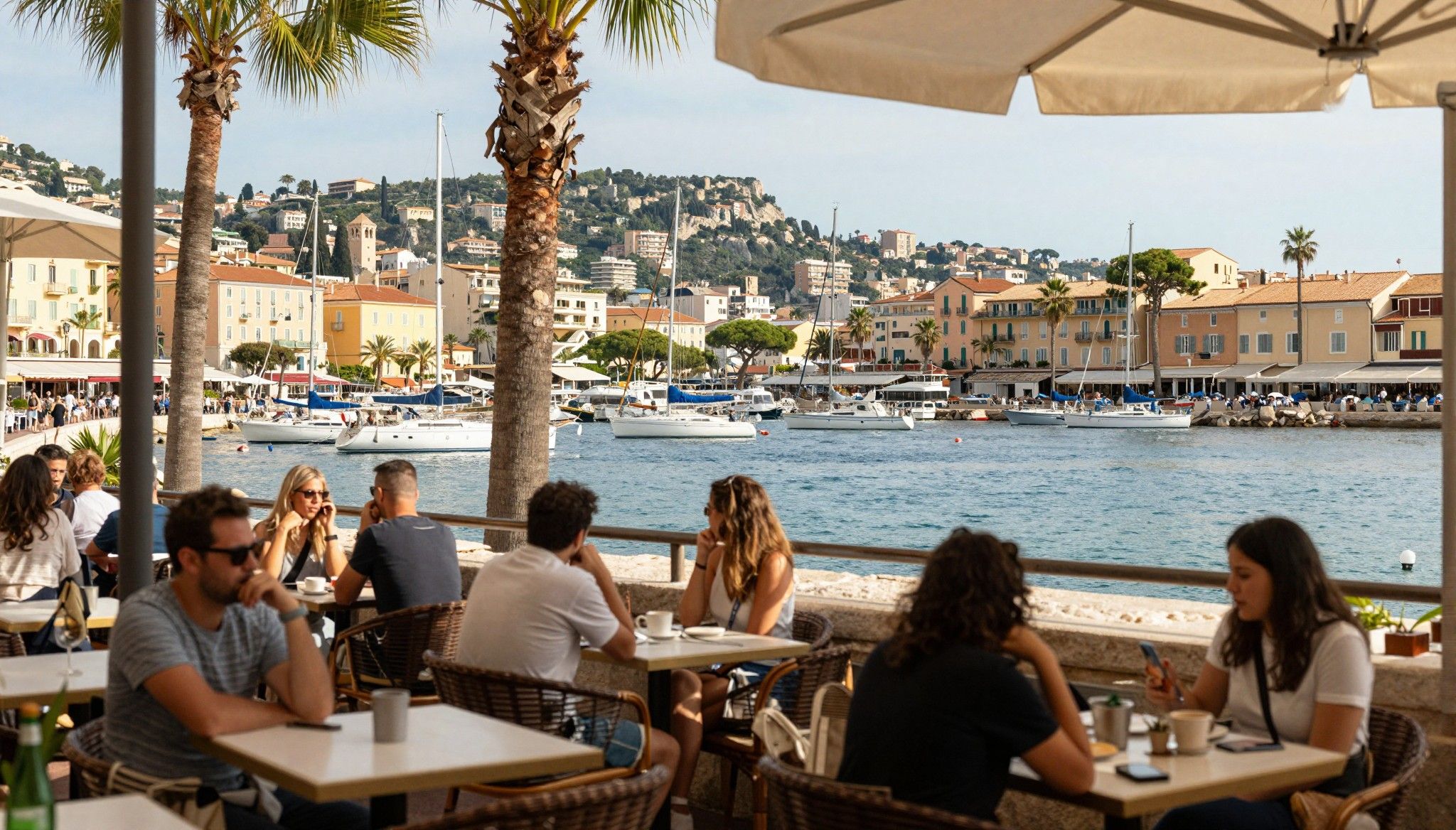
Imagine a late‑summer Saturday in Aix‑en‑Provence: terraces half full, markets fragrant with basil and peaches, and a row of sun‑browned townhouses that look ready for postcards. That heat‑softened charm is exactly what draws international buyers to France — but it’s also when local market dynamics, negotiating behaviour and seasonal supply conceal important investment signals. We begin with that scene because buying in August or during the high‑season can feel romantic while quietly eroding returns; the rest of this guide explains why, and what to do instead.
Living the France lifestyle — then the maths
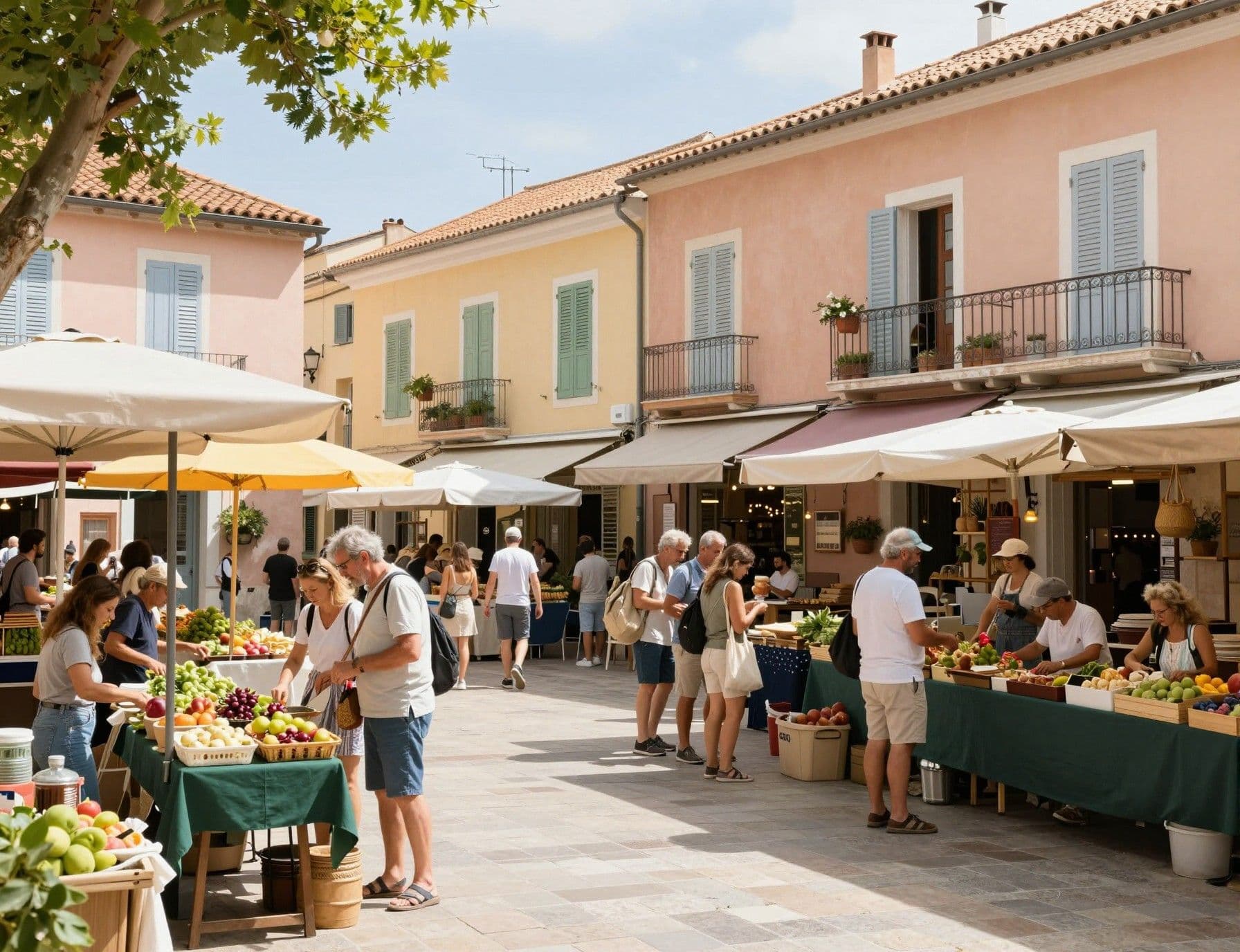
France’s appeal is tangible: café culture in the Marais, surf breaks near Biarritz, vineyard weekends in Saint‑Émilion, and slow Sunday markets in Lyon. Those daily rituals shape where buyers want to live, but they also shape seasonality — sellers in high‑demand summer towns list at peak sentiment and often expect less negotiation. Data from Notaires‑INSEE shows pronounced price dispersion between central and suburban neighbourhoods, and between summer destinations and inland towns; treating seasonal mood as a market signal, not an invitation, keeps returns intact.
Neighbourhood pulse: Paris, Côte d’Azur and 'midsize' French cities
Paris remains a structural magnet — high liquidity, deep tenant demand and narrow yield spread — but inner‑city pricing is highly uneven by arrondissement. The Côte d’Azur continues to command premiums in summer months, driven by short‑term demand and foreign buyers. Conversely, many mid‑sized cities such as Rennes, Montpellier and Grenoble show improving price momentum and better gross yields than prime coastal strips, offering a different blend of lifestyle and investment maths.
Food, markets and seasonality: why August looks different to November
French seasons are market seasons: August is holiday season, local agents take vacations, and transaction pipelines thin. INSEE’s quarterly data show short‑term oscillations that can mask true momentum; price stability in Q4 often follows summer listing spikes. For lifestyle buyers, summer viewings are intoxicating — but financially, they increase the risk of overpaying versus negotiating in an off‑peak window when motivated sellers return.
Making the move: practical considerations tied to timing

Aligning lifestyle desire with market mechanics means answering two questions: when will you get the best net yield, and when will your chosen property match everyday life? Notaires’ recent commentary highlights that volumes—and therefore bargaining power—often recover outside summer months. In practice that means scheduling due diligence and viewings in late autumn or winter, when listing volumes normalize and seller urgency returns, improving both price and renovation negotiation leverage.
Property types and how season changes what you pay
Short‑let friendly coastal villas deliver lifestyle premiums but compress yields; Knight Frank’s sector work shows core living sectors in France carry tighter yield expectations than regional rentals. Apartments in secondary cities typically offer higher gross yields and steadier long‑term rental demand from locals and students. Match the property form to your strategy: lifestyle-driven purchases accept lower yields; return‑driven investors should prioritise year‑round rental demand over seasonal charm.
Working with local experts who understand seasonality
A French notary (notaire) and an agent who operates year‑round are essential to avoid August pitfalls. Good agencies maintain off‑market pipelines and can surface motivated sellers who delay listing until autumn; that access matters materially to negotiated price. Insist on agents who supply transaction comps by month (not just annual averages) so you can see seasonal spreads and avoid paying a summer premium.
Step‑by‑step seasonal buying checklist
1. Research monthly listing and sale volumes for your target area to detect summer spikes. 2. Schedule in‑market viewings for late‑Q3 or Q4 when negotiation power increases. 3. Verify financing scenarios showing interest‑rate sensitivity across 10–25 year terms. 4. Ask agents for off‑market opportunities and recent discounted sales to establish realistic offer levels. 5. Reserve a post‑offer inspection window that accounts for tourist‑season access limitations.
Insider knowledge: what expats consistently underestimate
Expats often underestimate the administrative rhythm of French transactions and the micro‑seasonal behaviours of local sellers. Practical issues—notary timelines, municipal holiday calendars, and contractor availability—shift in summer, delaying closings and increasing interim accommodation costs. Selectra and DVF datasets show the value of planning transactions to avoid holiday bottlenecks: savings from negotiated price reductions commonly outweigh the convenience of a summer signing.
Cultural cues that matter during negotiations
French sellers often price emotionally around significant local events — a restored heritage weekend, a market reopening, or the tourist calendar. Recognising those cues allows buyers to time offers outside emotionally charged windows. Equally, understanding that many French sellers prefer to complete transactions before winter means negotiating in autumn can produce better terms and clearer timelines for renovations and rentals.
Practical red flags and what to check
• Listings with vague availability dates — may be held for summer viewings only. • Price drops that return immediately to previous levels in early autumn — seasonal listing manipulation. • Short‑term rental income assumptions without proof of occupancy rates for off‑season months. • Sellers insisting on summer completion — often a sign of price anchoring or urgency that warrants scrutiny.
Longer‑term view: cycles, yields and portfolio fit
French markets are cyclical but structurally supported by limited supply in key urban zones and stable domestic rental demand. Average gross rental yields vary by region; prime Paris yields compress around the low single digits while many regional cities offer mid‑single digit gross yields. For portfolio investors, blending a lower‑yield lifestyle asset with higher‑yield regional units smooths income volatility and preserves lifestyle exposure.
Conclusion: fall in love with the place, but buy when the data favours you. Summer in France sells dreams; autumn and winter sell value. Use monthly transaction data, insist on agents who report seasonal comps, and prioritise off‑market access to avoid the high‑season premium. When you pair that strategy with local legal and tax counsel and a clear yield target, you keep the lifestyle and protect your returns.
British expat who moved to the Algarve in 2014. Specializes in portfolio-focused analysis, yields, and tax planning for UK buyers investing abroad.