How New French Rules Reprice Rental Returns
How recent rent caps, short‑let rules and second‑home surtaxes in France change net yields — practical steps for buyers to quantify risk and preserve lifestyle value.

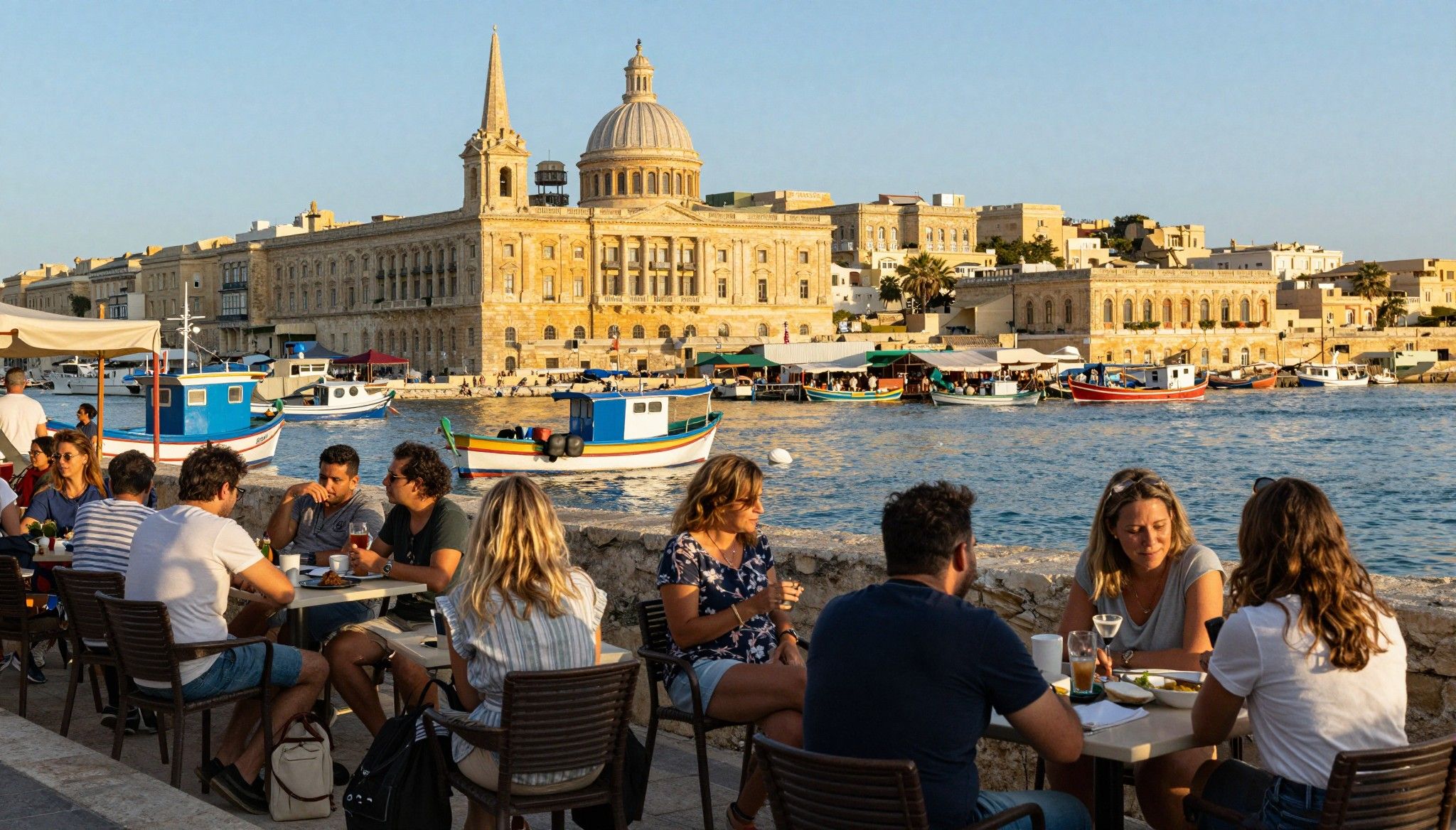
Imagine sipping espresso at an outdoor café on Rue Cler in Paris while a local landlord argues with a prospective tenant about allowable rent increases. France’s streets are full of that subtle negotiation—between cherished neighbourhood life and laws that reshape investment returns. Recent regulatory shifts have begun to alter which properties produce reliable yields and which are now riskier for international buyers.
Living the France lifestyle — and why rules matter
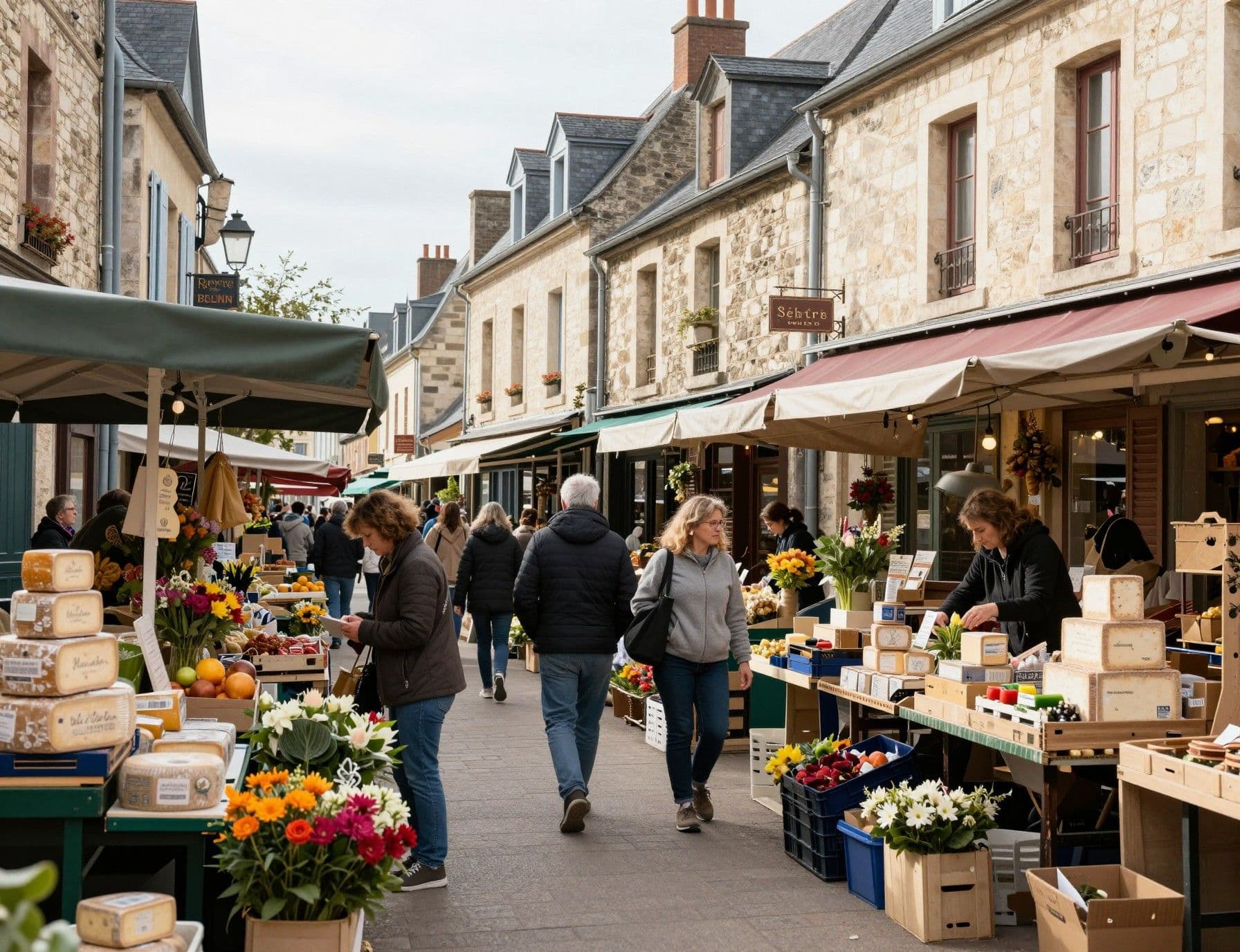
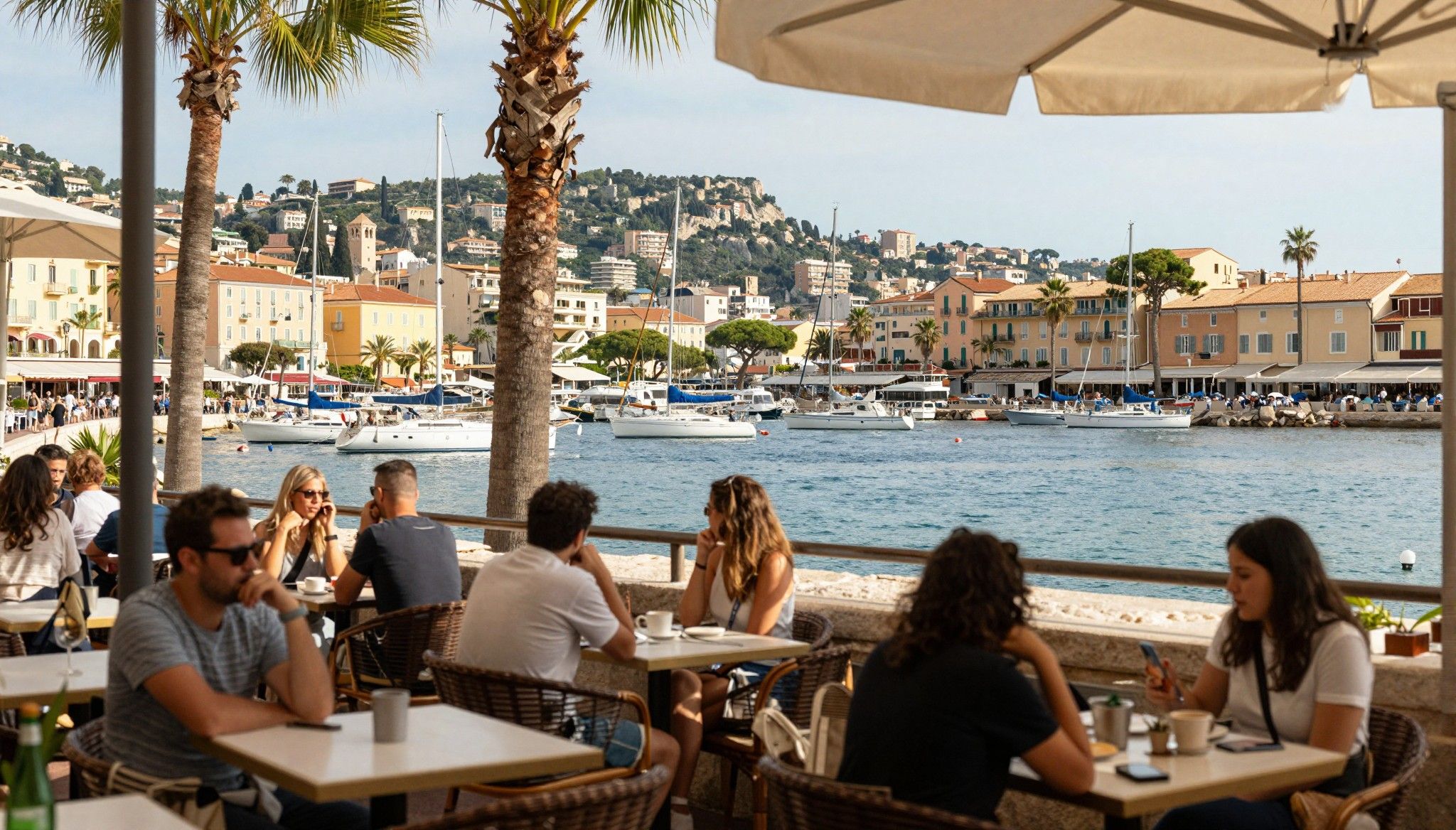
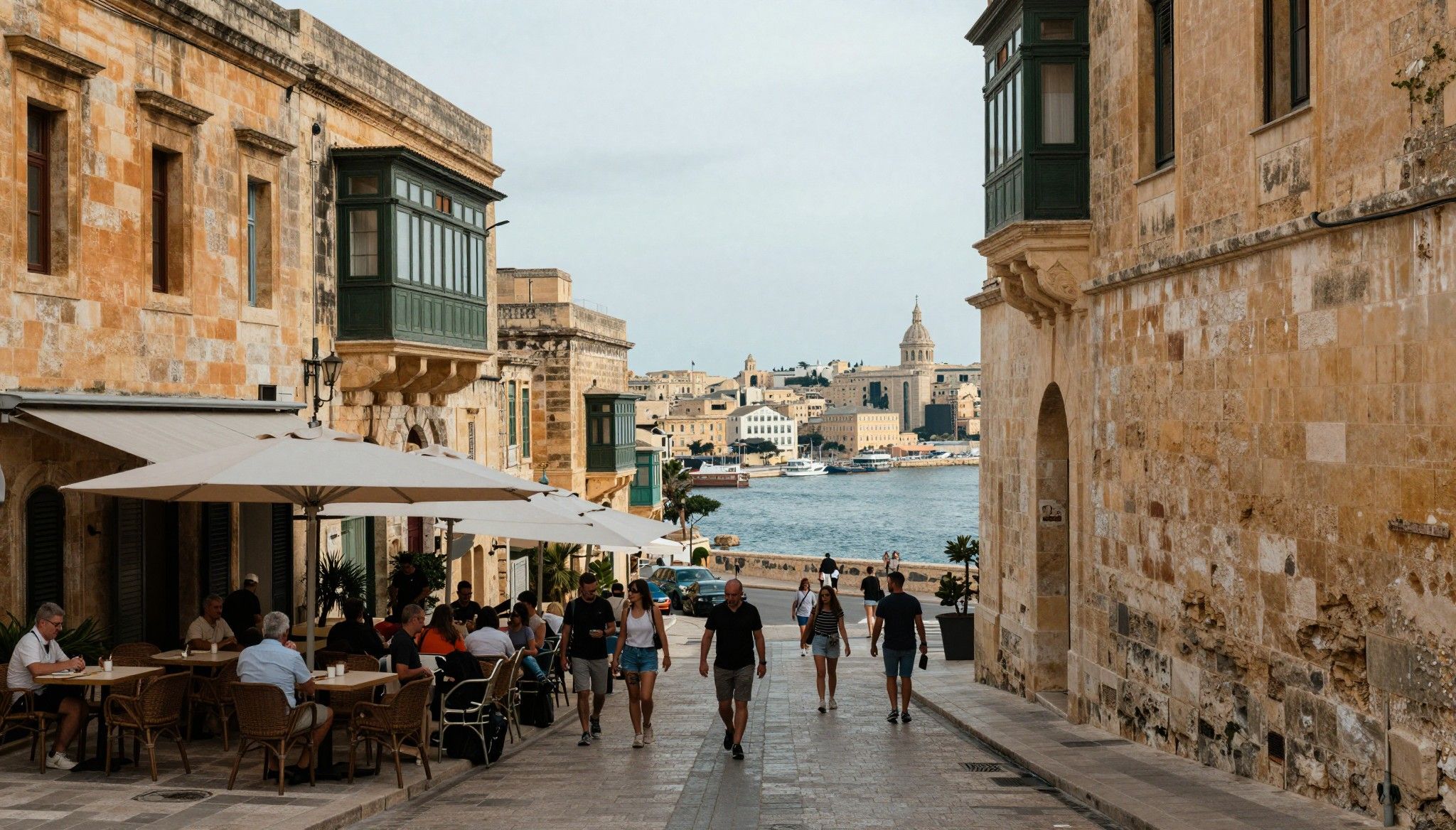
France sells itself by atmosphere: market mornings, slow Sunday marché, aperitifs that stretch until dusk. From the narrow streets of Le Marais to the broad promenades of Nice, everyday life is highly local. Those local rhythms shape demand — student flats near the Sorbonne, pied-à-terre studios in Vieux Nice, long-term family rentals in Lyon’s Croix‑Rousse — and regulators now steer which of these demand pools remain profitable.
Neighborhood snapshots that investors misprice
Paris’s 10th arrondissement feels like a compact, year-round rental engine: Canal Saint‑Martin cafés, good transport, steady short‑let demand near Gare du Nord. Contrast that with coastal towns such as Biarritz or the Côte d’Azur, where high seasonal short‑let income used to justify steep valuations. New local rules and surtaxes make that old arithmetic unreliable; the lifestyle that attracted holiday guests is no longer a guaranteed premium for buy‑to‑let owners.
Food, markets and weekly rhythms that sustain neighborhoods
A weekday in France often pivots around place-based rituals: morning boulangerie runs, noon mercato produce, evening apero on a terrasse. These rituals create stable rental demand for certain unit types — compact one‑beds within walking distance of markets, family homes near schools — and regulations that limit rent growth or short‑lets reweight which unit types remain attractive to investors.
- Lifestyle highlights that also affect investor demand: • Canal Saint‑Martin (Paris): strong year‑round rental occupancy for singles and young professionals • Vieux Nice: high short‑let premium historically, now subject to municipal restrictions • Croix‑Rousse (Lyon): family appeal, stable long‑term tenants • Bordeaux Saint‑Pierre: wine-tourism footfall supports seasonal income but fewer long‑term yields • Île‑de‑Ré: second‑home pressure invites surtaxes from local councils
Making the move: practical considerations after regulatory change

Translating lifestyle into portfolio metrics requires fresh assumptions. INSEE and notaires data show recent price stabilisation and pockets of renewed growth in large cities, but local rules — rent caps, expanded secondary‑home surtaxes and tighter short‑let regimes — change net yields materially. International buyers must update models for lower gross effective rents in regulated zones and higher holding costs where local surtaxes apply.
Property types and how rules reprice them
Historic apartments in central Paris keep capital value but face rent‑evolution limits in 'zones tendues' that cap increases on re‑lets and renewals. Holiday apartments on the Côte d’Azur face municipal registration, potential conversion rules and reduced tax perks for meublés touristiques — shrinking short‑let returns. By contrast, family homes outside core tourist belts often offer steadier net yields once you include parking and lower surtax risk.
Working with local experts who speak law and lifestyle
- Stepwise checklist blending lifestyle and regulation: 1. Map the municipality’s rules: check if the commune applies residence‑secondary surtax or short‑let limits. 2. Recalculate yields using capped rent growth scenarios (use INSEE price indices and local cap decrees). 3. Verify short‑let registration/licence requirements with the mairie and check penalties. 4. Factor in potential vacancy from enforced conversions or longer‑term tenants. 5. Use local notaire for ownership structure that optimises non‑resident tax exposure.
Insider knowledge: what expats wish they’d known
Expats often fall for postcard logic — buy a sea‑view for short‑let gold — and underestimate the municipal toolkit now used to protect local housing. Mayors can widen surtax on second homes and enforce registration for tourist rentals. Those local instruments are uneven: some coastal communes are aggressive, others permissive. The result is localised repricing of risk that only boots reveal during due diligence.
Cultural and seasonal realities that affect occupancy
High seasonality remains pronounced: coastal towns can be 60–80% occupied in summer and heavily under‑occupied in winter. That seasonality used to be offset by short‑let rates; local registration limits, mayoral surtaxes and recent moves to curb tax niches for meublés touristiques reduce that buffer. Plan for extended off‑season vacancy when modelling yield and stress‑test for a lower effective annual occupancy rate.
- Red flags and checks before you sign: • Commune applies second‑home surtax or recent mayoral decrees. • Property lies in a 'zone tendue' subject to rent evolution caps. • Short‑let registration number is required and hard to obtain. • High DPE (energy performance) class F/G — could block certain lettings. • Local plan restricts conversion from long‑term to tourist use.
Conclusion: fall in love, but build the spreadsheet first. France offers irreplaceable lifestyle dividends — marché mornings, coastal afternoons, cultural depth — but recent regulatory shifts systematically reprice rental returns. Start with neighbourhood-level rule checks, stress‑test yields under capped rent scenarios, and work with a notaire plus a local agency versed in municipal practice. The combination of lifestyle knowledge and legal precision preserves both joy and return.
British expat who moved to the Algarve in 2014. Specializes in portfolio-focused analysis, yields, and tax planning for UK buyers investing abroad.