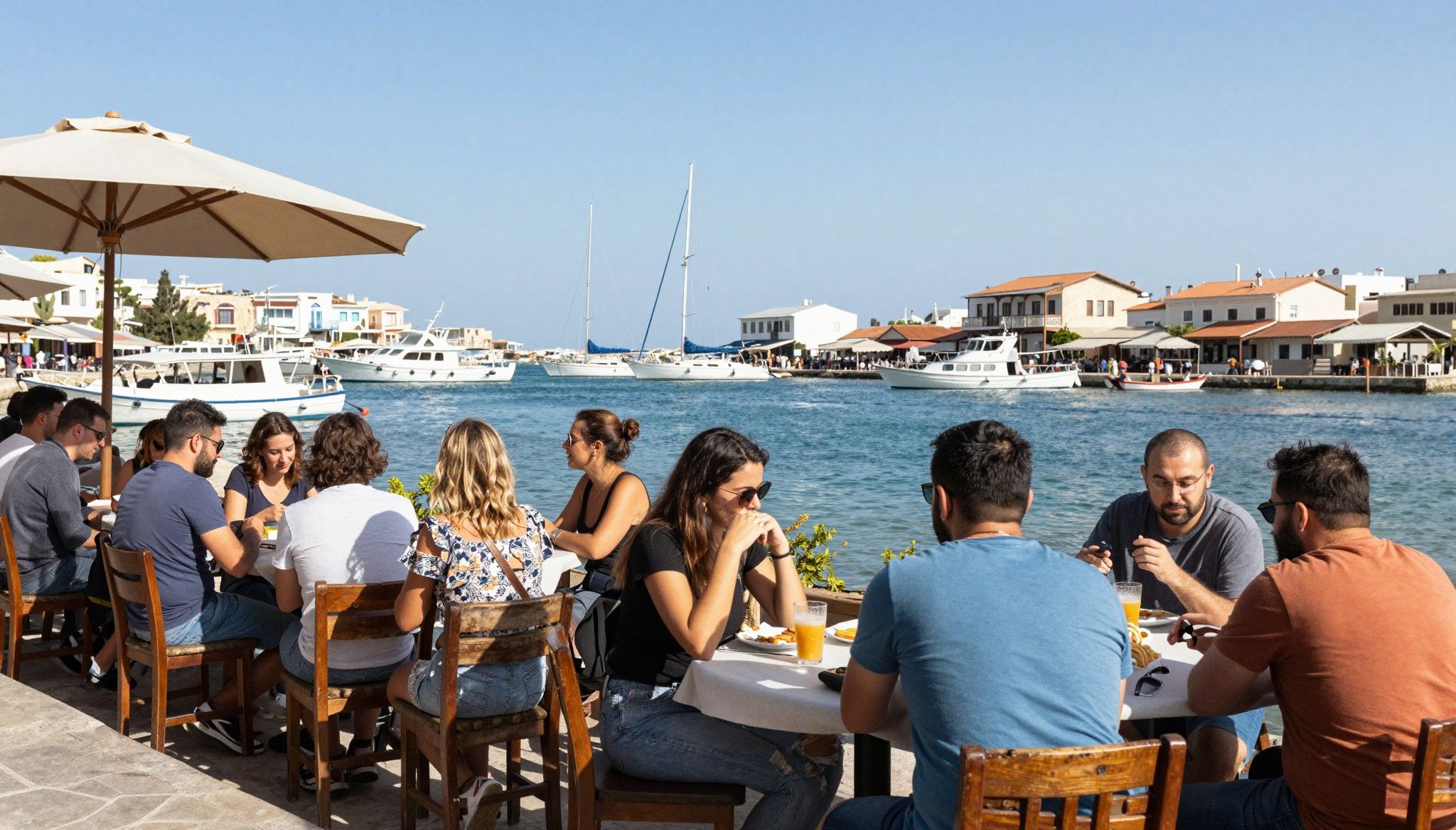
Malta: Fall for the Street, Buy the Yield
Malta’s compact, sea‑oriented lifestyle concentrates rental demand—prioritise central nodes (Sliema, Gżira) and refurbishment plays to protect net yields amid rising prices.
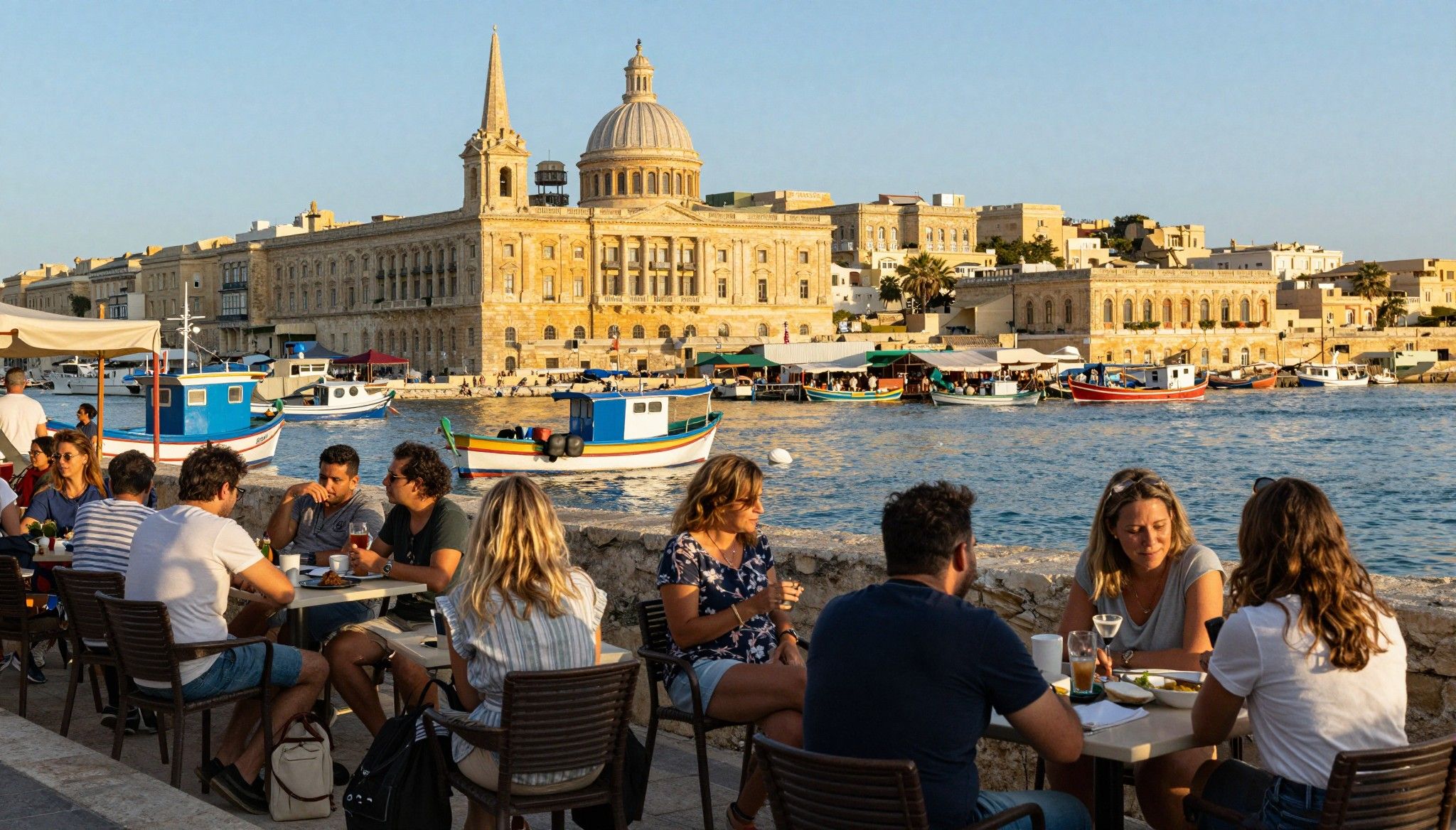
Imagine standing on Sliema’s promenade at 8 a.m., espresso in hand, ferries crossing the harbour and limestone façades catching the low sun. In Malta, daily life folds around the sea—short commutes, café culture, parish festas that close streets, and neighbours who know one another by name. That compactness is the island’s strongest asset for buy‑to‑let: demand concentrates tightly, transport links compress catchment areas, and lifestyle appeal translates into rental occupancy—if you buy in the right micro‑market.
Living the Malta lifestyle
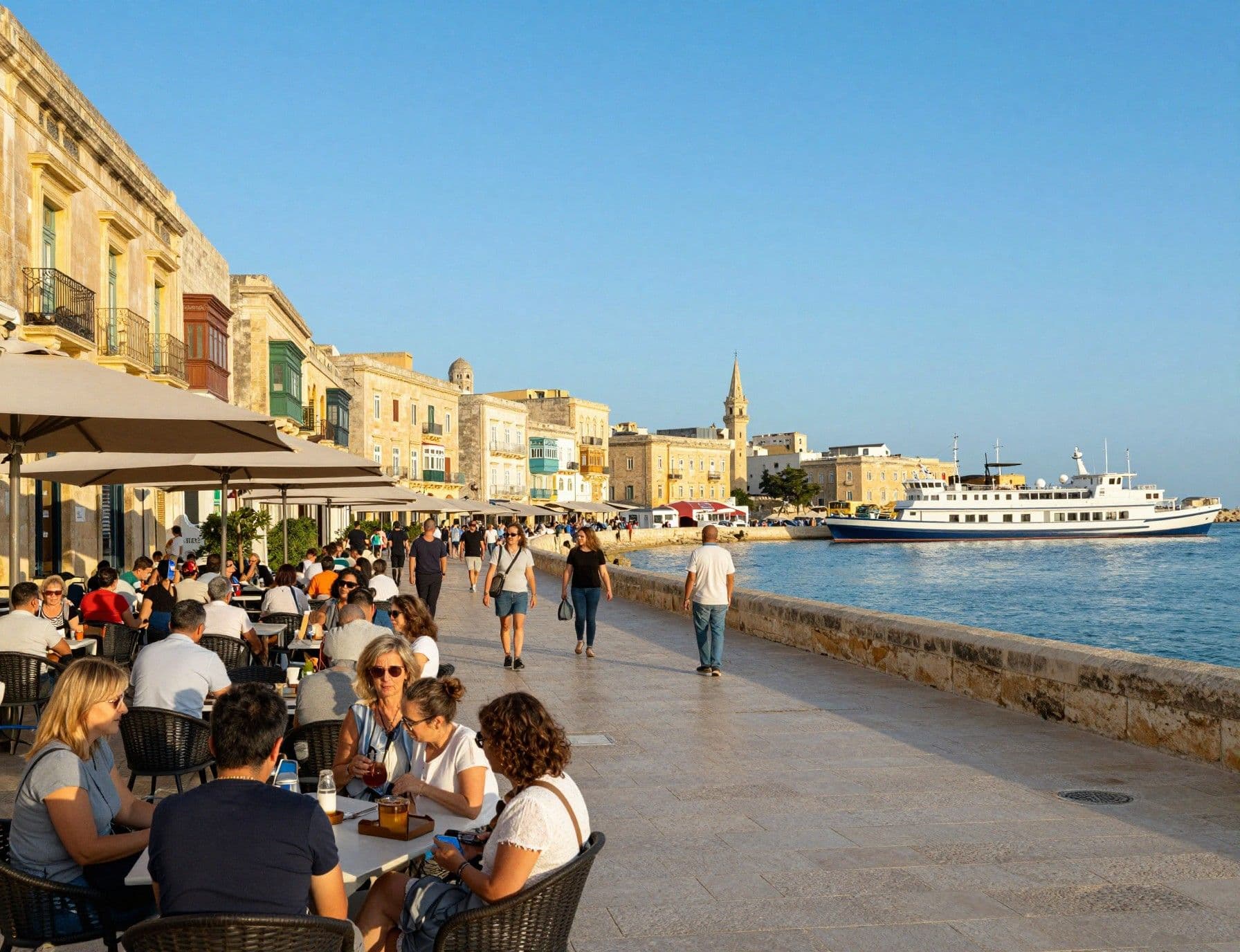
Malta feels small in distance and large in variety. Valletta’s narrow streets and baroque theatres create a city‑center residency that attracts culture‑minded tenants; Sliema and Gżira offer promenades, ferries and steady long‑stay demand from professionals; St Julian’s and Paceville are the island’s leisure and short‑stay nucleus. North coast towns such as Mellieħa and St. Paul’s Bay trade quieter beaches for longer commutes but higher seasonal holiday demand.
Valletta & the Three Cities: city‑center character
Picture evening passeggiata along Republic Street, artisans in hidden courtyards and heritage buildings converted into high‑finish apartments. Valletta commands cultural rents and tourist interest but often lower headline yields because purchase prices for renovated units are strong—buyers pay a premium for character. The National Statistics Office reports consistent price growth in recent quarters, underlining why capital appreciation is often the primary return driver here rather than rental yield.
Sliema, Gżira & St Julian’s: the rental workhorses
If you want steady, year‑round tenants, think Sliema/Gżira and St Julian’s. These are Malta’s densest employment and service corridors—offices, iGaming firms, language schools and hospitality employers sit within walking distance. Analysts report average gross yields in these areas around the mid‑3% to low‑4% range; net yields for an international investor are often lower after management and overheads. The advantage is occupancy stability and short vacancy cycles.
- Lifestyle highlights: promenades, markets & hidden corners
- Sliema promenade and Tigné Point: morning jogs and cafés that draw professionals.
- Valletta’s Strait Street and Upper Barrakka Gardens: culture, museums and commanding harbour views.
- Mellieħa Bay and Għajn Tuffieħa: family beaches and slower, seasonal rental demand.
- Marsaxlokk morning market: fresh fish, village rhythm and authentic local flavour.
Making the move: practical considerations that preserve yield
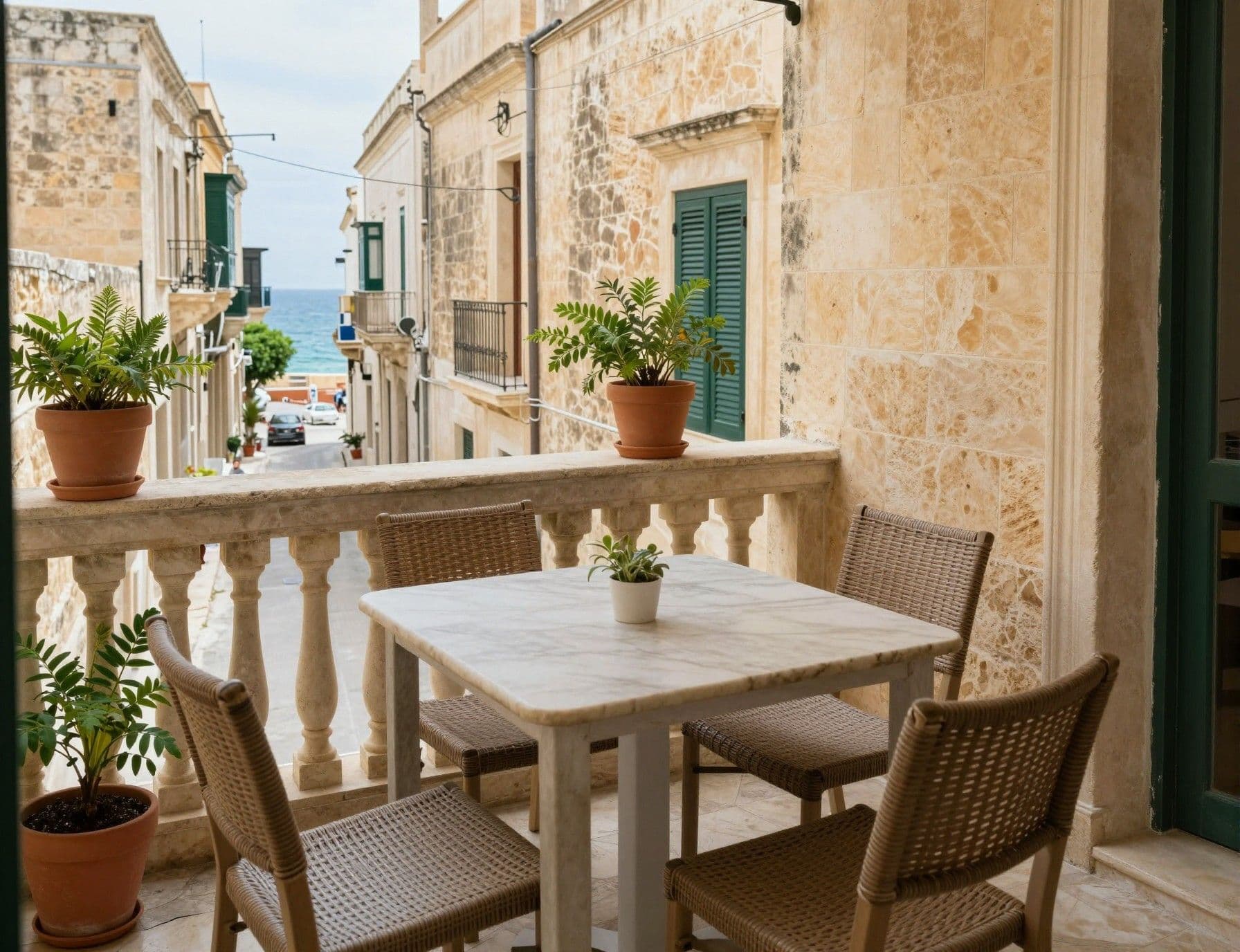
Dreams meet spreadsheets here: Malta’s market is compact, so small location mistakes materially affect returns. Prices have trended upward in recent years, compressing gross yields in prime pockets. International investors should prioritise metrics that survive local quirks: net yield after management and occupancy, price per useful square metre (not advertised ‘internal area’), and realistic seasonal vacancy assumptions.
Property types and how they rent
Apartments dominate Malta’s rental stock. New‑build seafront towers deliver premium short‑letting income but face regulatory and competition risk; traditional maisonettes and converted townhouses attract longer leases from families and professionals. For investors focused on net yield, mid‑market two‑bed apartments near transport nodes (Gżira, Sliema) usually offer the best balance of rent levels and maintainable demand.
How local experts preserve lifestyle value
A local agent who knows parish patterns, short‑let seasonality and building idiosyncrasies matters more in Malta than in larger countries. Good advisors combine lease‑up capability with refurbishment economics: modest kitchens, reliable air‑con, and outdoor terrace space can boost effective rents without huge capex. They’ll also flag building red flags—structural party walls, lease restrictions on short lets, and maintenance reserves in older properties.
- Purchase checklist that respects lifestyle and returns
- Estimate net yield: use conservative rent, 6–8% management + operating allowance, and two months’ vacancy.
- Check micro‑location: is the property within walking distance to workplaces, ferries or bus routes?
- Demand test: ask agents for vintage occupancy rates and tenant profiles for the same building.
- Refurb vs. price: calculate breakeven on modest upgrades that improve rentability (air‑con, terrace furniture, kitchen refresh).
Insider knowledge: what expats wish they’d known
Expats often romanticise island life and then discover the practical rhythm: local festas that block streets, busy summer traffic on the coast road, and the premium for sea‑view squares. Many wish they’d prioritised proximity over views—shorter commutes and better tenant pools beat a marginal sea view when vacancy bites.
Culture, language and community
English is an official language and widely used in business—this reduces friction for landlords and agents. Community life orbits parish churches, cafés and village squares; building rapport with neighbours speeds up everything from local maintenance to vetting long‑term tenants. For families, proximity to international schools in Msida and Pembroke is decisive.
Long‑term lifestyle + market durability
Malta’s small geography means supply constraints are structural; this supports price resilience and makes well‑located assets good candidates for capital preservation. However, yield‑minded investors must accept lower gross returns in prime coastal pockets and instead target central belt locations or well‑managed refurb plays to improve cash returns.
- Red flags local buyers avoid
- Properties with unclear exterior maintenance obligations—ask for the building’s sinking fund or maintenance history.
- Units marketed with misleading internal area—insist on measured floor plans and check usable vs. gross area.
Conclusion: fall in love, then stress‑test the spreadsheet
Malta sells a compact Mediterranean life that translates into strong rental demand—if you match lifestyle appeal to rigorous underwriting. Prioritise central transport nodes, verified occupancy data, and small refurbs that lift rent without large capital outlay. Work with agents who know parish calendars, tenant profiles and building economics; fall in love with a street, but buy the numbers.
Danish relocation specialist who moved to Cyprus in 2018, helping Nordic clients diversify with rental yields and residency considerations.