When France Tightens Short‑lets: Lifestyle Winners & Yield Losers
New short‑let rules and expanding rent caps in France are reshaping net yields — model three scenarios, check copro rules and register meublés before you bid.

Imagine waking up to a bakery on Rue des Martyrs, buying cheese at Marché d'Aligre and signing a contract for a Parisian pied-à-terre — only to find that new short‑let rules or local rent caps change the numbers you pencilled months ago. Recent regulatory moves in France — from tightened short‑term rental controls to expanding rent‑encadrement zones — are reshaping where lifestyle and yield intersect, and they do so unevenly across arrondissements and regions. For international buyers this is not abstract law: it alters net yields, permissible use, and exit flexibility. Read on for a location-rich, data‑backed guide to how the rules translate into real decisions on the ground.
Living the France lifestyle: what you actually buy into

France is a set of daily rhythms as much as a property market. In Paris mornings mean espresso at a café terrace; in Bordeaux Sundays are for marché strolls and wine tastings; on the Côte d’Azur summers are measured in beach hours and late aperitifs. These rhythms determine demand profiles: central arrondissements attract short‑let tourists and professionals; university towns like Montpellier and Grenoble draw student and academic rentals; coastal towns see strong seasonal demand with quieter off‑seasons. When regulators change rules on rental types or prices, they do more than nudge returns — they rewire who wants to rent and when.
Paris: density, culture, and the squeeze on short‑lets
Paris remains the market everyone watches, and recent law changes have tightened the short‑let playbook. The 2024–2025 push to require declarations for meublés de tourisme, plus municipal powers to limit days and enforce compliance, means a previously simple Airbnb arbitrage now needs administrative checks, a registration number and closer attention to copropriété rules. Put bluntly: a property that could flip between long and short lets with little friction in 2018 now has more red tape and higher compliance cost, which lowers achievable gross yields for many buyers unless they adapt their operating model.
Provence & Côte d’Azur: seasonal life, year‑round costs
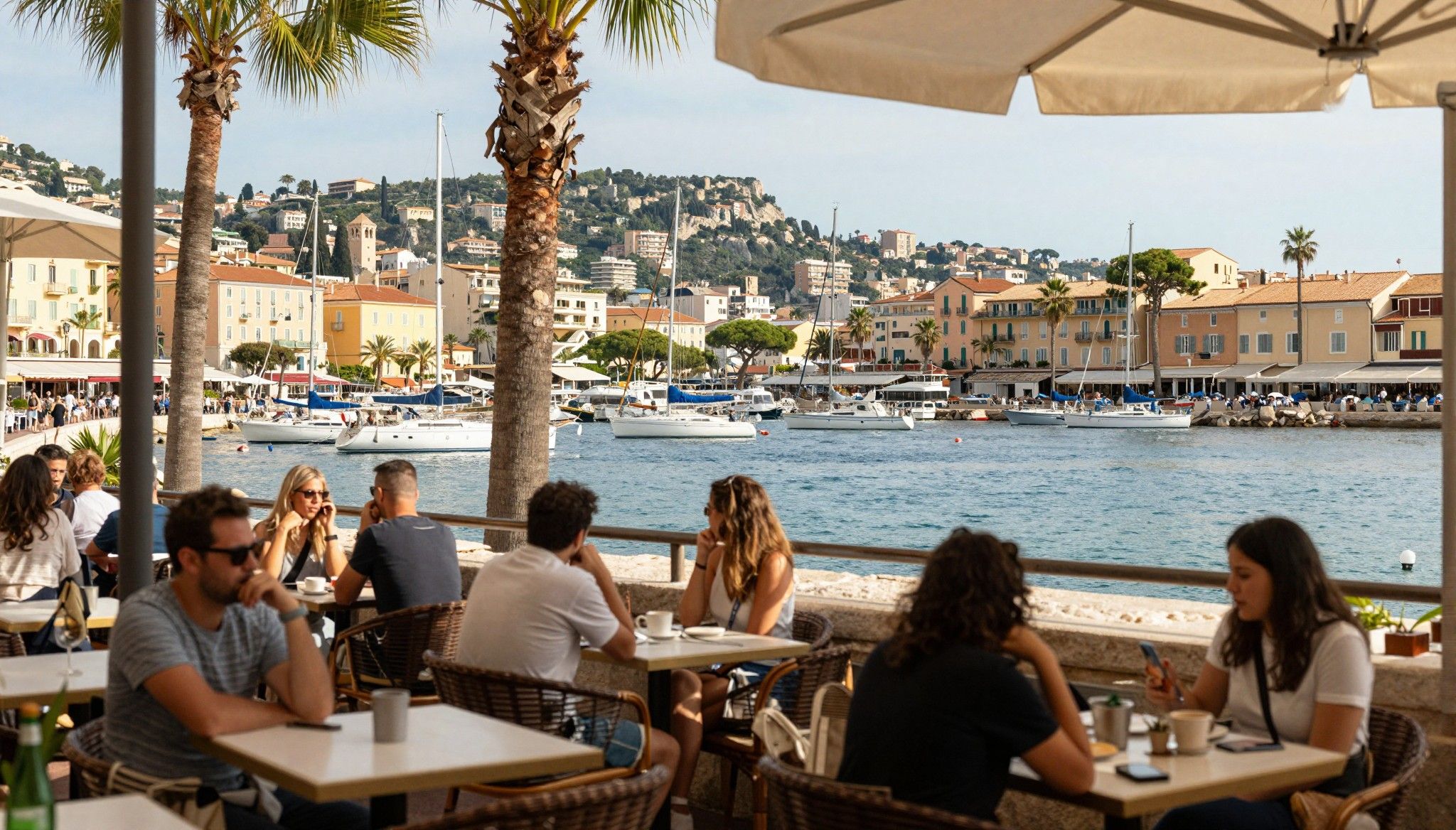
Living in Nice, Antibes or Aix means summer crowds and high short‑term rates; winter is quieter and services scale back. Local authorities increasingly treat high-season short‑lets as a housing pressure problem and are adding rules similar to Paris, reducing the once-clear vacation premium. For buyers chasing lifestyle income, that means re‑running yield models with a longer, multi‑season occupancy view and budgeting for periods of below‑average revenue.
Making the move: practical considerations when regulations shift

Regulatory changes matter to acquisition math. Two immediate effects are predictable: first, a reduction in gross rental potential for properties constrained to long lets or shorter permitted short‑let windows; second, an increase in compliance and administrative costs (registration, fines risk, potential conversion costs). Use public sources — municipal rules, Légifrance texts and notaire reports — to model three scenarios (optimistic, base, stressed) for net yield. The difference between scenarios can be 100–300 basis points on net yield depending on the market and the regulatory mix.
Property styles: what regulations favour (and which they penalise)
Regulations that limit short‑lets and cap rents favour multi‑room units with long‑let appeal (two‑beds near universities or transport hubs) and penalise single, high‑turn studio arbitrage in tourist cores. Likewise, properties with a separate entrance or dual access (garden flat, duplex with private stairs) can convert more easily between uses and retain optionality. When price per m² is high, optionality matters: a small premium today for conversion‑friendly layout can protect yields when local rules tighten.
Six-step checklist to stress-test a French property under new rules
1) Verify local short‑let registration requirements and historical enforcement (municipal site). 2) Check copropriété rules: does the règlement allow tourist rentals? 3) Model occupancy across seasons, not just peak months. 4) Build compliance costs (registration, possible compensation to co‑owners) into operating expenses. 5) Price sensitivity test: what cap rate keeps IRR ≥ target under a 20% revenue drop? 6) Consult a notaire for transfer taxes and local tax treatment to confirm net yield calculations.
Insider knowledge: what expats wish they'd known before buying
Expats often underestimate how local rules vary. A porteur de projet who buys in Bordeaux because prices look better than Paris can still face Paris‑style restrictions if the commune adopts stricter local rules. Likewise, buyers assume that renovating to improve DPE (energy performance) will always increase rental income; while DPE improvements are increasingly required and can be mandated for rentals, the uplift in rent is often smaller than the retrofit cost if regulatory limits bind rents. The practical lesson: local nuance beats national headlines.
Cultural integration: how local habits affect tenancy and returns
French tenants value long leases, clear routines and habitability standards. This cultural tilt toward stable tenancies supports predictable long‑let cashflow where rent caps are in place. In contrast, short‑let strategies require operational sophistication and often a local partner to avoid costly compliance missteps. For international buyers, aligning property type to local tenancy customs reduces vacancy risk and protects net yield over time.
Practical red flags to check before you bid
• No registration number for short‑let — possible hidden ban • Copropriété rules that explicitly forbid tourist rentals • Evidence of municipal enforcement actions or heavy fines • DPE F/G without a retrofit plan — regulatory risk for rentals • High seasonality with low off‑season demand and weak year‑round tenants • Local market where price per m² leaves no margin for compliance costs
France is alive with daily pleasures — café rhythms in Le Marais, oyster bars on Rue Gambetta in Arcachon, lavender fields outside Aix — but for an investor these pleasures must sit alongside precise regulatory realism. Recent moves to formalise short‑let declarations, empower municipalities to limit days, and maintain rent‑encadrement in pressured zones change the arithmetic of lifestyle properties. If your goal is a hybrid life: part tenancy income, part personal use, then plan for reduced optionality, budget for compliance, and partner with a local notaire and agency familiar with municipal practice. If you want numbers, run three scenarios, price optionality into your offer, and insist on written confirmation of permitted use in the sale dossier.
Norwegian market analyst who relocated from Oslo to Mallorca in 2016, guiding Northern buyers through regulatory risk, currency hedging, and rentability.