When France’s Short‑Stay Rules Cut Your Yield
France’s 2025–26 short‑stay and energy rules have shifted income profiles: register tourist rentals, budget DPE upgrades and prioritise long‑let‑friendly, energy‑efficient stock.

Imagine a September morning in Lyon: the market stalls steam, a boulanger places warm baguettes on the counter, and cyclists thread between Haussmann facades. That ease — markets, cafés, short walks to work — is the lifestyle pull that brings international buyers to France. But behind the charm, regulatory shifts in rental and short‑stay rules are changing returns. This guide pairs the lived experience of French neighbourhoods with the legal changes that actually reprice yield.
Living the France lifestyle

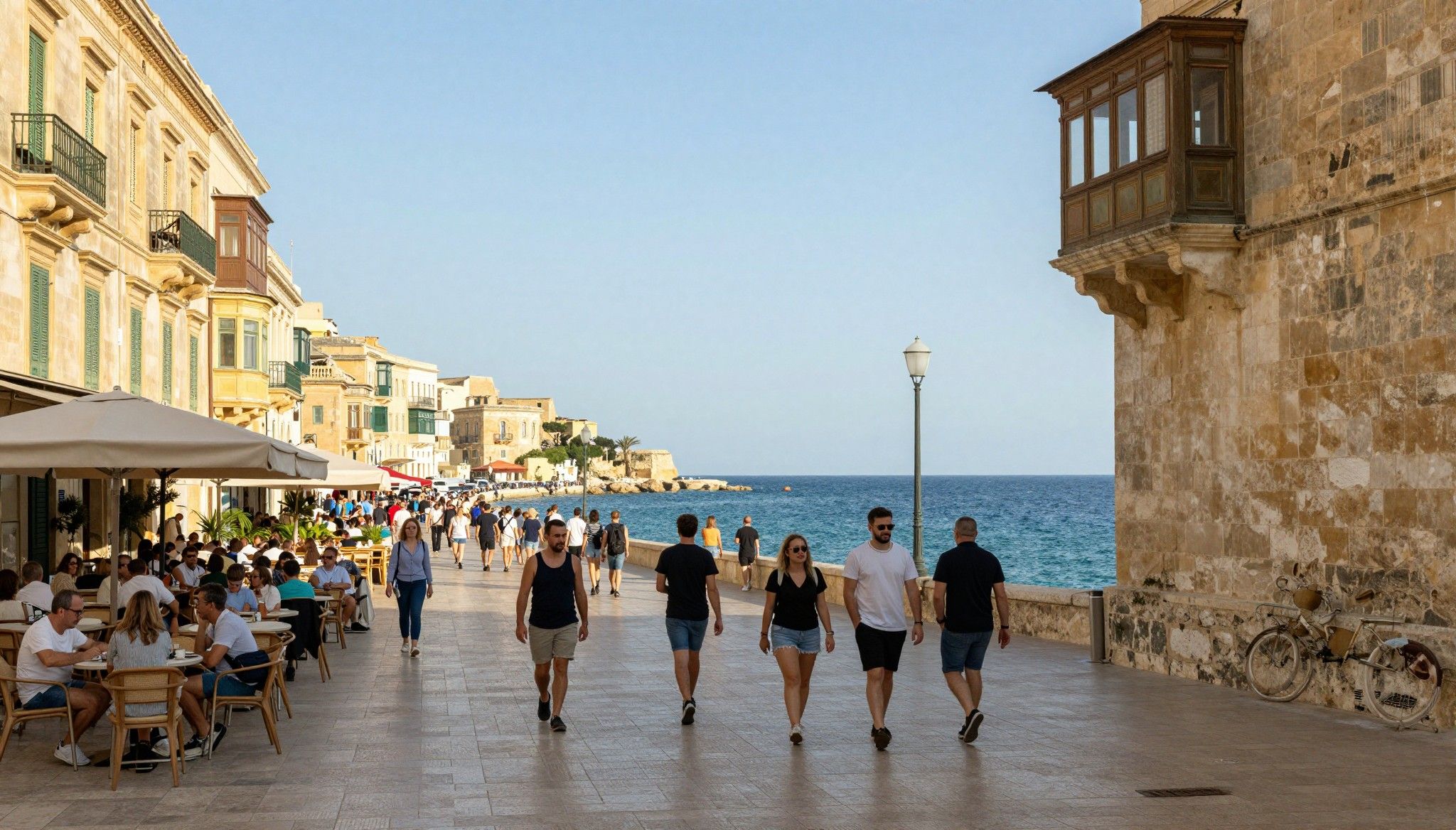
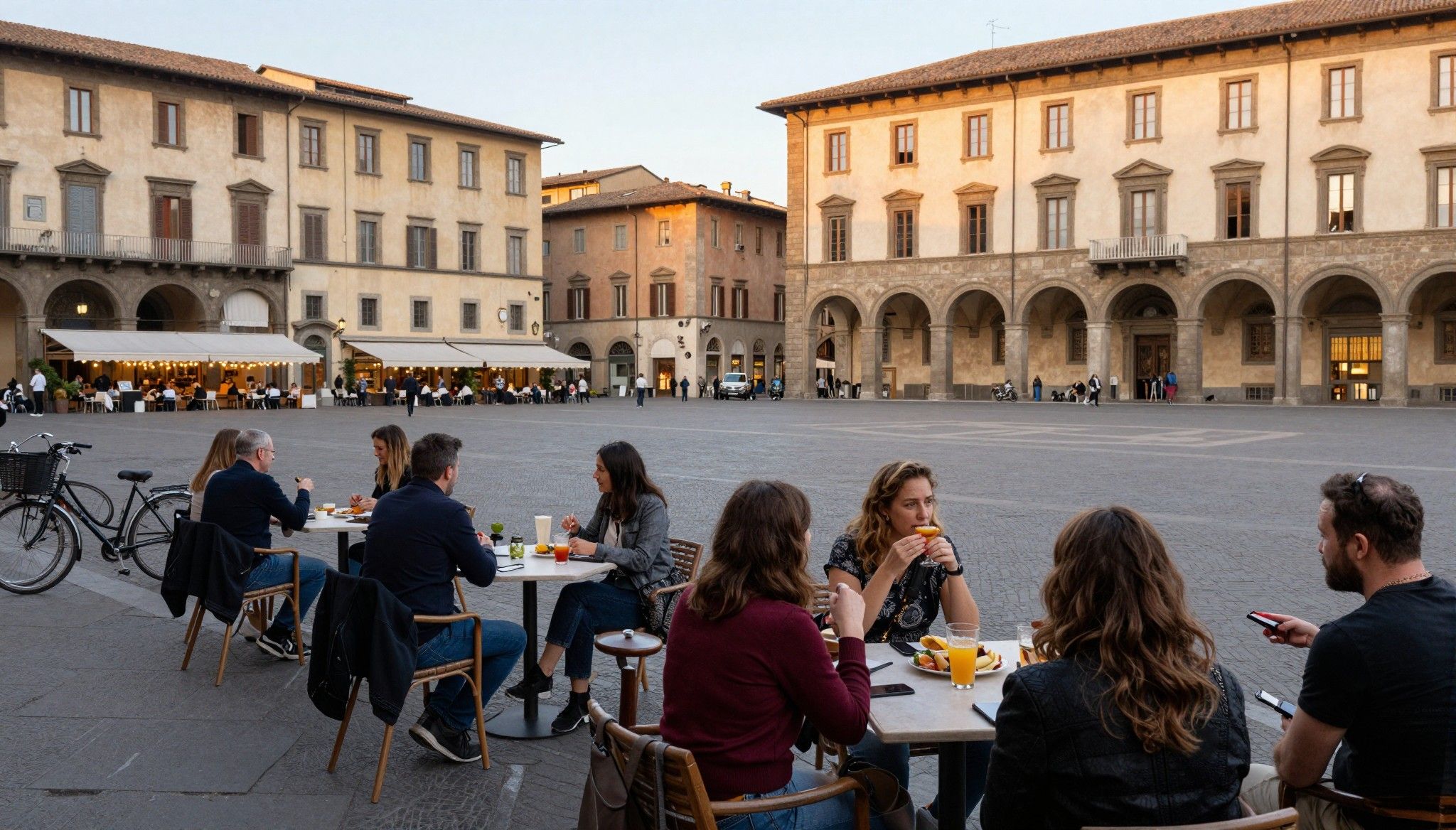
France feels like organised variety: urban mornings in Paris or Marseille, coastal slow afternoons on the Côte d’Azur, and market weekends in Bordeaux or Annecy. For buyers imagining life here, the sensory details matter — terrace cafés, municipal markets, weekday tram commutes, and Saturday village fêtes — and they determine what tenants will pay and which properties rent quickly.
Neighbourhoods that show the contrast
Paris’s Marais offers walkable streets, small boutiques and high seasonal demand from tourists — great for short lets but tightly regulated. In Lyon’s Croix‑Rousse, long‑term family renters value schools and markets, producing steadier yields. On the Atlantic coast, Biarritz and La Rochelle spike in summer and cool off in winter, while inland towns like Dijon provide year‑round rental stability with lower entry prices.
Food, culture and the rental market
Restaurants and markets aren’t just pleasure — they feed demand profiles. City centres with strong culinary scenes attract short‑stay visitors; provincial towns with weekly markets attract long‑stay tenants. Municipal tourism rules and the national push to register all tourist rentals (meublés de tourisme) change how profitable short lets are versus classic long‑term leases.
- Lifestyle highlights that affect rental demand: Marais (Paris) — museums and short‑stay demand; Croix‑Rousse (Lyon) — family rental stability; Vieux‑Nice — seasonal holiday short lets; Bordeaux Chartrons — wine tourism and long stays.
Making the move: practical considerations

The romantic scene collides with paperwork. Since 2025 France requires registration of tourist rentals and, in many cities, proof of energy performance (DPE) for advertised short lets. That administrative friction increases operating costs, compresses seasonal gross yields, and sometimes limits the market for short‑term operators who can’t comply.
Property types and yield profiles
Small studios and one‑bed flats in high‑tourist districts can show high headline yields when run as short lets, but regulatory costs and vacancy seasonality reduce net yields. Larger family apartments and village houses tend to deliver lower headline yields but steadier occupancy and lower compliance complexity. Notaires de France data shows central Paris prices (≈€9–10k/m² in 2025) compress cap rate upside; expect location premium versus yield trade‑offs.
- Steps to reconcile lifestyle goals with returns
1) Map desired lifestyle (city, coast, wine country) and expected tenant type (tourist, student, family). 2) Check municipal rules: registration, authorisation de changement d’usage in Paris, and DPE obligations. 3) Run a net yield model that includes licensing costs, cleaning, vacancy and higher insurance. 4) Compare with long‑let yield benchmarks in that commune.
Insider knowledge: what expats wish they'd known
Expats often under‑estimate municipal enforcement. Cities like Paris, Nice and Lyon actively monitor short‑stay listings; failing to register or convert a property’s use can lead to fines or forced reclassification. Practical experience: a mid‑sized investor I advised saw listing revenue fall 18% after mandatory registration and DPE upgrades were applied — a reminder that regulation can reprice expected returns materially.
Cultural and tenant realities
French tenants value thermal comfort (heating and insulation) and legal protections. Buildings with poor DPE ratings may suffer reduced rentability or require investment for compliance. For buyers planning renovations, local mairie rules and copropriété (condominium) approvals affect timelines and cost — factors that shape net yield and holding period decisions.
Regulatory shifts that reprice yield — quick facts
- Mandatory national registration for tourist rentals by May 20, 2026; required DPE attestation for metropolitan short‑lets; tighter municipal monitoring in major cities; potential limits on tourist conversions that reduce supply of short‑stay stock.
Those rules shift risk from operators to owners: where once a property could flip between long and short lets, owners now need to budget for compliance and accept longer lead times. For investors, the math changes — expect lower net yields from short lets and a relative premium on long‑let, energy‑efficient stock.
Practical checklist before you buy
- 1) Verify municipal short‑stay registration requirements and check if the address requires change‑of‑use permission. 2) Obtain historical transaction prices (Notaires/INSEE) to benchmark price/m² and negotiate. 3) Model three scenarios: long‑let, regulated short‑let with compliance costs, and vacancy stress test. 4) Factor in DPE upgrade costs and expected timeline for copropriété approvals. 5) Use a local notaire and an agency experienced with contracts for foreign buyers.
Data sources matter: use Notaires and INSEE price indices for historical price per m² and transaction volumes, and consult Service‑Public for legal obligations. These sources let you stress‑test yields against regulatory scenarios rather than relying on headline tourist rents.
Conclusion — lifestyle first, rules decide the returns
France sells a tangible lifestyle: markets, cafés, coastline and the rhythm of neighbourhood life. But recent regulatory tightening around short‑stay rentals and energy performance reprice what was once a simple yield play. If you want the lifestyle, buy for life‑use and model rental returns conservatively; if you need yield, prioritise energy‑efficient, long‑let friendly stock in secondary cities. Use local data and legal checks to match the dream with a defensible investment case.
Norwegian market analyst who relocated from Oslo to Mallorca in 2016, guiding Northern buyers through regulatory risk, currency hedging, and rentability.