Malta: Where Neighbourhood Choice, Not View, Drives Yield
Malta’s compact lifestyle drives predictable rental demand—but recent short‑let rules and rising prices mean returns depend on micro‑neighbourhood selection and operational rigor.
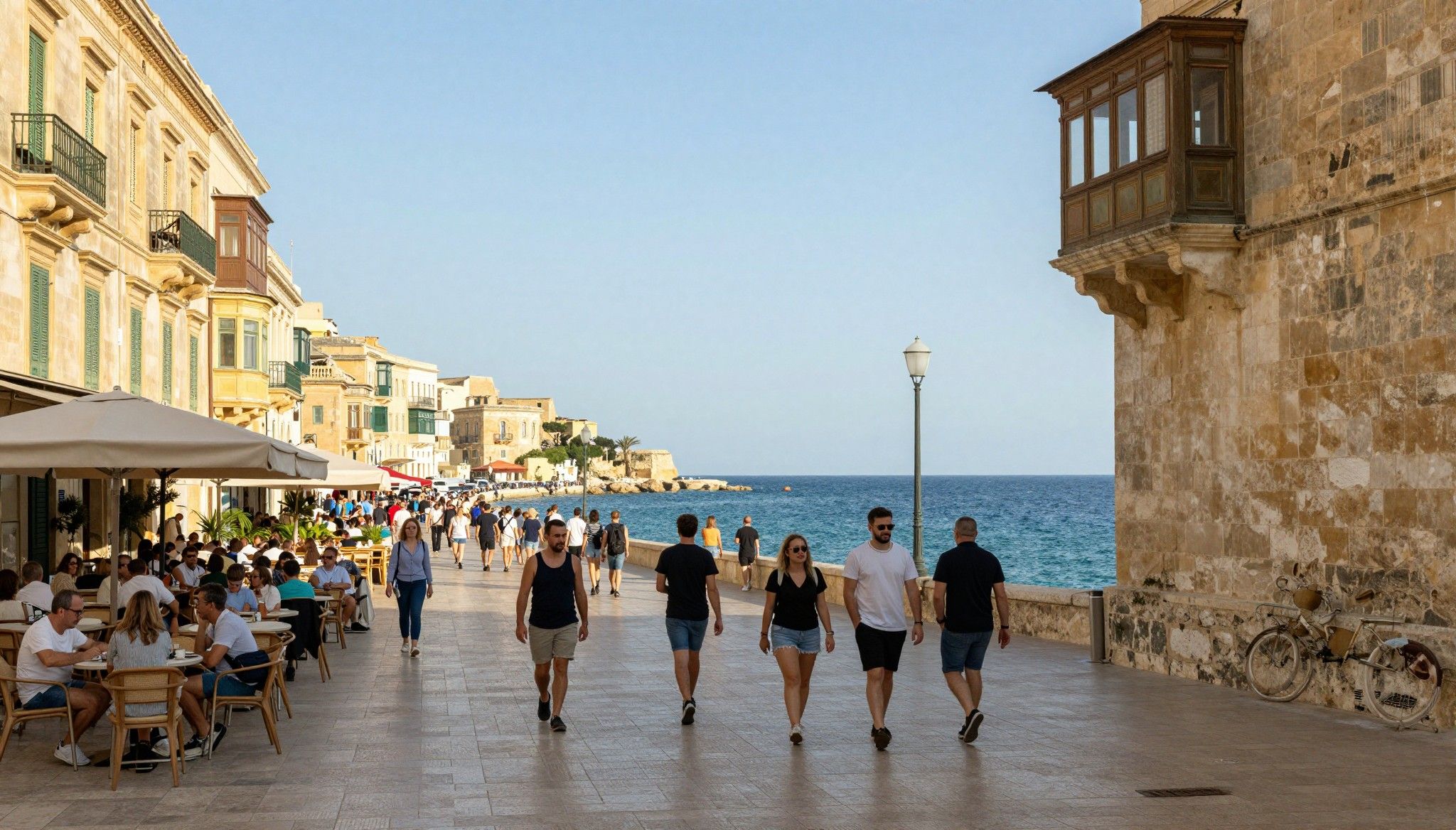
Imagine starting your morning with an espresso on Triq ir-Reġina in Sliema, then slipping into a narrow Valletta street where limestone façades keep the air cool. Malta compresses seaside weekends, medieval streets and a working island rhythm into distances you can walk in under an hour. That intensity is what draws renters — tourists, students and remote professionals — and it’s the same intensity that makes yield math worth doing rather than skipping. Recent NSO figures show property prices and tourist flows have trended strongly, so lifestyle appeal and rental demand now map closely to investment outcomes.
Living the Malta lifestyle
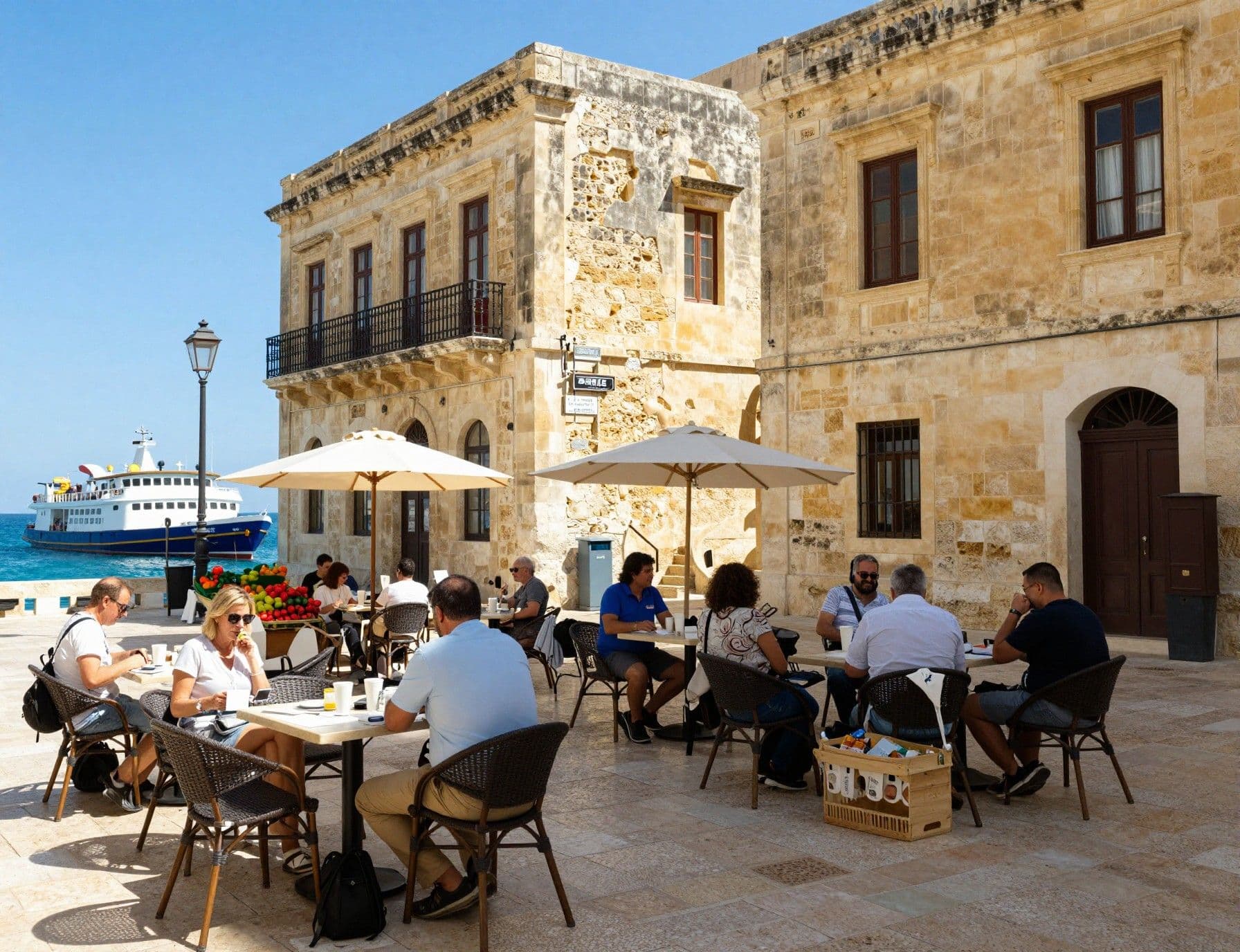
Malta is small enough that neighbourhood personality matters more than distance. Mornings in Sliema mean cafés and ferry commuters; St Julian’s hums with hospitality staff and short-let turnover; Rabat and Mdina feel intentionally quieter for families. For an investor, that local texture determines who will rent your flat and at what seasonality. The island’s compactness means transport links, walkability and proximity to amenities directly translate into rental occupancy and achievable monthly rent.
Sliema, St Julian’s and Valletta — different tenant pools
Sliema attracts long-term professionals and families looking for schools and ferries; yields here compress because buyers pay a premium for convenience. St Julian’s and Paceville are seasonal and command short‑let rates that spike over summer, but regulation changes have tightened that upside. Valletta’s compact apartments suit high-quality short-lets and expatriate couples who pay a premium for historic fabric, yet supply is limited which supports prices. Local yield snapshots show gross yields often cluster 3.5–5% depending on area and unit size, with smaller units typically returning higher percentages on purchase price.
Food, markets and daily rhythms that feed rental demand
The day-to-day life — fish stalls at Marsaxlokk on Sundays, evening passeggiatas in Sliema, street markets in Valletta — shapes when and who rents. Tourism recovered strongly in 2024 with over three million visitors, and increased tourist expenditure has translated into higher short‑term demand in coastal hubs. For long lets, the island’s service economy and remote workers create steady demand outside peak months. Understanding these cycles helps set realistic occupancy assumptions for yield models.
- Lifestyle highlights you should map into yield assumptions: morning cafes on Strand Street (Sliema); summer buzz at Balluta Bay (St Julian’s); weekly market at Valletta’s Merchants Street; quiet terraces in Gzira; sunset swims at Għajn Tuffieħa; fast ferries linking Sliema-Valletta.
Making the move: practical considerations
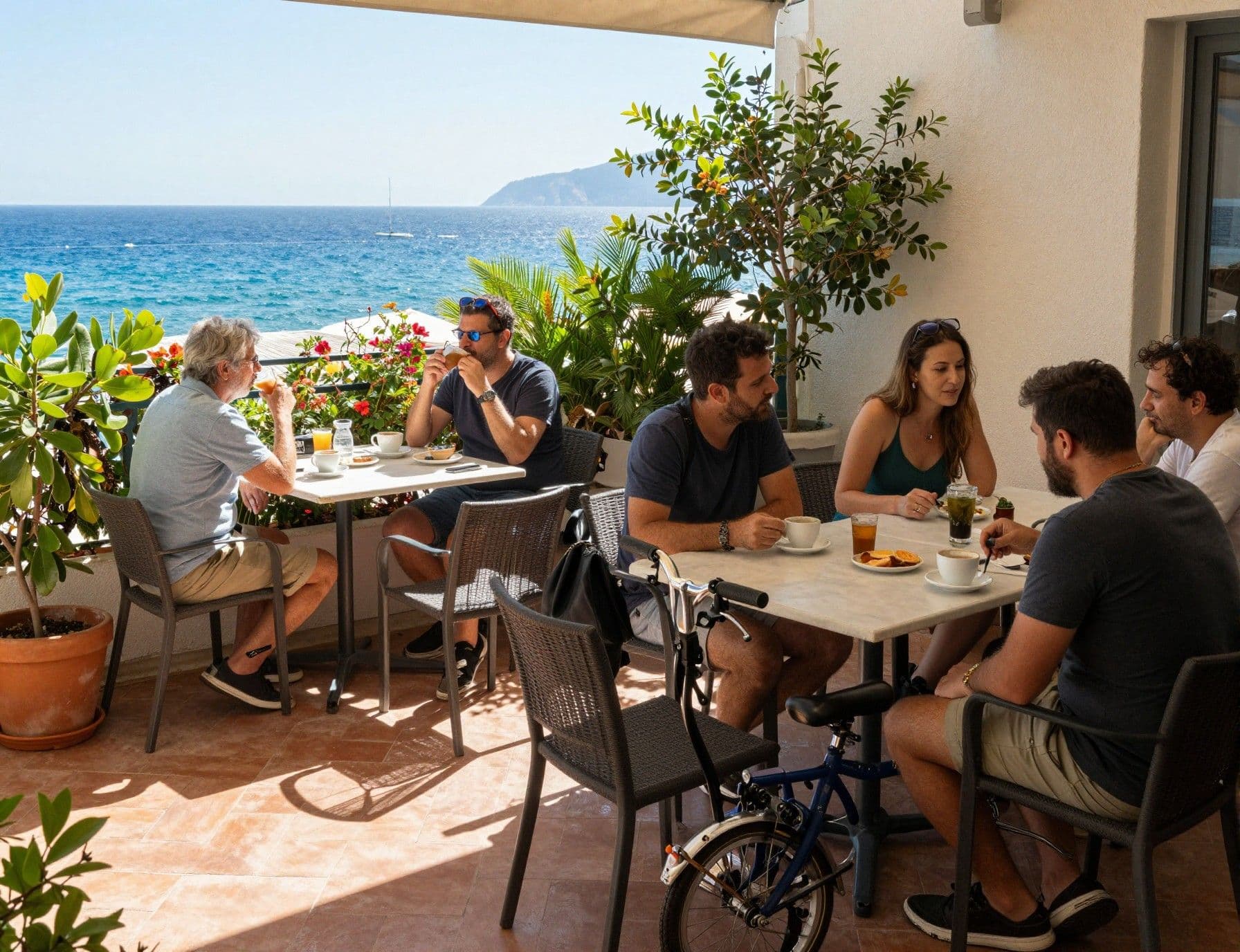
Lifestyle images sell the dream, but the spreadsheet decides whether you buy. Malta’s market has seen price growth and tightening affordability, and that changes the sensitivity of yields to purchase price. Buyers must blend local knowledge (neighbourhood rental profiles) with hard numbers: purchase price per square metre, realistic rent, vacancy assumptions and regulated short‑let rules. We rely on government and industry numbers to set those inputs so the lifestyle case converts into reliable yield estimates.
Property styles and what tenants actually want
Apartment conversions in Valletta and Sliema command smaller footprints but high per‑sqm prices; new-build schemes on the outskirts offer lower entry prices but appeal to different tenant profiles. Tenants prize outdoor space in summer months — even small balconies raise achievable rents — and well-connected properties minimise vacancy. The Residential Property Price Index shows continued price growth into 2024, so buyers must model modest capital gains rather than rely on aggressive appreciation.
How local experts convert lifestyle into spreadsheets
- 1. Get area-specific rent comparables for 12 months to capture seasonality. 2. Run two yield scenarios: conservative long‑let (3–4% gross) and mixed short‑let‑led (4–6% gross) with regulatory caps. 3. Add a 5–10% vacancy buffer for coastal/seasonal units and 2–4% for inner‑urban flats. 4. Include management costs (10–20% for short‑lets, 5–8% for long‑lets) and a maintenance reserve of 1% annually. 5. Stress‑test with a 10% price correction to see impact on net yield and equity timelines.
Insider knowledge: what expats wish they'd known
Expats often underestimate how regulation and tourism policy reshape yield expectations. Recent regulatory updates clarified short‑let limits and introduced a maximum consecutive stay, which reduces summer-only arbitrage and forces longer-term yield planning. Tax treatment distinguishes rental income from trading income for short lets, so how you operate affects net returns. Experienced buyers pair a neighbourhood lifestyle fit with clear regulatory strategy to keep occupancy high and compliance tight.
Cultural integration and the practical day-to-day
English is an official language, which eases tenant screening and management for international landlords. Social life centres on neighbourhood piazzas, local festa schedules and seasonal rhythms — expect lively summers and quieter winters. Plugging into local services (trusted cleaners, maintenance contractors, property managers) reduces friction and protects rental income. Expat landlords tell us the single biggest operational advantage is a manager who understands both bookings seasonality and local maintenance cycles.
Long‑term lifestyle and market sustainability
Malta’s economy and tourism are projected to remain supportive of rental demand, but growth moderates compared with the post‑pandemic bounce. The IMF notes steady economic indicators and a maturing market where returns will rely more on operational efficiency than speculative price moves. For long‑term investors, the sustainability story rests on tenant diversification — balancing local workers, students and mid‑term stays — and careful capex planning for older stock.
- Red flags and local realities to watch: unclear short‑let compliance in certain streets; small apartment floorplates that limit long‑term tenant appeal; rising service charges in refurbished walk‑ups; terraces that sound great but have planning restrictions; off‑plan marketing promises without completed permits.
Malta can feel like a perpetual holiday and it sells that image well — but the investor’s job is to translate holiday heat into durable cashflow. Start with neighbourhood-level rent data, model conservative and mixed scenarios, and build relationships with agencies that know local tenancy flows and regulation. If you want both lifestyle and yield, consider pairing a high‑quality small apartment in Valletta or Sliema (stable demand, lower vacancy) with a higher‑yielding peripheral unit for diversification.
- 1. Compile 12 months of comparable rents by micro‑neighbourhood. 2. Engage a local lawyer to verify permits and short‑let compliance. 3. Agree on conservative vacancy and management assumptions before offer. 4. Use a local property manager for tenant selection and seasonality optimisation. 5. Revisit capex and service charge forecasts annually and adjust rents accordingly.
Picture yourself six months after purchase: a reliable long‑term tenant paying on time, summer bookings filling gaps, and a local manager who handles turnovers smoothly. That balance — where lifestyle appeal feeds steady demand and careful operations protect yield — is Malta’s real investment proposition. If you love the lifestyle, let the data tell you where the returns live.
Norwegian market analyst who relocated from Oslo to Mallorca in 2016, guiding Northern buyers through regulatory risk, currency hedging, and rentability.