Italy: Match Neighbourhood Rhythms to the Spreadsheet
Italy’s lifestyle sells itself. Pair sensory place‑knowledge with official data (Istat, OMI) and you get investments that balance rent, seasonality and capital growth.
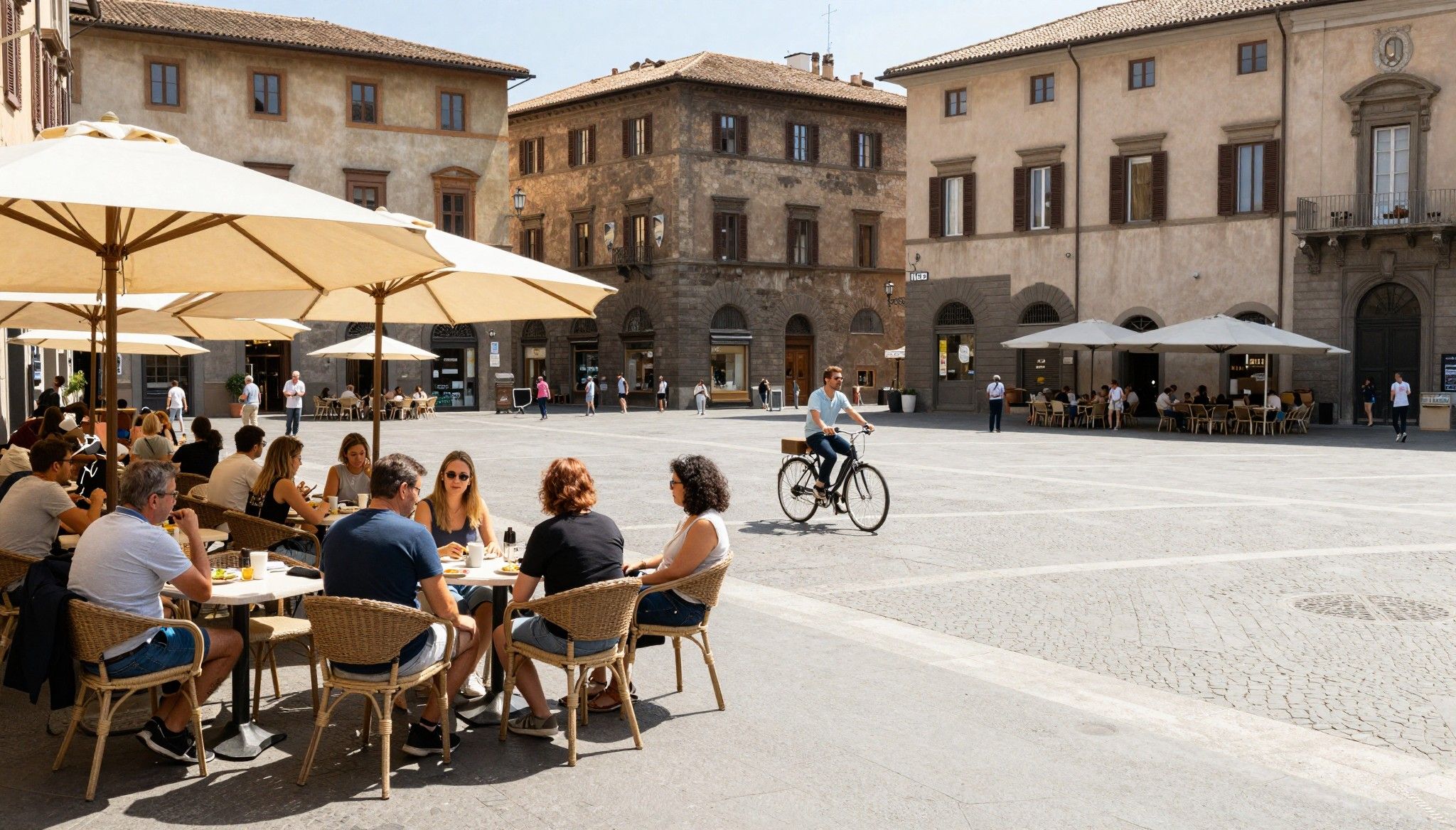
Imagine stepping out at 09:00 to a small square in Trastevere, espresso in hand, while the fabric of daily Italian life — market stalls, church bells, a baker’s warm focaccia — sets the pace. For many international buyers that scene is the point of the purchase; for investors it must also be reconciled with yield, vacancy risk and local market dynamics. This piece starts with that sensory pull and then puts a disciplined spreadsheet beside it, using official data and market reporting so you know which Italian neighbourhoods genuinely deliver the lifestyle — and which deliver the numbers.
Living the Italy Life: more than postcards
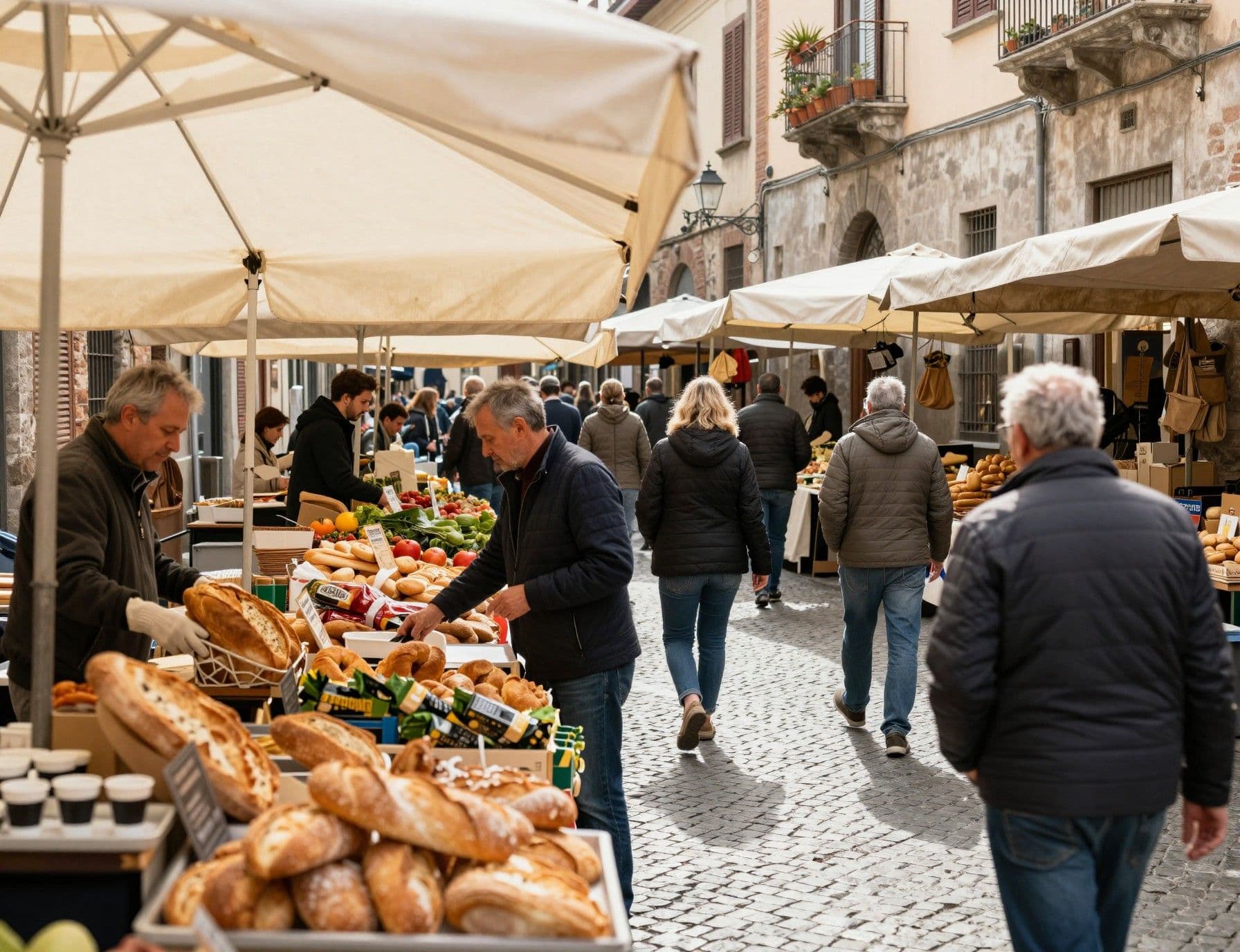
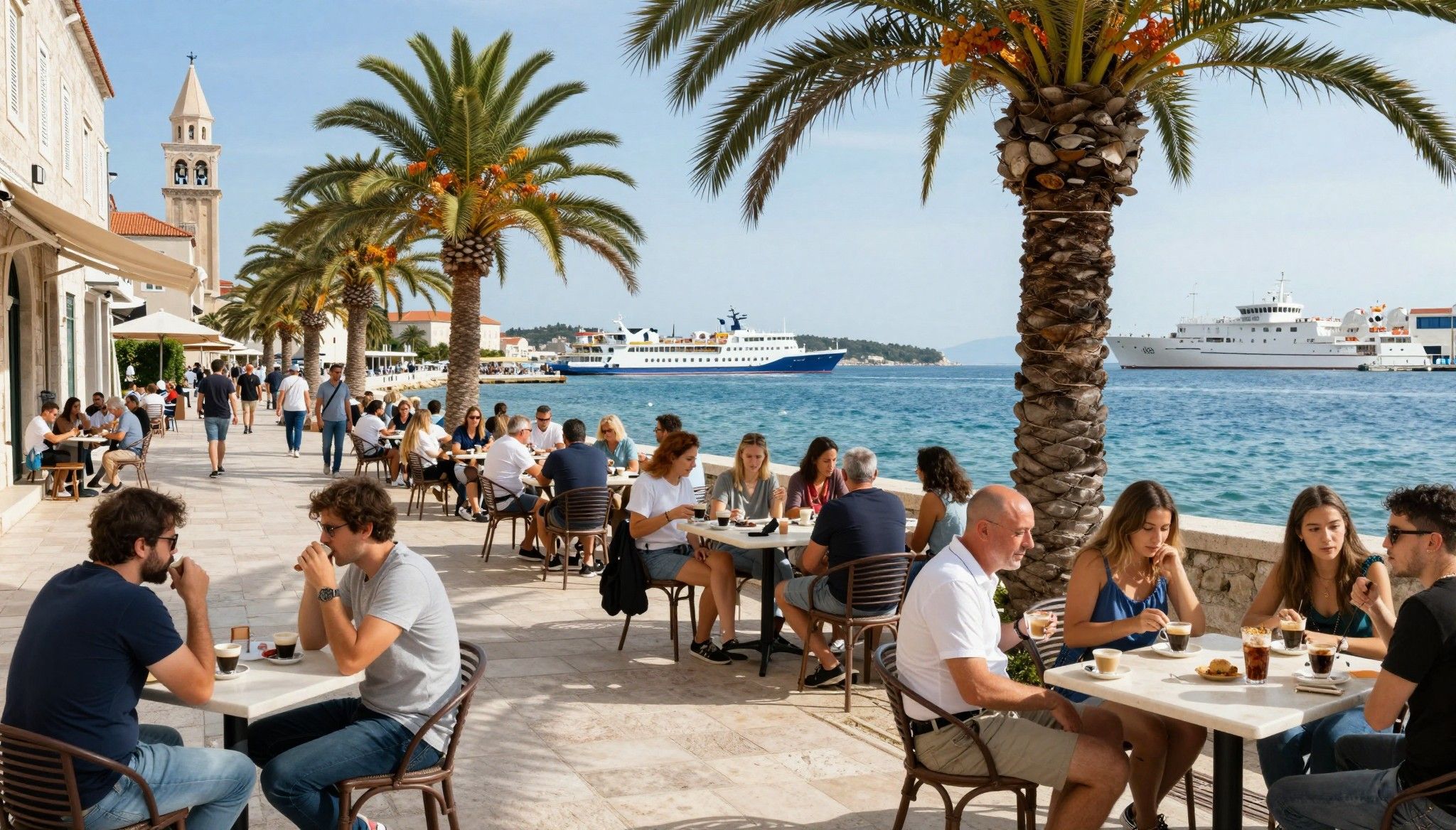
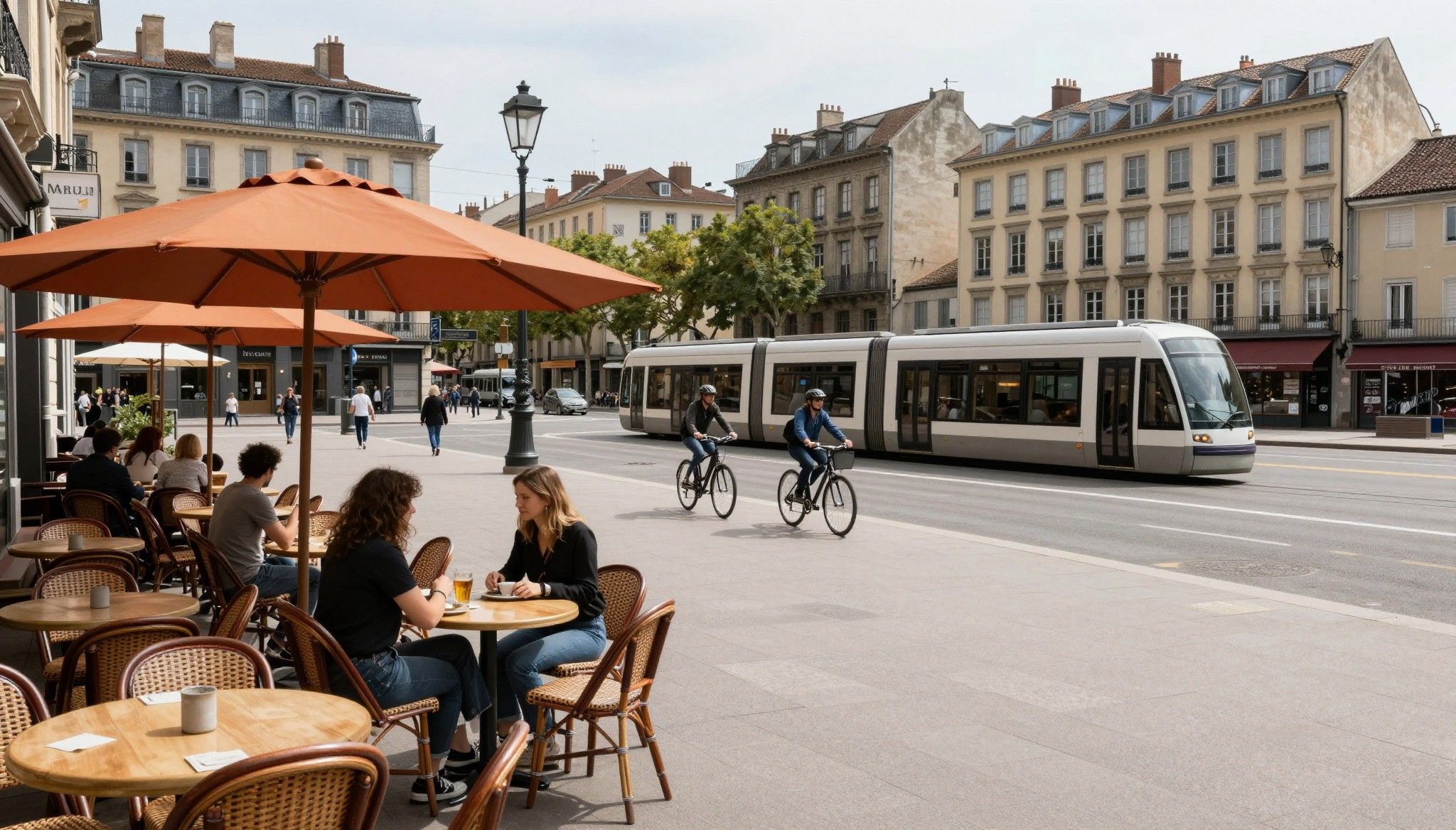
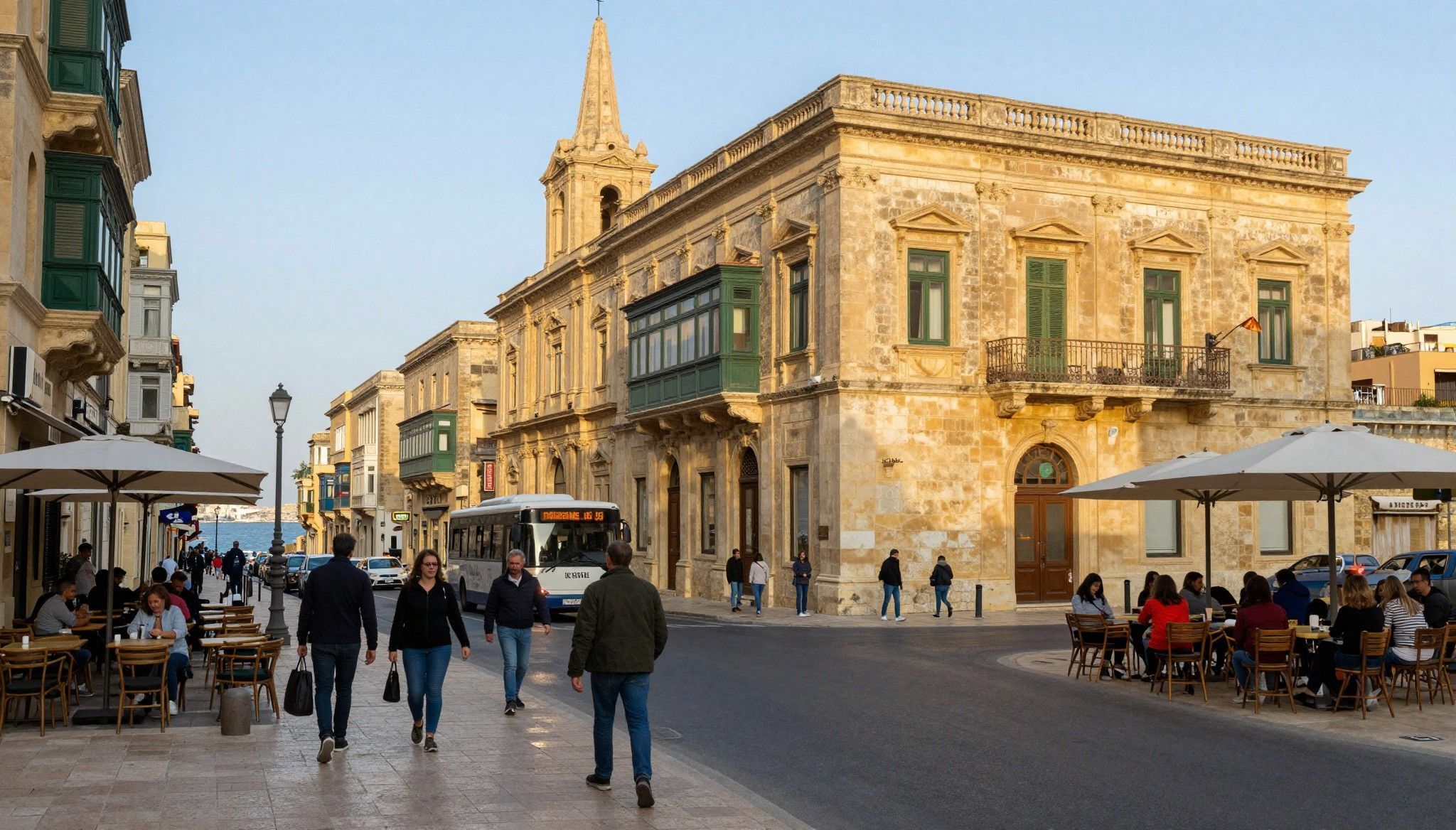
Italy is a mosaic: alpine stillness in Bolzano, design intensity in Milan, trattorie-lined alleys in Bologna, and fishermen’s rhythms along Puglia’s coast. Daily life is tactile — markets (mercato di Testaccio), morning caffè rituals, late-evening passeggiata — and these rhythms shape demand: short-term tourist interest in Venice and Florence, year-round student demand in Bologna and Padua, and long-season coastal tenancy in Liguria and Puglia. Recent national indices show house prices resumed growth after a mid‑decade pause, driven by demand in major cities and second‑home hotspots, which matters to investors balancing capital growth and rental yield. (Sources: Istat HPI, Idealista city reports.)
Neighbourhood snapshots that tell a story
Pick a street and you pick a lifestyle: Milan’s Navigli offers aperitivo culture and young professional renters; Rome’s Monti mixes tourism with long‑stay creative tenants; Palermo’s Kalsa is an emerging bargain for holiday lets and long-term rentals. These are not interchangeable — the tenant profile, turnover rate and maintenance expectations differ radically, and each micro-market behaves differently through seasons and regulatory shifts.
Food, markets and weekly rituals — why place matters
Markets where local life is strong tend to hold value better in downturns. A weekly farmers’ market, a reliable train link, or proximity to a university produce stable rental demand and higher occupancy. Cushman’s market overview notes rent per sqm increases in recent periods — a reminder that infrastructure and lifestyle amenities translate into measurable rental power.
- Lifestyle highlights to map when you buy: morning markets (e.g., Mercato Centrale in Florence), reliable regional train stations (e.g., Porta Nuova in Turin), evening piazzas with food options, university corridors for student demand (Bologna, Padua), coastal promenades that extend tourist season (Salento), and neighbourhood trattorie that indicate local life.
Making the move: lifestyle choices that change the spreadsheet

Your lifestyle choices — coastal second home versus central apartment for students or professionals — drive the math: purchase price per sqm, expected gross yield, vacancy months and capex. National data indicate average gross yields vary widely (city core yields are lower; secondary cities in the south often show higher gross yields). Use these macro numbers only as a starting filter; neighbourhood-level nuance changes outcomes.
Property types and the life they support
- 1. Central historic apartments (Florence, Rome, Venice): premium price per sqm, high tourist demand, stronger capital appreciation but often lower net yield after management and vacancy costs. 2. Student/commuter flats (Bologna, Padua, Pisa): smaller units, rapid turnover but steady occupancy and predictable rent; consider furnished, short-leases aligned to academic calendars. 3. Coastal villas and sea-view apartments (Liguria, Amalfi, Puglia): seasonality raises gross returns in high season but increases vacancy risk and maintenance. 4. Peripheral new-builds (Milan outskirts, Turin): lower entry price, easier maintenance, longer-term tenants; less glamorous lifestyle but steadier yields.
Work with local experts who bridge lifestyle and regulation
- Practical steps that combine lifestyle fit with financial discipline: • Map tenant profiles by street (tourist vs long‑stay vs student). • Stress‑test yields: use gross yield, deduct 20–30% for taxes, management and vacancy to estimate net yield. • Confirm mobility: proximity to regional rail/airport increases off‑season occupancy. • Ask agencies for OMI (Agenzia delle Entrate) comparables, not just portal listings. • Factor in condo (condominio) fees and historic building constraints when budgeting renovations.
Insider knowledge: what expats wish they’d known
Expats often underestimate administrative friction and local norms: renovation permits (permessi), energy classification (APE) requirements, and condo governance can delay occupancy. They also overestimate short‑let income in tourist centres once regulatory caps or licensing are applied. National yield surveys show average gross yields varying by city; treat those figures as directional and verify local comparables before sizing returns.
Cultural quirks that shape tenancy and upkeep
Noise norms, siesta patterns in smaller towns, and the central importance of the local building administrator (amministratore condominiale) affect tenant expectations and service costs. Language matters: a local agent who negotiates in Italian and understands municipal rules will save both time and unexpected fees.
Long‑term life: how the place grows around you
- How to think five years out: • Monitor infrastructure projects — train and airport upgrades materially lengthen tenant catchment areas. • Track local demographic trends — university expansions and corporate relocations change student and professional demand. • Prioritise properties with flexible use (e.g., partitions for conversion to two studios) to capture shifting tenant mixes. • Keep 10–15% of acquisition cost earmarked for compliance and energy upgrades (common in older Italian stock).
Conclusion: Italy sells a life you can taste, and it also offers real returns — if you match neighbourhood rhythms to a clear investment brief. Start with lifestyle priorities, back them with local comparables (OMI), and stress‑test yields with conservative vacancy and expense assumptions. Work with an Italian agent who reads both the piazza and the spreadsheet so the espresso you buy each morning is paid for by a portfolio that balances romance and rigor.
Norwegian market analyst who relocated from Oslo to Mallorca in 2016, guiding Northern buyers through regulatory risk, currency hedging, and rentability.