Croatia: Seasonal Yield Truths & Contrarian Pockets
Croatia offers rich lifestyle appeal but variable yields; seasonally adjusted models and local expertise reveal inland and peripheral coastal pockets that outperform beachfront glamour.
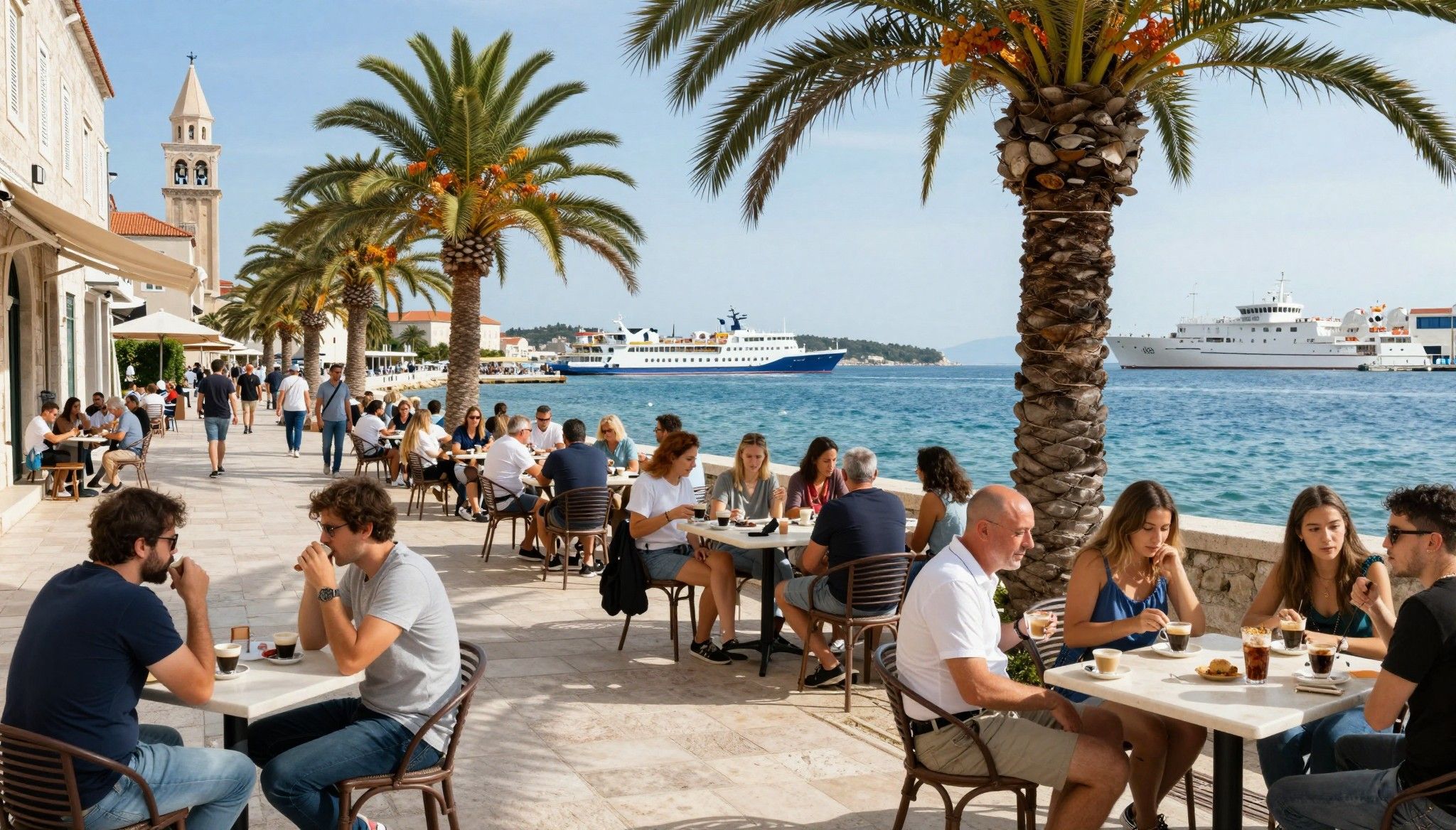
Imagine waking to the smell of strong espresso in Split’s Diocletian‑era alleyways, then stepping onto a balcony that looks over tiled roofs and a turquoise Adriatic. Croatia feels like a long, slow exhale — coastal summers pulsing with tourism, quiet continental winters, and towns where markets still set the daily rhythm. For international buyers the romance is real, but so are market cycles: prices per square metre have moved decisively in recent years, and yield logic looks different here than in northern Europe. This guide blends that lived‑in Croatia with the numbers international investors need to make level‑headed choices.
Living the Croatia lifestyle
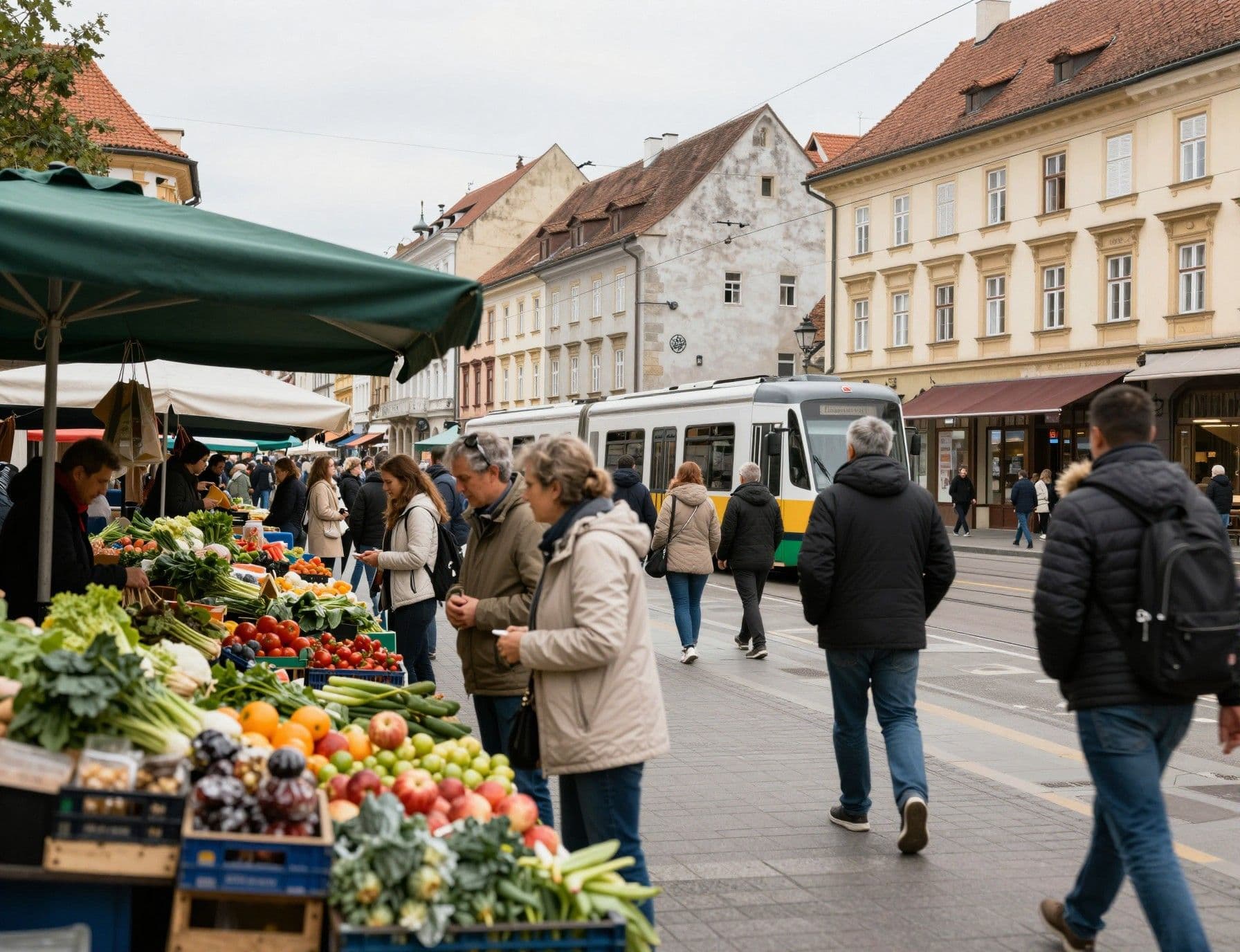
Day‑to‑day life in Croatia is spatially textured: Zagreb’s tramlined boulevards, Istria’s hilltop towns, and Dalmatia’s seafront promenades each deliver different tempos. Expect markets at dawn, long lunches in konobas, and neighbourhood cafés that double as community noticeboards. That rhythm matters as an investor because tenant demand, seasonality and the kind of tenant (student, year‑round professional, holiday let) follow these local cadences closely.
Zagreb, Split and Dubrovnik — three different beats
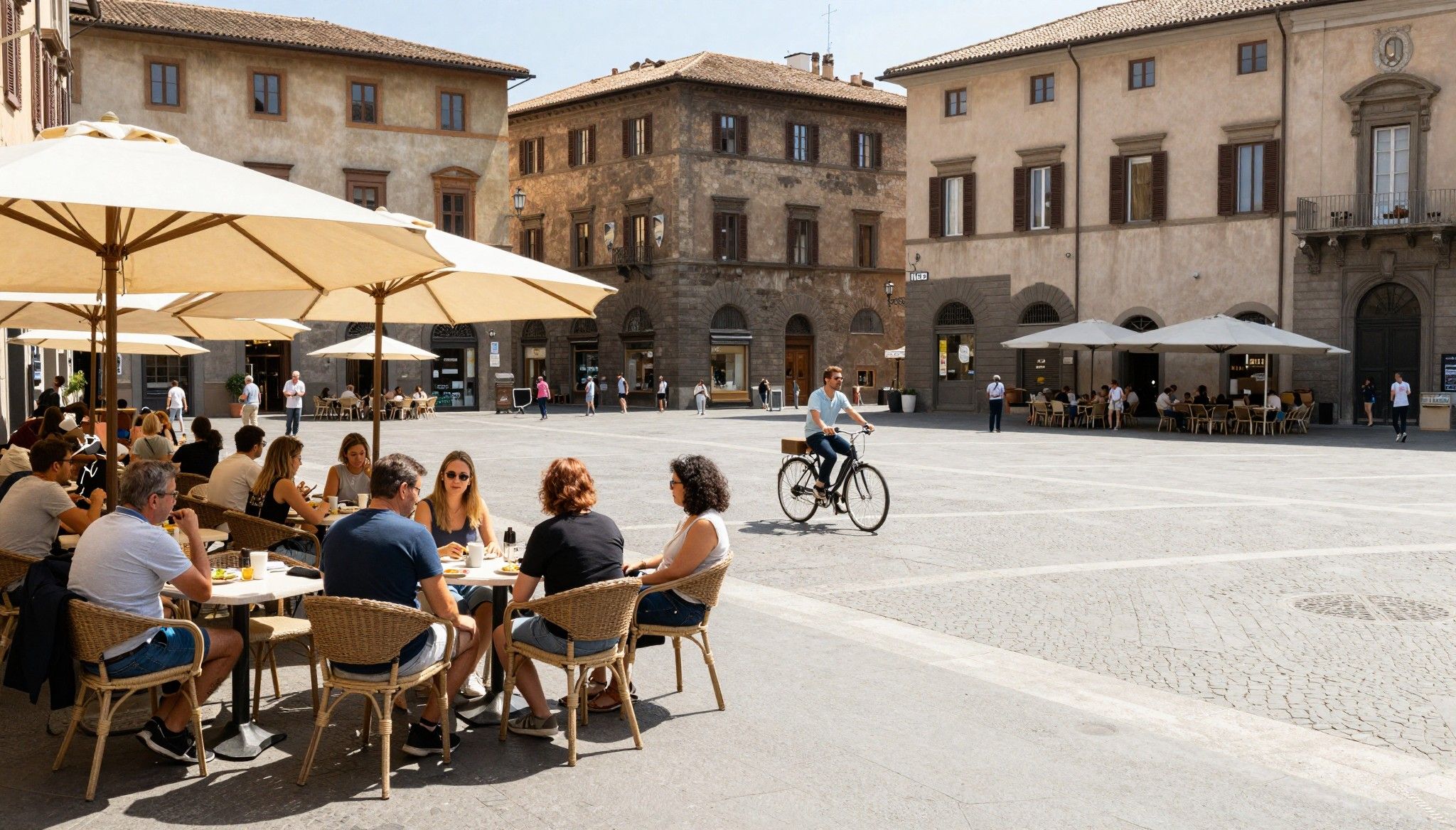
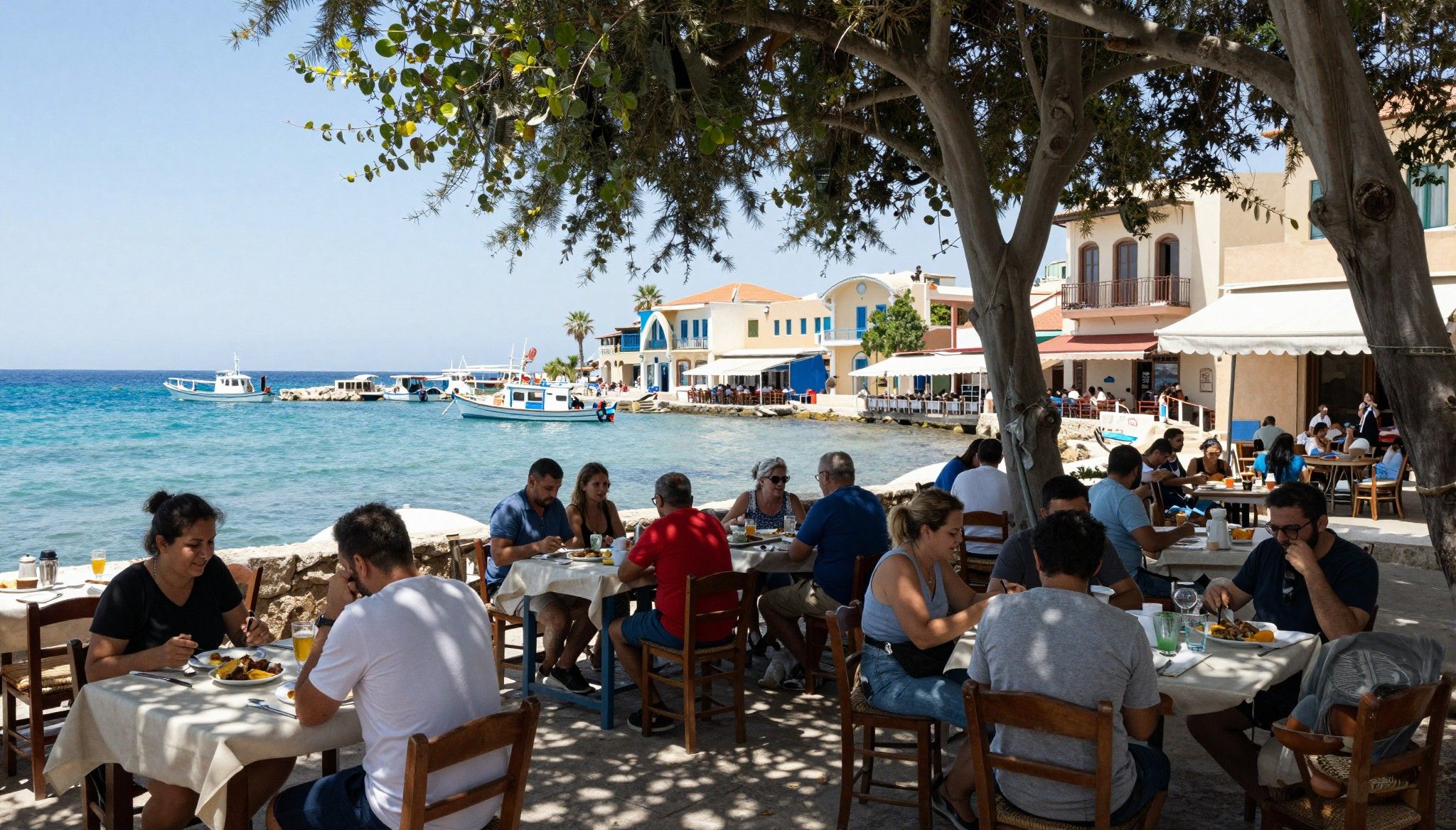
Zagreb trades like a capital: stable long‑term rental demand from students and professionals and year‑round economic activity. Split is a hybrid — strong tourist seasons but growing year‑round demand from remote workers. Dubrovnik is premium and heavily seasonal; yields can look attractive in headline summer months but fall when occupancy averages are annualised. Local microclimates and tenant profiles make each city a distinct investment product, not interchangeable addresses on a spreadsheet.
Food, markets and neighbourhood signals
A morning at Dolac market in Zagreb, a fish auction in Zadar or Istrian truffle fairs signal more than quality of life — they point to stable neighbourhood ecosystems. Areas with weekly markets, small grocers and local schools tend to retain long‑term renters and owner‑occupiers. Conversely, streets dominated by short‑let apartments can be volatile; the social fabric there shifts with each tourist season.
- Lifestyle highlights to watch when choosing a neighbourhood
- Weekly market (e.g., Dolac, Zagreb) — signals consistent local footfall and year‑round demand
- Ferry or airport connection — determines seasonal tourist pull and long‑term tenant accessibility
- Concentration of short‑lets — high summer income potential, higher vacancy risk in off‑season
- Local amenities (school, clinic, grocery) — correlate strongly with rental stability
Making the move: practical considerations

Prices in Croatia have risen materially: DZS reported average prices per square metre for new flats at roughly €2,377 in H1 2024, with Zagreb notably higher. That means entry costs can be elevated in core markets; shoehorning high purchase price into a yield model without adjusting for seasonality or vacancy will understate risk. Always convert headline nightly or monthly rental figures into annualised gross and net yields before you commit.
Property styles and how they affect yield
Stone‑built Dalmatian apartments command premiums for views but bring higher maintenance and seasonality. New builds in Zagreb offer predictable operating costs and steady long‑let appeal. Renovation projects inland can deliver higher yields if purchase prices are low and conversion to long‑term rentals is feasible. Match asset type to your strategy: short‑let tourists, mid‑term remote workers, or year‑round tenants each favour different property forms.
Working with local experts who know the rhythm
Use agents who show you both winter and summer comparables and can model occupancy rates across seasons. Lawyers should provide clear scenarios for ownership by non‑EU nationals, and tax advisors should stress test net yields after proposed property taxes or levies. A local property manager’s historical occupancy and maintenance records are often the single best predictor of future net yield.
- Steps to stress‑test yield before you buy
- 1. Annualise income: convert peak nightly or monthly rents into expected annual revenue using historical occupancy data.
- 2. Deduct realistic operating costs: maintenance, management fees, utilities, and a renovation reserve (5–15% of revenue).
- 3. Model vacancy: apply a seasonally adjusted vacancy rate (10–40% depending on location and asset).
- 4. Calculate net yield: net operating income divided by total purchase cost (including transfer taxes and documented fees).
Insider knowledge: red flags and contrarian opportunities
A clear red flag is buying on beachfront 'summer glamour' without accounting for winter vacancy and higher maintenance. Conversely, towns just inland from prime coastal strips often combine lower entry prices with improving connectivity and steady local demand — a contrarian sweet spot for yield‑focused buyers. Recent data show transactions slowing even as prices rose, suggesting buyer caution and pockets of opportunity for disciplined investors.
What expats wish they’d known
Many expats underestimate bureaucracy timelines and the impact of seasonality on cashflow. They also over‑pay for coastal charisma and forget that gross yields in Croatia typically sit in low‑single digits once conservative vacancy and costs are included. Gross headline yields of 4–6% in cities often compress to net yields nearer 2–4% after realistic assumptions, so capital appreciation becomes the larger component of total expected return.
Practical red flags to watch
- Unusually high advertised summer occupancy with no off‑season records
- Properties with repeated cosmetic fixes but no structural reports
- Agents or ads that refuse to show year‑round utility bills or past 12 months’ occupancy
- Areas with new local taxes or proposed levies that could reduce net returns (monitor local government announcements)
Conclusion: Croatia is a place you can fall in love with and still treat as an asset, but the spreadsheet must reflect local rhythms. Use seasonally adjusted yield models, prioritise proven local managers, and consider inland or peripheral coastal towns when headline coastal prices compress yields. If lifestyle is primary and yield secondary, weigh emotional premiums consciously; if yield is primary, seek contrarian pockets where connectivity and local demand outprice coastal glamour.
Dutch investment strategist who built a practice assisting 200+ Dutch clients find Spanish assets, with emphasis on cap rates and due diligence.