When Coastal Glamour Skews Yield: Croatia's Hidden Returns
Coastal charm has fuelled price growth, but seasonality, land rules and management costs reshape true yields—model conservative and peak scenarios before buying in Croatia.
Imagine waking up to pelicans wheeling over a stone quay in Split, buying oranges at Dolac market, then closing your laptop with a view of a terraced Adriatic roofscape — Croatia sells a life as much as a location. But for investors the question is sharper: does that life translate to reliable yield? Recent house‑price indices and market reports say prices have climbed fast along the coast and in Zagreb, and rental demand is highly seasonal. This guide pairs the lived, sensory Croatia with the data you need to size returns and risks before you buy.
Living the Croatia lifestyle
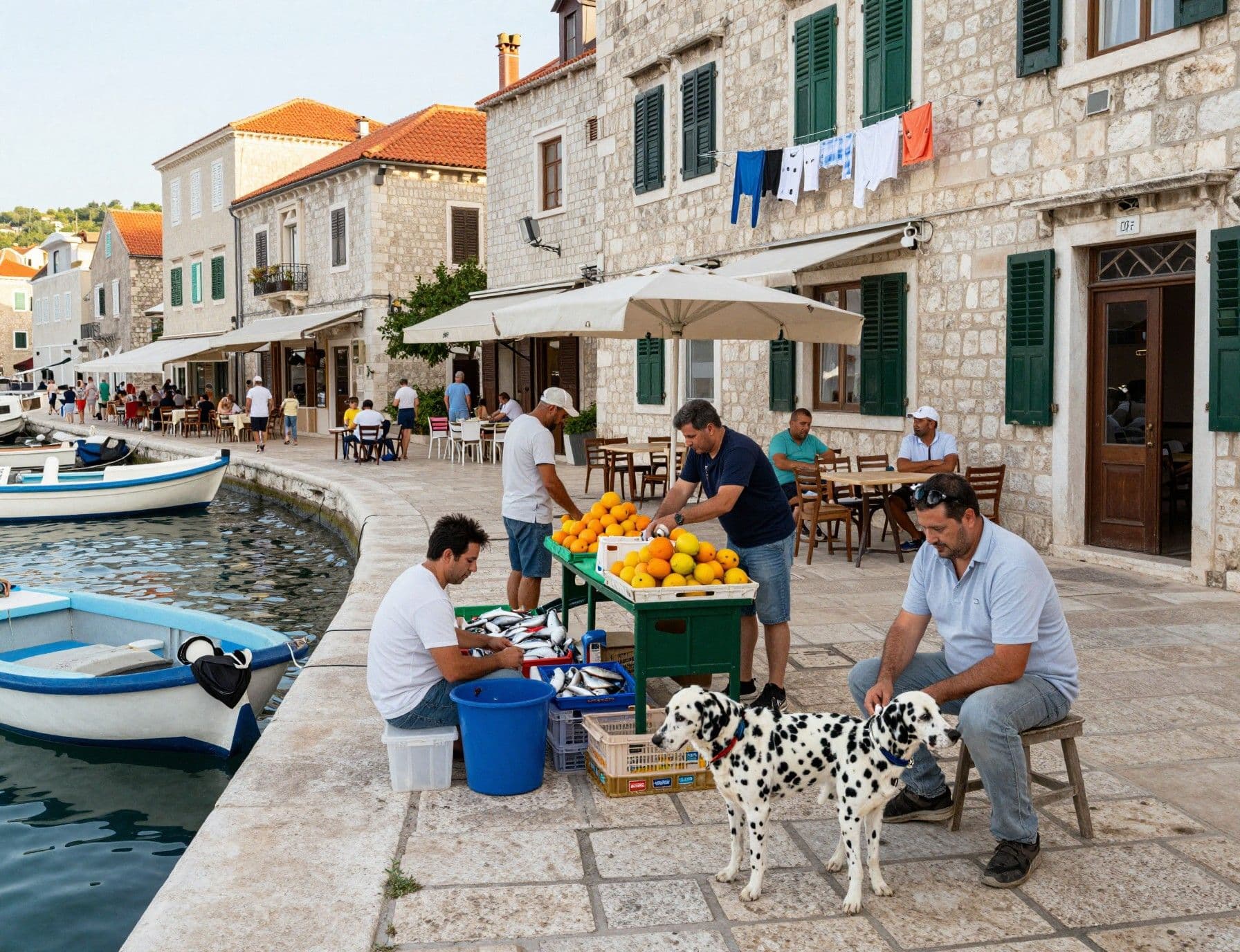
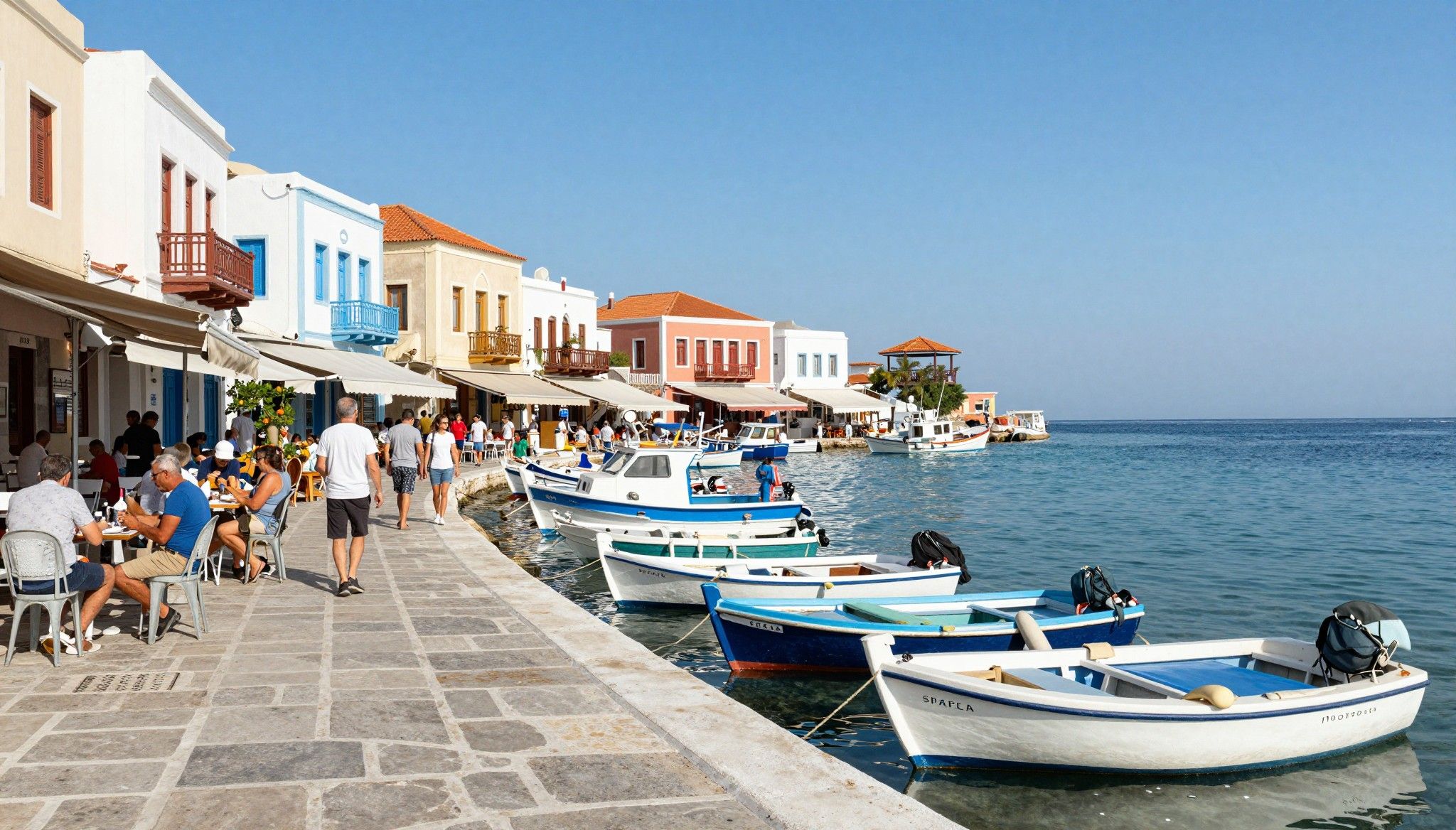
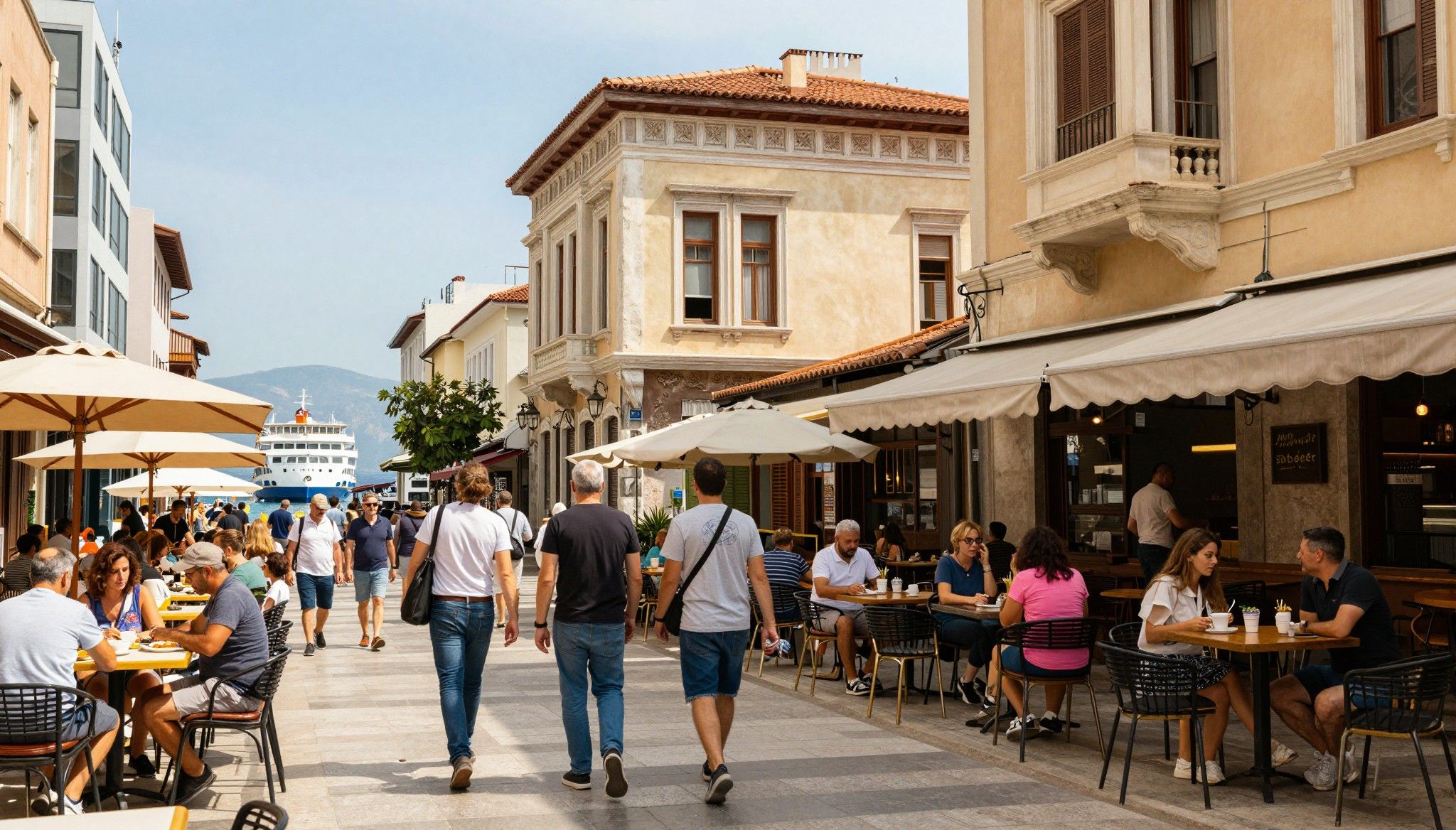
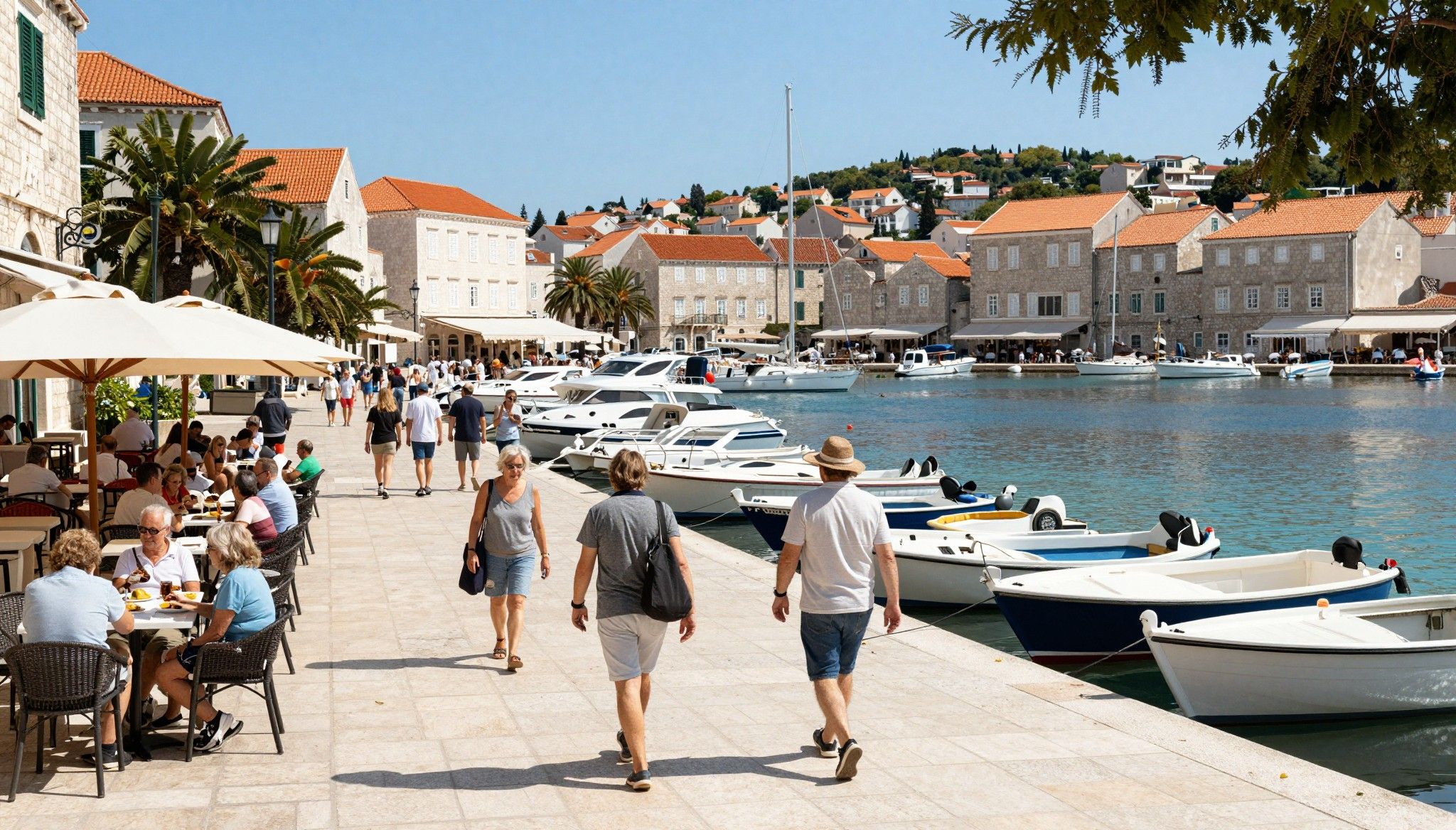
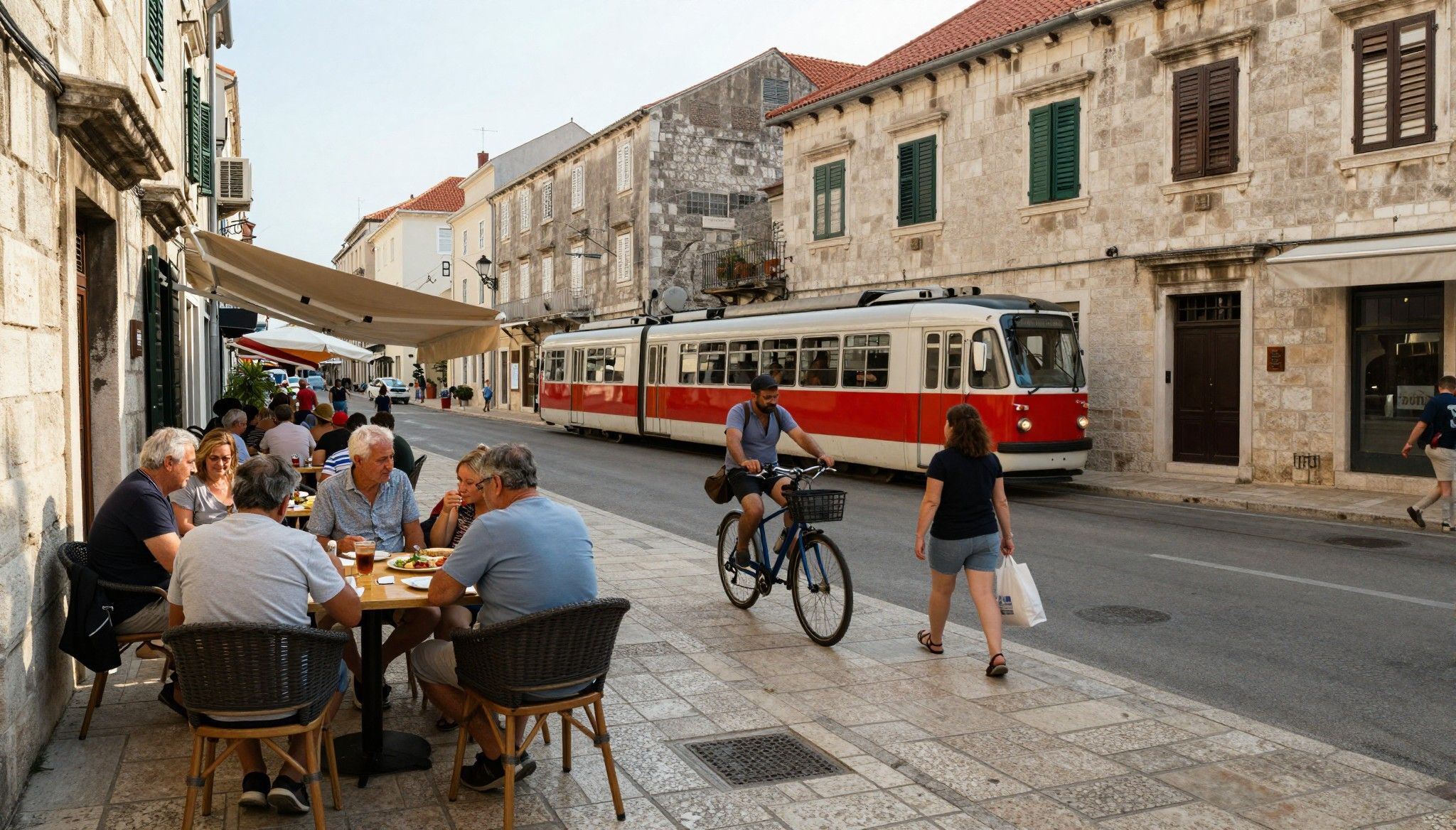
Mornings in Croatia move at espresso speed and afternoons at sea‑breeze pace. From Zagreb’s tram chatter to the pebble beaches and cafés of Hvar and Rovinj, life balances quiet neighbourhood rhythms with a tourism-driven summer pulse. Expect markets to fill with fresh fish and figs in summer, gallery openings in spring, and off‑season calm that reveals local life beneath the visitor gloss. Ask any long‑term resident: the coast is convivial but loud for three months, and quiet — in the best way — for the rest of the year. Prices reflect that duality: coastal and island assets command premiums during high season and attract short‑let demand, while inland and Zagreb markets show steadier occupancy.
Dalmatian coast: Split, Hvar, Dubrovnik — glamour with volatility
Split offers a middle ground: stone streets, a working port, and year‑round residents, while Hvar and Dubrovnik trade on high‑end tourism and higher nightly rates. Dubrovnik’s peak rents are exceptional but so is seasonality and regulatory scrutiny (cruise limits, short‑let pressures). Split’s asking prices climbed rapidly in recent years, but its rental profile is more balanced between tourists and local tenants.
Zagreb: urban permanence and steady yields
Zagreb behaves like a central‑European capital: year‑round demand from students and professionals, predictable rental contracts, and less extreme seasonality than the coast. Investors seeking stable gross yields and lower management overhead favour centrally located apartments near Vlaška, Donji Grad, and around the universities.
- Lifestyle highlights: Dolac market (Zagreb), Riva promenade (Split), Stari Grad plain (Hvar), Zlatni Rat day trips (Brač), Rovinj galleries and coffee culture.
Making the move: practical considerations that protect yield

The romance of coastal stone must meet paperwork. EU/EEA citizens enjoy essentially the same purchasing rights as Croatians; non‑EU buyers need Ministry consent and reciprocity checks. Land classification matters: you buy the land with the property and agricultural parcels carry restrictions. These legal realities affect liquidity and operating cost — key inputs when modelling net yields.
Property types and their investment logic
Three product tracks dominate: historic coastal apartments (short‑let power, high upkeep), new urban flats (Zagreb and city cores — stable letting), and villas/island properties (high seasonal revenue, higher management cost). Historic stone homes capture premium nightly rates but need careful capex budgeting for maintenance, insurance, and tourist‑season turnovers. Use price‑per‑m² and estimated occupancy to model two scenarios: conservative year‑round tenancy and high‑season short‑let, then stress‑test for vacancy and regulatory change.
Working with local experts who see both life and ledgers
- 1. Hire an attorney early — check land classification, title chains and tax exposure. 2. Use a local agency with short‑let management experience if relying on tourism income. 3. Insist on historical P&L for furnished short‑lets, not just headline nightly rates. 4. Build a 5–10% annual maintenance reserve for older stone properties and island logistics.
Insider knowledge: myths that misprice Croatian returns
Myth: "Coastal equals superior long‑term returns." Reality: coastal assets have delivered strong nominal appreciation but with higher seasonality, regulatory risk and management overhead — factors that compress net yields. Official indices show strong coastal price growth in recent years, yet average gross rental yields for Croatia sit in the low‑to‑mid 4% range in many datasets. Factor in service fees, property tax proposals and vacancy, and net yields can fall beneath investor targets.
What expats wish they’d known
Expats tell a common story: they fell for a sunlit terrace, underestimated utility and maintenance logistics on islands, and over‑weighted peak summer bookings. Successful buyers pivot: they balance a coastal asset with a Zagreb or inland property to stabilise cashflow, contract professional local managers, and keep a tight capex schedule.
- Red flags and practical checks: • Title unclear or land-coded as agricultural • Missing historical occupancy / over‑optimistic revenue projections • Properties dependent on cruise‑tourism footfall (Dubrovnik old town) • Lack of local manager or long supply chains for repairs • Proposed property tax changes or unclear municipal rules
Conclusion: marry the romance to the spreadsheet
Croatia offers a rare combination of Mediterranean lifestyle and demonstrable capital growth. For investors the task is to separate headline coastal glamour from sustainable income. Run dual scenarios (year‑round tenancy vs. high‑season short‑let), budget realistic operating costs, verify title and land use, and pair any coastal buy with a stabilising asset or management plan. If you want the life, buy with a spreadsheet that respects it.
Dutch investment strategist who built a practice assisting 200+ Dutch clients find Spanish assets, with emphasis on cap rates and due diligence.