Greece: Lifestyle Wins, Tax Rules That Reprice Yield
Greece offers vivid lifestyle gains but recent 2024–2026 tax and Golden Visa reforms materially change yield math; model VAT vs transfer tax and seasonality first.
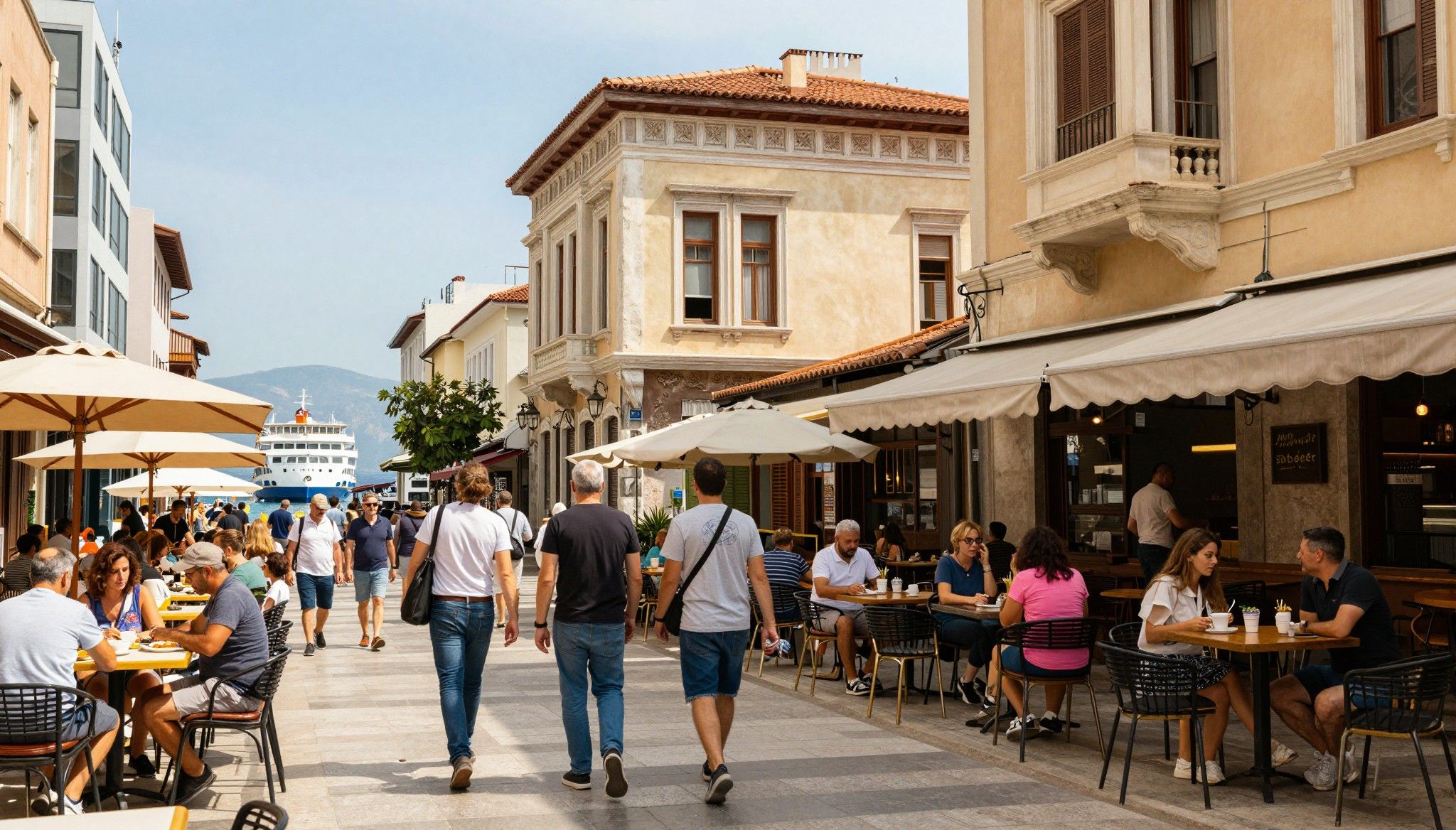
Imagine walking the central market in Athens at 10am — citrus stalls, a barista calling out names on Ermou, and the sea-scented breeze from the Piraeus ferry terminal. Greece feels lived-in: narrow streets where cafes spill onto pavements, neighbourhoods that pulse with decades of routines, and islands that slow the clock to seaside rhythm. That lived reality shapes what kind of property makes sense (and how a spreadsheet must account for seasonality, tourist demand and new tax rules).
Living the Greek life — what you'll actually do

Morning espresso on a small balcony in Koukaki, a walk past Byzantine churches and kebab joints, an evening fish dinner in Piraiki — Greek daily life mixes public sociability with small private rituals. For international buyers this is important: neighbourhoods define tenant profiles (students in Exarchia, families in Chalandri, seasonal renters in Mykonos). Policy changes since 2023 have also altered who moves here and when, shifting rental demand in predictable pockets.
Athens neighbourhoods: contrasts within walking distance
Koukaki and Petralona trade tranquilo residential streets for short walks to the Acropolis; Psyri and Monastiraki lean tourist-heavy by day and lively by night. Price per square metre and yield expectations swing sharply between these pockets: inner-Athens renovation apartments attract long-term tenants and remote workers, while central tourist nodes produce high short-stay rates but face regulatory risk if short-let rules tighten.
Island life: seasonal highs and steady secrets
Santorini and Mykonos are headline markets — sky-high summer ADRs (average daily rates) but compressed occupancy outside June–September. Contrast that with islands like Naxos or Ikaria where year-round communities and modest tourist flows produce steadier rental yields and lower entry prices. For buyers craving island pace without headline price volatility, look beyond postcard towns.
- Local lifestyle highlights: coffee culture at Little Kook (Psyrri), morning fish markets at Varvakios, Sunday walks along Vouliagmeni seawalk, late-night plate sharing in Exarchia, ferry breakfasts in Piraeus harbour, olive-harvest weekends in the Peloponnese.
Making the move: practical considerations that protect yield

Dreams meet contracts at the notary. Greece's buying process is straightforward in stages — reservation, due diligence, notary transfer and registration — but recent legal and tax updates mean the line items on your cashflow model have changed. Transfer tax, VAT on new builds and the unified property code (Law 5219/2025) influence headline returns and holding costs; plug current rates into your spreadsheet before you bid.
Property types and what they deliver to lifestyle + yield
Historic flats in central Athens often need renovation but rent well to professionals and students; new-build apartments carry 24% VAT unless a suspension applies and thus require different pricing logic. Detached island villas command premium seasonal rents but higher maintenance and vacancy risk. Match property type to tenant profile and be explicit about renovation schedules and insurance expectations when modelling net yield.
Working with Greek experts who preserve lifestyle value
- 1) Hire a Greek notary and a bilingual lawyer to confirm title, zoning and outstanding debts. 2) Ask your agent for local rental comparables by month, not annualised averages. 3) Confirm VAT vs transfer-tax status before signing a pre-contract. 4) Obtain an ENFIA estimate (annual property tax) and factor it into operating costs. 5) Build a 12–18 month vacancy allowance for island properties.
Insider knowledge: tax myths, Golden Visa realities and what expats wish they'd known
Myth: 'Golden Visa equals guaranteed capital appreciation.' Reality: the programme attracts mobility-focused buyers; price uplift has concentrated in headline islands and prime Athens neighbourhoods. Since 2023 the programme's thresholds rose (notably the €800,000 tier for many areas), which cooled some speculative buying but left tactical opportunities in sub‑€400k markets and renovation projects for buyers who prioritise yield over residency alone.
Cultural integration, language and daily life realities
Expats settle fastest when they join local routines: a regular café, the same bakery, volunteering at a taverna festival. Learning conversational Greek accelerates trust and landlord-tenant relationships — crucial when managing remote rentals. Expect bureaucracy to be slower than northern Europe, but also more personal: a friendly relationship with your local tax office or municipality can materially reduce friction.
Long-term picture: inheritance, consolidation and holding cost evolution
- Key legal/tax realities: inheritance tax rules were consolidated under the 2025 Property Tax Code; capital gains taxation on property transfers remains suspended until 31 Dec 2026 in several provisions; double tax treaties cover many investor domiciles — confirm treaty benefits before repatriating rental income.
Conclusion: Greece sells a life — sunlit markets, close-knit streets and island tempo — but returns are created in the details. Treat lifestyle as the win-condition and tax/regulatory clarity as the guardrails: model VAT vs transfer tax, include ENFIA and maintenance, allow for seasonality, and hire local legal and tax specialists. Start with a short list of neighbourhoods that match the tenant profile you can manage remotely, then test-market with a 12‑month rental pilot before scaling.
Norwegian market analyst who relocated from Oslo to Mallorca in 2016, guiding Northern buyers through regulatory risk, currency hedging, and rentability.