Greece: How Lifestyle Rhythms Reprice Property Returns
How Greece’s lifestyle rhythms—markets, terraces and seasonality—reshuffle yield assumptions; practical steps, regulatory sources and city/island tradeoffs for buyers.
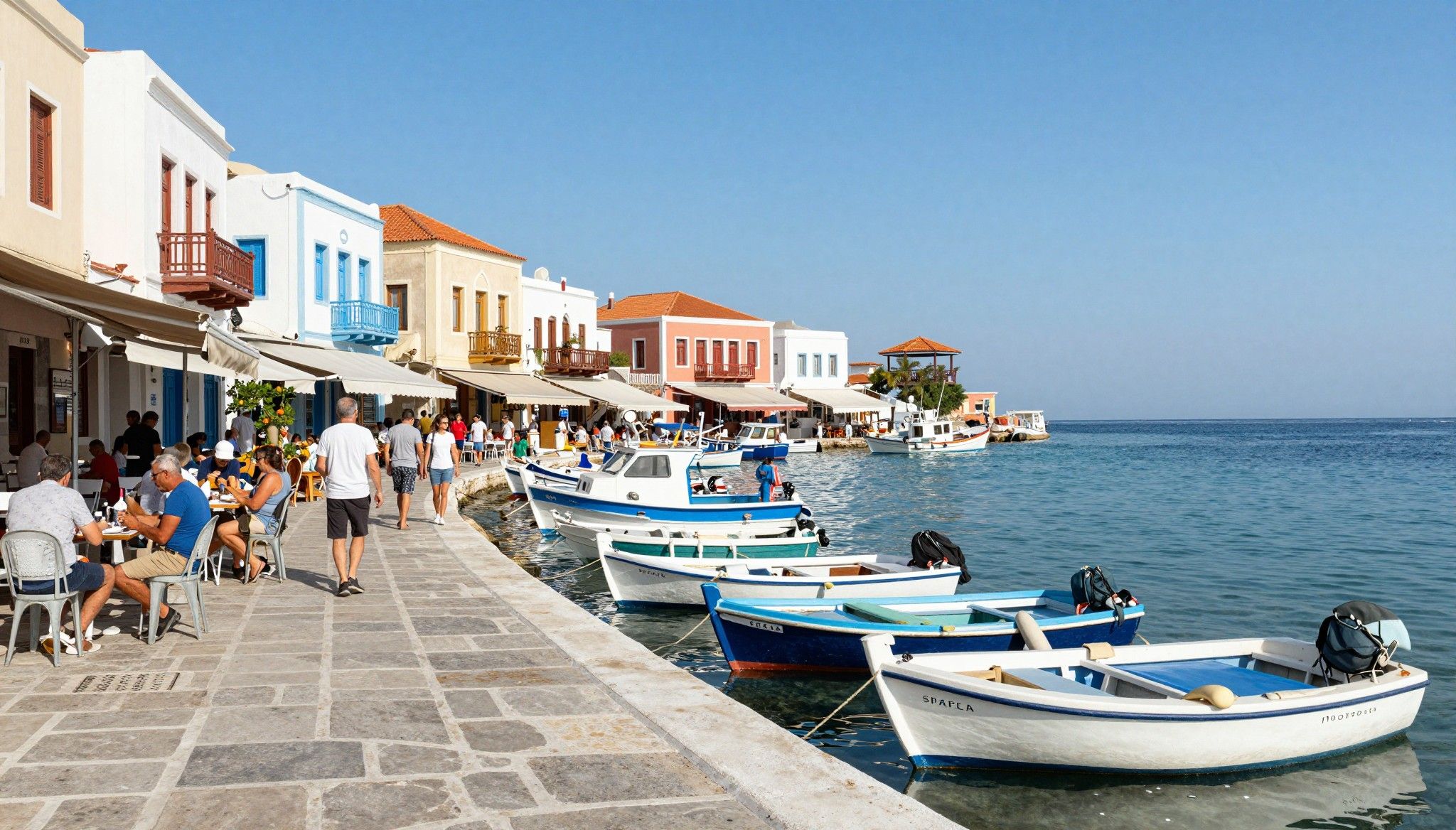
Imagine sipping an espresso on a shaded table in Plaka, then walking five minutes to a neoclassical apartment where summer light floods tall windows. Greece's rhythm—late mornings, long lunches, and markets that close when the sun sets—shapes how properties are used, rented and maintained. For international buyers, that rhythm is not just culture: it changes yield profiles, tenant seasonality and the types of properties that actually perform. This piece pairs those lived moments with the regulatory realities you need to decide where and how to invest.
Living the Greece lifestyle
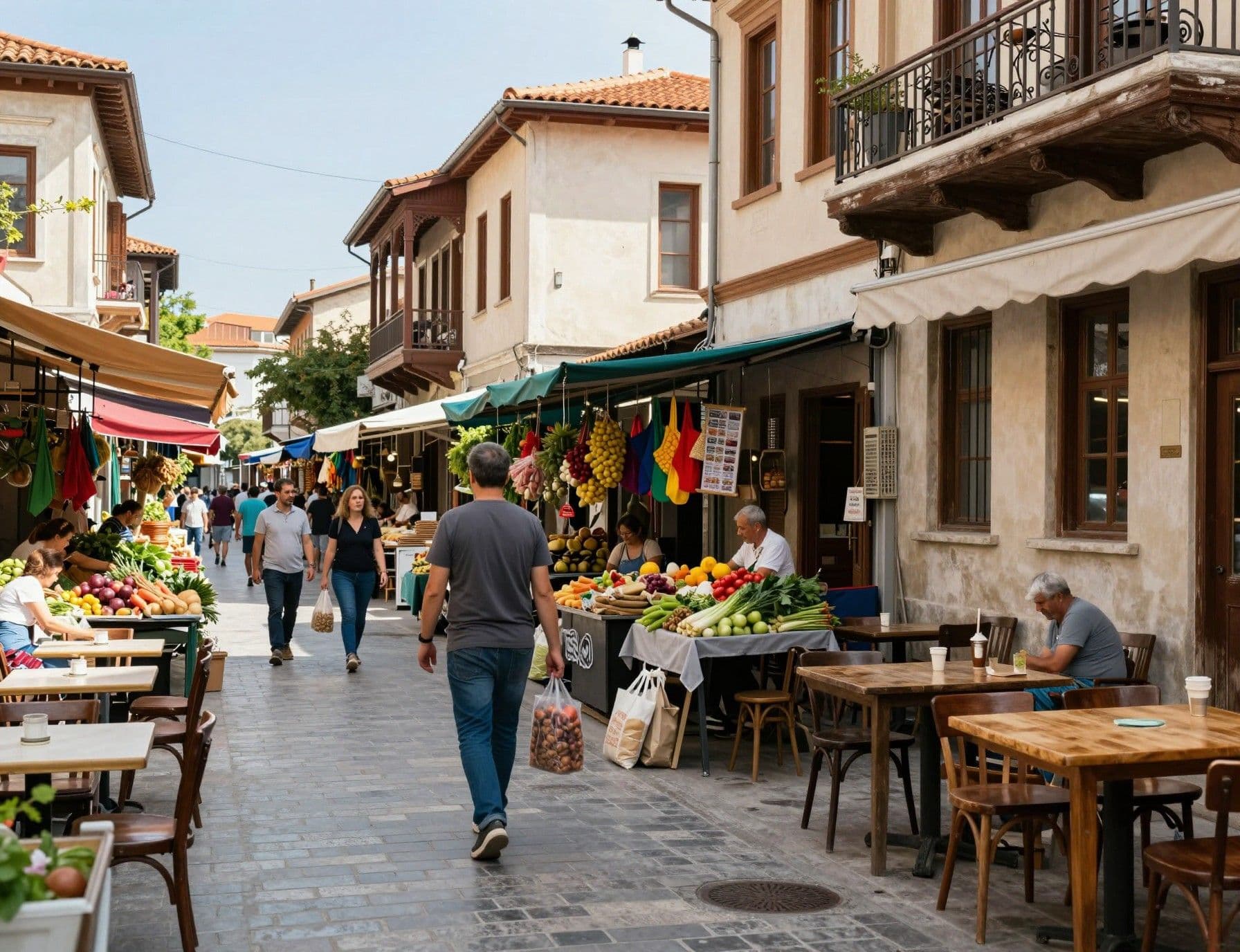
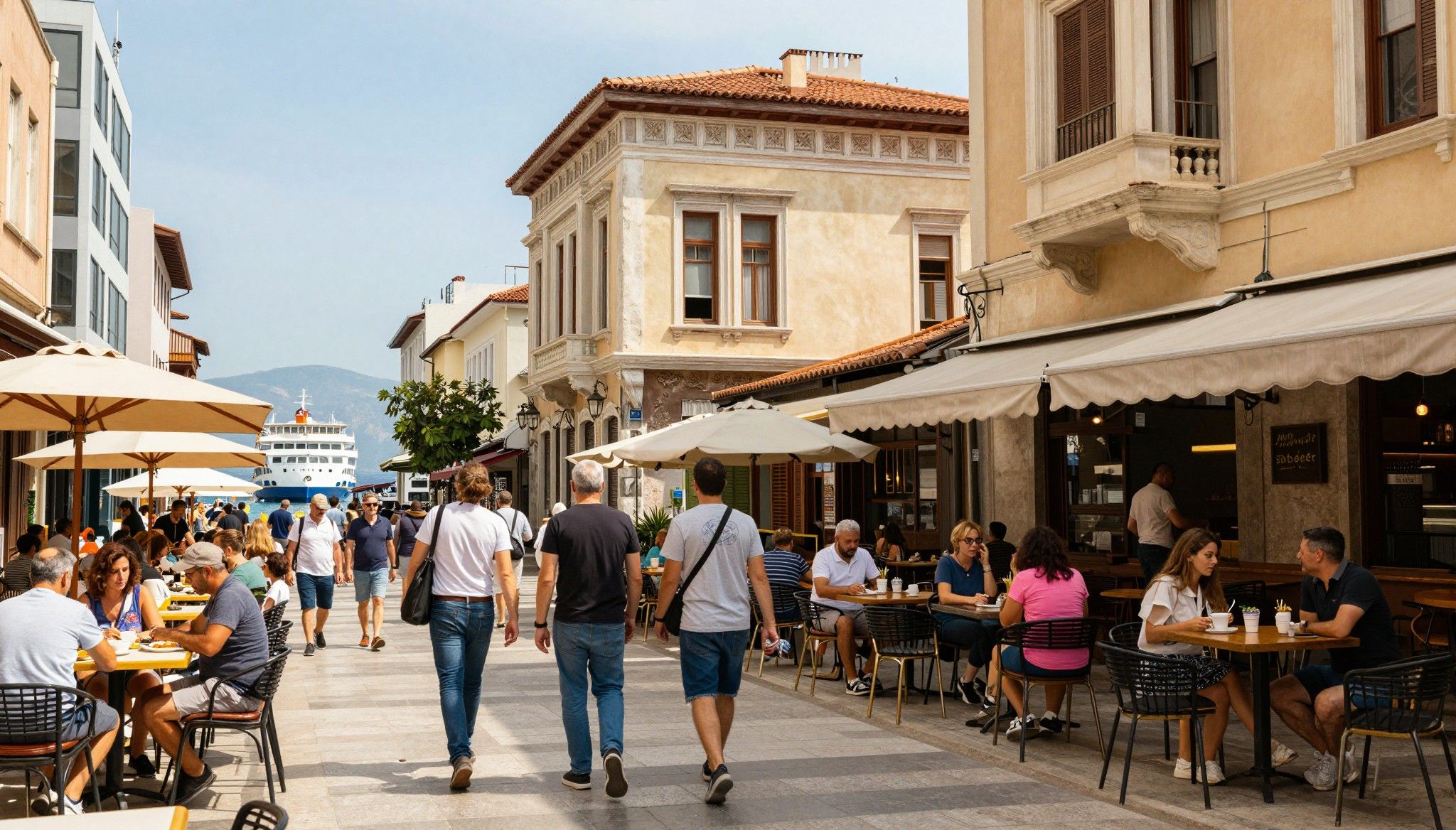
Greece feels like a collection of small worlds: Athens' tight streets and cafes, Mykonos' sun-drenched terraces, Crete's slow coastal villages. Daily life centers on outdoor sociability—neighbourhood kafeneia, open markets, and waterfront tavernas—so terraces, balconies and courtyards matter more than square footage alone. That affects what tenants want and where short- or long-term rents will hold value, especially in island markets that swing with tourism cycles.
Athens neighbourhoods: historical core vs. new pockets
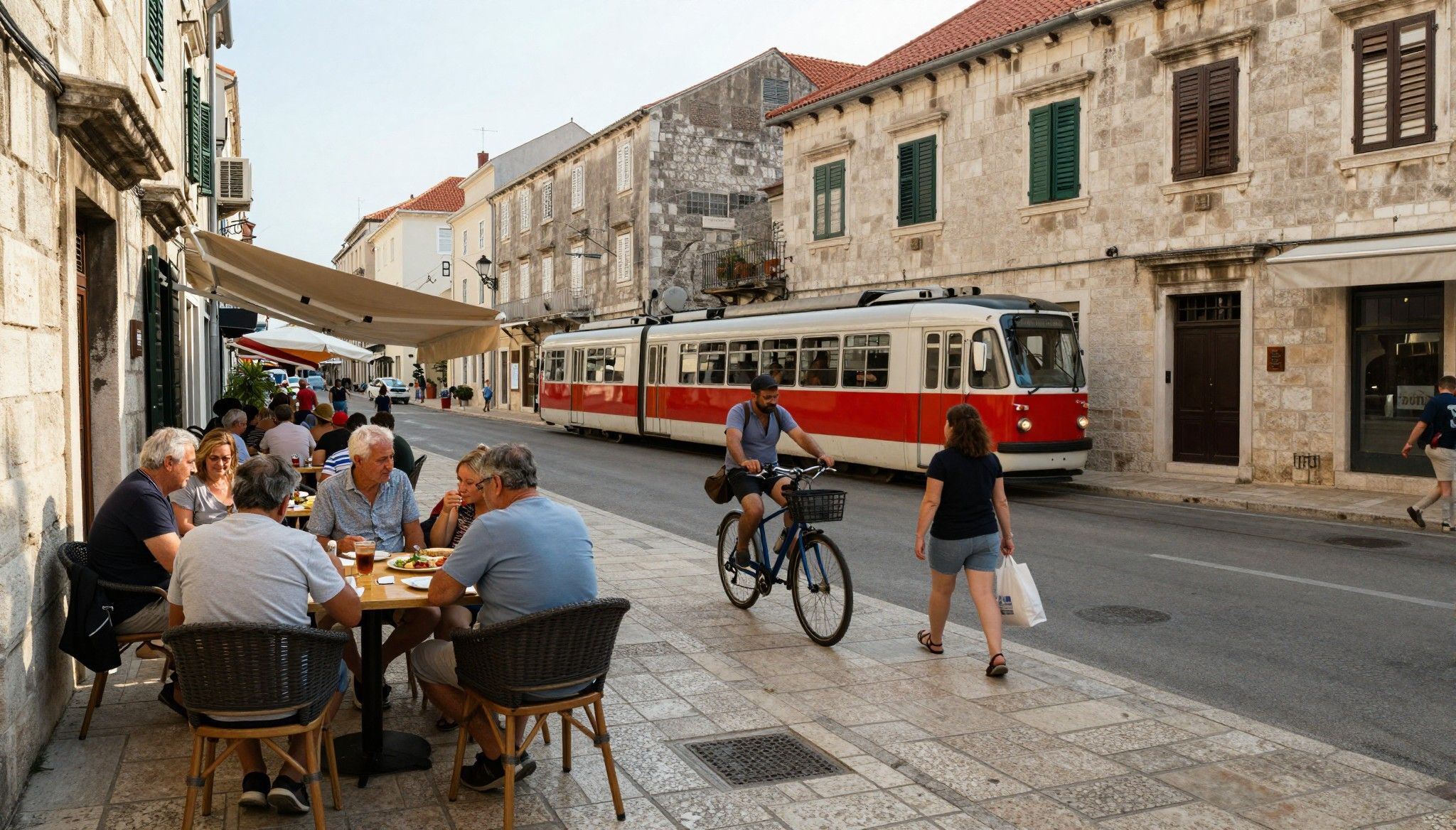
In Athens, Plaka and Anafiotika sell the dream but command limited rental yield due to tourist-saturated stock and preservation rules. Koukaki and Kallithea deliver a balance: cafes on Kallisperi Street, renovated apartments on Virometrou, and steady long-term tenants from universities and offices. For buyers who want daily life—neighbourhood markets, tram access, and working cafés—these areas outperform headline 'view' purchases when you stress-test net yield.
Islands and coastal towns: seasonality as feature and risk
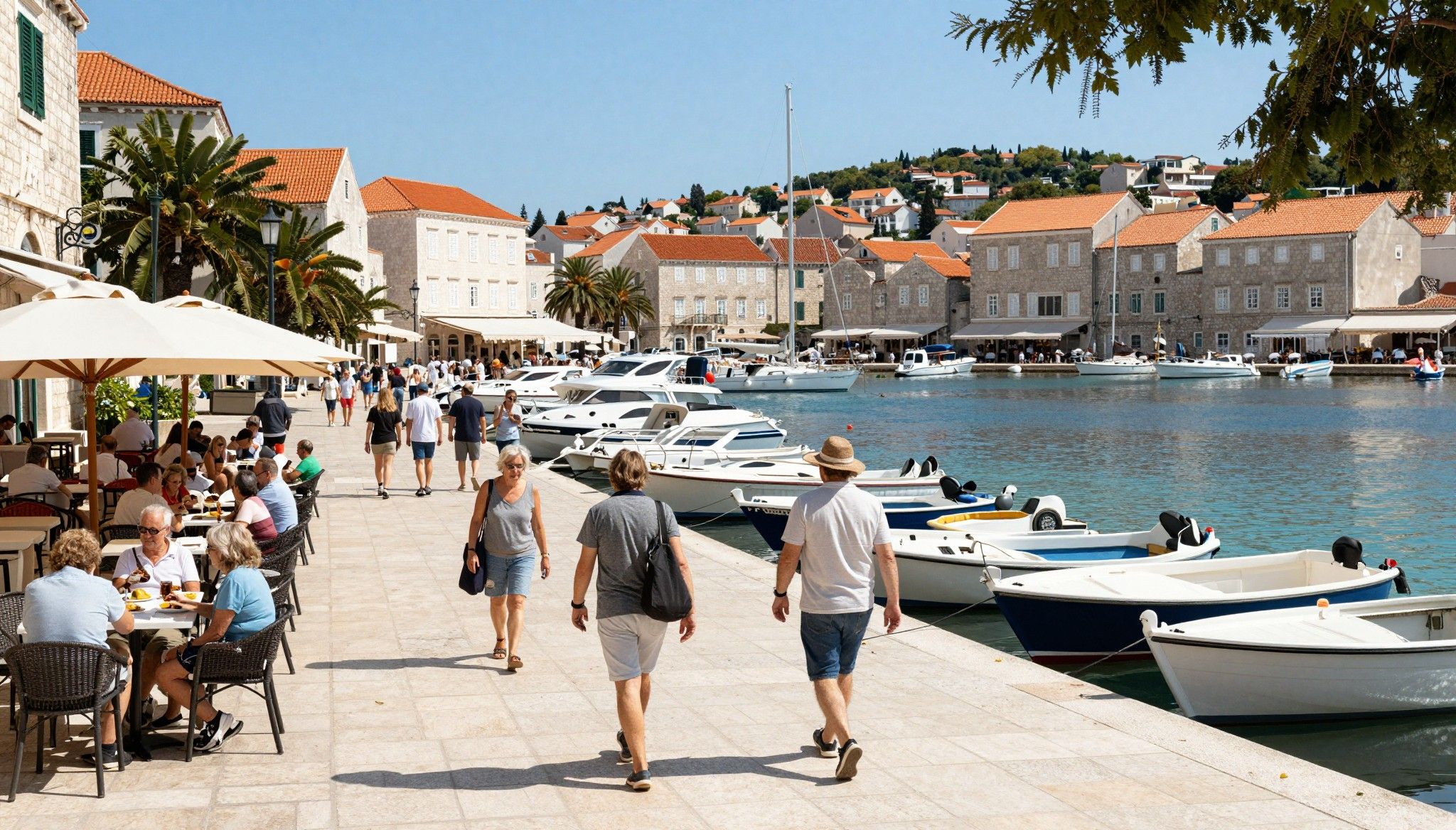
Island markets (e.g., Santorini, Mykonos, parts of Crete) offer high headline rates in peak months but can fall silent off-season. That seasonality raises operating costs—heating, maintenance, security—and increases reliance on short-term rental platforms. Smart buyers treat seasonality as a portfolio risk: buy properties that can attract both tourists and shoulder-season long-term lets, or plan for vacancy reserves.
- Lifestyle highlights to value when choosing neighbourhoods: Morning market at Varvakios (Athens); evening fish tavernas on Naxos' harbour; Koukaki’s café strip for year‑round tenants; seaside promenades in Chania; Athenian metro access around Syntagma for commuter demand.
Making the move: practical considerations
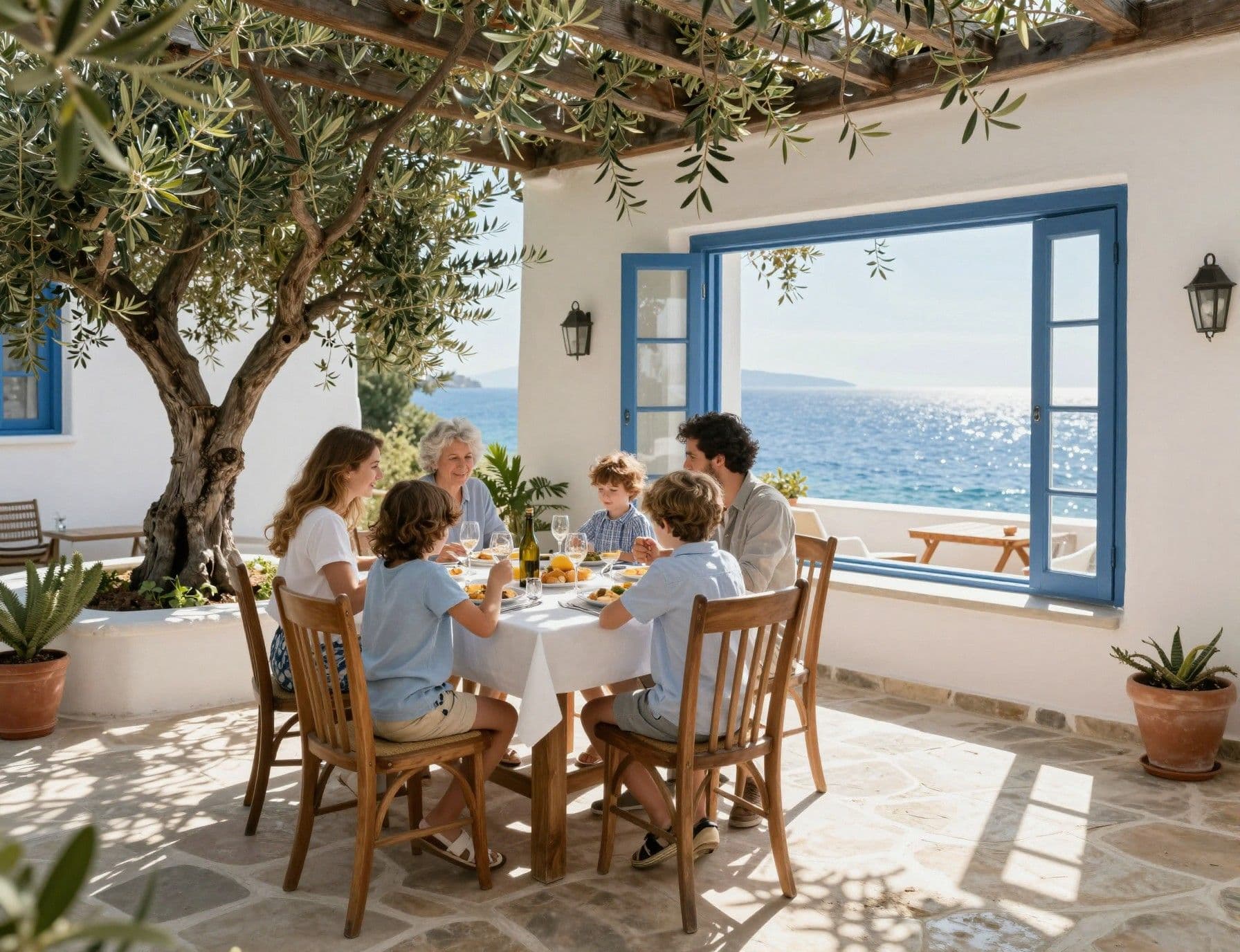
The romantic part of buying fades fast when you meet paperwork. Foreign buyers can purchase in most of Greece, but you must register for a tax identification number (AFM), check border-zone restrictions, and confirm permitted uses with local planning offices. Greek tax guidance clarifies how rental income for non-residents is taxed, and the online transfer infrastructure on gov.gr speeds registration—but the real value is local counsel who translate rules into cash flow assumptions.
Property types and their investment logic
Stone-built island houses require different maintenance budgets than modern Athens apartments, and that changes net yield calculations. New-builds in Attica offer lower capex and easier management for long-term lets; beach-front restorations can yield premium peak-season rates but demand higher upkeep and insurance. Use price‑per‑m2 and expected operating expenses to compare real options rather than pictures alone.
Working with local experts who know the lifestyle
Choose agents and lawyers who know municipal quirks—heritage restrictions in island centuries-old quarters, coastal setback rules, and short‑term rental permitting. Agencies that show both tenant demand data and neighborhood rhythms (market days, ferry timetables, hospital access) save you time and money. Think of them as translators: they convert 'island life' into line items on your spreadsheet.
- Practical steps that blend lifestyle and financial sense: 1) Get an AFM and local bank account before bidding so offers are credible. 2) Commission a structural and electrical survey that prices maintenance for island humidity. 3) Model gross yield and then subtract realistic vacancy and seasonality costs. 4) Confirm permission for short‑term letting where you plan to operate. 5) Budget for property management if you won’t be resident year‑round.
Insider knowledge: what expats wish they’d known
Expats often underestimate three things: bureaucratic timing (notary and tax clearances can add weeks), the maintenance reality of older masonry buildings, and how quickly tenant profiles change post-pandemic. Residential prices have been rising in recent years, backed by official indices, so historical yields may compress if price appreciation outpaces rent growth. That means you should stress-test returns under multiple price and rent scenarios.
Cultural integration and daily life logistics
Learning basic Greek opens neighbourhood doors—markets, municipal procedures and even better maintenance contractors. Weekends shift to family gatherings and coastal escapes, so properties close to ferry lines and regional airports maintain liquidity. For families, proximity to international schools in Glyfada or Chalandri matters; for remote workers, reliable fibre and cafés that stay open past 6pm matter more than sea views.
If your plan leaned on residency-by-investment, note that the Golden Visa rules have shifted; thresholds and conditions changed recently and can alter the economics of a purchase meant primarily to obtain residency. Treat immigration incentives as secondary—confirm current thresholds and transitional measures with legal counsel—then run returns assuming no residency premium.
- Red flags and reality checks: • Properties in defence/border zones require Ministry approval—avoid surprises. • Low asking price on islands often signals unseen structural or access issues. • Relying on peak-season income without reserve funds risks negative cashflow in winter. • Heritage-listed façades may block simple renovations, increasing capex and timeline.
Conclusion: Greece sells a life as much as it sells property, and the best investments match both. Treat seaside terraces, market proximity and ferry timetables as yield drivers, not just lifestyle perks. Start with local tax and title checks, model returns under conservative seasonality assumptions, and engage agents who quantify neighbourhood rhythms. If you love the sound of plates at a taverna and the market's weekday bustle, put those details on your spreadsheet—then let local experts translate them into secure ownership.
Danish relocation specialist who moved to Cyprus in 2018, helping Nordic clients diversify with rental yields and residency considerations.