Buy the Commute: How Italy’s Mobility Makes Lifestyle Pay
Italy’s lifestyle sells the dream; connectivity and transport upgrades determine rental demand and yields—map 30–60 minute catchments to convert romance into returns.
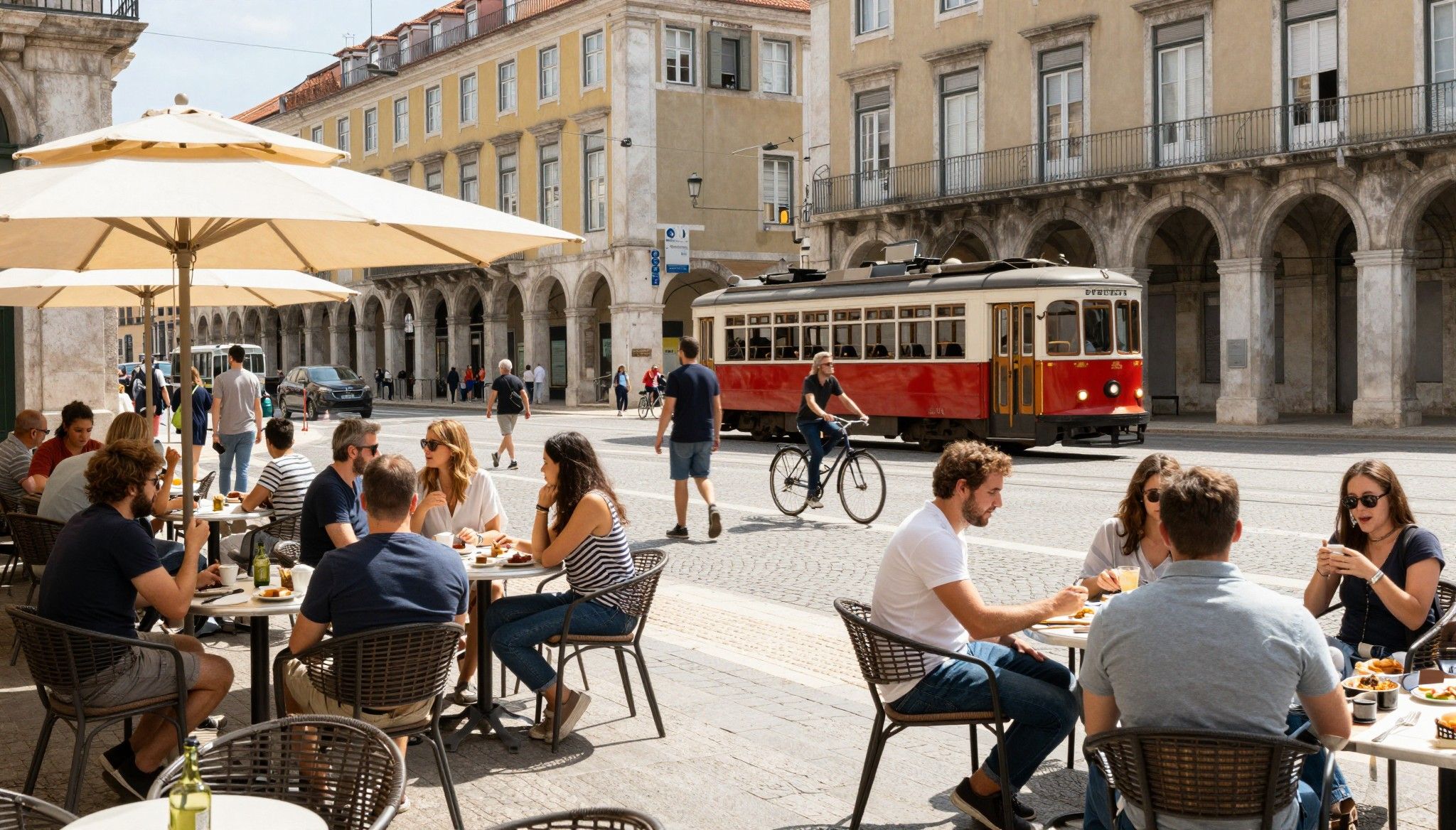
Imagine stepping out at 08:30 to a café on Via dei Coronari in Rome, the smell of fresh coffee mixing with warm stone and the distant clack of a commuter train—this is Italy’s daily rhythm: slow rituals threaded through fast connections. For international buyers, that tension between timeless lifestyle and modern mobility is the investment story few cover well.
Living the Italy lifestyle
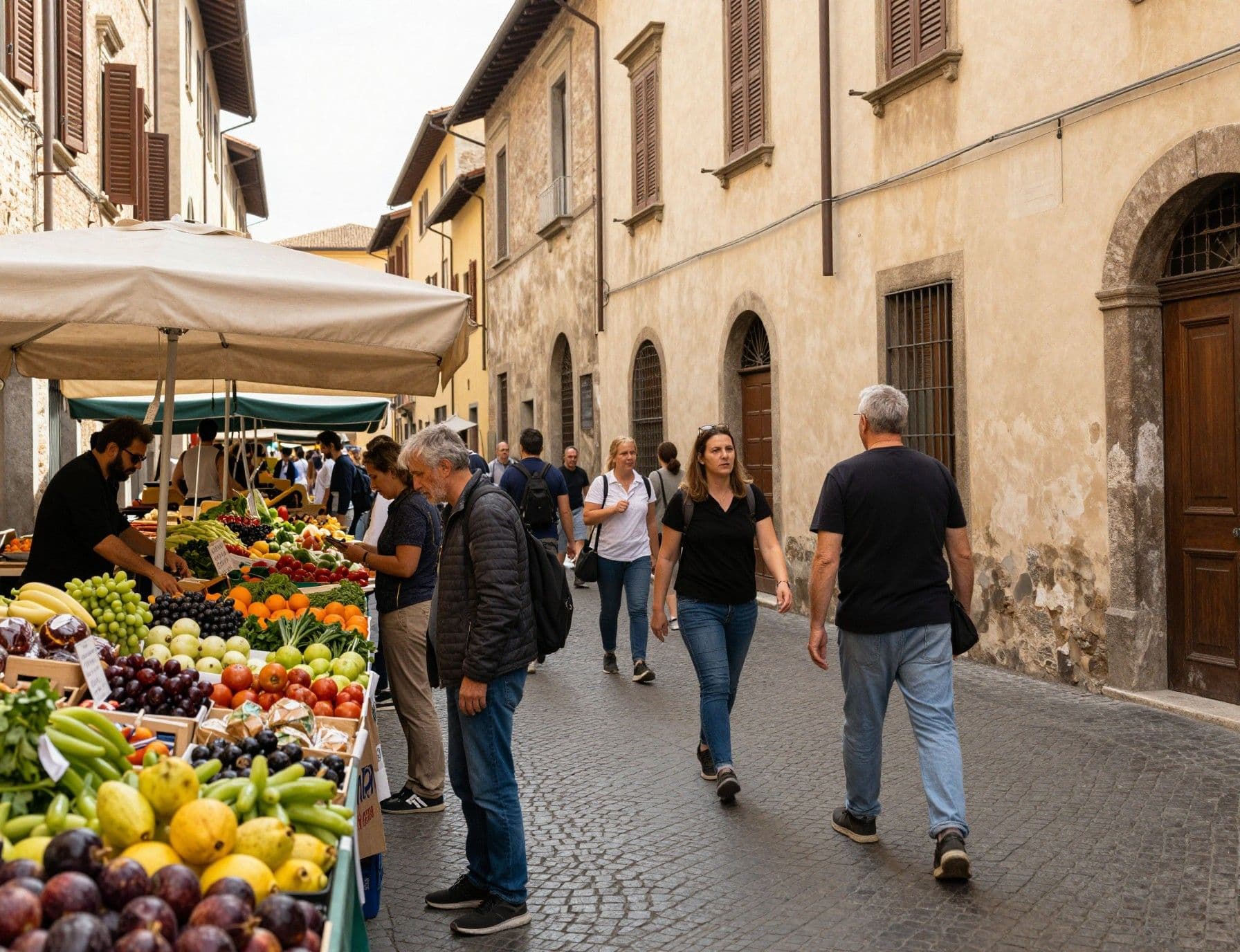
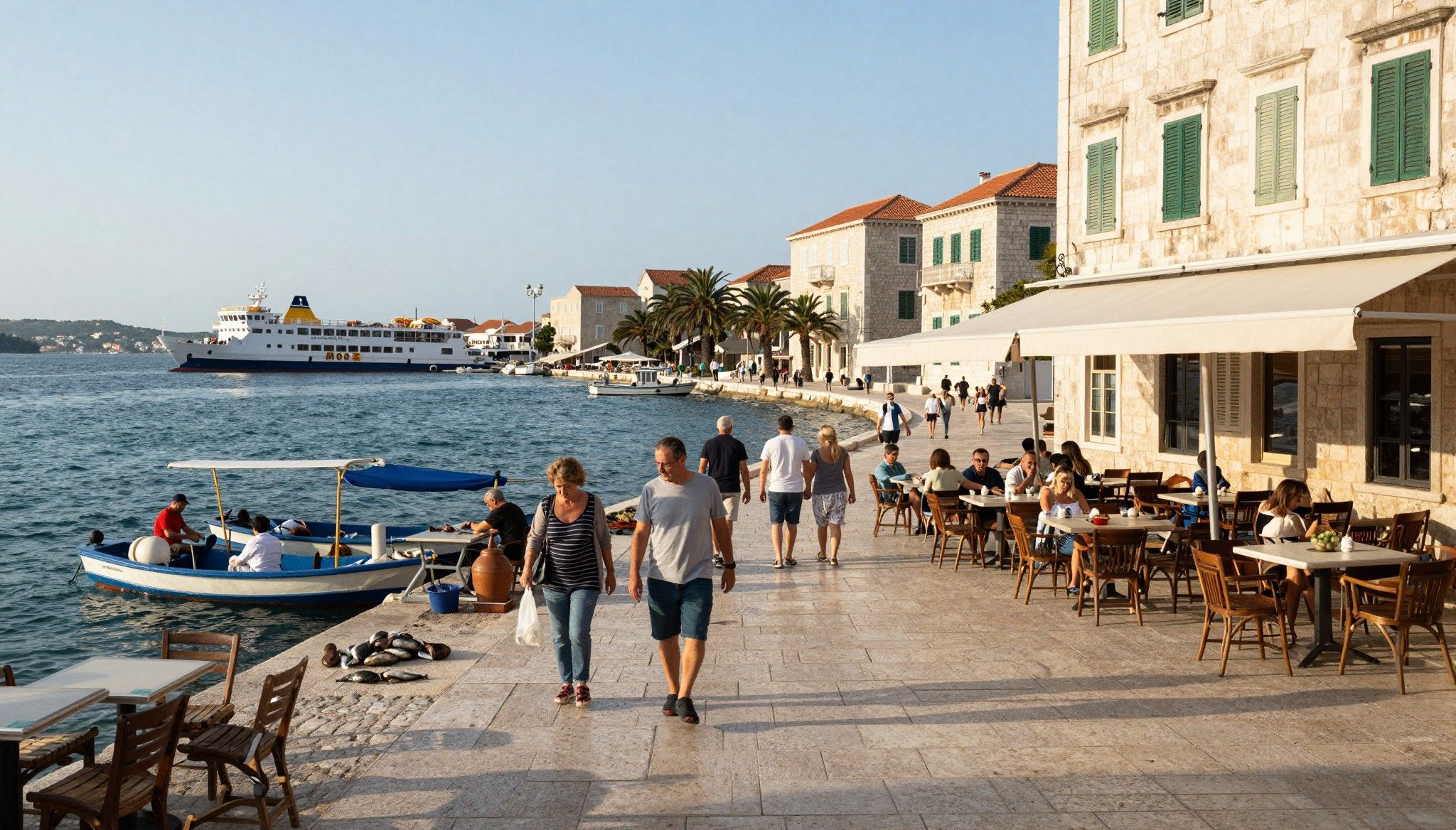
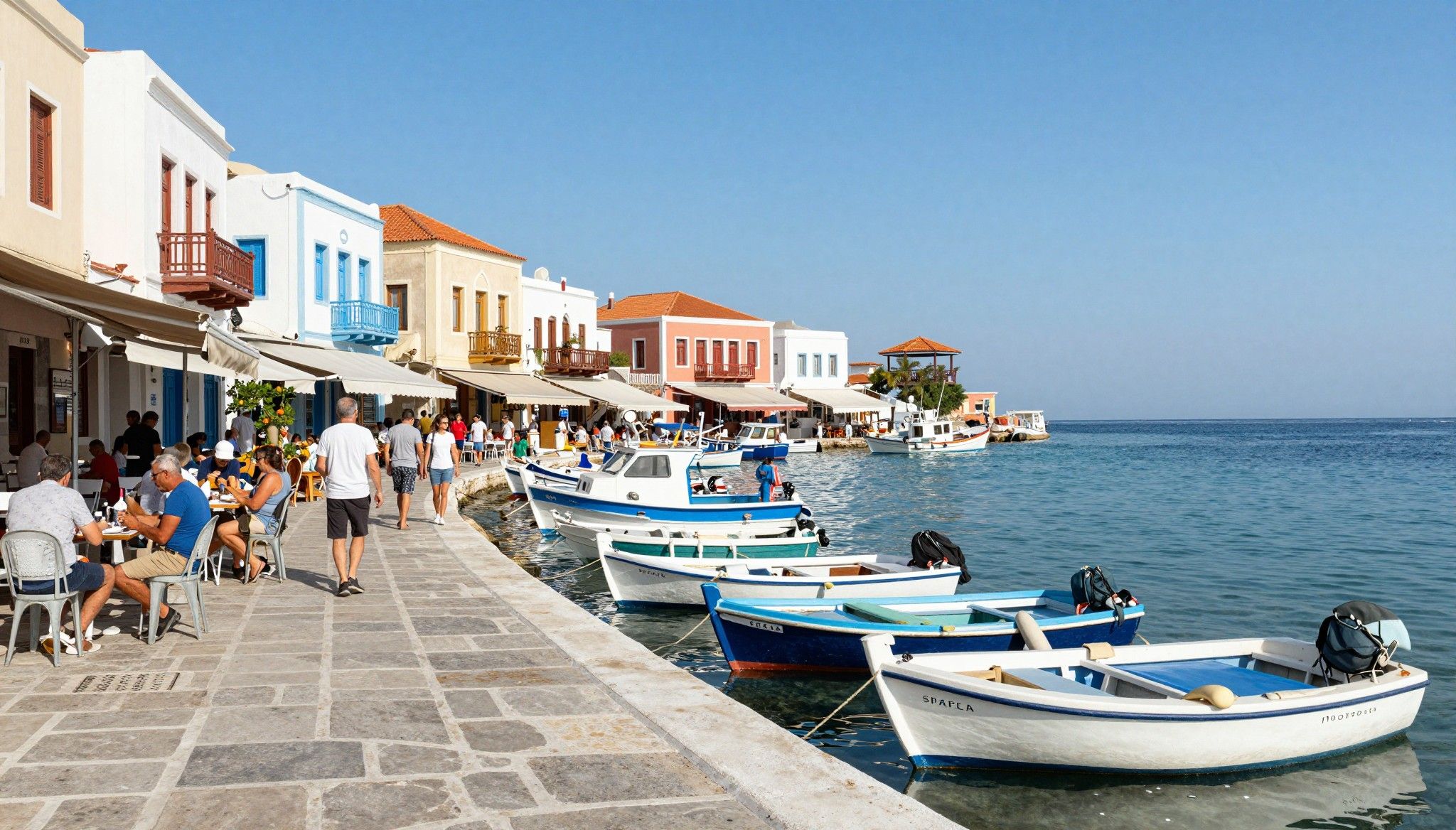
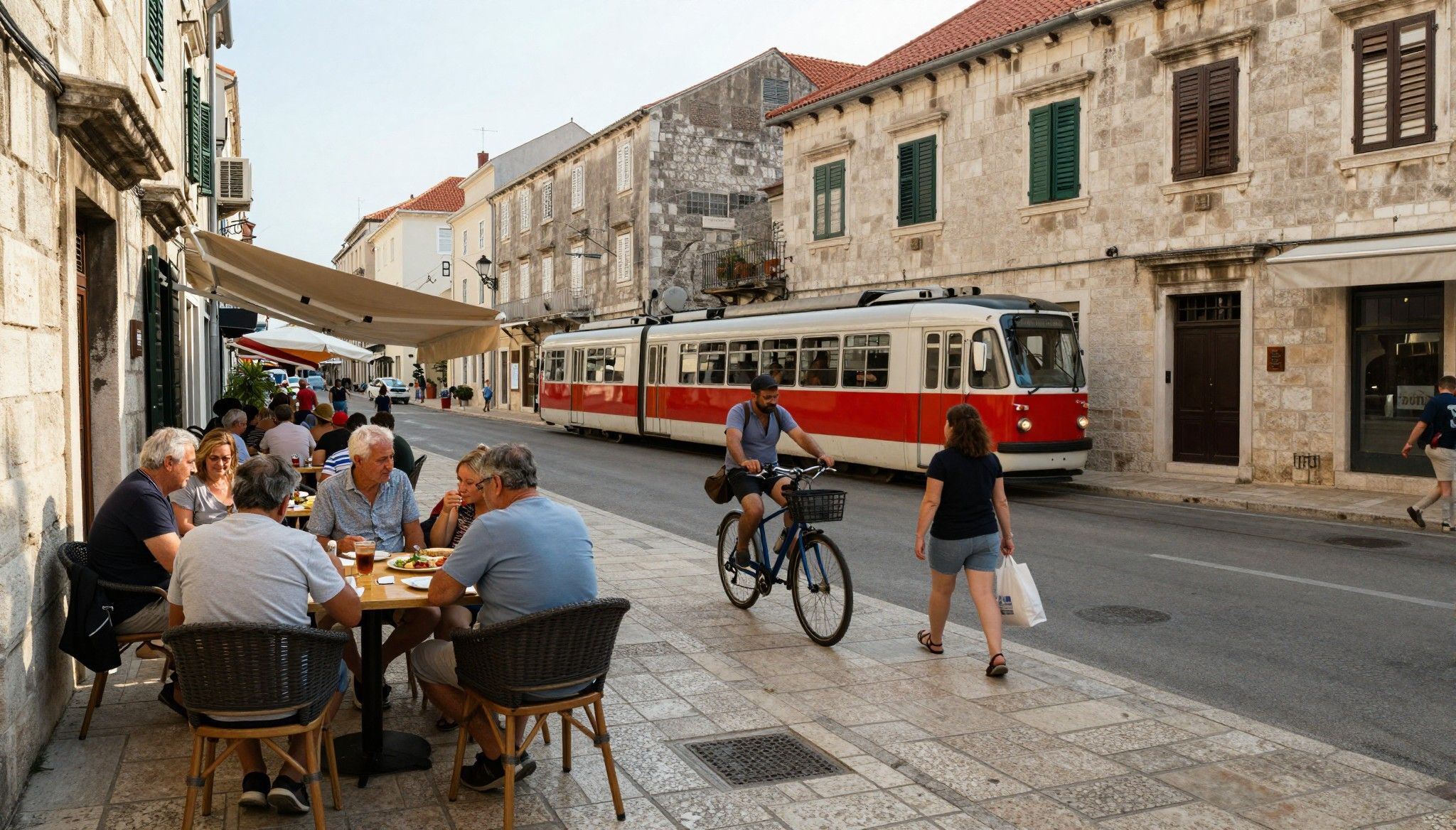
Italy is a series of lived-in neighborhoods rather than one uniform way of life. Mornings are market-led in Bologna’s Quadrilatero, afternoons are passeggiata along Genoa’s Porto Antico, evenings are aperitivo in Milan’s Navigli. That variety shapes what you buy: compact historic flats near tram lines, terraced townhouses in rail-connected hill towns, or modern apartments steps from regional fast trains.
Neighborhood spotlight: Rome’s Prati & Testaccio
Prati offers wide streets, cafes and short metro rides to the historic centre; Testaccio promises markets and a younger rental demographic. Both benefit from rail and airport connectivity upgrades: Trenitalia and FS Group recent CAPEX plans are expanding frequency and intercity links, shortening effective commute radii for buyers prioritising both lifestyle and tenant demand.
Food, seasons and daily life
Markets, trattorie and seasonal festivals structure the calendar: truffle season in Piedmont, grape harvest in Tuscany, Carnevale in Venice. These cycles drive short‑let demand in specific micro-markets—evidence: Italy’s airport passenger rebound (c.197 million in 2023) keeps international tourism flows strong and supports event-driven lettings in city and regional hubs.
- Market-lived highlights: Quadrilatero (Bologna markets), Via dei Coronari (Rome cafès), Navigli (Milan evening life), Oltrarno (Florence artisan scene), Langhe (Piedmont truffle culture).
Making the move: practical infrastructure and connectivity
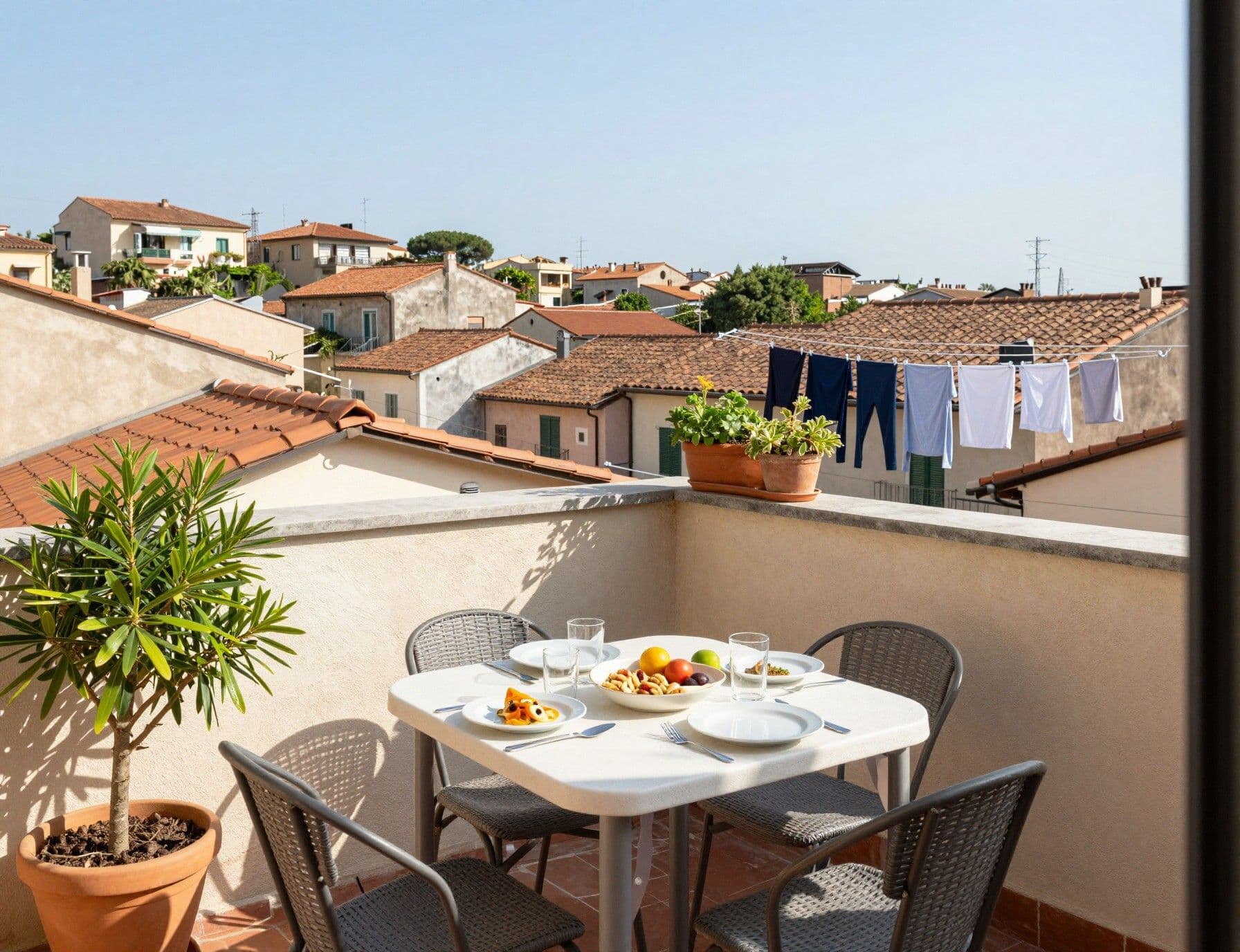
Lifestyle sells the dream; transport and digital links sell the return. For investors the key question is not whether Italy is romantic (it is) but whether your asset sits within a 30–60 minute catchment of reliable rail or airport links. Those catchments dictate tenant pools, vacancy risk and achievable yields.
Property types and connectivity trade-offs
Historic centre apartments often command premium prices per square metre but deliver high seasonal rental yields. Suburban new-builds near high-speed rail nodes offer steadier year-round demand and lower per-m² entry prices. National average asking prices hover around €2,000–€2,200/m² with meaningful variance by region; use price-per-m² bands to compare candidate acquisitions objectively.
Work with specialists who map lifestyle to returns
- 1. Commission an agent who models catchment travel times (30/45/60 mins) including rail frequency and airport access. 2. Overlay seasonal demand (festival/truffle/harvest weeks) to project short‑let uplift months. 3. Check broadband availability and local coworking spaces for remote-worker demand. 4. Use municipal plans to assess planned transport CAPEX which can reprice neighbourhoods.
Insider knowledge: what expats and locals wish buyers knew
Buyers underestimate how much timetable improvements change neighbourhood economics. The addition of direct Frecciarossa services or improved regional links can convert a sleepy hill town into a commuter catchment within months. Ask sellers and agents for timetable change history and planned rail upgrades—these are quantifiable uplift levers.
Cultural and seasonal red flags
Expect slower bureaucracy, variable building standards in older stock, and seasonal service gaps in small towns. These affect refurbishment timelines and operating costs. Factor in reliable on-the-ground property managers for maintenance during low‑season months and verify local contractor rates before finalising budgets.
- Quick due-diligence checklist: • Confirm rail/airport catchment travel times at peak hours. • Verify fibre/broadband and mobile coverage maps. • Check frequency of short-let demand across the calendar. • Review municipal transport CAPEX and planned station upgrades. • Ask for energy-efficiency records for older properties (renovation costs matter).
Italy offers an alluring mix of lived culture and improving connectivity. The smartest purchases pair evocative neighbourhoods—the cafes, markets and evening passeggiatas—with assets that sit inside reliable transport catchments. Start with a travel-time map, overlay seasonal demand, and work with specialists who quantify mobility’s effect on yield. Then, picture your morning espresso: the lifestyle you fell for should be the same one your investment supports.
Swedish financier who guided 150+ families to Spanish title deeds since relocating from Stockholm in 2012, focusing on legal and tax implications.