Cyprus: Life, Prices and Where Yields Still Work
Cyprus offers seductive coastal life but compressed yields in hotspots—this guide pairs sensory neighbourhood detail with cap‑rate and yield analysis to set realistic investor expectations.

Imagine sitting at a small table on Ledra Street, espresso steaming, watching cyclists thread between neoclassical facades and boutique storefronts. That easy, sunlit rhythm is Cyprus — compact cities, slow afternoons in mountain villages, and coastal promenades where the sea sets the daily tempo. But beneath the postcard is a market changing fast: rising prices in Limassol and shifting yields in urban cores mean lifestyle choices now have measurable financial trade-offs for international buyers. This guide pairs the lived experience of Cyprus with the price and yield analytics you need to make a disciplined decision.
Living Cyprus: the senses and the streets

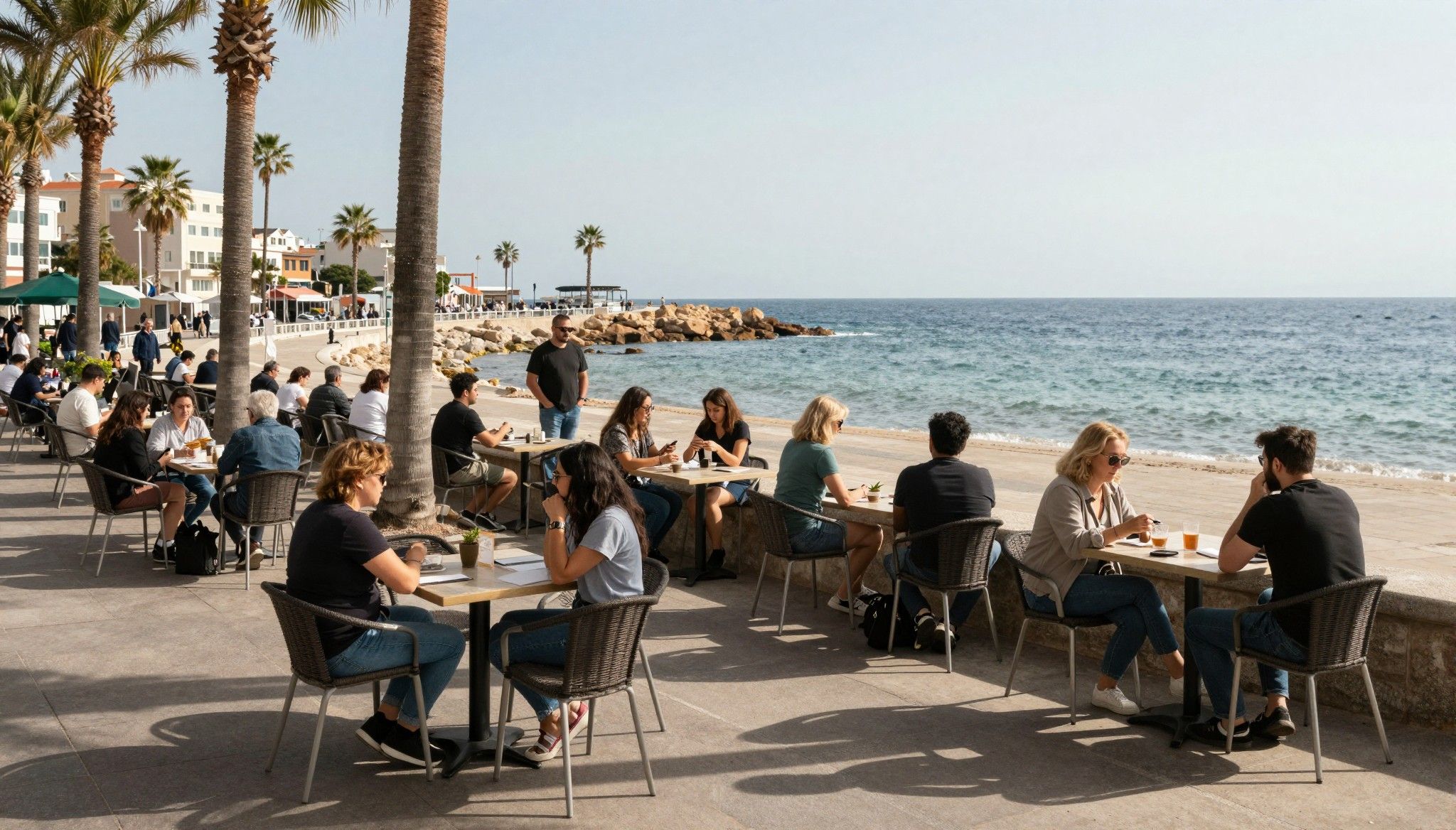
Cyprus life oscillates between the Mediterranean coast and the cooler Troodos foothills. Morning markets in Larnaca and Paphos spill citrus and halloumi into narrow streets; Limassol’s marina hums with corporate short-lets and evening aperitifs; Nicosia feels quietly dense — bureaucrats, students and locals creating year-round rental demand. For buyers, the choice between coastal glamour and inland steadiness is as much about monthly cashflow as it is about where you want to eat on a Sunday.
Limassol promenade vs Nicosia’s steady core
Limassol offers high-demand short-term rentals near the marina and old port, which lift headline rents but add seasonality and management cost. Nicosia, by contrast, produces steadier, year-round tenancy driven by public sector employment and universities. If you prize occupancy stability and predictable net yields, Nicosia’s neighborhoods around Ledra and Strovolos are often overlooked but financially sensible.
Coastal life and the tradeoff with yield
A two-bedroom apartment on Fig Tree Bay or near Limassol’s seafront will command premium rents in summer, but purchase prices have outpaced rent growth—compressing yields. For buyers focused on cash return rather than pure lifestyle, inland towns and established suburbs often deliver higher gross yields per euro invested. The lifestyle pull is real; the analytics simply ask you to quantify that premium.
Price and yield snapshot
Official statistics show residential prices have risen materially in recent years while rent growth has softened relative to peak 2022 levels. The Central Bank’s Residential Property Price Index recorded continued appreciation through 2024, and industry reviews from PwC and EY note strong transaction volumes but stretched price-to-rent ratios in coastal hotspots. Average gross yields across major cities generally cluster between about 4% and 6%, with net yields commonly 1.5–2 percentage points lower after operating costs and taxes.
Where yields still make sense
Apartment stock in inland towns and older urban fabric often produces superior gross yields compared with new seafront developments. Corporate rentals in Limassol and professional housing close to Nicosia’s commercial districts can also deliver stable contracts and higher effective yields if you secure tenants on medium-term leases. Short-term holiday lets can lift top-line returns but require professional management and incur higher vacancy and maintenance risk.
- Quick yield reference points
Limassol (prime coastal): gross yields ~3.5–5%; expect tighter net yields after service charges and VAT on new builds.
Nicosia (city centre & suburbs): gross yields ~4–6%; strong occupancy and lower seasonality support income stability.
Making the move: marry lifestyle to yield
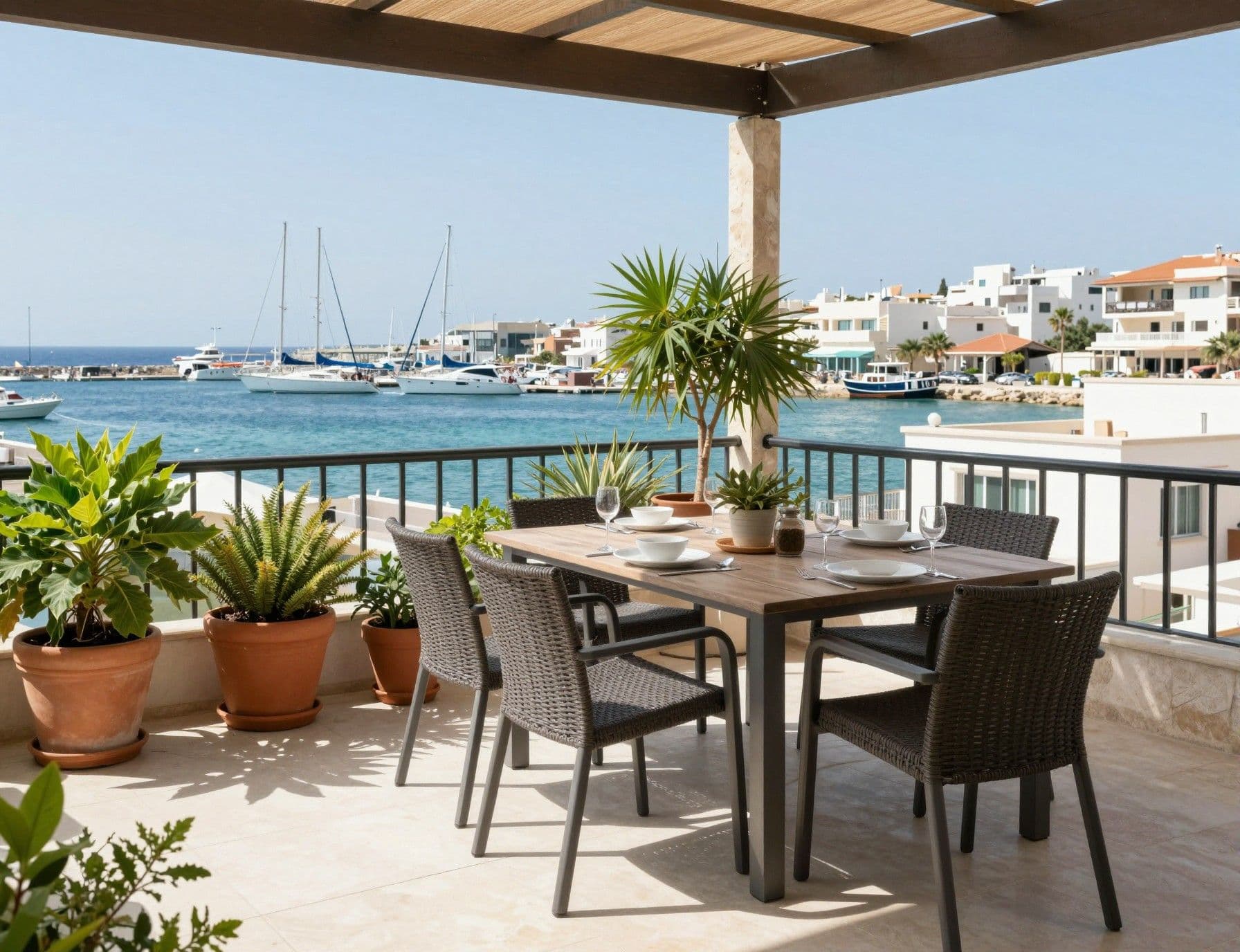
Dreams of terrace sunsets and weekly fish markets must be measured against cap rates, operating expenses and long‑term demand drivers. Cap rate (capitalization rate) is annual net operating income divided by property value; it expresses yield independent of financing. Use cap rate to test whether a lifestyle premium is justified by potential capital growth or if you should accept lower immediate income for non-financial benefits.
Property types that match lifestyle and returns
Modern seafront apartments sell lifestyle and tend to appreciate strongly in buoyant cycles but deliver compressed yields. Converted town apartments and older suburban houses typically offer higher starting yields and lower purchase prices per square metre. For long-distance landlords, an apartment in a managed block (onsite concierge, reliable building management) reduces friction and vacancy risk, improving net yield even if gross yield looks similar.
- Practical steps to align lifestyle and investment
1. Quantify the lifestyle premium: estimate how much extra you’ll pay (€/m²) and model cap rate scenarios over 5–10 years.
2. Stress-test rents: use both summer and off-season figures; prefer conservative occupancy assumptions for holiday markets.
3. Build a local operating budget: include community fees, maintenance, property management (10–20%), and allowance for voids.
4. Choose agency partners with asset-management capability: they convert attractive headline rents into reliable net cashflow and handle local compliance nuances.
Insider knowledge: what expats wish they knew
Expats consistently say the practical surprises are small but material: utility transfer friction, seasonal noise in tourist areas, and building management fees that climb with amenities. Social integration tends to happen over food—taverna nights, Sunday souvlaki—and that community rhythm influences where long-term tenants prefer to live. Understand these rhythms before overpaying for the aesthetic alone.
Language, community and tenancy behaviour
English is widely spoken in business and property transactions, but neighborhood-level social life can be Greek or Turkish in practice. Tenants in Nicosia and Limassol expect professional responsiveness; in smaller towns, local relationships and referrals matter. Expect longer vacancy in seasonal coastal micromarkets outside peak months unless you target year-round rentals.
- Expat red flags and quick mitigations
Unclear management contracts — insist on explicit SLAs and fee caps.
Overpriced seafront comparables — run a cap-rate comparison with inland alternatives.
Seasonal tenancy mismatch — model fallow months and test a medium‑term rental strategy.
Conclusion: buy a life, not just a view, but price it like an investor. If you want coastal sunsets, accept the compressed yield and manage for capital growth; if you want steady income, prioritise city cores or proven suburban stock. Use cap-rate comparisons, conservative rent assumptions, and local asset managers to convert Cypriot life into reliable returns. When you’re ready, speak with a Cyprus-based agency that publishes net-yield case studies and provides end-to-end asset management — that’s the difference between holiday aspiration and a durable investment.
Swedish financier who guided 150+ families to Spanish title deeds since relocating from Stockholm in 2012, focusing on legal and tax implications.