Italy’s Connectivity Premium: Buy Mobility, Not the Postcard
Italy’s charm meets a new infrastructure reality: high‑speed rail and targeted upgrades are reshaping value pockets—buy where mobility and lifestyle align.
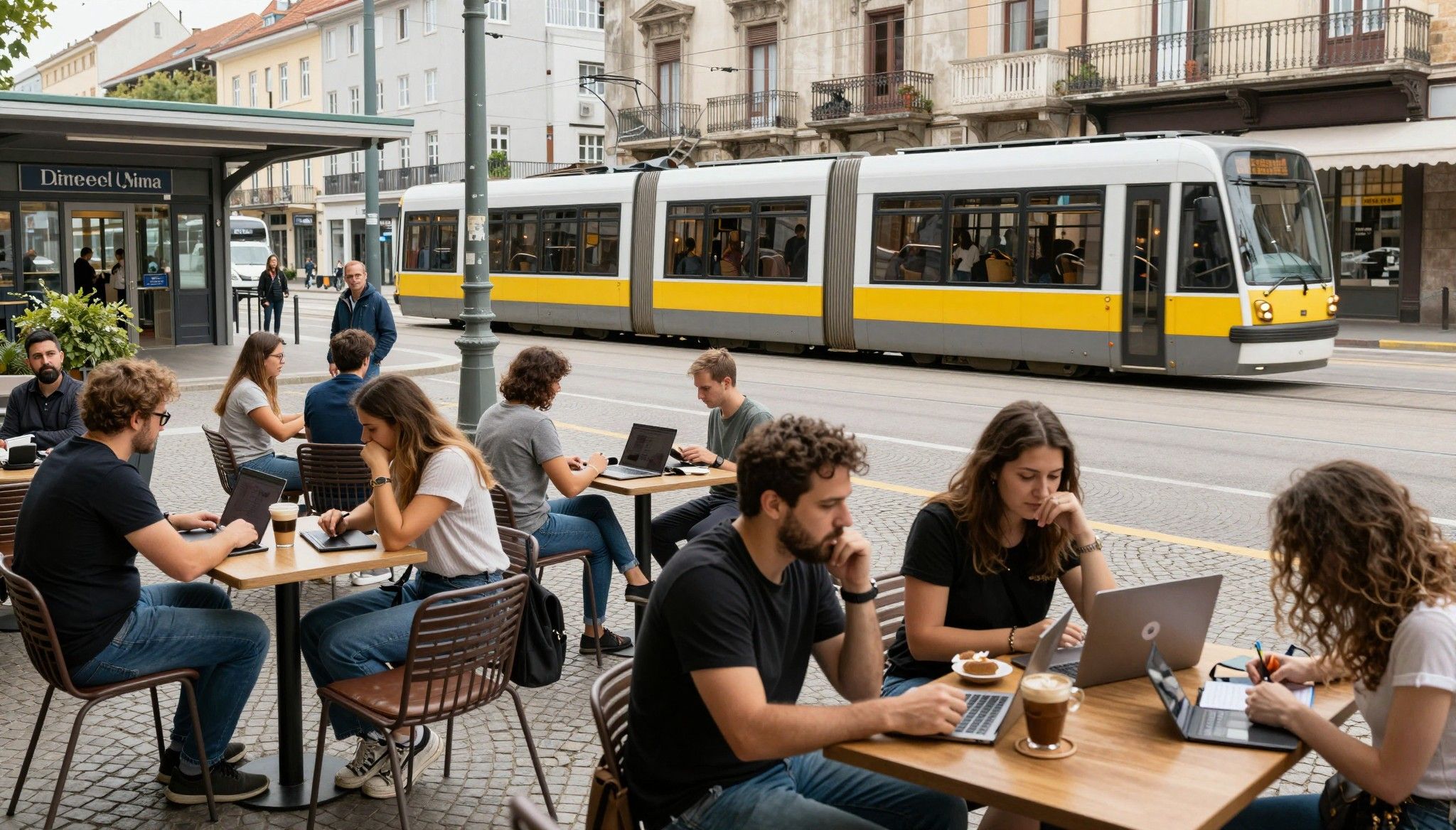
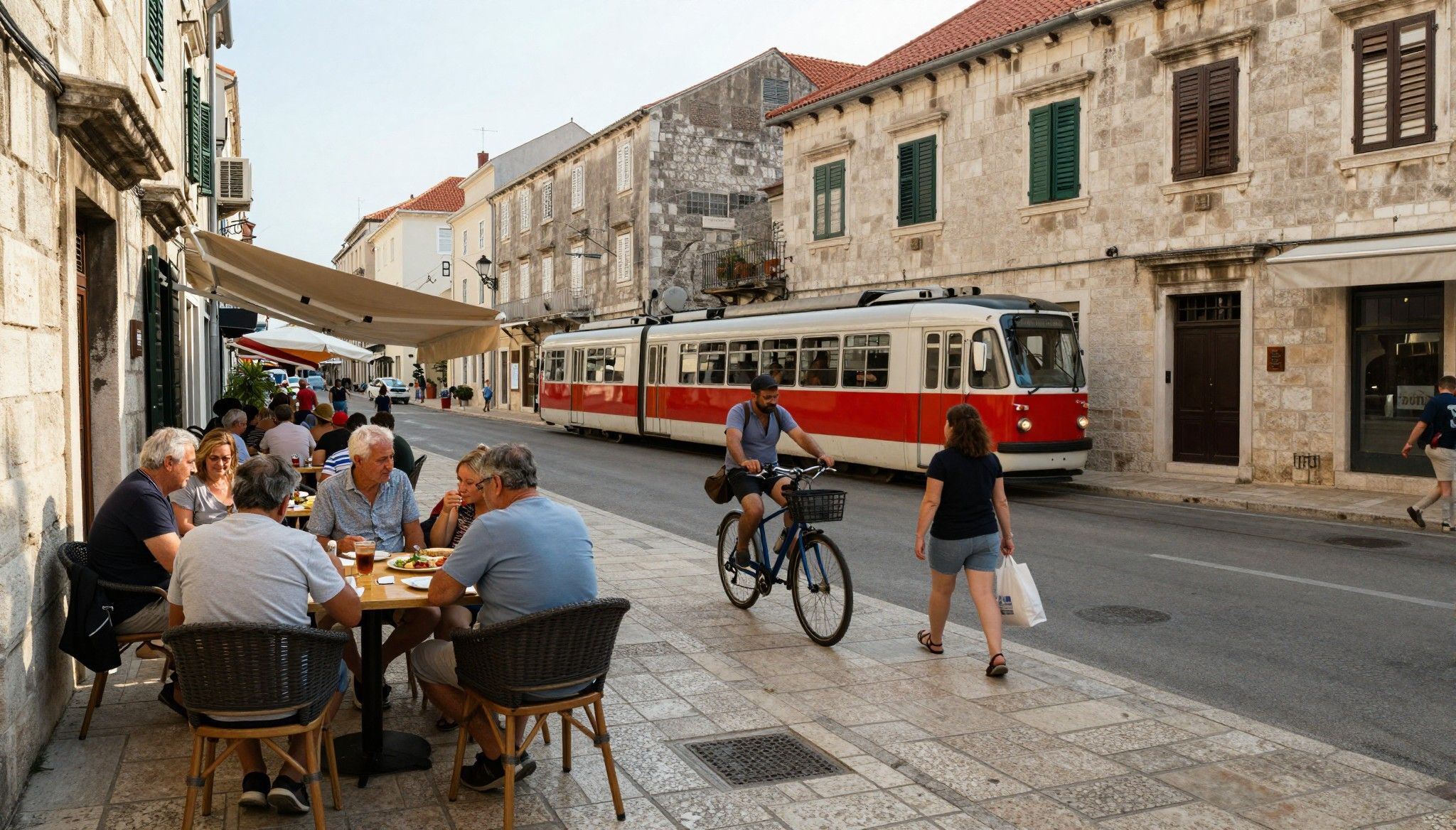
Imagine stepping out onto Via dei Coronari in Rome at 9am: a barista pulls espresso, delivery vans thread narrow lanes, and within 20 minutes a high‑speed train could carry you north to Florence. Italy’s everyday life is kinetic and local—piazzas, markets, short commutes and long weekends—yet beneath that charm is a generational infrastructure push that’s changing where value accrues.
Living Italy: rhythm, places, and what infrastructure changes mean
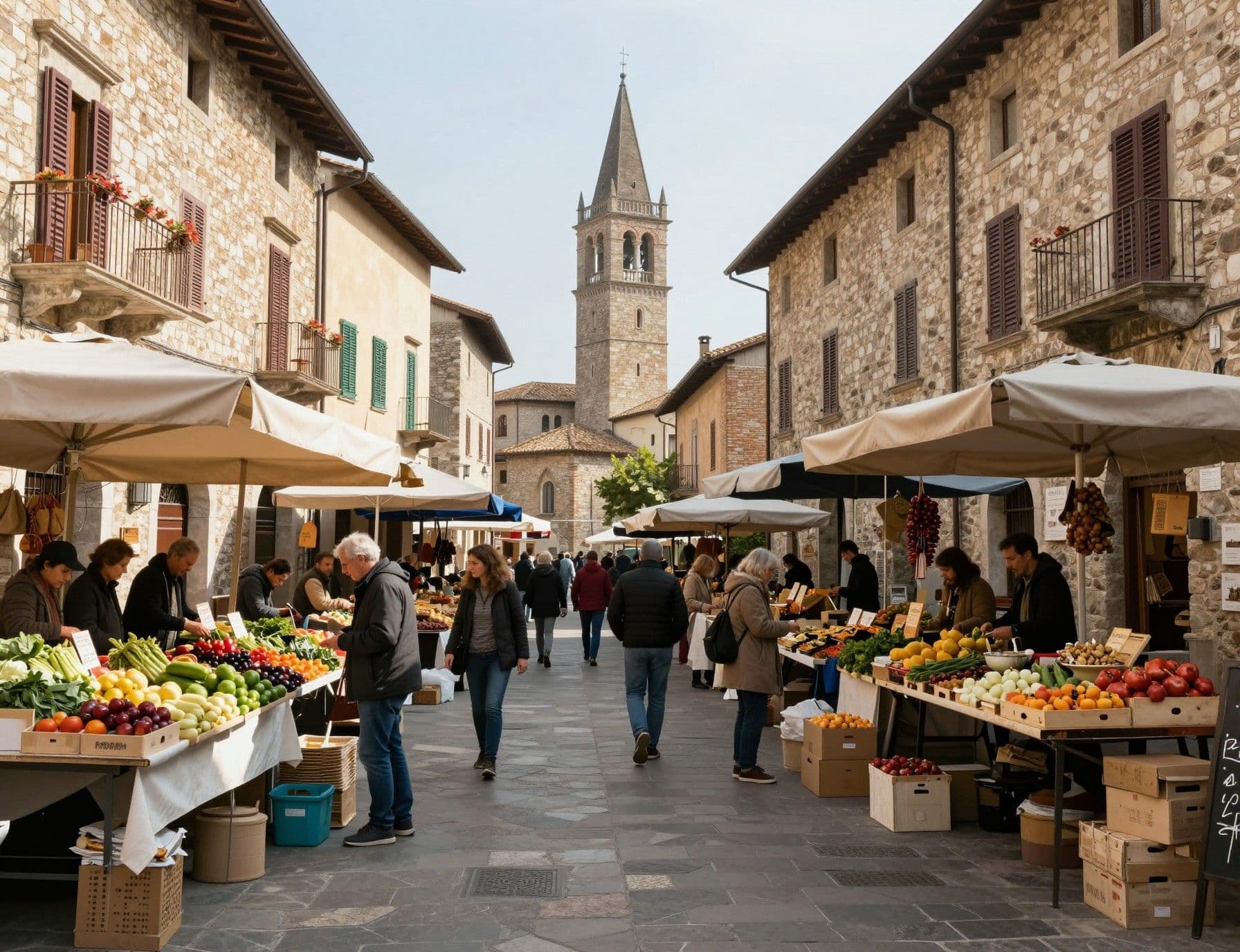
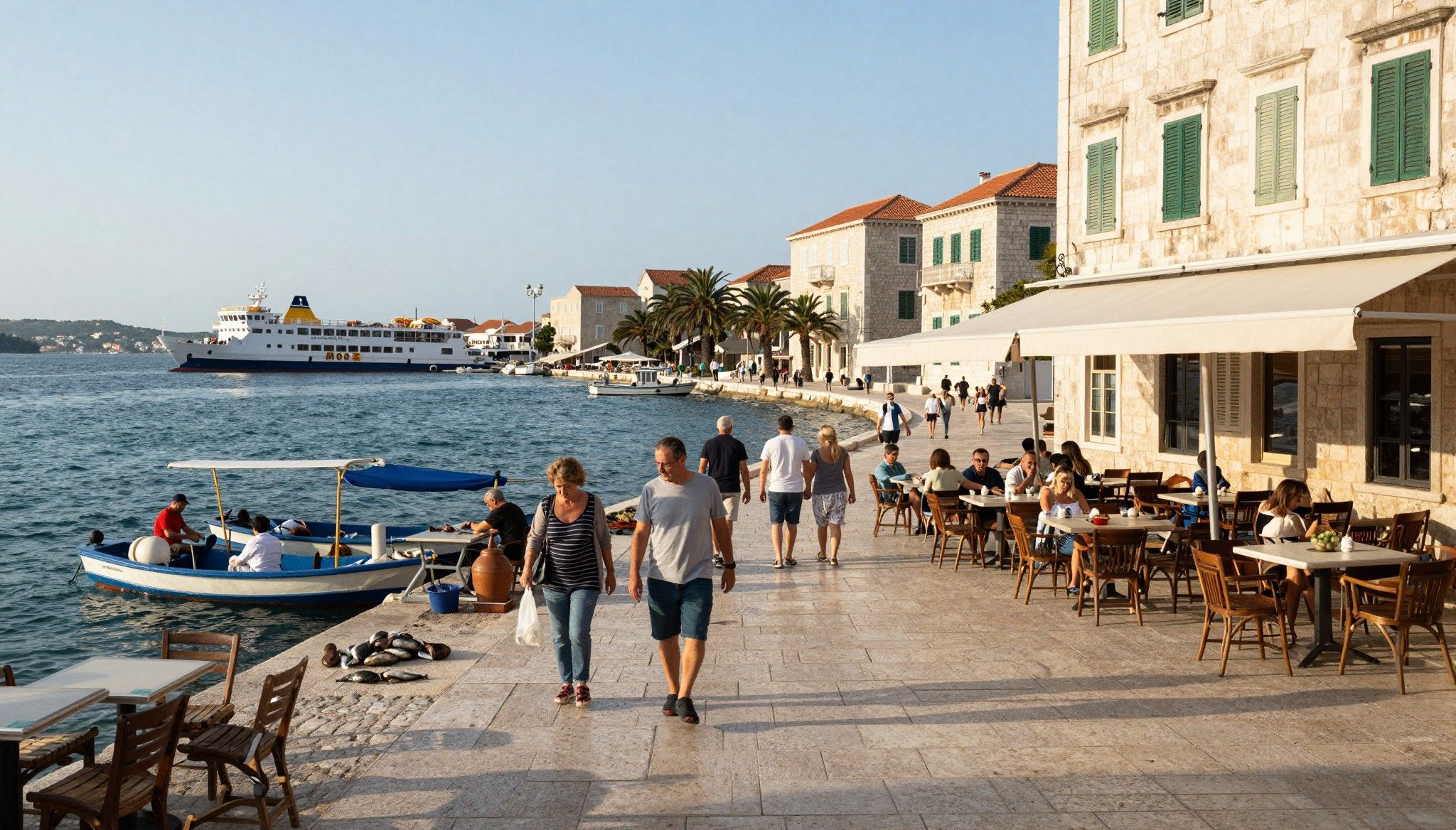
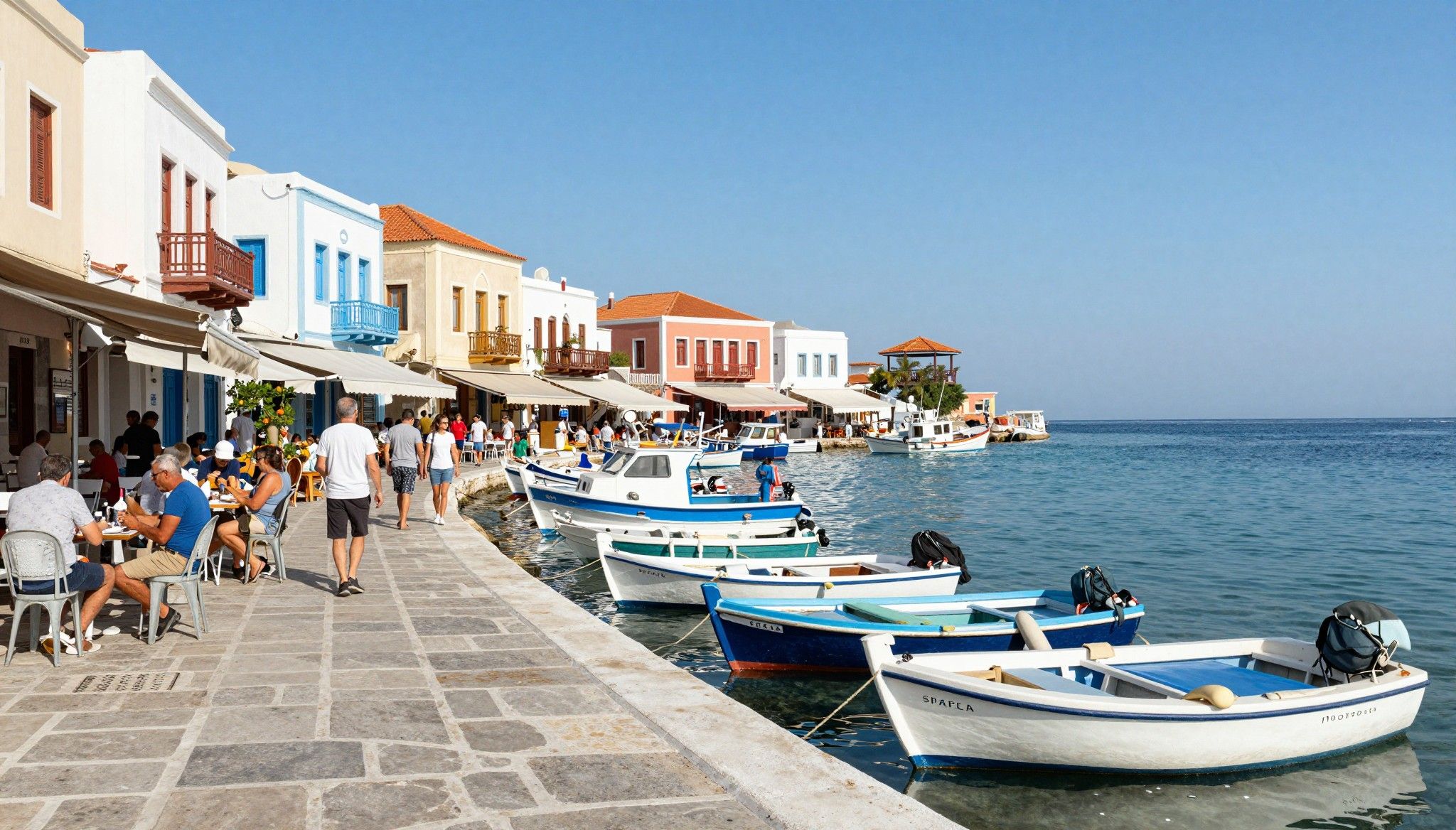
Italy’s lifestyle is intersectional: ancient cores (centri storici), coastal lidos, and commuter belts around Milan and Turin. That lived reality—daily markets in Mercato Centrale (Florence), aperitivo on Navigli (Milan), fishing boats in Amalfi—interacts with new transport links and regeneration projects that reshape demand pockets for buyers who prize both culture and liquidity.
City cores: compact living, instant demand
Historic centres—Centro Storico Roma, San Marco (Venice), Oltrarno (Florence)—deliver immediate tenant appeal: short-term tourists and long‑stay tenants who accept smaller floorplans for location. These areas are resilient but expensive per square metre; price transparency from portals shows Milan and Venice consistently at the top of the national ladder.
Commuter belts and new high‑speed catchments
The expansion of high‑speed and regional networks (FS Italiane’s multi‑year plan) is enlarging economically viable commutes. Towns once considered peripheral—Pisa hinterland, Reggio Emilia outskirts, Salerno corridor—are becoming satellite markets with better liquidity and growing rental demand as travel times to economic centres shorten.
Lifestyle details that matter to where you buy
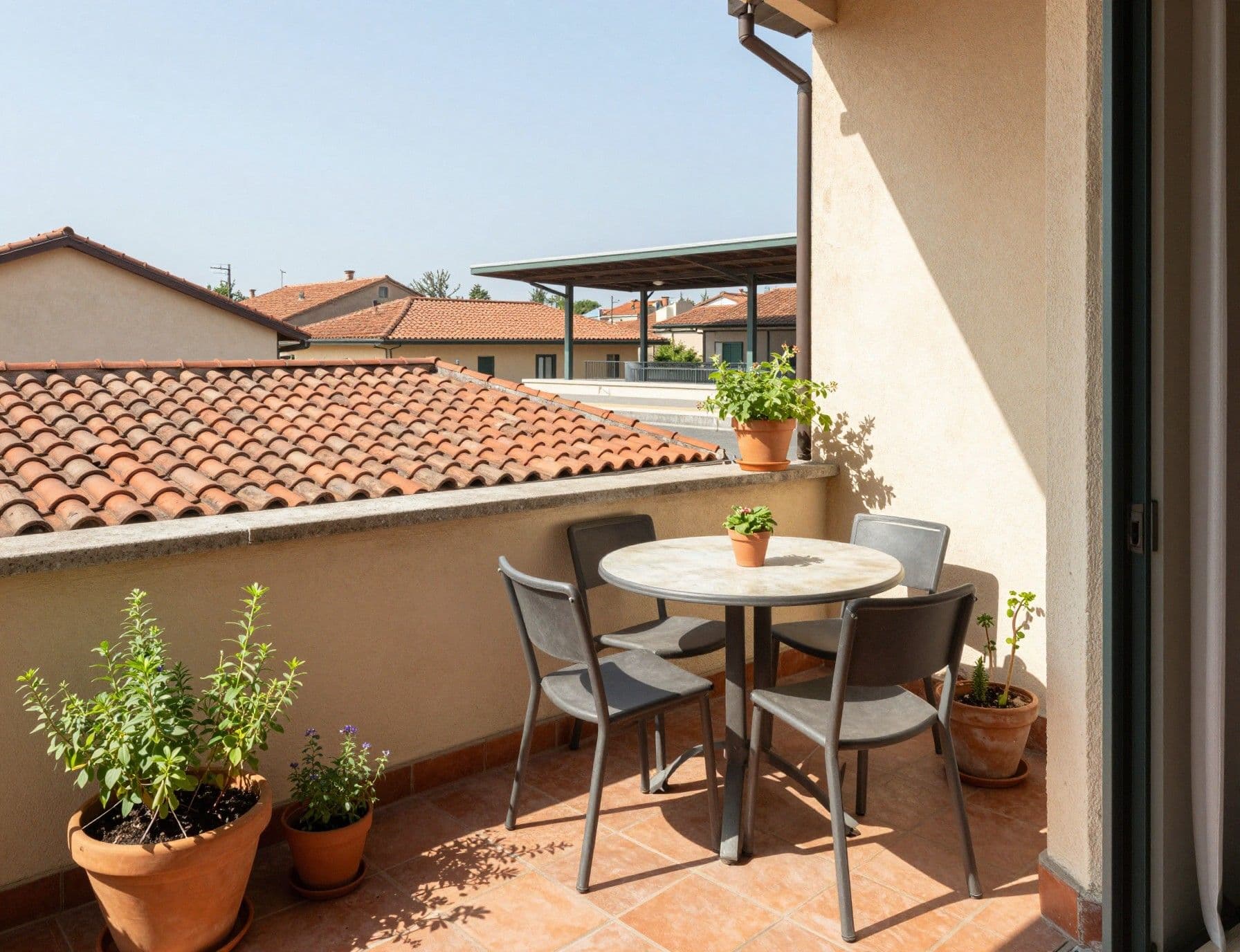
Food markets, small‑scale commerce and local transport determine day‑to‑day desirability. If you want a terrace for garden dinners, inland hill towns offer space; if cafes and coworking matter, choose towns on fast rail lines to Milan or Bologna. Infrastructure changes frequently alter that balance—so map lifestyle needs to connectivity, not just charm.
Neighborhood spotlights (real places, real tradeoffs)
Take Milan’s Navigli: superb hospitality demand, high asking prices but limited rental yields for mid‑range units. Contrast that with Piacenza or Parma suburbs—cheaper price per sqm, improving rail links, rising local employment—where yield can outpace capital growth in the short term according to recent agent surveys.
Lifestyle highlights to weigh
- Morning market ritual: Mercato di Testaccio (Rome) or Mercato Centrale (Florence) as a sign of a walkable catchment appealing to long‑stay tenants.
- Evening culture: theatres (La Scala, Piccolo Teatro) and music venues that sustain higher occupancy rates among professionals.
- Weekend escape routes: proximity to train stations that connect to coastlines (e.g., Levante/Versilia) increases rental desirability seasonally.
Making the move: property types, agents, and the connectivity premium
Dreams run on cappuccino; investment returns run on commute times and digital connectivity. Buyers who match property type to transport access preserve yield: small historic flats near stations, modern apartments in redeveloped districts, or countryside houses within 45–75 minutes of a regional hub.
Property styles and how they affect living & returns
Historic apartments offer capital resilience but often higher renovation costs and limited parking. New builds provide energy efficiency and easier rentals to professionals. For investor returns, measure price per sqm against local travel times: a 30% price premium near a Frecciarossa station can still be justified by persistent demand and shorter vacancy cycles.
Working with agencies that know infrastructure
- Ask agents for three transit‑centred comparables, station walk‑time data, and a tenant profile tied to local employers or universities.
- Request historical vacancy rates and short‑let licensing details if the property is near tourist circuits.
- Insist on total cost projections: renovation, seismic upgrades, and energy‑efficiency incentives (these affect net yields).
Insider knowledge: myths, red flags, and the timing advantage
Myth: "Italy is uniformly expensive." Reality: networks of rail and road upgrades—especially projects funded under national plans—are creating pockets where price per sqm lags demand improvement, offering asymmetric upside for buyers who track infrastructure timelines.
What expats wish they'd known
Expats often underestimate seasonality: coastal and tourist towns spike in summer and fall off in winter, affecting gross yields. They also under‑value local commuter markets—properties 40–60 minutes from a major station can deliver steadier long‑term cashflow than a small centre‑city flat that depends on transient demand.
Longer‑term practicality: climate, demographics and infrastructure risk
Italy’s population trends and regional divergence matter: northern metros show continued employment growth while some rural areas face depopulation. Transport investment reduces that risk where it arrives; absence of investment is a structural downside. Layer demographic projections into cashflow models to avoid long tail vacancy risk.
- Red flags: long local planning delays, weak bus/train frequency (less than hourly off‑peak), lack of broadband (FTTC/FTTH absent), and absence of local employers or universities.
- Opportunity signals: active station upgrades, new regional logistics or tech hubs, and recent rezoning for residential development.
Conclusion: buy the mobility, not the postcard. Italy sells beautifully—piazzas, pasta, and sun—but for investors the decisive axis is connectivity. Match lifestyle aspirations (market mornings, seaside weekends) to measurable transport and digital links, use local agencies that produce transit‑weighted comparables, and time purchases around confirmed infrastructure milestones rather than rumours.
Norwegian market analyst who relocated from Oslo to Mallorca in 2016, guiding Northern buyers through regulatory risk, currency hedging, and rentability.