Coast vs Inland: Cyprus’ Contrarian Yield Play
Coastal glamour hides Cyprus’ true yield opportunities—find better net returns inland or near amenity hubs by blending lifestyle choices with micro‑market yield analysis.
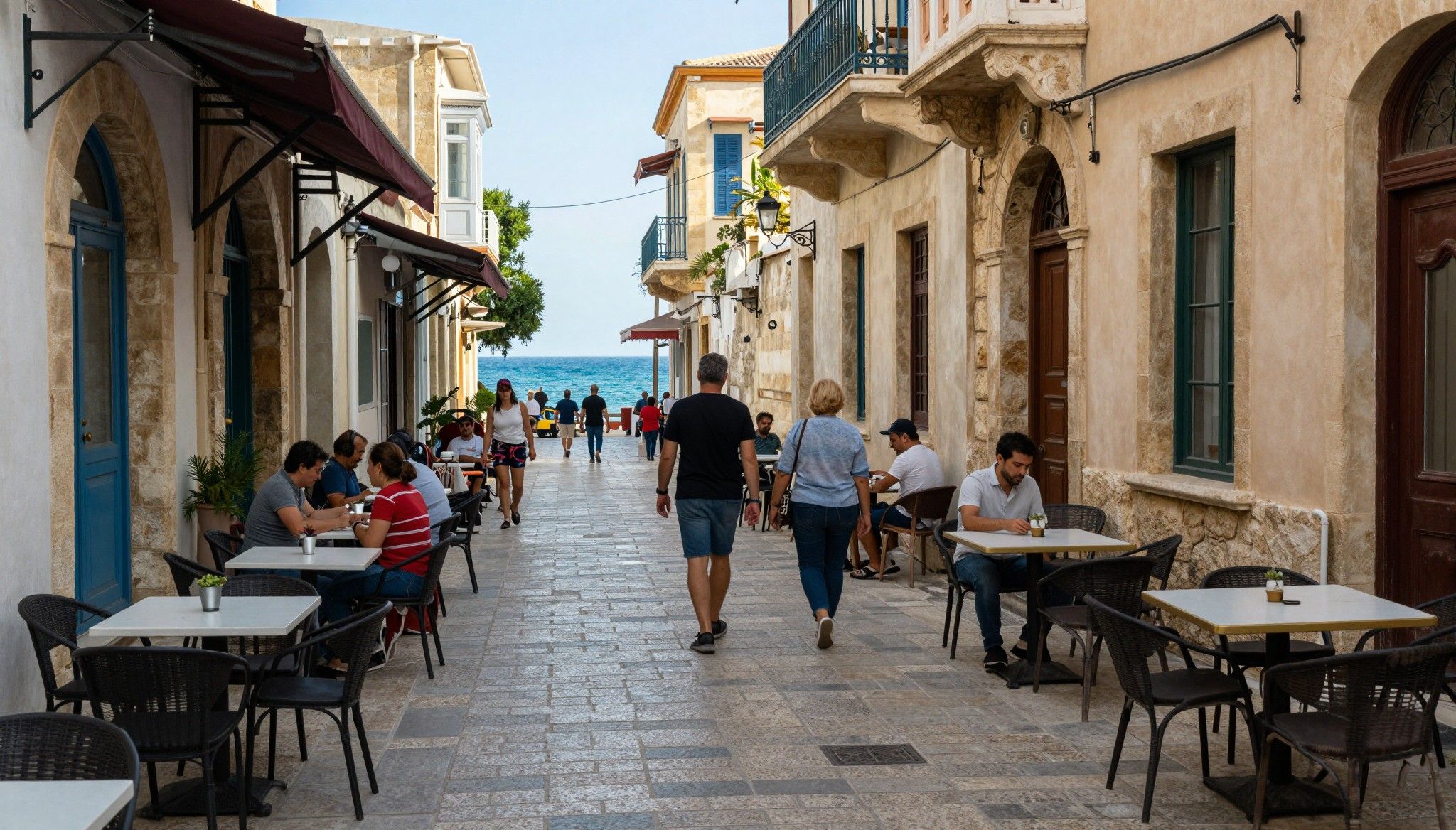
Imagine waking up to the smell of strong coffee on a narrow street in Limassol, then driving 20 minutes inland past citrus groves to a village where stone houses sit on terraces above olive orchards. Cyprus feels small but rich with variety: resort beaches, university towns, sleepy mountain villages and compact city centres where café culture meets fiscal pragmatism. For the international buyer this patchwork matters: coastal glamour often steals headlines, but the real investment math — price per m², seasonal rental depth and operational costs — lives in the details you only notice after a few market visits. Recent data from the Central Bank of Cyprus and national tourism figures show the island’s real estate demand and visitor flow remain strong but unevenly distributed across micro‑markets.
Living Cyprus: more than beaches
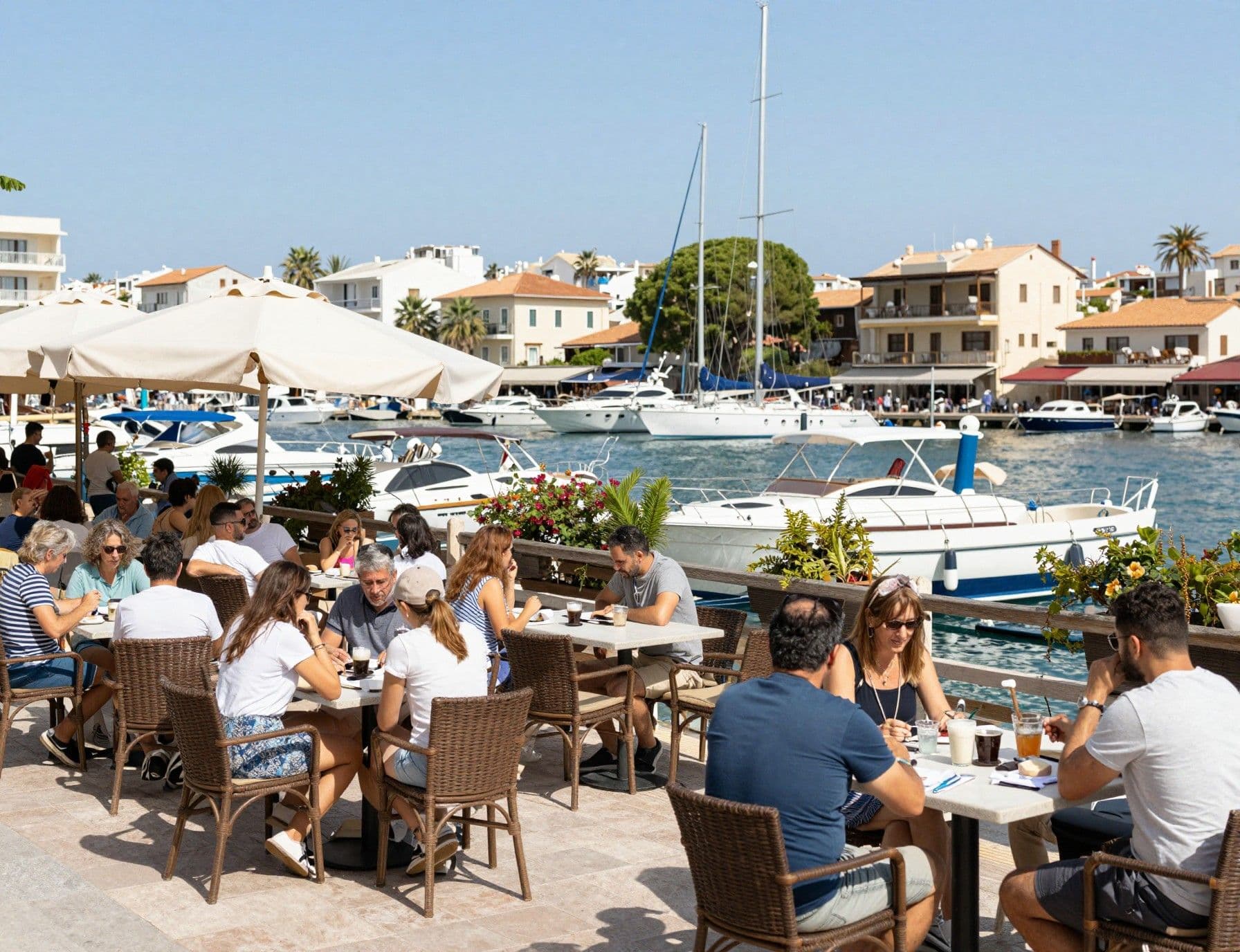
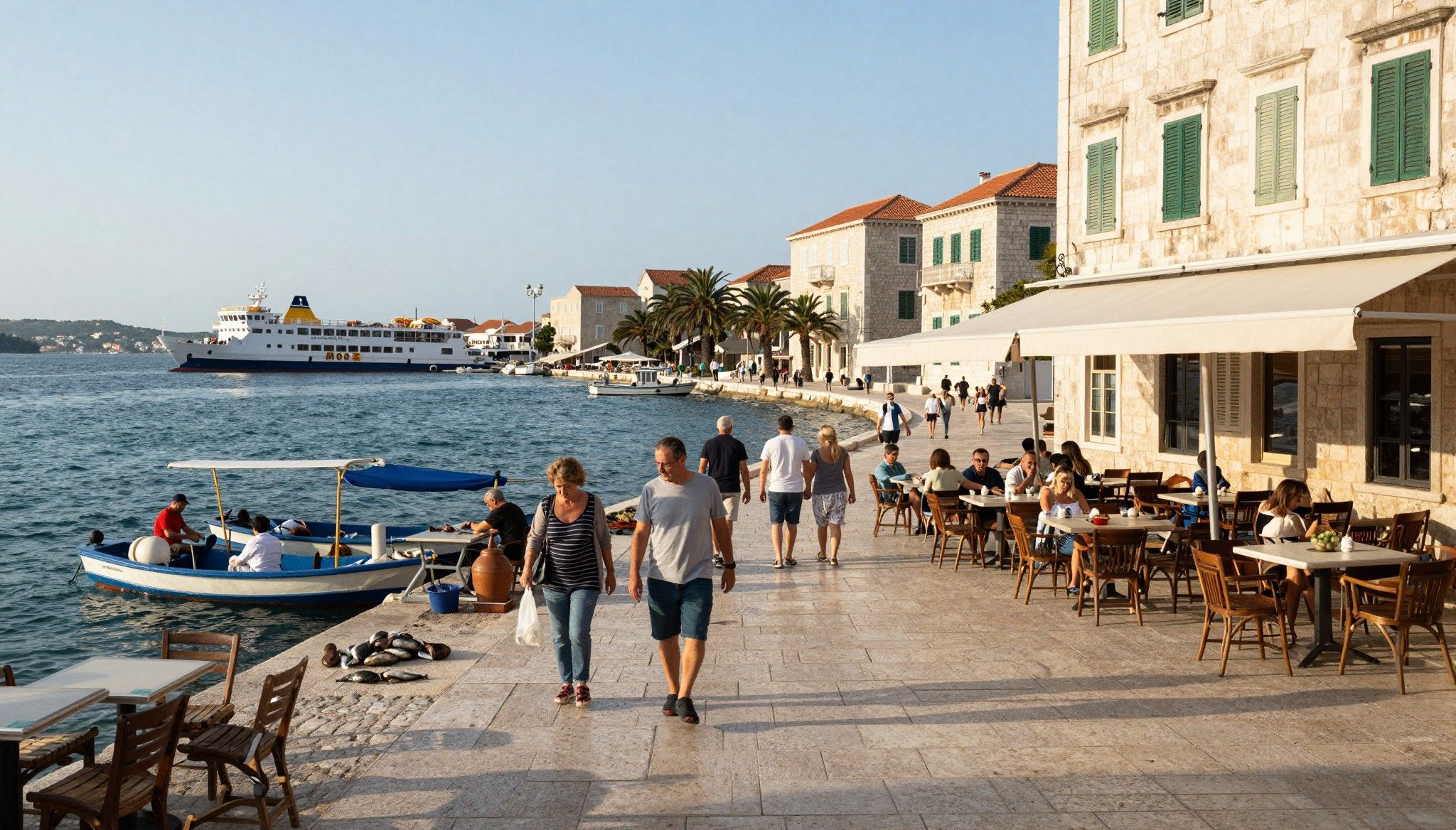
Cyprus is rhythm and contrast: mornings at Kato Paphos fishermen’s quay, afternoons at Nicosia’s small museums, evenings in Larnaca sampling mezzes on Zenon Avenue. Warm, dry summers make outdoor living inevitable: terraces, shutters and courtyard plans dominate desirable properties. Winters are mild but decisive — inland villages experience cooler nights and different rental seasonality than the coast. Visitor patterns confirm this: tourism rebounded and set new records through 2024–2025, but arrivals cluster by region and origin market, shaping where short‑let demand is reliable and where it’s seasonal.
Neighborhood spotlight: Limassol marina to Agios Tychonas
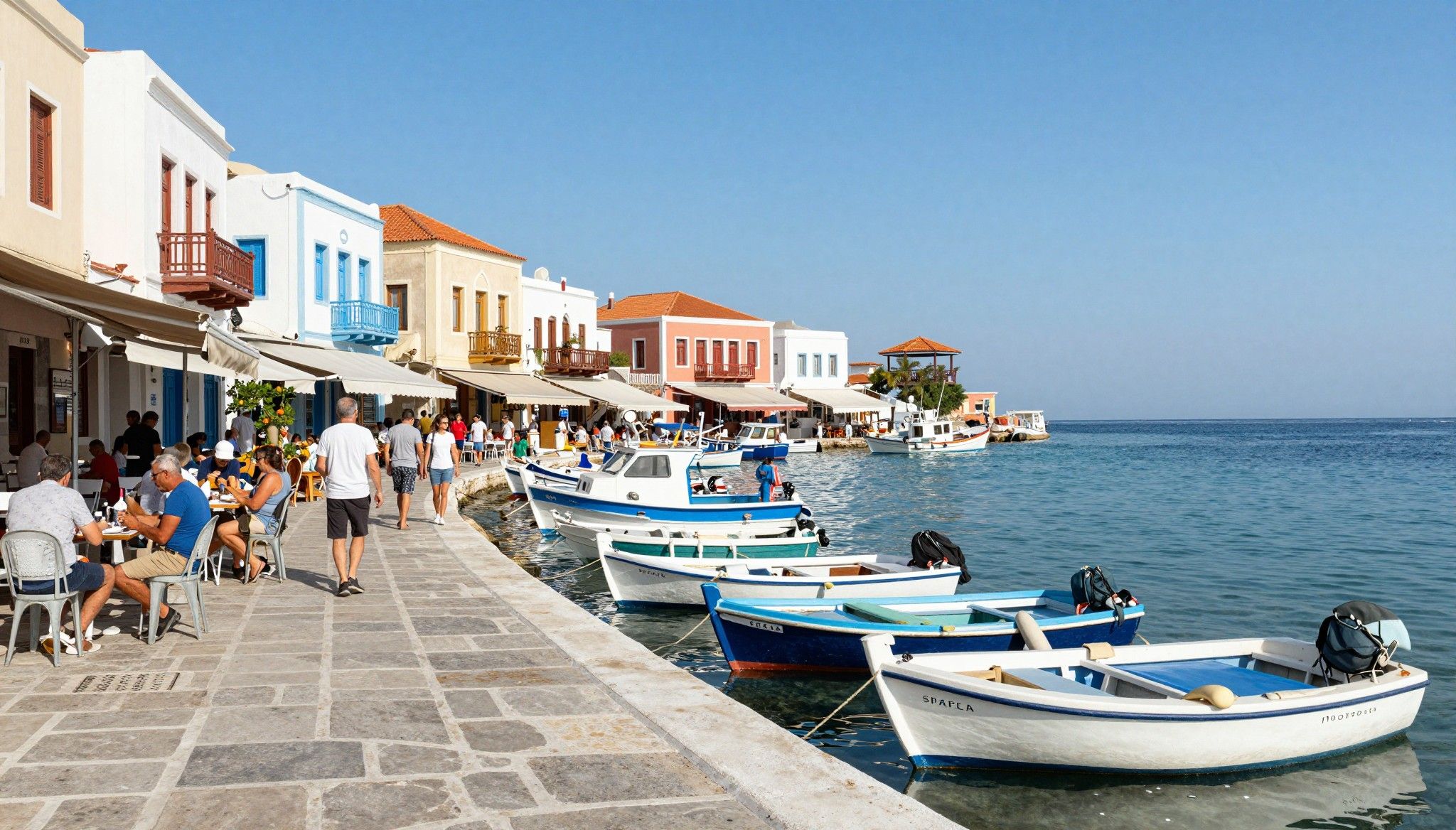
Limassol’s marina and Promenade radiate a modern, upmarket rhythm: yachts, new developments and international restaurants define the shoreline. Walk five kilometres east and the picture shifts to Agios Tychonas — lower density plots, older villas and steadier long‑let demand from families and retirees. Price per m² peaks nearest the marina, but yield compression there is real: higher entry prices and management overhead often reduce net returns. For buyers who prioritise rental yield over prestige, adjacent pockets and older stone villas can offer materially better gross yields with similar tenant appeal.
Food, markets and micro‑culture: where lifestyle intersects rental appeal
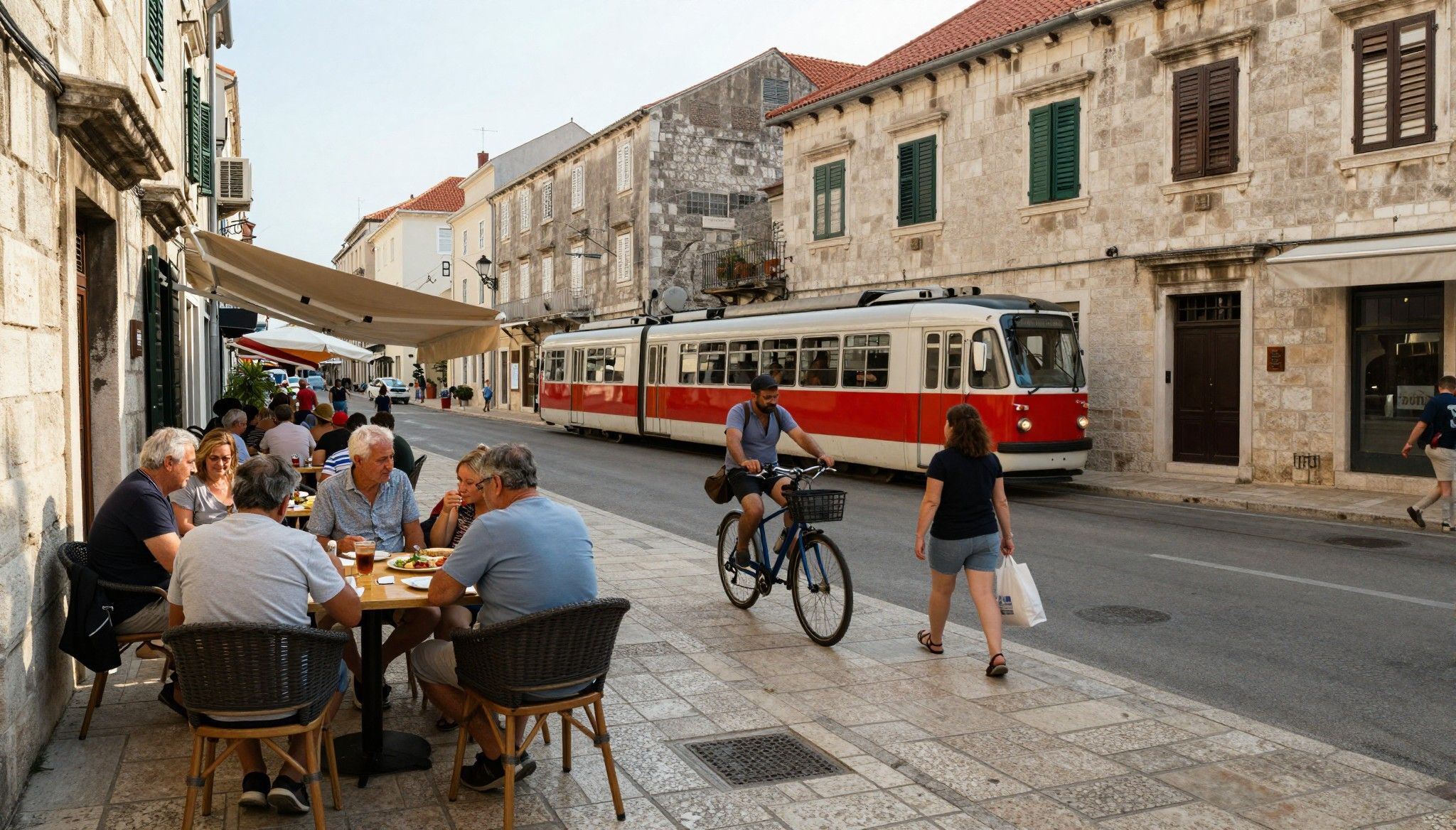
Markets and cafés are not just lifestyle perks — they signal year‑round footfall that supports long lets and local rentals. In Larnaca, the Finikoudes promenade and the Salt Lake walk attract different visitor cohorts than the nearby industrial belt, and properties within a 10‑minute walk of vibrant strips show stronger occupancy for longer seasons. Seasonal festivals — wine harvest events in the Troodos foothills or Limassol Carnival — produce short windows of pricing power for short lets, but those events are not a substitute for steady, year‑round tenant demand.
Lifestyle highlights that matter to investors: 1) Morning espresso at Fig Tree Café, Limassol marina; 2) Weekend market at Paphos Old Town; 3) Troodos hiking routes and winter micro‑season; 4) Larnaca seafront long‑stay community; 5) Village tavernas near Omodos for slow‑season appeal; 6) Proximity to universities (Cyprus Uni, European University) that sustain rental demand.
Where the numbers disagree with the postcard
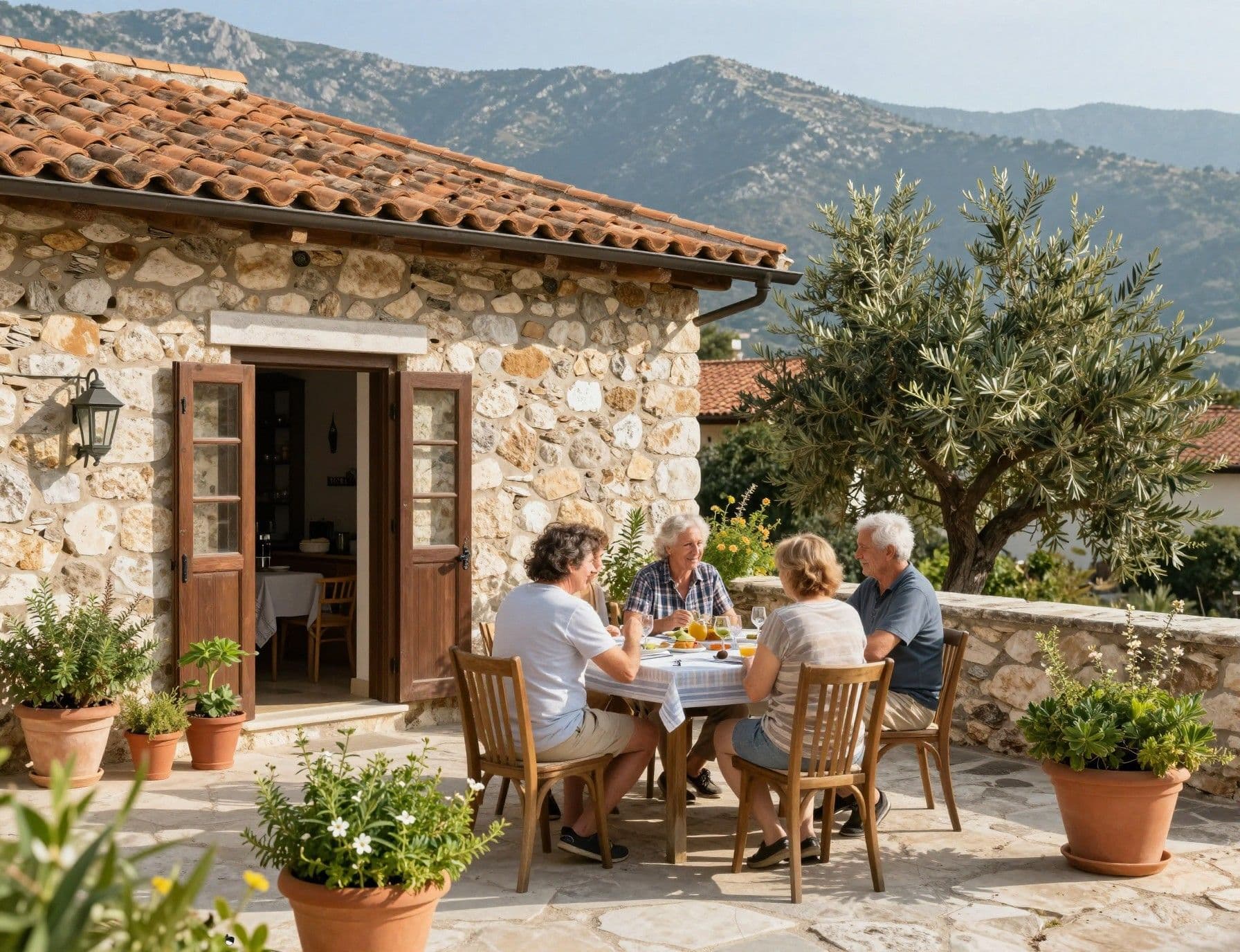
Headline prices on the coast have accelerated over recent years, but yields tell a different story. National indices show house prices re‑testing or exceeding pre‑crisis highs in late 2025, driven by strong tourism and constrained supply in prime coastal nodes. That strength compresses gross yields on the shoreline; meanwhile inland and secondary towns often show lower entry prices with only marginally lower rental demand, producing superior yield profiles for income‑focused investors. The contrarian opportunity is explicit: seek markets where price growth is modest but operational economics favour higher net yields.
Property types and the yield math
Apartments near marinas and beaches command higher rates per night for holiday lets but suffer from higher service charges and more intense management. Traditional village houses and small-block apartments in university towns or administrative centres often deliver steadier annual occupancy and lower operating costs. Define gross yield as annual rent divided by purchase price, and net yield after factoring maintenance, local property tax (immovable property tax nuances), and management fees. In many Cypriot micro‑markets gross yields between 4–7% are common, but net yields can diverge by 1–2 percentage points depending on location and product.
How to blend lifestyle and yield in your purchase (step‑by‑step)
1) Map lifestyle priorities (beach vs village vs university proximity) and rank them by expected occupancy: long‑let stability beats occasional peak pricing for income investors. 2) Collect three comparable transactions in your target micro‑market (price/m², advertised rent, realised occupancy) and calculate gross and net yields. 3) Add estimated operational costs (10–20% of gross rent for management, utilities, cleaning for short lets). 4) Stress‑test cash flow for a 30% drop in seasonal demand and a 1‑2 year vacancy scenario to assess capital resilience.
Insider knowledge: what expats wish they’d known
Expat owners often tell a common story: they overpaid for proximity to the sea and underestimated the steady demand of a well‑located inland apartment. Language is less of a barrier than expected — many agents and service providers operate in English — but local customs around renovation permits, community committees and seasonal utility behaviours can surprise newcomers. Water shortages and infrastructure investments (including desalination plans and dam management) are now part of the investment calculus for beachfront properties; the island’s authorities cited water stress and tourism growth in recent policy moves, affecting operating risk for hotels and short‑let portfolios.
Culture, community and tenancy realities
Tenants in Cyprus value walkable access to services, shaded outdoor space and reliable internet — a reminder that rental pricing is as much about amenity fit as it is about view. For longer‑term tenants (professionals and families) proximity to schools, clinics and grocery markets often trumps a sea view. For short‑let operators, invest in durable interiors and local contacts for fast turnarounds; the island’s rising tourism volumes create opportunity, but scale and local ops competence separate profit from churn.
Practical tips for measuring true yield: 1) Use advertised nightly rates only as a ceiling — model realised occupancy at 40–60% for short lets outside peak months. 2) Compare price/m² across adjacent micro‑markets, not the regional average. 3) Factor service charges and communal maintenance into net yield calculations. 4) Speak to local property managers about utility seasonality and water restrictions. 5) Prioritise properties within a 10‑minute walk of a consistent amenity hub for long‑let resilience.
Long‑term considerations and portfolio fit
Treat Cyprus as a set of micro‑markets rather than a single market: coastal luxury, university towns, Paphos’ mix, and inland villages each play different roles in a diversified portfolio. Expect coastal price appreciation to continue while yields compress; offset that by adding inland assets or smaller apartments near transport and services to preserve cash flow. Exit planning matters: clear title, permitting history and local tenancy records reduce selling friction and time‑to‑market.
Conclusion — live the place, own the math. Cyprus sells easily as sun, food and coastal charm; a disciplined investor sells themselves on metrics. Start with lifestyle priorities to pick the right micro‑market, then run comparable transactions, occupancy stress tests and net yield calculations before you sign. Local agents who combine lifestyle fluency with operational data (rents, service charges, historical occupancy) will turn a love affair with an address into a manageable, income‑producing asset.
Swedish financier who guided 150+ families to Spanish title deeds since relocating from Stockholm in 2012, focusing on legal and tax implications.