Italy: Where Lifestyle Maps to Micro‑Market Returns
Italy pairs everyday charm with varied yield profiles: city cores, coastal seasonality and inland value‑add require micro‑market analysis to convert lifestyle into steady returns.

Imagine sipping an early-morning espresso on Via del Corso, the scent of fresh focaccia from a nearby forno, while a local rents your central apartment to a business traveller — Italy is equal parts lived‑in charm and repeatable rental demand. For international buyers that balance lifestyle with financial returns, Italy is a study in trade-offs: historic cores with high capital density, coastal towns with seasonal peaks, and inland pockets where renovation can unlock yield.
Living the Italy lifestyle — rhythms that sell

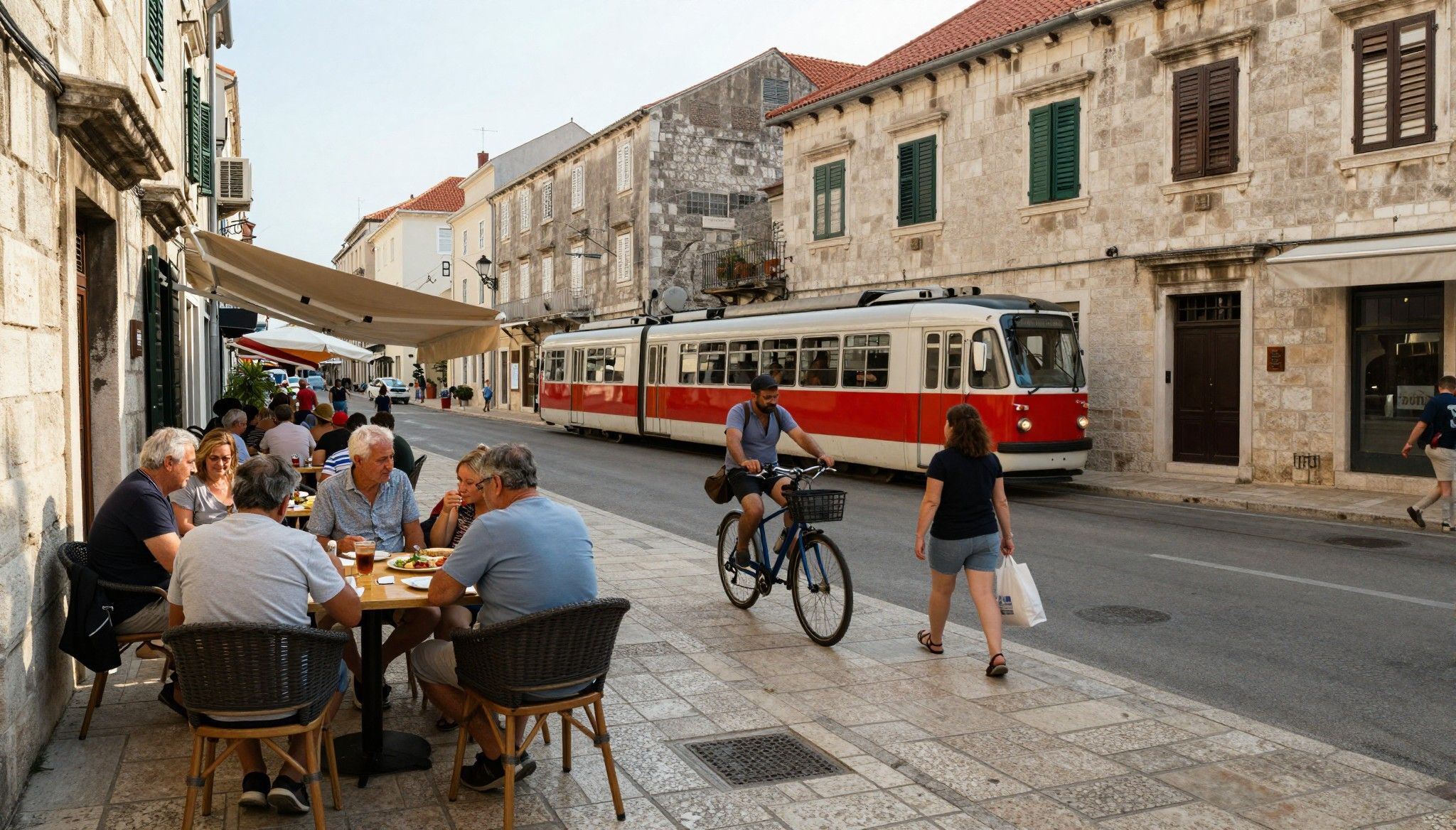
Italy’s daily life is sensory and social. Mornings favor caffè and quick strolls through markets; afternoons revolve around family meals and passeggiata; evenings are for aperitivo in piazzas. These rhythms shape demand: compact central flats attract short‑term and business renters, while larger townhouses near markets and train stations suit longer‑stay tenants and families.
City cores: Milan’s efficiency, Rome’s narrative
Milan is modern business flavour — neighborhoods like Brera, Navigli and Porta Romana combine coworking demand with international tenants. Rome’s Centro Storico and Prati sell a story: high tourist visibility, complex ownership rules, but consistently high nightly rates for short lets. Prime price dispersion is wide: Milan and Florence command significant premiums compared with much of southern Italy. Savills shows clear city‑prime strength, which investors must weigh against entry price per square metre.
Seaside towns and hilltop villages: seasonality with upside
Places like Amalfi Coast, Taormina or Porto Ercole deliver high seasonal premiums and postcard demand, but their yields fluctuate. Smaller Ligurian towns and Puglia villages have matured into year‑round markets as remote work spreads. Idealista’s regional data shows that while prime coastal prices can rival city centres, inland and secondary coastal towns offer lower entry costs and often higher gross yields.
- Lifestyle highlights: piazza routine, morning markets (Mercato di San Lorenzo, Mercato Centrale), cafes (Caffè Florian in Venice, Pavé in Milan), coastal walks (Cinque Terre, Salento), annual festivals (Palio di Siena, Umbria Jazz), and weekend food markets where neighbourhoods come alive.
Making the move: practical decisions that preserve the lifestyle

The emotional pull is strong, but translate it into metrics. National house prices rose modestly in recent years with divergence between new and existing stock. Use local price per square metre, short‑let demand, and transport links as primary filters; these variables determine vacancy risk and achievable rents more than the postcard view.
Property types: what fits which lifestyle (and yield profile)
Compact historic apartments (60–80 sqm) excel for short‑lets and business travellers — higher nightly rates but management intensity. Suburban modern flats near stations suit longer‑term rentals with stable yields. Rural villas and farmhouses require renovation but can produce superior total returns through value‑add and agritourism conversion. Factor renovation readiness into acquisition price: much domestic stock predates 1980 and often needs upgrades to meet tenant expectations.
Working with local experts who know both lifestyle and numbers
- 1. Ask agents for comparable yields (gross and net) and at least three recent local lettings. 2. Request a breakdown of expected annual operating costs (condominium fees, local IMU property tax, maintenance). 3. Verify transport walk‑scores: proximity to a station or tramline materially lifts occupancy year‑round. 4. Insist on historical occupancy or booking data for short‑lets. 5. Factor EPC/energy upgrades into total cost; incentives exist but administration can be slow.
Insider knowledge: the expat truth‑checks you won’t hear in glossy brochures
Expats often discover two surprises: (1) legal and local administrative timelines are longer than expected — permits and renovations move slowly; (2) seasonality is real — a seaside property’s headline rental income can fall in non‑tourist months. Recent coverage shows national price growth has been modest, underscoring the value of micro‑market selection over country‑wide assumptions.
Cultural integration, language and everyday logistics
Neighbourhood choice affects integration: choose university towns (Bologna, Padua) to access international communities and long‑term tenants; central neighbourhoods with active markets ease daily life and attract repeat visitors. Learning key Italian phrases expedites local bureaucracy and builds landlord goodwill; many expat landlords hire bilingual property managers for tenant screening and compliance.
Long‑term lifestyle sustainability and market signals
Gross rental yields vary by city — secondary cities and smaller towns often show stronger percentage yields than prime centres. Use yields (gross and net) alongside vacancy trends and local employment growth to judge sustainability. Infrastructure projects and tourism diversification frequently reprice formerly overlooked towns, so track regional economic indicators and transport upgrades.
- Red flags to watch before you buy: opaque ownership history, missing energy certificates, unresolved condominium debts, properties in flood-prone micro‑areas without mitigation, and listings priced far below local comparables (often a sign of deferred maintenance or legal complexity).
Italy delivers a lifestyle that’s easy to fall in love with and, with disciplined micro‑market analysis, attractive investment outcomes. Start with neighbourhood visits timed across seasons, ask agents for rental histories, and prioritise transport and amenities over pure scenery. When those elements align, the everyday pleasures — morning markets, aperitivo at sunset, and a steady tenant roster — become a repeatable return on both quality of life and capital.
British expat who moved to the Algarve in 2014. Specializes in portfolio-focused analysis, yields, and tax planning for UK buyers investing abroad.