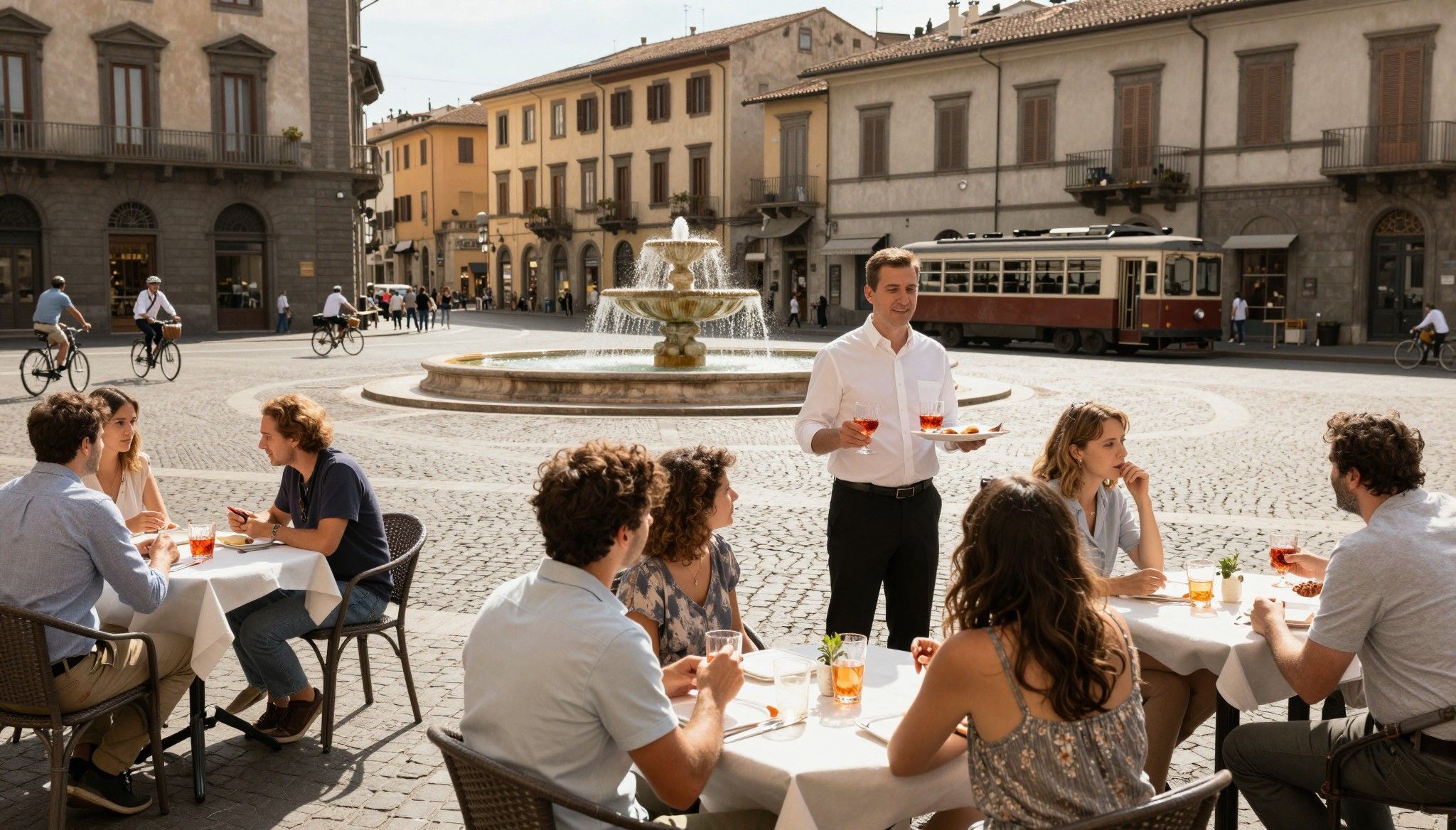
Italy: When Lifestyle Meets Taxes — What Truly Moves Yields
Fall in love with Italy’s streets and markets, then make the numbers work: purchase taxes, IMU, energy and seismic compliance and local tenancy patterns change yield assumptions.
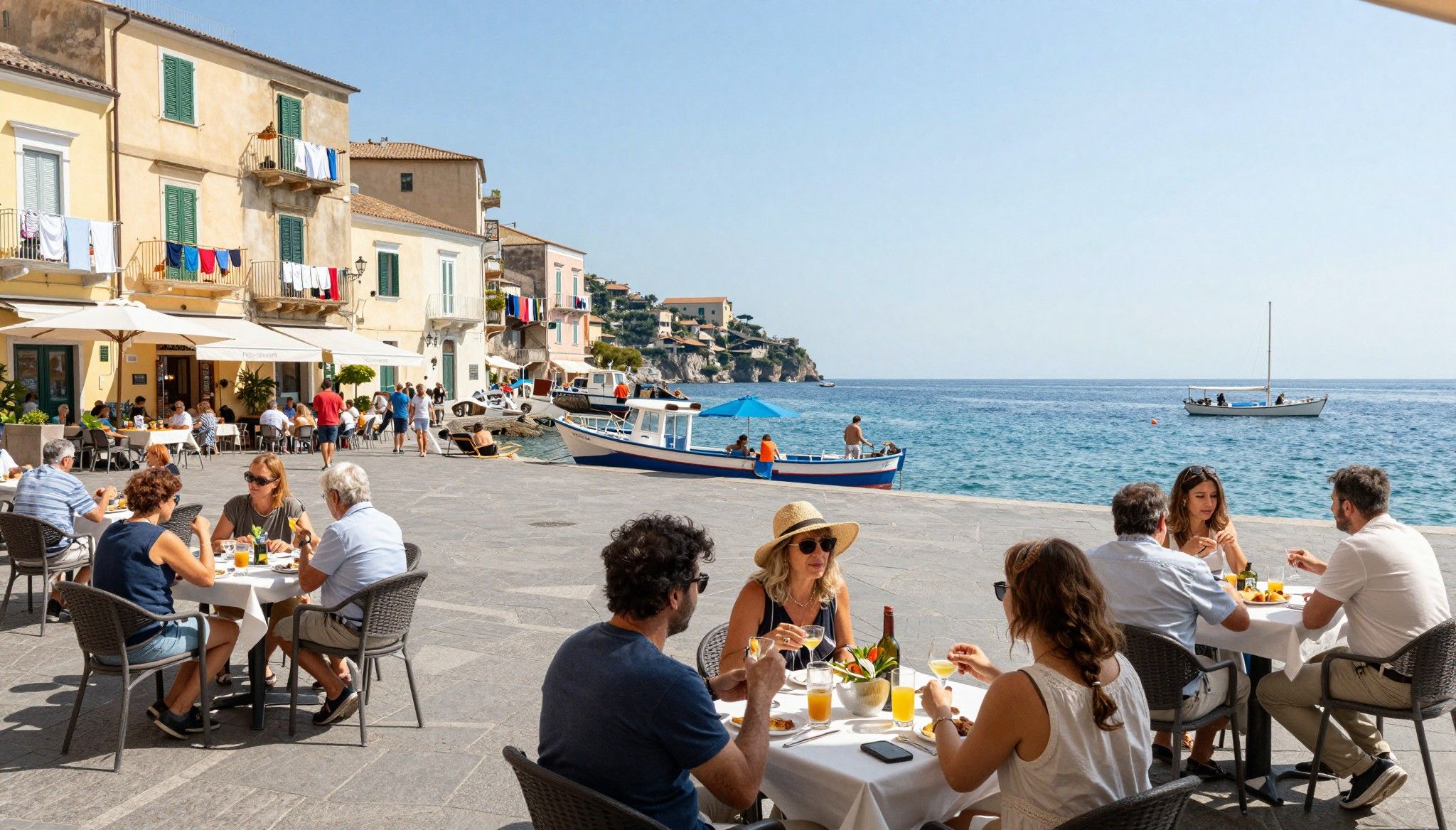
Imagine sipping an espresso at a corner bar on Via dei Coronari in Rome, then walking ten minutes to a restored palazzo where a short‑let investor has split two floors into high‑yield rentals. That same fantasy plays out differently in Puglia’s trulli clusters, Lake Como villas, and a one‑bed above a trattoria in Bologna’s Santo Stefano. Italy’s emotional pull—food, piazze, coastline, centuries of architecture—meets a legal and tax landscape that changes the maths of buying. This piece stitches the lived reality of Italian neighbourhoods to the precise, practical rules that shape returns for international buyers.
Living the Italy lifestyle: sensory streets, seasonal rhythms
Italy is not one place; it is a dozen daily rhythms. Mornings begin with brisk cafés and cornetti in Milan’s Brera, afternoons slow to passeggiata in Florence’s Oltrarno, and nights in Naples feel like close‑knit neighbourhood theatre where balconies become social stages. Weather and season rearrange life: spring markets burst with asparagus in Emilia‑Romagna, autumn hosts grape harvest vigour in Tuscany and Piedmont, while winter brings quiet coastal towns into bargain territory. For buyers, the lived experience—commute times, market days, summer tourism flows—translates directly into rental seasonality and tenant demand.
Neighbourhood spotlights: Milan, Bologna, Puglia's Ostuni
In Milan’s Isola and Navigli you find co‑working dens, young professionals, and steady long‑let demand—prices per square metre are city‑high but yield stability is superior for rental investors. Bologna’s university quarter supplies constant student and academic demand; small multifunctional apartments rent quickly with good gross yields. In Ostuni and Martina Franca (Puglia), stone houses attract seasonal tourism and buyers after sustainable agritourism returns—expect higher seasonality and management needs but lower purchase prices than coastal Amalfi comparables.
Food, markets and the rhythm of tenancy
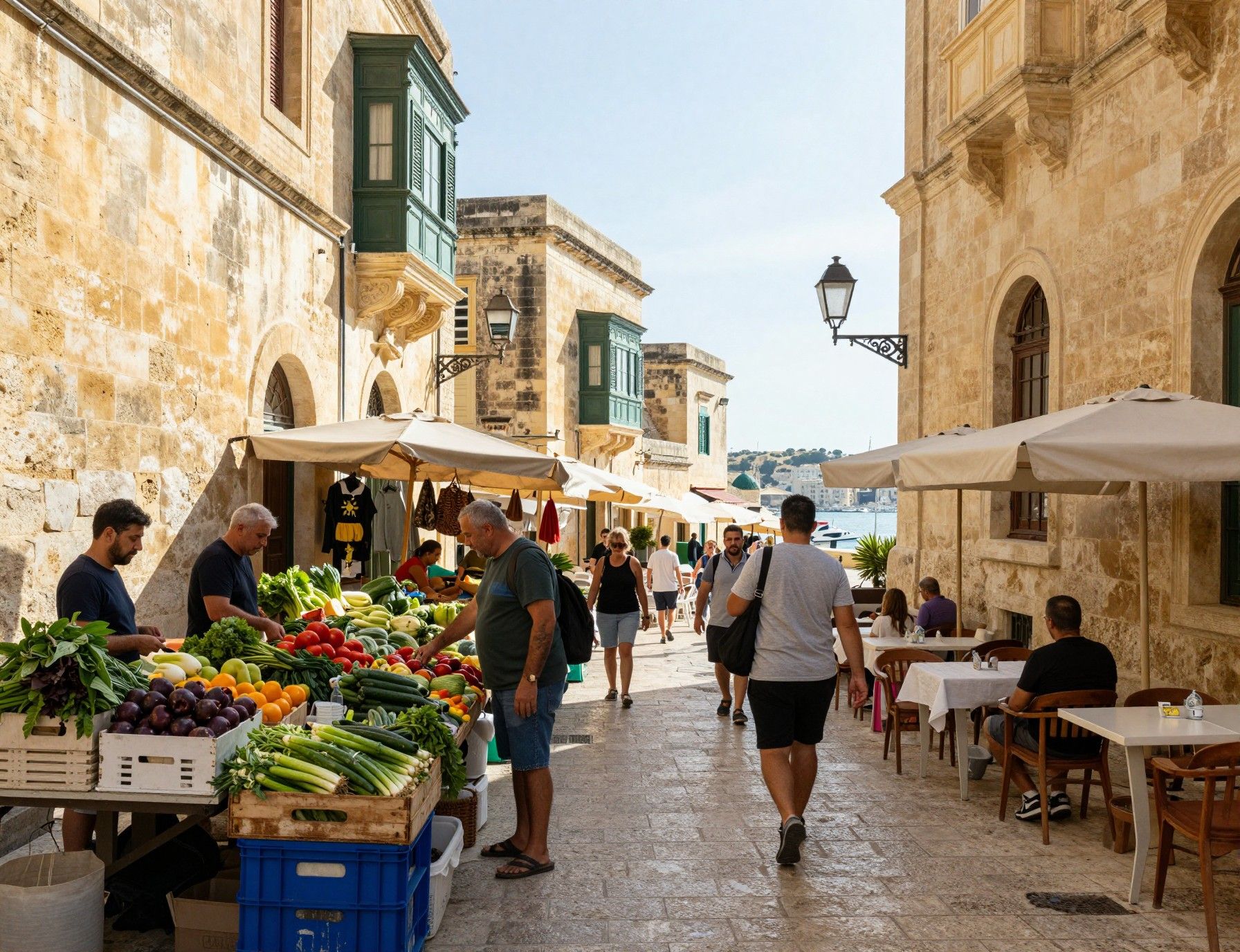
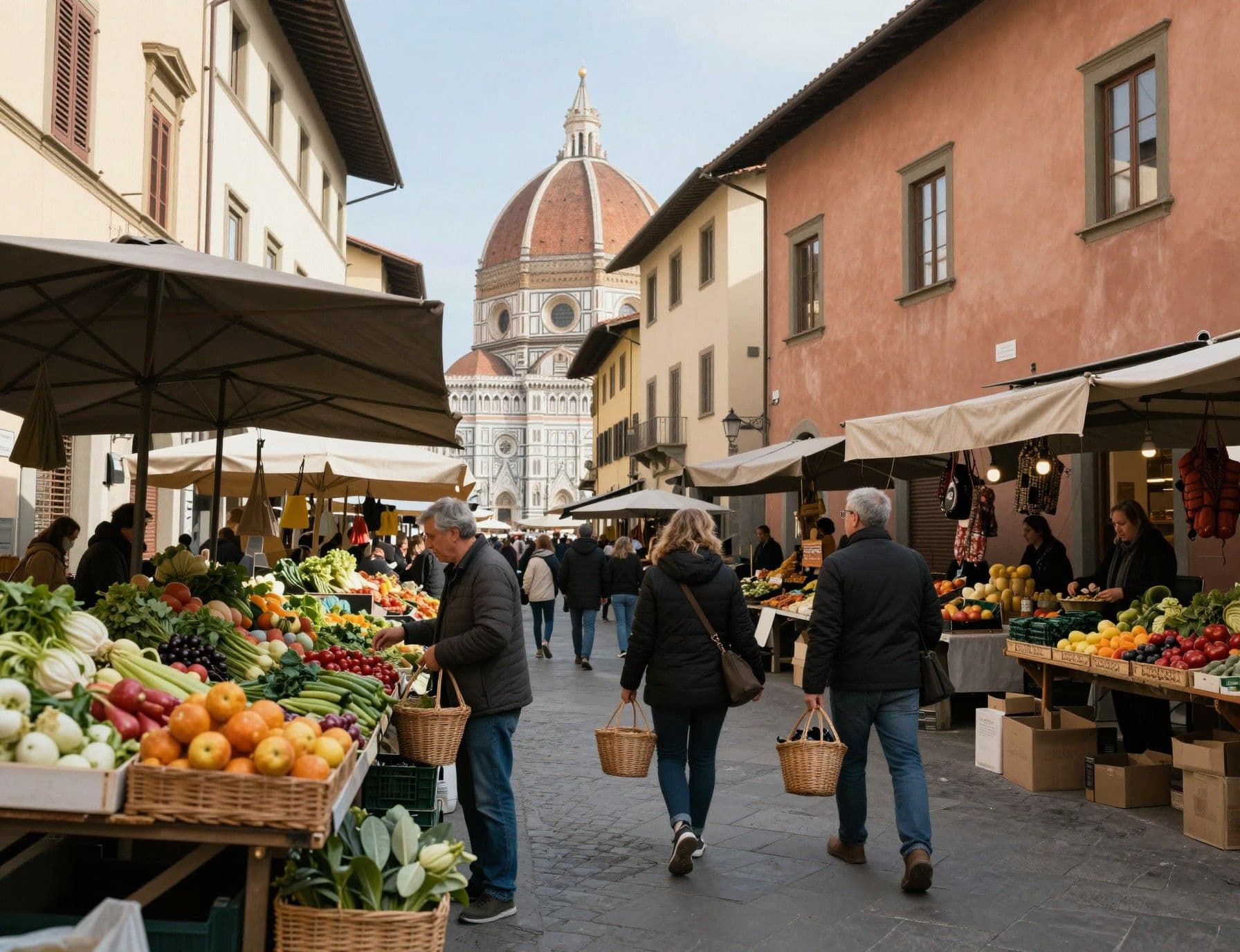
Markets and neighbourhood life shape tenant profiles. City centre flats near fresh markets and tram lines attract professionals and short‑term corporate lets; proximity to markets like Mercato Centrale in Florence or Turin’s Porta Palazzo is a pull for food‑centric lifestyle renters. Recent national house price data shows modest nominal growth and patchy regional variation—urban cores outperform many inland southern towns—so match neighbourhood character to your target tenant. (See ISTAT housing price index for regional patterns.)
- Morning espresso on a street with tram access (Milan, Turin) — steady professional tenants
- Weekly open‑air market proximity (Florence, Bologna) — lifestyle renters who value walkability
- Seasonal coastal life (Puglia, Amalfi) — higher summer yields, off‑season vacancy risk
Making the move: practical considerations that change the numbers
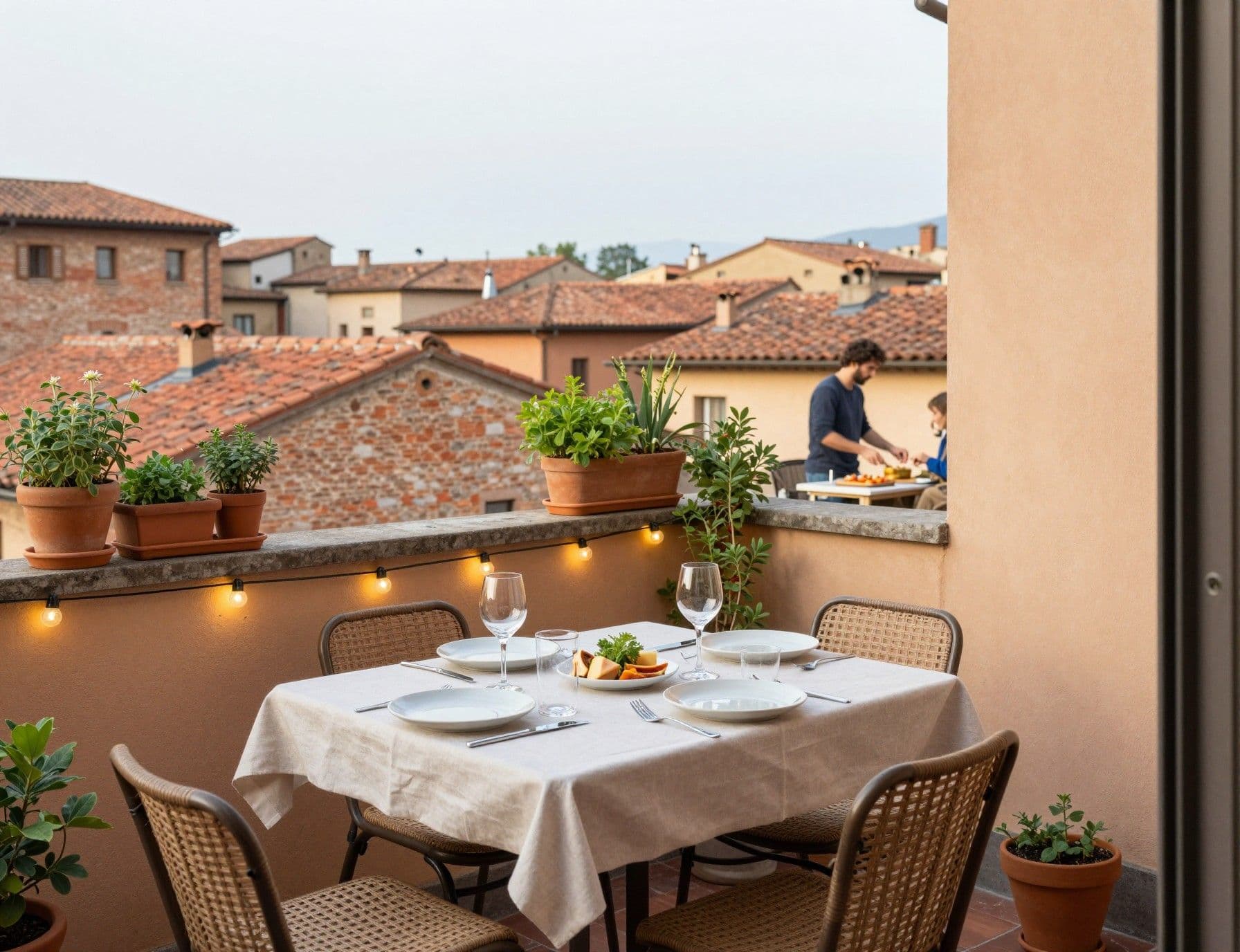
Translating romance into returns means quantifying purchase taxes, recurring municipal levies, notary fees and the gap between cadastral and market value. Italy’s system differentiates 'prima casa' (primary residence) benefits from second‑home treatment; purchase taxes can fall from a flat 9% (typical second‑home rate on cadastral value) to 2–4% for first‑home purchases when rules apply. National guidance and notary practice determine stamp duty and registration tax mechanics—use the Agenzia delle Entrate and embassy guides to model acquisition costs precisely before making offers.
Property styles and how they affect total cost of ownership
Historic apartments (centro storico) often have low cadastral values that favour registration tax bases but hidden maintenance costs—condominium fees, façades, seismic upgrades. New builds carry VAT (if bought from developer) which can be 4% for first homes or 10–22% otherwise; they usually have lower surprise maintenance but higher sticker prices. For investors, calculate cap‑rate impact: add IMU (municipal property tax), TARI (waste) and estimated condo fees to gross rent to get a realistic net yield. Use a local tax guide to apply rates to the cadastral base rather than the sale price when relevant.
Working with specialists who protect both lifestyle and yield
- Engage a notary early to verify title, encumbrances and the cadastral classification; a notary is mandatory for transfer and reduces legal risk.
- Hire a local accountant (commercialista) to model taxes: IMU, cedolare secca (optional flat tax for rental income), and registration tax scenarios that change net yield materially.
- Use an agency with demonstrated operational capability (property management, short‑let compliance) if you plan to rent; lifestyle match is necessary but operational competence preserves yield.
Insider knowledge: myths, red flags and the lived‑in realities
Myth: 'Italian coastal towns always equal high returns.' Reality: mass‑tourism hotspots show high headline rents in summer but deep winter vacancies and rising management costs. Red flag: properties sold as 'ready to rent' without recent energy or seismic compliance certificates—these can mean enforced upgrades and capex that wipe initial yields. Official data show Italy’s price momentum is uneven; some city cores outperform while many inland or peripheral towns remain static. Use objective price indices (ISTAT, Eurostat) when stress‑testing scenarios.
Cultural quirks that matter for investors
Unspoken rules—neighbour committees, historic conservation boards, and annual council decisions on IMU rates—change operating costs. Inheritance and succession rules interact with EU cross‑border regulations; plan exit strategies with succession law in mind if you intend family transfer or sale. Also, language matters: many municipal offices still transact primarily in Italian—budget for translation or a trusted local representative during purchase and compliance tasks.
- Red flags and quick checks
- No energy certificate (APE) or seismic assessment: potential forced investment.
- Unclear condominium accounts or pending façade works: hidden liabilities.
- Seller‑arranged rental forecasts without documented occupancy or bookings history: ask for verifiable data.
A high‑quality local agency will surface these risks early and price them into offers. Don’t accept
How life changes after the move — realistic transformations
Buyers often overestimate instant social integration; the first six months are about logistics—utilities, residency paperwork, and building relationships with a local baker and building superintendent (portinaio) if present. Over time, weekday rhythms, local clubs, and market rituals fold you into community life. From an investment view, occupancy stabilises after the first year when you’ve established reliable cleaning, maintenance and tenant channels. Plan for that ramp‑up cost and hold period in your return model.
- Stepwise next actions for serious buyers
- 1) Run a regional price check (ISTAT, local portals) and compare asking price to recent sold prices.
- 2) Get a notary to preliminary‑check title and cadastral classification before an offer; ask for recent condominium minutes.
- 3) Ask a commercialista to model net yield under cedolare secca vs ordinary taxation and estimate IMU/TARI exposure.
- 4) Budget for a 6–12 month operational ramp (management, repairs, compliance) before steady net returns.
Conclusion: Italy sells an idea of living beautifully; a disciplined buyer turns that idea into a measured investment. Start with the sensory—the espresso, the mercato, the light on an old façade—then run the numbers against documented tax and registry rules. Use ISTAT and government guidance to benchmark price expectations, engage a notary and commercialista early, and choose an agency that can operationalise the lifestyle without sacrificing yield. With realistic modelling and local expertise, Italy can be both a place to live and a portfolio allocation that earns its keep.
Swedish financier who guided 150+ families to Spanish title deeds since relocating from Stockholm in 2012, focusing on legal and tax implications.