When Cyprus Tightens: New Rules That Reprice Returns
Regulatory shifts in Cyprus — foreign‑buyer rules and non‑dom tax clarity — can materially reprice rental returns; combine lifestyle choices with legal diligence.
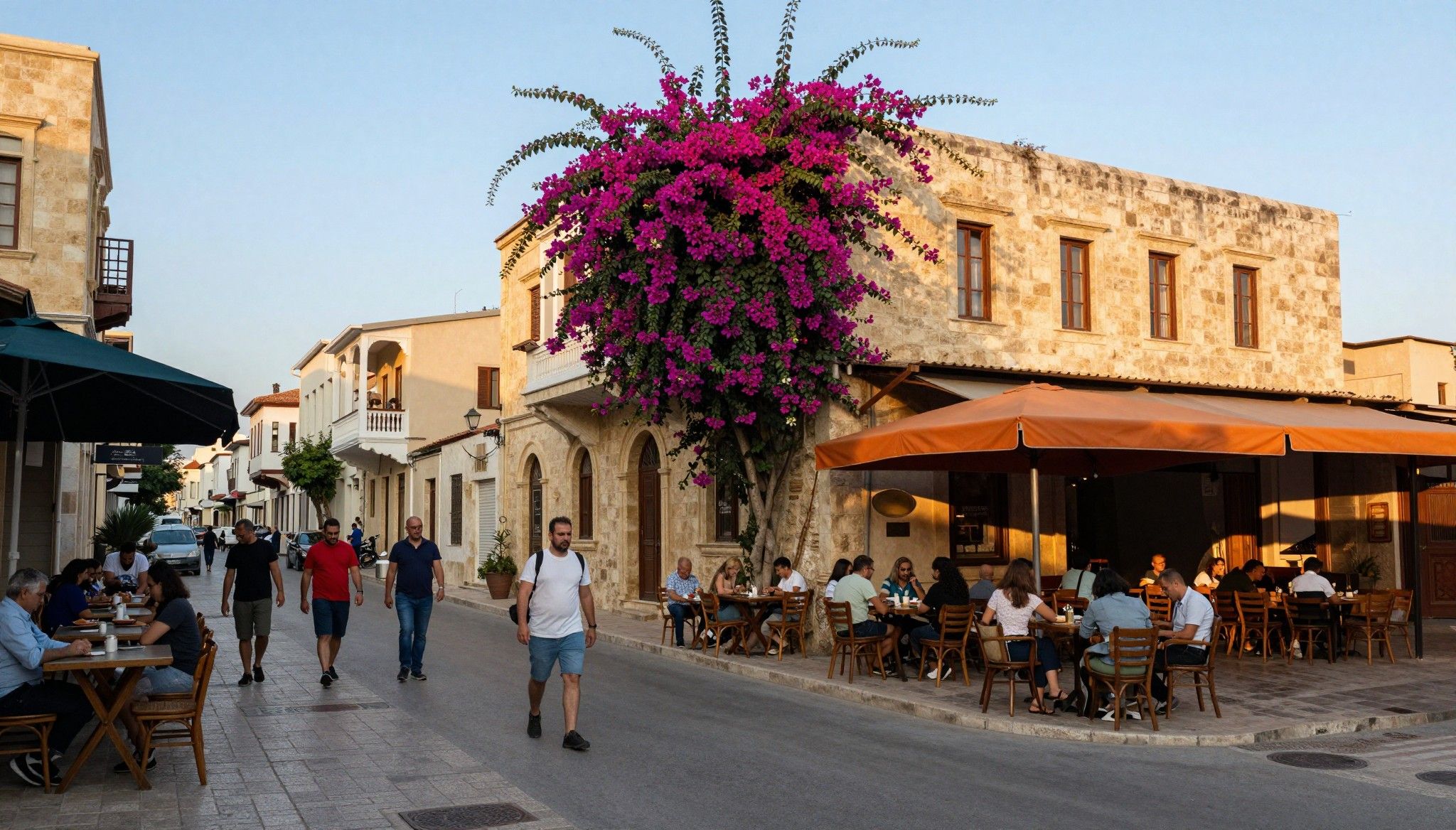
Imagine a late‑afternoon espresso at Eleftheria Square in Nicosia, the sound of scooters, and bougainvillea tumbling over limestone facades — and then imagine your return on that apartment being reshaped not by seasonality but by a single parliamentary vote. Cyprus feels small and sunlit; its regulatory shifts are not. Recent market analysis shows modest price rises but increasing regulatory attention that can materially reprice returns for international buyers.
Living the Cyprus Lifestyle
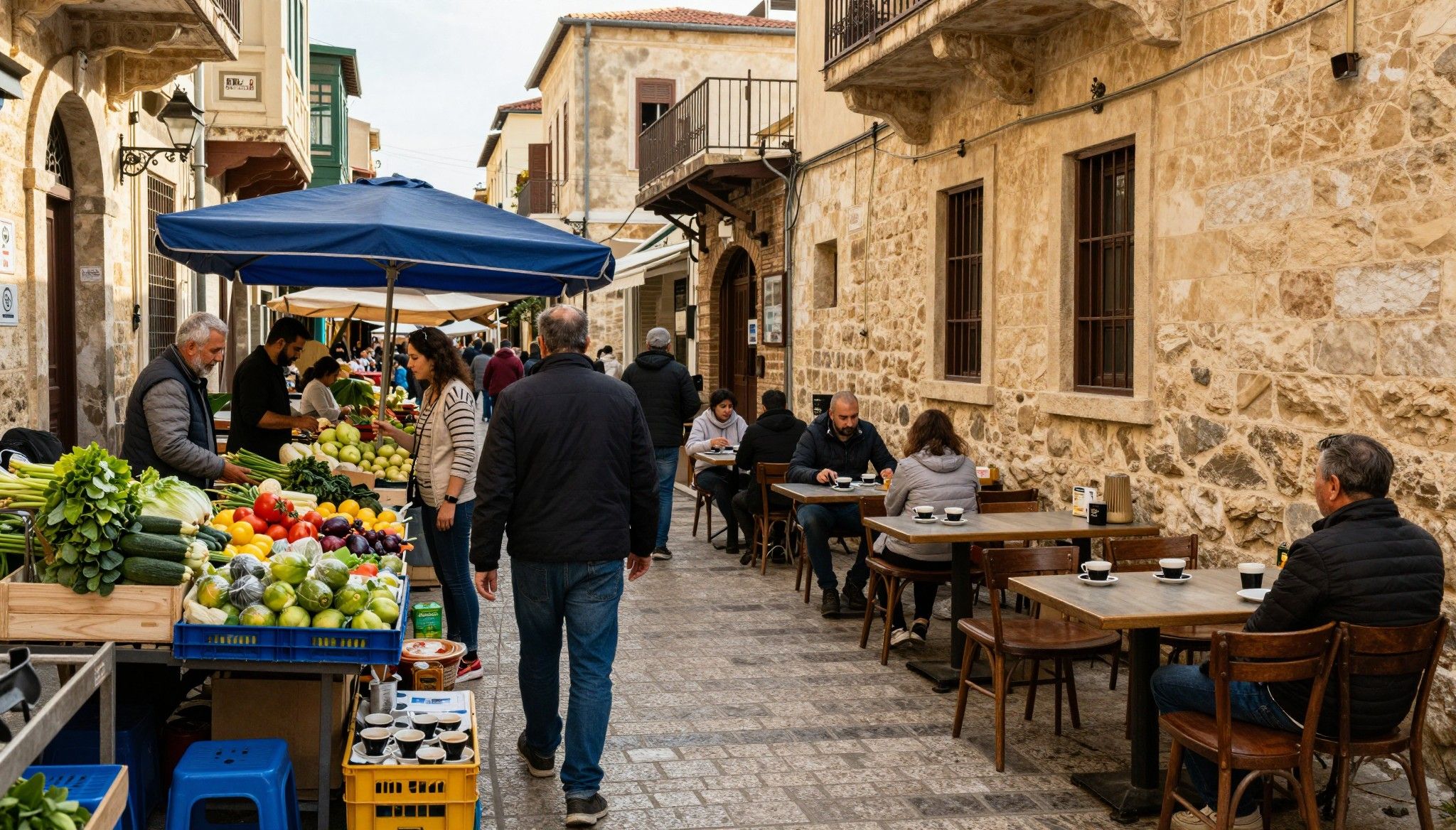
Life here runs at Mediterranean tempo: mornings at kafeneions in Limassol’s Anexartisias Street, lazy beach afternoons at Fig Tree Bay, and market mornings in Larnaca’s municipal market where fresh halloumi is still warm. For buyers, lifestyle maps directly to micro‑markets: walkable historic cores suit short‑let assets; coastal avenues and resort belts suit long‑season rentals; mountain villages in Troodos suit buyers seeking lower price per m² and rental niche demand.
Neighborhood spotlight — Limassol’s Molos to Pierides
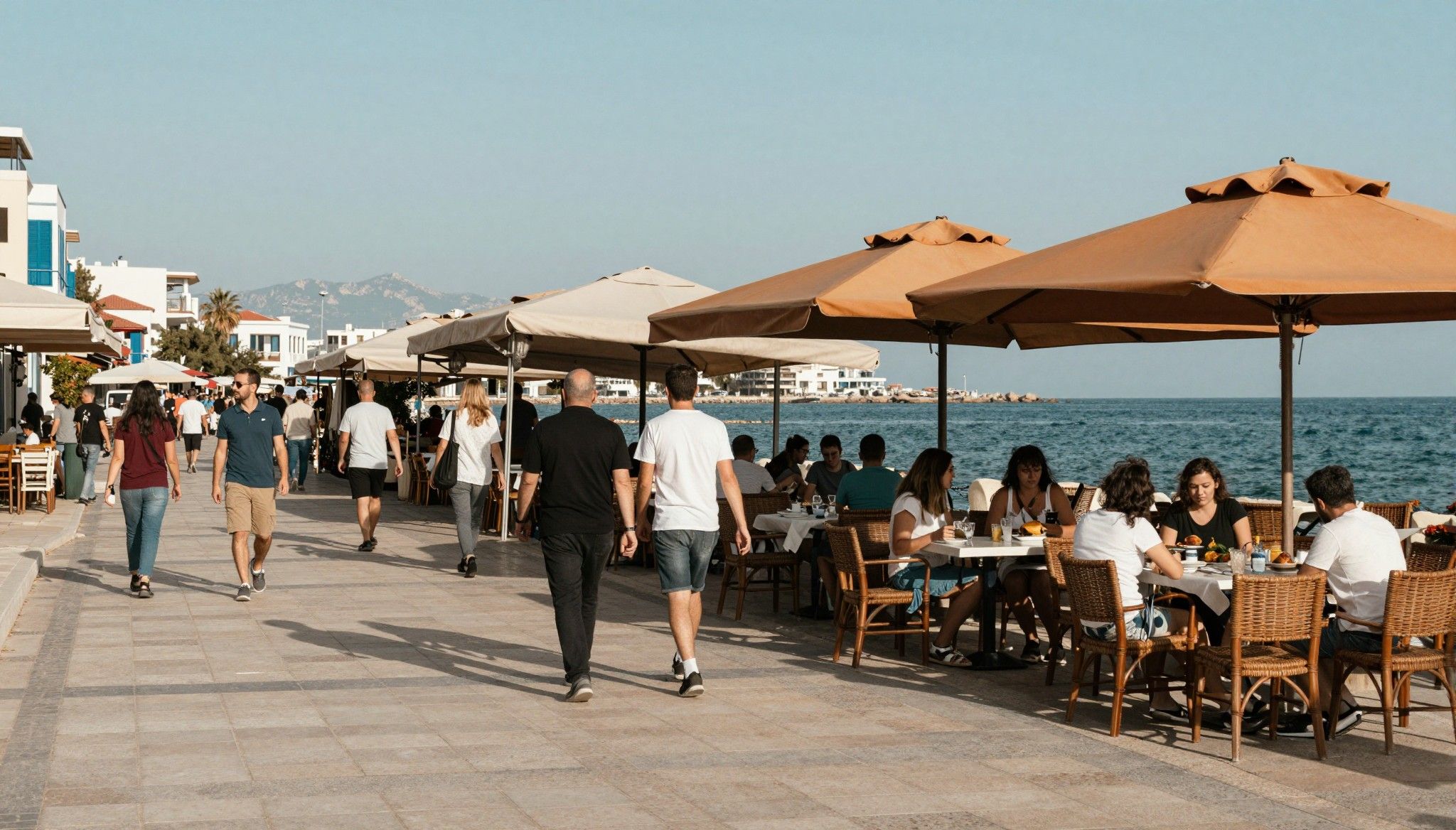
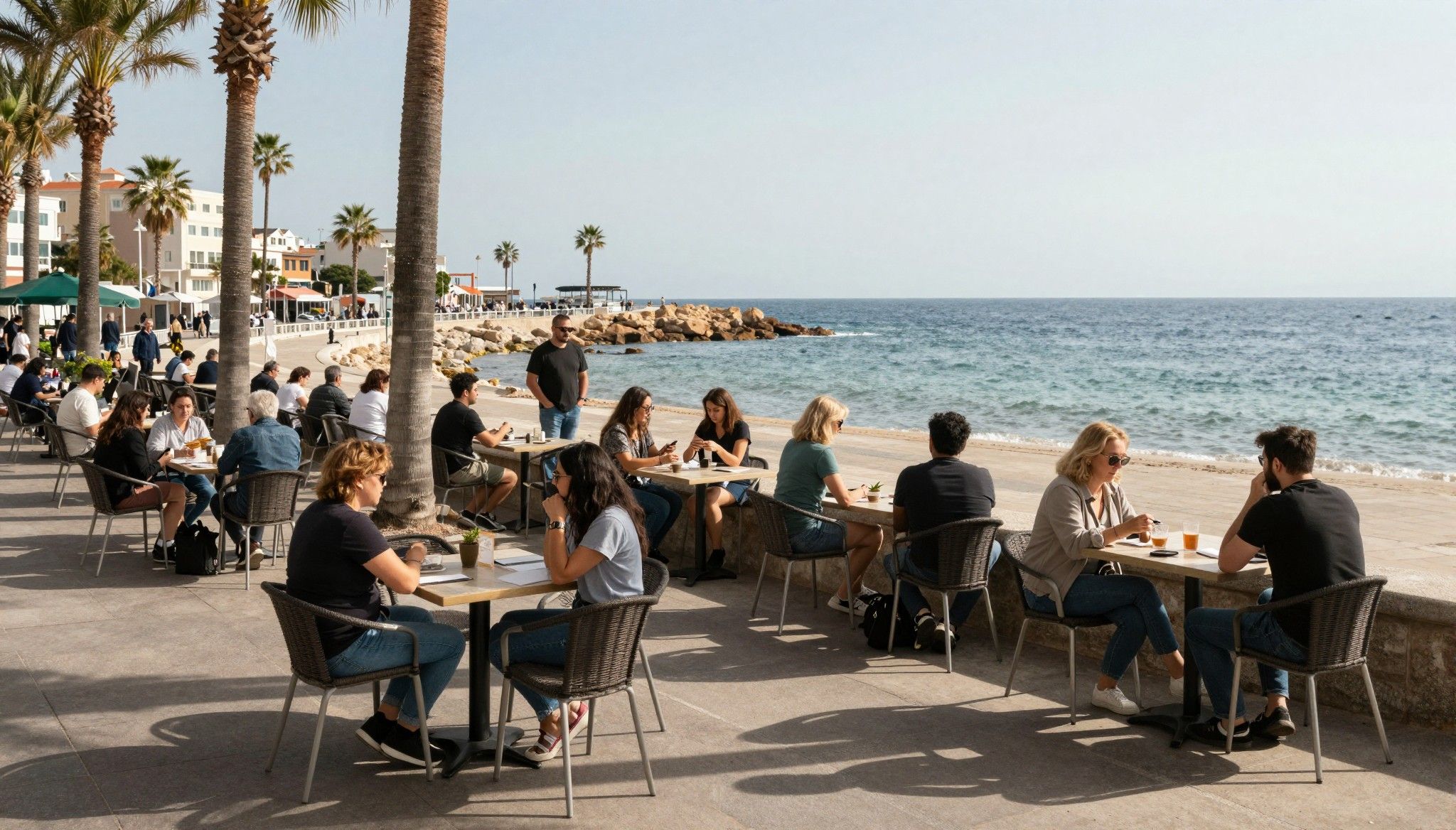
Picture morning jogs by Limassol’s Molos promenade and espresso at Pierides Museum café. That stretch attracts high tourist occupancy and corporate relocations, supporting steadier short‑term yields — but it also commands premium price per m². For yield‑focused buyers, Molos offers rental demand consistency; the trade‑off is higher entry cost and greater sensitivity to regulatory changes affecting tourist and short‑let rules.
Food, markets and weekday rhythms
From fish tavernas on Larnaca’s Finikoudes to family‑run tavernas in Paphos’ Kato Paphos, food anchors rental demand: properties near markets and authentic dining scenes attract longer bookings and repeat visitors. Seasonal festivals — wine festivals in Limassol (September) and olive harvest events inland (November) — create predictable high‑demand windows that savvy investors can monetize without overexposing to peak‑season volatility.
- Lifestyle highlights
- Molos promenade (Limassol) — consistent tourist footfall and corporate rentals
- Fig Tree Bay (Protaras) — premium holiday yields but strong seasonality
- Nicosia old town — year‑round urban rentals for professionals and students
Making the Move: Practical Considerations
Lifestyle purchases must meet regulatory reality. Cyprus’ Residential Property Price Index and housing loan flows show continued demand, but policy attention has shifted to foreign ownership rules and tax residency incentives. That combination can change effective yields: stamp duty, municipal levies, and — critically — evolving permit requirements for non‑EU purchasers affect time‑to‑rent and cashflow assumptions.
Property styles and how they shape returns
New apartments in coastal resorts deliver higher headline nightly rates but wider vacancy swings; city flats near universities or hospitals produce steadier monthly rents and lower management overhead. Renovated traditional homes in villages present lower purchase prices and attractive long‑term appreciation potential — but require careful assessment of building permits and utility connections, which can be slow in rural cadastre offices.
Work with local experts who translate lifestyle wants into compliant investments. Tax advisors explain the non‑dom (non‑domiciled) exemptions that can materially improve net rental returns for qualifying residents; lawyers vet title, especially near the island’s divided north where land claims remain a legal risk. Agency partners with cross‑discipline teams reduce surprises and compress time‑to‑rent.
- Practical steps blending lifestyle and process
- Identify your preference (coastal short‑let, city long‑let, mountain seasonal) and model conservative occupancy—use 60–70% for holiday zones, 85–90% for city lets.
- Run total cost of ownership: purchase price per m² + recurring taxes + realistic maintenance (budget 1–1.5% of value annually) to calculate net yield.
- Confirm permit and title status with a Cyprus lawyer before exchange; ask for historical cadastre searches and utility certificates.
Insider Knowledge: Regulatory Changes That Reprice Returns
Here’s the contrarian truth: the most important regulatory risk for international buyers is not taxes on rental income but rules that change access to property or add bureaucratic delay. Parliamentary proposals and amendments in recent years have targeted foreign acquisitions, corporate ownership structures, and restrictions on agricultural/forest land purchases — any of which can raise entry costs and extend holding periods.
What to watch now
- Tighter foreign‑buyer criteria — increased vetting, limits on legal‑entity purchases.
- Restrictions on buying agricultural/forest land by non‑EU nationals — narrows development upside.
- Enforcement on disputed northern properties — legal cases increase title risk and reduce resale liquidity.
Combine regulatory monitoring with market data: the Central Bank’s RPPI shows which segments cool first. A rise in housing loans alongside slower apartment price growth signals where leverage is building — an early warning that regulatory tightening could disproportionately hit highly leveraged, speculative coastal projects.
Red flags every international buyer should log
- Permits pending more than 6 months for utility connections or change of use.
- Seller offering “off‑plan” titles without cadastre registration.
- Property marketed in the north while title is held under Greek Cypriot claims — legal risk to resale.
What Expats Wish They’d Known
Expats tell one simple story: the lifestyle is easy, the paperwork is not. Understanding non‑dom status, timing arrival to capture favorable tax years, and aligning purchase with visa/tax residency plans materially improve net returns. Work with a tax advisor to forecast SDC exposure and plan distributions — small timing changes can mean thousands saved annually.
Long‑term lifestyle and regulatory resilience
Plan for regulatory cycles. Buy where fundamental demand is resilient (near hospitals, universities, corporate hubs) rather than buying the postcard. That mitigates the impact of future rules that may restrict holiday lets or foreign ownership. In short: match lifestyle priorities to structural demand to protect yields over policy cycles.
Conclusion: Cyprus is a living, breathing mix of sun, ritual and regulation. Fall in love with the cafés and coastlines, but treat the paperwork like part of your financial plan. Track central bank data, monitor parliamentary changes to foreign‑ownership law, and secure cross‑disciplinary advisers who convert lifestyle dreams into compliant, yield‑positive assets.
British expat who moved to the Algarve in 2014. Specializes in portfolio-focused analysis, yields, and tax planning for UK buyers investing abroad.