Infrastructure Beats Postcards: Italy’s Connectivity Edge
Italy sells life — but real returns are written by transport links, seasonality and local regs. Match the neighbourhood’s rhythm to funded infrastructure plans for repeatable yields.
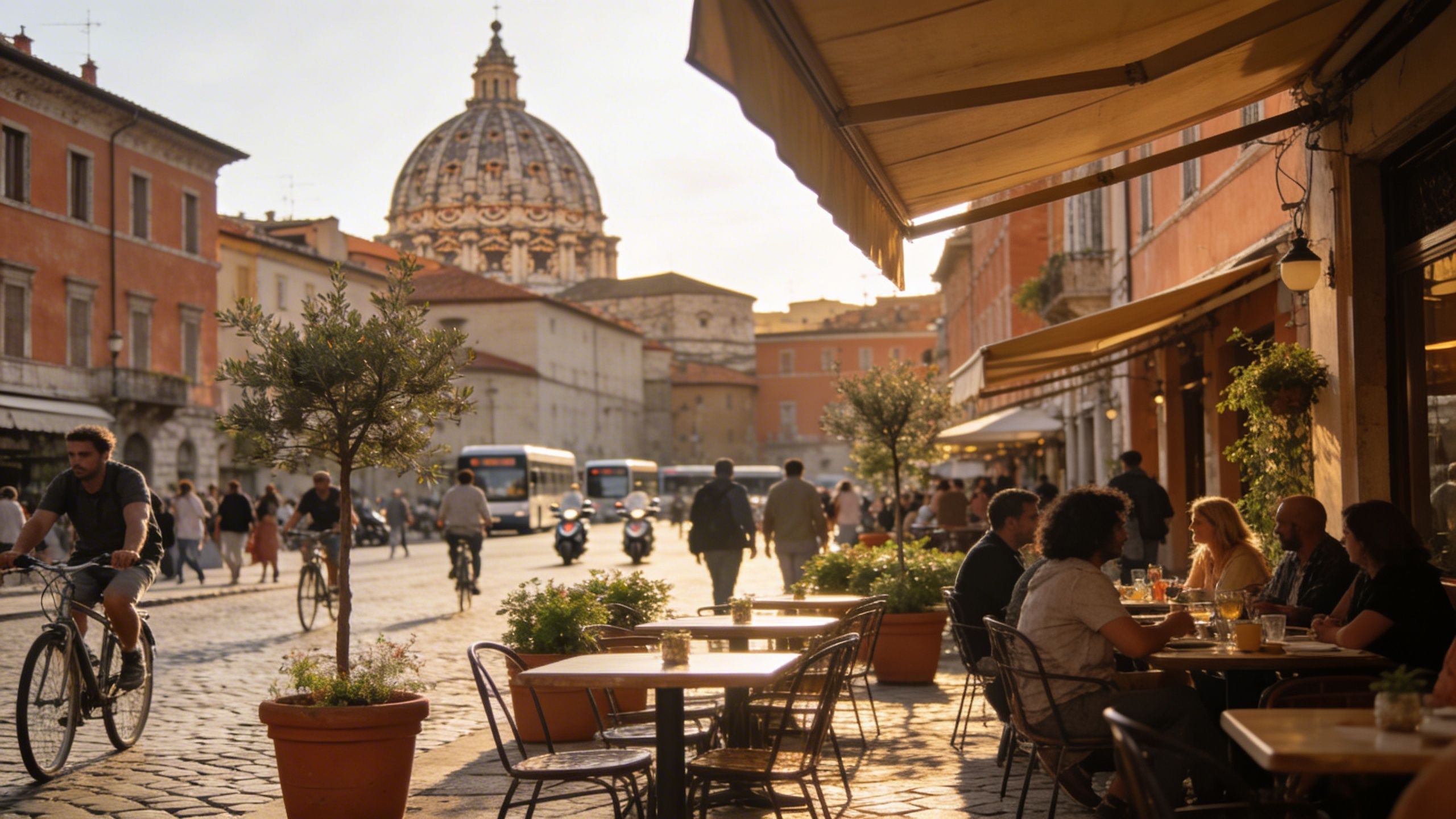
Imagine standing at a narrow café table on Via dei Coronari in Rome, the smell of espresso and baking bread folding into conversation while a tram rattles past — and knowing that your property choice must balance that daily charm with railway timetables, yield math and rental seasonality. Italy sells a life: piazzas that pulse at dusk, coastal mornings scented with salt and lemon, and hilltop towns where time is measured in market days. For international buyers that romance must be married to infrastructure: high-speed rails, expanding airport routes, and regional regeneration projects that materially reprice returns. This piece pairs the lived-in pleasures of Italian neighbourhoods with the transport and connectivity signals that investors should read aloud before writing an offer.
Living the Italy Lifestyle: Streets, Seasons, and Signals
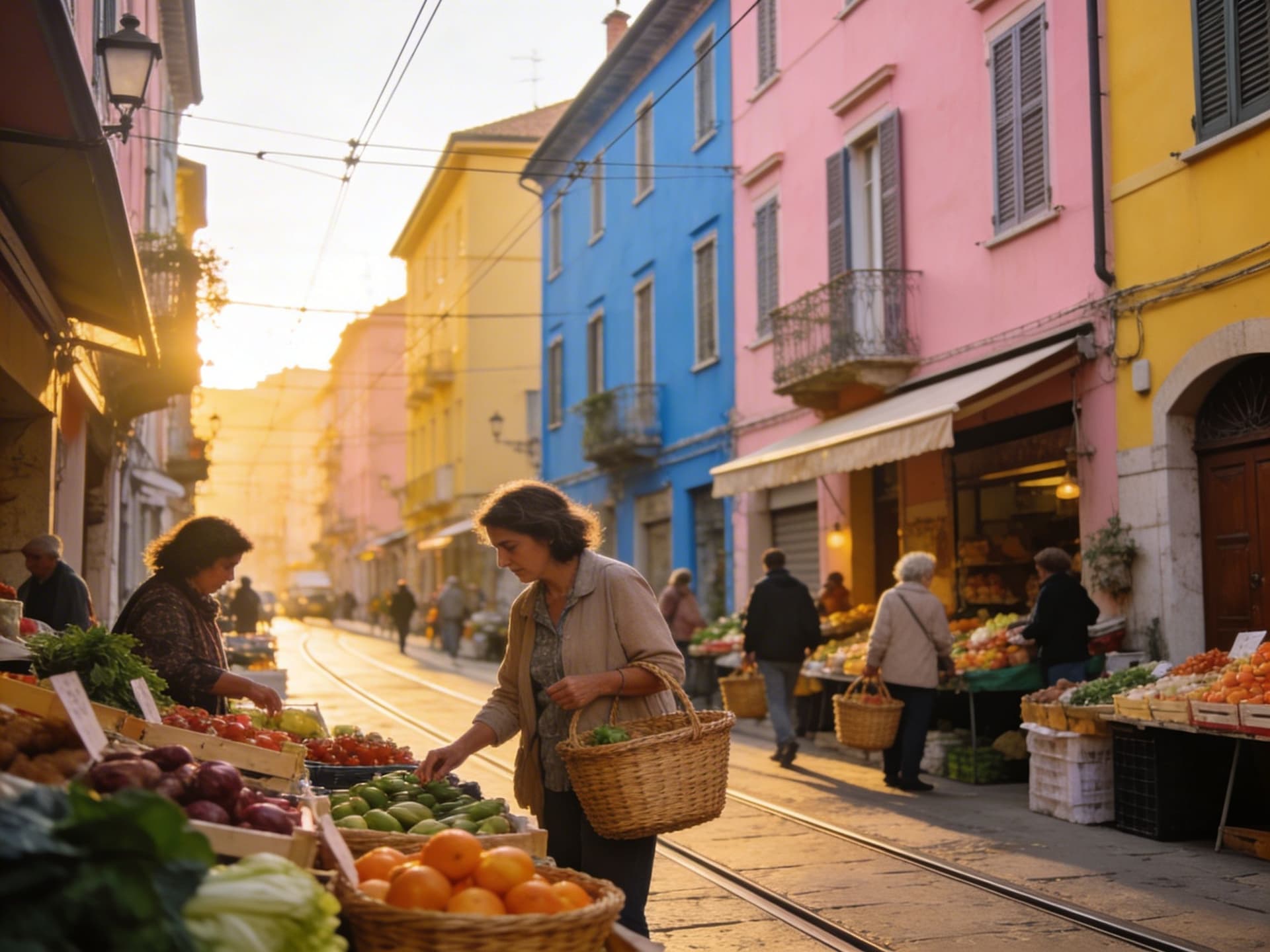
Italy’s lifestyle variety — from Milan’s business mornings to the slow afternoons of Puglia’s trulli towns — determines what you’ll actually use a property for. Places with café-lined streets and short walking distances to transport nodes (e.g., Florence’s historic centre or Milan’s Navigli) behave differently as assets than remote hilltop villas that depend on car access and seasonal demand. Average price dispersion is wide: prime Milan and coastal hotspots command several thousand euros per square metre while southern provincial towns can be an order of magnitude cheaper, which changes both expected capital growth and gross yield expectations. Read these lifestyle signals against local transport upgrades: where rails, airports or ports see investment, rental and resale dynamics follow.
Neighbourhood spotlight: Rome’s Trastevere vs EUR
Trastevere still sells the postcard life: cobbled lanes, late-night trattorie and strong short-let demand for tourists. EUR — Rome’s planned 20th‑century district — offers wider streets, offices and a more stable long‑let market for professionals. For an investor, Trastevere can deliver seasonal premium rents but higher management and vacancy risk; EUR delivers steadier rental cash flow tied to commuter and corporate demand. Gross yields vary by micro‑area: inner-city tourist zones can show strong headline rents but weaker net yield after management and downtime; established commuter hubs generally produce lower headline rents but better occupancy.
Food, markets and rhythm: where daily life meets asset use
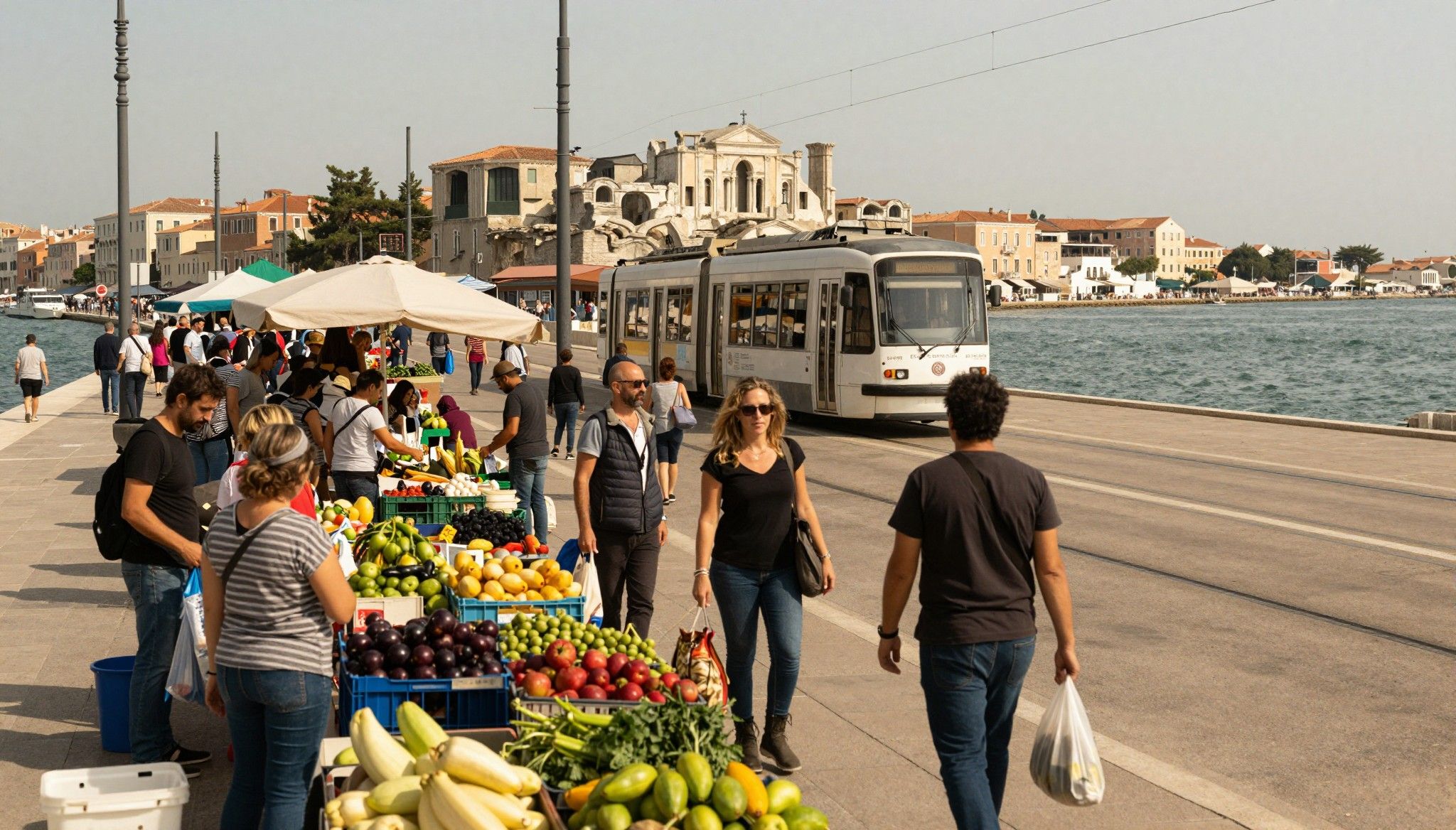
Picture a Saturday morning at Mercato di Sant’Ambrogio in Florence or the fish market in Catania: these are not just lifestyle perks but demand drivers for short-lets and long-term neighbourhood desirability. Areas with weekly markets, good schools and frequent transit see steadier long‑term rental demand among locals and expats. Conversely, scenic but isolated towns spike during festival or holiday weeks and fall quiet off‑season — a pattern that should shape expected monthly cashflows rather than headline annualised yields.
- Lifestyle highlights: real places that matter
- Strolling Campo de' Fiori market and dinner on Via dei Coronari (Rome)
- Terrace espresso and tram access in Brera (Milan)
- Sea‑front mornings in Otranto and weekend markets in Lecce (Puglia)
- Fresh fish at La Pescheria (Catania) and low entry prices that lift gross yields
Making the Move: Practical Considerations That Connect Life to Returns

Lifestyle is the emotional entry point; transport and infrastructure are the financial levers. Public investments in high‑speed rail, airport expansions and port upgrades materially change catchment areas — shortening commutes, widening tenant pools and compressing vacancy risk. For example, Recovery and Resilience funding targets faster Naples–Bari and Palermo–Catania connections, effectively reclassifying parts of the south as commutable or weekend‑accessible from larger markets. Read municipal and national infrastructure plans early; they forecast where demand (and prices) can trend.
Property types: which layouts suit which seasons and tenants
Agnostic love of old stone aside, the investment question is: who will pay rent and when? Studio apartments in Palermo, Catania and parts of Naples often deliver higher gross yields because they suit students and single professionals. Two‑bed terraces and apartment flats in Milan and Rome support longer lets to corporate tenants and remote workers. For coastal villas, budget for seasonal management and insurance, and expect mid‑year occupancy spikes; for inner‑city flats, prioritise proximity to metro lines and coworking hubs.
Working with local experts who read both piazzas and permits
Local agencies and notaries are your translators of both culture and compliance: they flag municipal zoning quirks, tourist‑rental licence rules in historic centres, and insurer expectations after climate events. A good local agent will prioritise transport catchment and utility reliability as much as countertop materials because those factors determine long‑term tenancy. Ask candidates to show three recent deals where they used transport or public‑works data to justify pricing — that separates brochure sellers from pragmatic advisors.
- Mixed lifestyle + practical checklist before offer
- Map commute times to nearest high‑frequency transit and test real journeys during rush hour.
- Check RRF and regional plans for completed or committed rail/airport works within 3–5 years.
- Stress‑test rental demand by season: interview local managers about occupancy patterns.
- Budget for management, VAT or local tourist taxes, and a 6–12 month vacancy buffer.
Insider Knowledge: Myths, Missed Signals and Expat Realities
Myth: 'Italy is either very expensive or dirt cheap' misses the point that connectivity repackages value. A €1,000/sqm town two hours from a new high‑speed node can see demand evolve quickly; conversely, a scenic town with poor road links may remain illiquid. Investors should look for infrastructure inflection points: announced and funded projects are reliable predictors of future demand because they change real access to labour markets and airports, not just views. Treat the transport map as a value map.
Cultural friction: language, contracts and neighbourhood rules
Daily life relies on local networks: greengrocers, porters, the barista who knows tenants’ names. Contracts, customary notice periods and condominium (condominio) rules can differ by comune. Small frictions — late permit approvals, complex historic‑centre renovation rules — add months and tens of thousands of euros to timelines. Work with bilingual legal counsel and an agent comfortable with municipal practices to avoid surprises that erode yield.
Expat confession: what we wished we’d done sooner
We underestimated seasonality and over‑estimated short‑let resilience in some southern towns; a winter with low bookings can halve expected cashflow if you’re not prepared. We also learned that a one-line improvement in rail time to a regional hub can transform long‑term tenants’ willingness to commute and raise sustainable rents. Check actual booking data from several managers and validate promised yields with historical occupancy, not optimistic listing figures.
- Red flags that should stop an offer
- No confirmed timeline or funding for local transport upgrades promised in sales pitch.
- Condominium minutes showing unresolved structural issues or pending large works.
- Historic‑centre listings without valid permits for tourist rental (where short‑lets drive the price).
Conclusion: Fall in love with the taste of Italy — but buy where the transport, permits and market data stack the odds in your favour. Start with a clear lifestyle brief (type of tenant, seasonality tolerance, desired commute) then overlay confirmed infrastructure plans and recent transaction metrics. Ask agents for explicit examples where a transport upgrade or completed public project changed price behaviour in the last five years. That discipline turns romance into repeatable investment outcomes.
Swedish financier who guided 150+ families to Spanish title deeds since relocating from Stockholm in 2012, focusing on legal and tax implications.