How France's Seasonality Reprices Investment Risk
France’s romance masks sharply different risk pockets. Use scenario stress‑tests and local comparables to separate lifestyle premiums from yield traps.

Imagine sipping espresso at a sunlit table on Rue Cler, then hopping a TER to a quiet village where stone houses sell for a fraction of a Riviera pied-à-terre. That contrast — postcard glamour vs. quietly profitable corners — is France. For international buyers the romance is obvious; the risk profile often isn’t. This guide surfaces the lifestyle rhythms you fall in love with, then applies risk and sensitivity analysis so you see where premiums are justified and where they’re not.
Living France: the sensory pull and the price premium
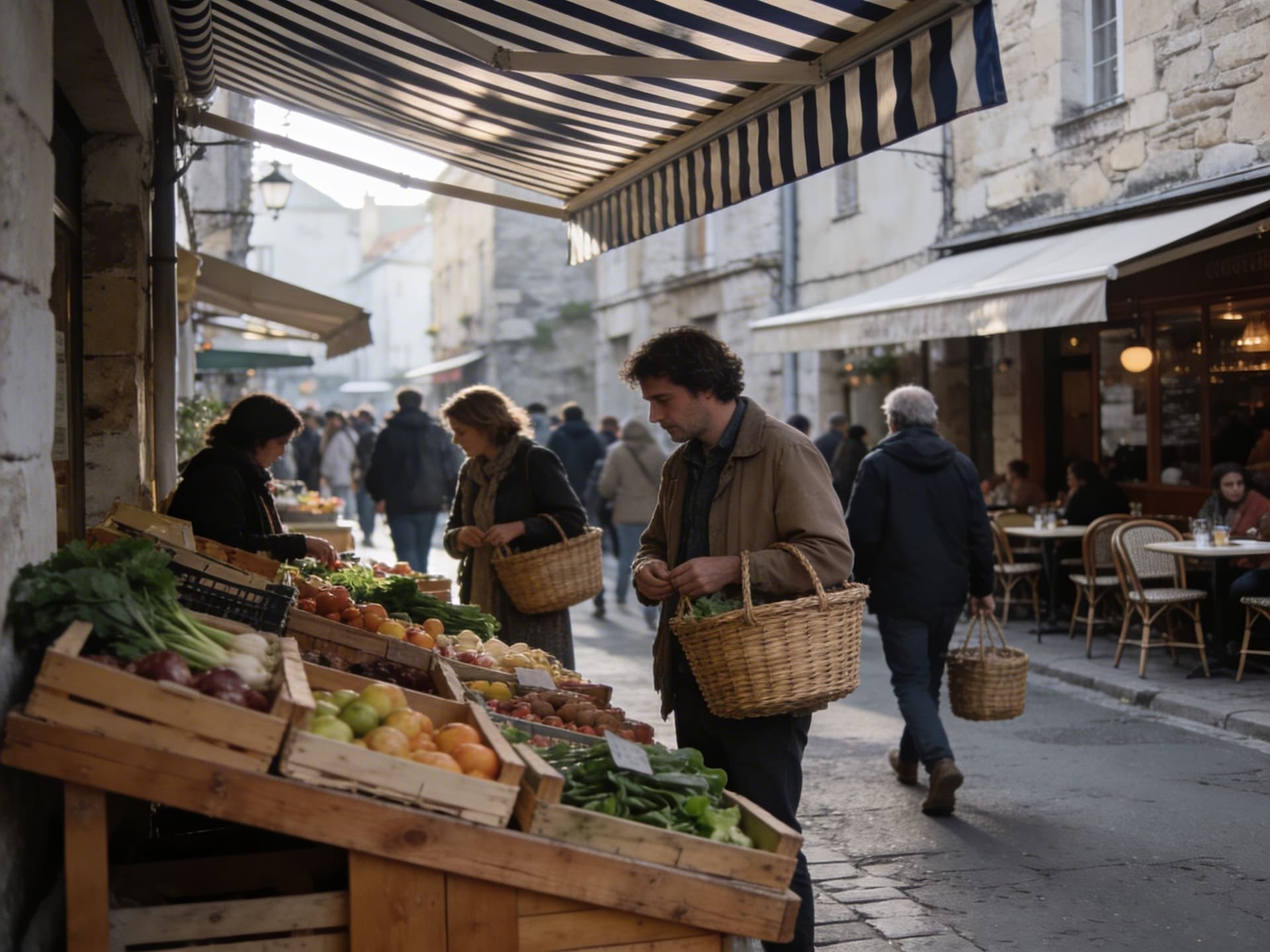
France’s daily rhythms sell themselves: morning markets (marchés) heavy with cheese and citrus, terraces that turn into long dinners, regional festivals that rewire the calendar. Those patterns create real demand for second homes and short-lets, which underpins higher valuations in Provence, Nice and central Paris. Recent macro data show modest national price recovery and low inflation, but that national picture masks sharp local dispersion that matters for returns.
Where the lifestyle premium concentrates
Prestige (Paris 6e/7e), the Côte d’Azur and parts of Provence capture outsized premiums because they bundle scarcity, tourism demand and international recognition. That bundle inflates prices per square metre and compresses gross yields: Paris often trades around 4–5% gross yield on rentals; net yields fall further after costs. For lifestyle buyers the premium buys certainty of renters and capital preservation; for yield‑first investors it can choke cash returns.
Where life is quieter — and returns cleaner
Secondary towns (e.g., Angers, Nantes’ periphery, parts of Nouvelle‑Aquitaine), rural departments and select Alpine valleys show lower entry prices and rental markets tied to locals and year‑round demand — not just tourists. Foreign buyers are a small share nationally (~1–2% of transactions) but concentrated, which creates micro‑pockets where international budgets outperform local multiples.
- Lifestyle highlights that influence price and demand: - Morning market culture (Rue Cler, Aix‑en‑Provence market) - Coastal summer seasonality (Côte d’Azur beaches, Hossegor surf) - Winter alpine demand (Chamonix, Haute‑Savoie) - University towns with steady rental pools (Lyon, Rennes) - Wine and rural tourism (Bordeaux, Dordogne)
Making the move: risk factors that reprice French property

Romance meets regulation, seasonality and finance. Interest rate moves, local short‑let rules, seasonal vacancy and climate exposure (coastal erosion, flood zones) are the core risk drivers that reprice returns in France. A small change in assumed occupancy or mortgage cost can flip a positive cashflow property into an expensive hobby; run these scenarios before you allocate capital.
Property types and how they change the risk profile
Apartments in dense cities: low maintenance, predictable tenant pools, but high purchase prices and tighter yield margins. Rural houses: lower entry prices, higher capex and renovation risk but potential for higher gross yields. Coastal villas: seasonal cashflow peaks and troughs; planning and insurance risk for climate‑exposed plots. Match the asset type to whether you prioritise occupancy stability or capital growth.
- Five practical steps to stress‑test French property risk: 1) Re-run yield with +1% mortgage and -15% occupancy; 2) Add a 10% insurance/repair buffer for coastal/alpine properties; 3) Check local short‑let regulations and compulsory registrations; 4) Price in energy retrofit costs (DPE transitions); 5) Model exit scenarios with local liquidity discounts.
Insider knowledge: small decisions that materially change returns
Three seemingly minor choices — accepting a smaller terrace, buying two train stops out, or prioritising a certified energy rating — can reprice returns by years. Energy performance (DPE) now influences marketability; local transport links define rental catchment; and nuanced local rules (municipal short‑let caps) determine usable revenue. Ask the agency for recent comparable exits, permit history and DPE certificates before offers.
How local agencies become risk filters
- 1) Ask agencies for itemised operating statements from similar properties. 2) Request anonymised tenant demand data (enquiries, seasonal occupancy). 3) Confirm recent sale prices on the same street — municipal notary data beats listing prices. 4) Insist on permitting history and DPE records.
Conclusion: fall for the market’s life, but price for its risks. France offers a spectrum: from predictable urban rental cashflows to high‑variance coastal and rural plays. Use scenario analysis — change rates, occupancy and retrofit costs — and partner with a local agency that supplies hard comparables and permits transparency. If you love the lifestyle, buy where the numbers validate the dream.
British expat who moved to the Algarve in 2014. Specializes in portfolio-focused analysis, yields, and tax planning for UK buyers investing abroad.