How Malta’s AIP Rules Create a Scarcity Advantage
Malta’s compact charm and AIP rules reshape supply and yields—use Special Designated Areas, factor stamp duty timing, and stress‑test seasonal rents for smarter purchases.

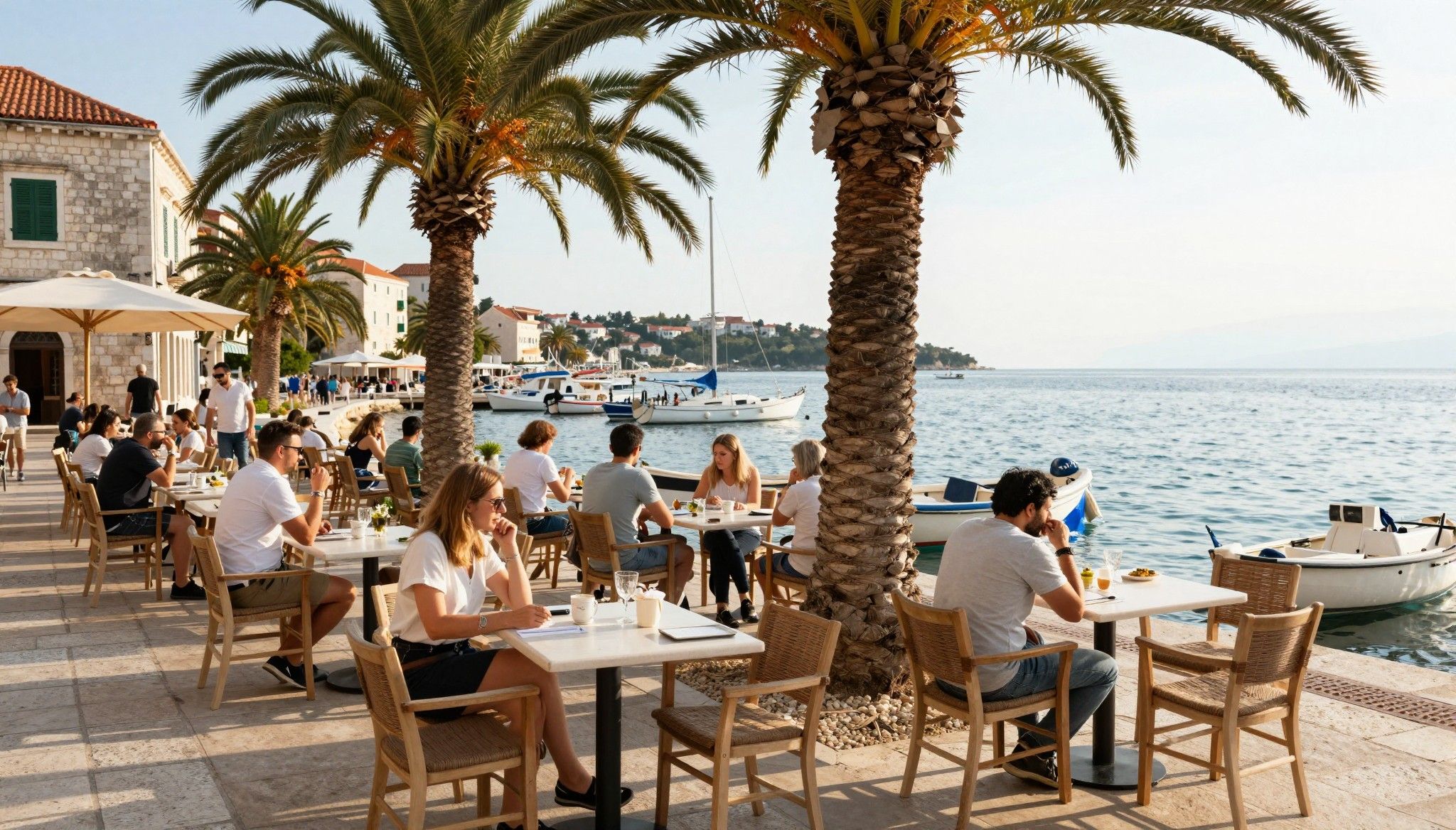
Imagine sipping an espresso on Triq il-Merkanti in Valletta, the limestone warming underfoot, then walking ten minutes to a rooftop that looks out over a harbour where fishing boats and superyachts share a wake. That compact, walkable, surprising quality—history rubbing shoulders with modern life—defines Malta. But the island’s small size and tightly controlled ownership rules (AIP permits, Special Designated Areas) don’t just shape lifestyle; they rewrite the calculus for international buyers. Knowing how the rules constrain supply is as important as knowing which cafe serves the best ftira.
Living Malta: the sensory case for buying

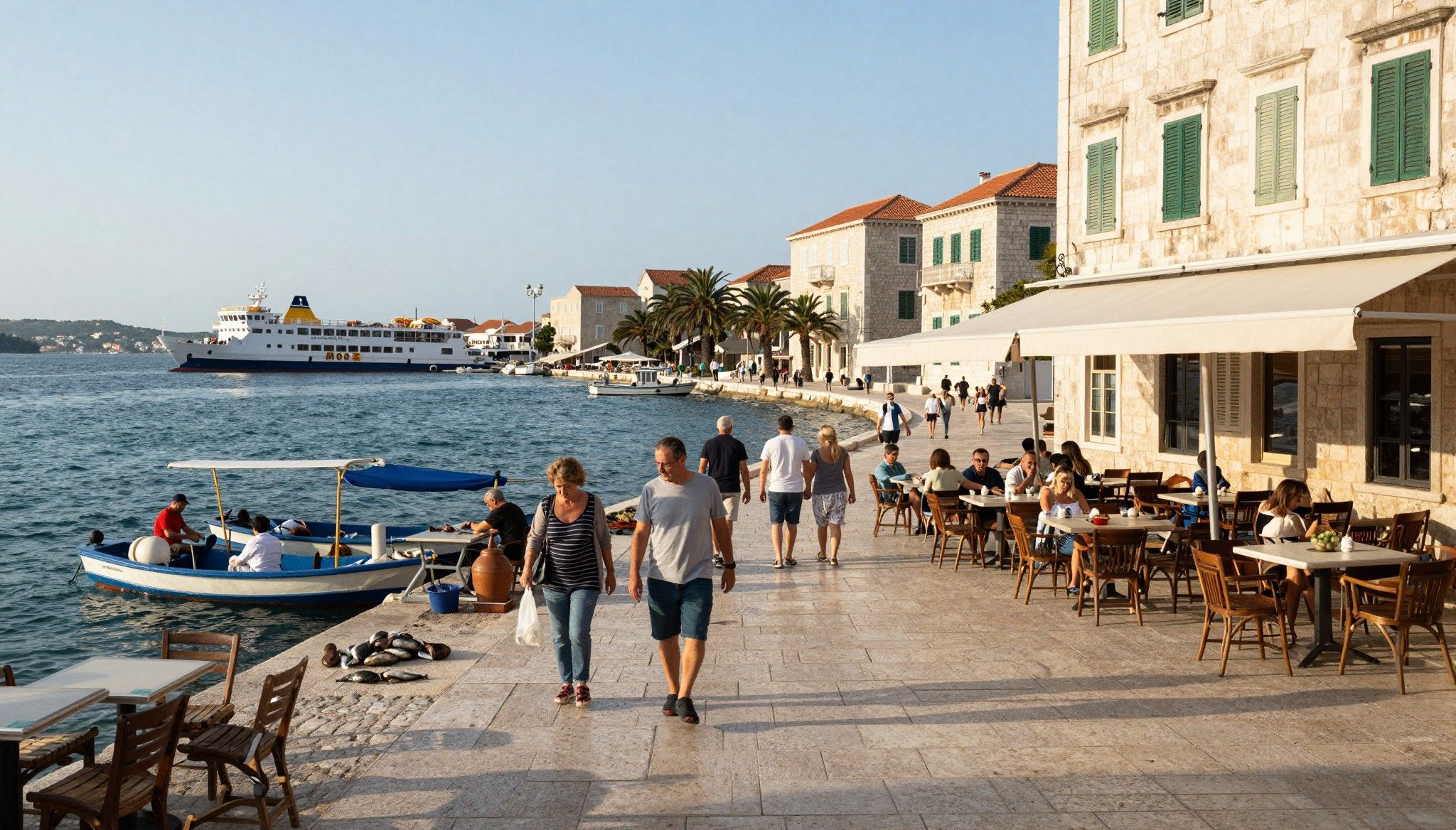
Malta moves fast in a small footprint: mornings mean markets in Marsaxlokk, afternoons mean siesta-light streets in Rabat, evenings mean aperitifs in St Julian’s. The island’s English-language ease, dense social fabric and year-round sunshine create a daily life that feels both Mediterranean and convenient. For buyers, this compactness means neighbourhood identity changes property value quickly—walkable streets, a reliable bus link or a nearby harbour can reprice a flat within months.
Neighborhood spotlight — Valletta, Sliema & St Julian’s
Valletta is cinematic: narrow streets, cafe terraces, cultural institutions—ideal for short-let demand and professionals who prioritise experience over parking. Sliema and Gzira are the practical compromise: waterfront promenades, coworking hubs and steady tenant pools. St Julian’s (Spinola Bay, Paceville) is nightlife-forward and draws holiday lettings. Each micro-market serves different tenant profiles; choose the lifestyle first, then stress-test expected rents against local seasonality.
Food, weekends and offbeat charms
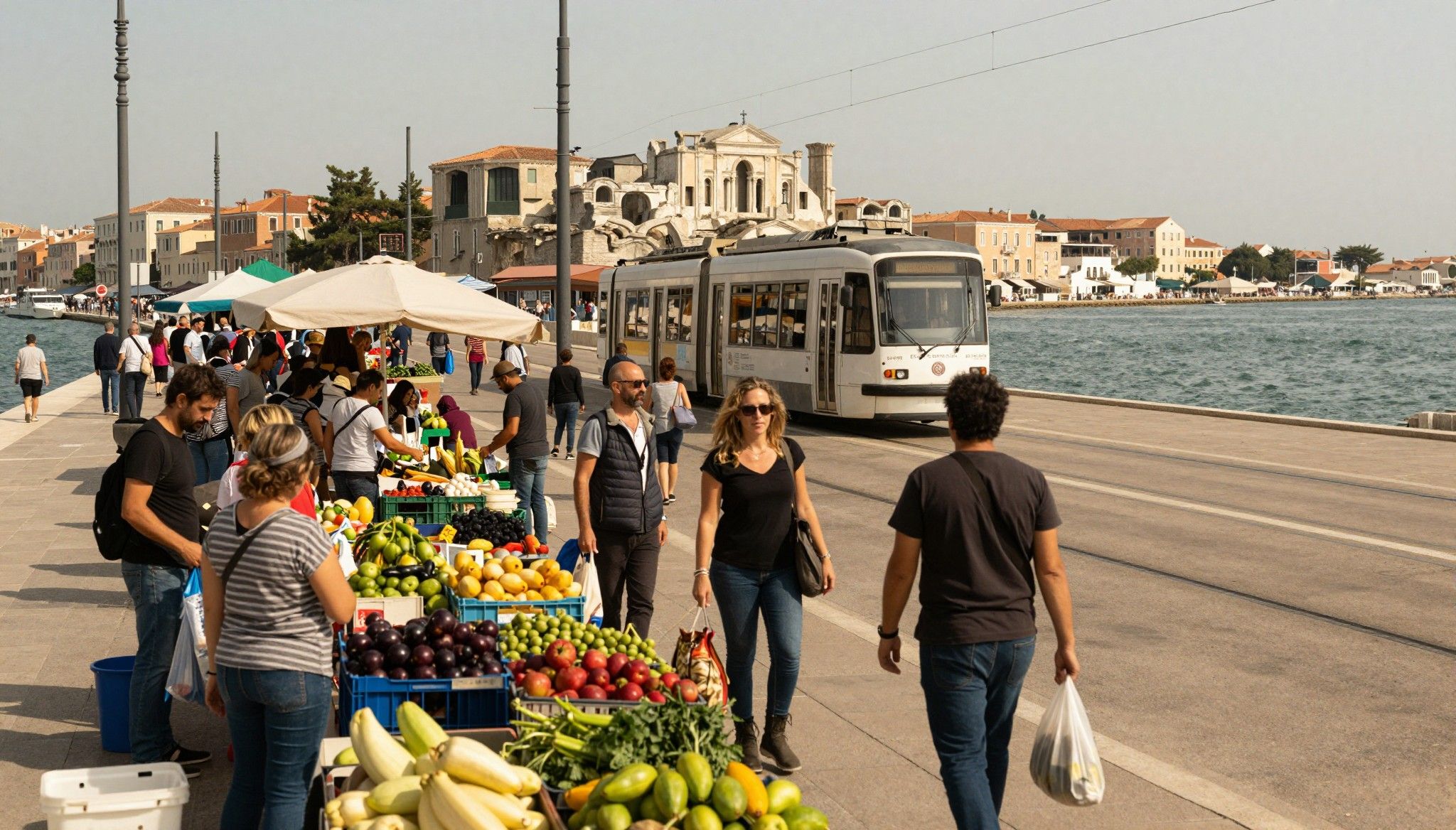
Weekends alternate between farmer stalls (Ħaż-Żebbuġ market), cliff swims at Golden Bay, and late-night pastizzi runs. Expat meetups cluster around cafes on Tower Road and coastal promenades—those places tell you who will rent your place. Lifestyle signal: neighbourhoods with a steady local scene tend to give steadier long‑term rental yields than those dependent on summer tourism alone.
- Lifestyle highlights
- Morning coffee on Republic Street, Valletta
- Sea swims at Għajn Tuffieħa and Golden Bay
- Weekend markets in Marsaxlokk for fresh fish and social life
- Evening promenades and coworking in Sliema/Gzira
Making the move: how Malta’s rules alter investment math

Here’s the contrarian point: Malta’s ownership constraints (Acquisition of Immovable Property permits and Special Designated Areas) compress available supply for non‑resident buyers and therefore can boost the scarcity premium on the right addresses. That’s useful only if you plan around the restrictions rather than despite them. Treat regulation as a structural market factor that changes expected capital appreciation and liquidity, not an obstacle to emotion-driven buying.
Property types and what they mean for living and returns
From converted historic townhouses in Mdina to modern apartments at Tigné Point, Malta’s stock is heterogeneous. Historic homes attract lifestyle seekers and premium short‑let rates but carry renovation, insulation and structural risks. New builds in SDAs provide legal simplicity for foreign buyers and predictable maintenance schedules. Use price-per-square‑metre and expected net yield (gross yield less maintenance, management, vacancy and local taxes) to compare options—don’t buy solely for charm.
Working with local experts who know the law and life
Agencies and notaries who understand AIP timing, SDA geography and rental licensing cut weeks from transactions and reduce legal risk. Ask for case examples where an agent obtained AIP approval or navigated a residency-linked exemption. A shortlist should include a notary familiar with provisional stamp duty (1% at promise of sale) and the final duty calculation—these procedural points materially affect closing costs and cashflow timing.
- Practical steps that blend lifestyle and regulation
- Choose SDA zones (Tigné Point, Portomaso, Fort Chambray) if you need fewer purchase restrictions.
- Calculate total upfront: 1% provisional duty on signing, then final stamp duty (standard 5% but many reliefs apply).
- Confirm AIP eligibility early—application processing aims for 35 days but incomplete filings delay deals.
Insider knowledge: what expats wish they'd known
Expats often underestimate seasonality, service costs and the paperwork tempo. Local wages and rents don’t always keep pace with house‑price rises—NSO data showed a 5% jump in the residential property price index between 2023 and 2024—so short‑let fantasies can overstate near‑term yield. If you intend to rely on holiday income, stress‑test rents for off‑season and build a three‑to‑six‑month cushion for vacancy and management.
Cultural and community realities
English proficiency eases daily life, but local networks matter. Join community groups in Sliema or Gżira, ask about local associations (sports clubs, parish events) and understand that landlords who win repeat tenants are those who match property features to local lifestyle—air‑conditioning, laundrette access, and good internet often matter more than a sea view.
Tax practicalities to bookmark: stamp duty is typically 5% of purchase price (with provisional 1% due after promise of sale), but multiple reliefs and first‑time buyer exemptions exist. Capital gains and final withholding tax apply on sales in many cases; professional tax advice is mandatory if you are structuring a portfolio or intend to flip properties.
- Red flags local buyers and expats warn about
- Undeclared shared ownership or partitioning clauses that could break AIP conditions
- Over‑reliance on summer short‑lets without off‑season demand analysis
- Ignoring utility and maintenance realities in older limestone buildings
Conclusion: buy the life, but budget the rules. Malta’s compact geography and regulatory guardrails create both constraint and clarity: supply for non‑resident buyers is limited, Special Designated Areas provide a legal fast lane, and stamp duty plus AIP timing are material to cashflow. Start with lifestyle priorities—neighbourhood, commute, community—and then map those to legal feasibility and yield stress‑tests. Work with a locally experienced notary and an agent who has navigated AIP permissions; that combination turns Malta’s rules from roadblocks into a competitive advantage.
Danish relocation specialist who moved to Cyprus in 2018, helping Nordic clients diversify with rental yields and residency considerations.