Buy the Infrastructure, Not the Postcard — Italy
Italy’s romance masks sharp market differences; prioritise transport, year‑round demand and renovation incentives to convert lifestyle into reliable yield.

Imagine waking to a street-sweeper's soft whistle in a cobbled lane, then switching to a laptop on a sunlit terrace while a tram winds below — Italy rearranges daily life around taste, pace and place. For international buyers the romance is immediate; the practical questions — connectivity, seasonality of demand and local transport that underpins rental returns — are what separate a lifestyle purchase from a sensible allocation in a property portfolio. Recent market analysis shows meaningful regional divergence in prices and rent growth, and that matters for yield-focused buyers.
Living the Italian life — streets, seasons and signal markets
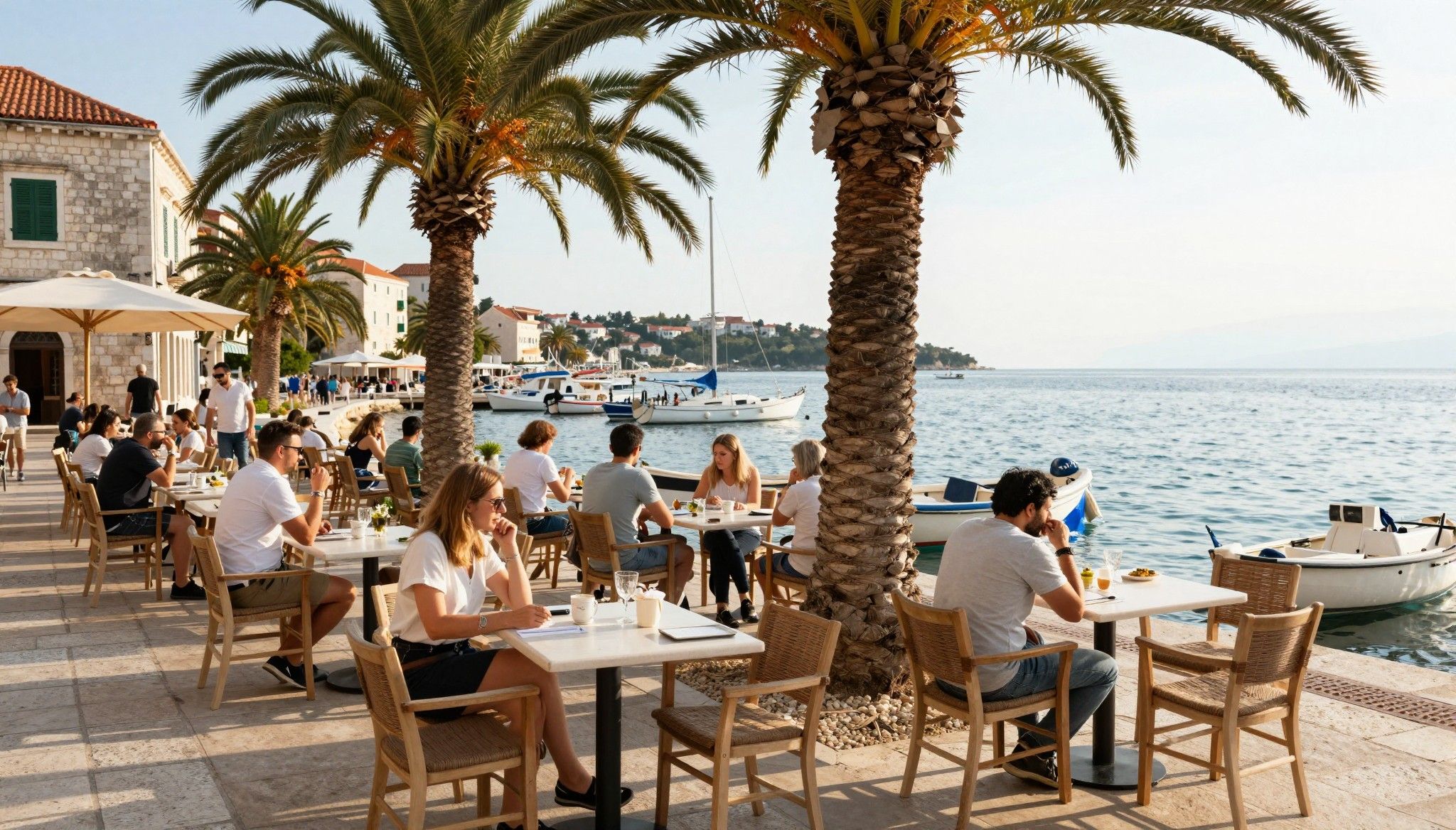
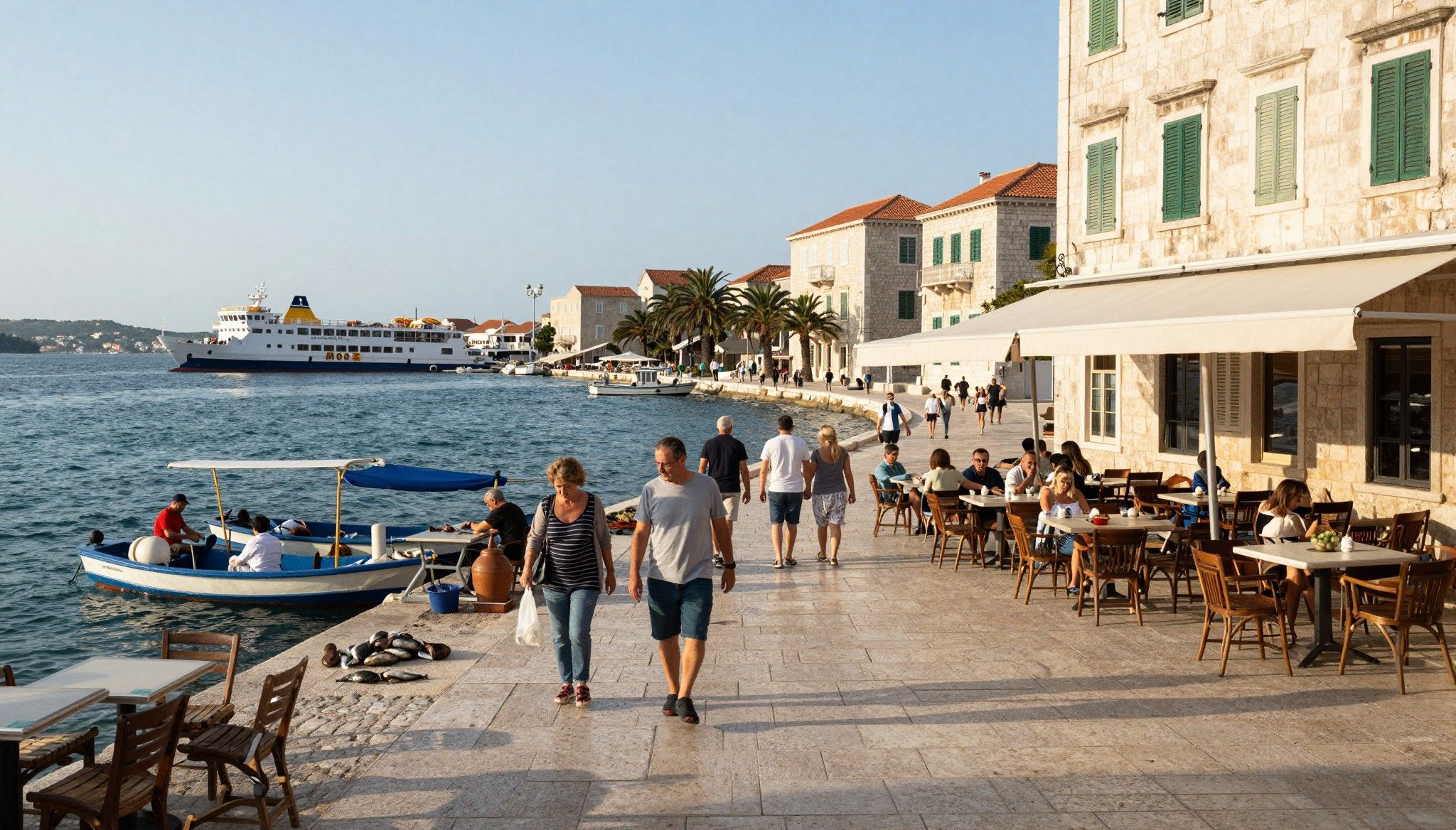
Italy is not one lifestyle but many: historic-centre apartment living in Rome or Florence, seaside terraces in Liguria and Amalfi, and olive-terraced slow life in Puglia and Tuscany. Prime pockets (Milan, Florence, Lake Como) behave like international capitals; secondary cities and coastal towns can offer materially better entry prices and higher gross yields. Buyers who fall for the postcard must still check whether the place has the transport links and year-round services to sustain tenants and resale demand.
Neighborhood spotlight: Navigli, Milan and Trastevere, Rome
Picture sipping espresso at Naviglio Grande before catching the metro to Porta Romana — Milan’s canalside neighborhoods combine evening economy with office access, which supports long-term rental demand from professionals. Trastevere in Rome trades slightly lower yield for unmatched tourism and short‑let appeal. For investors focused on net yield, Navigli‑adjacent apartments provide steadier long‑let income; Trastevere’s returns fluctuate seasonally but can be higher for professionally managed short lets.
Food, markets and micro‑location: how a street changes value
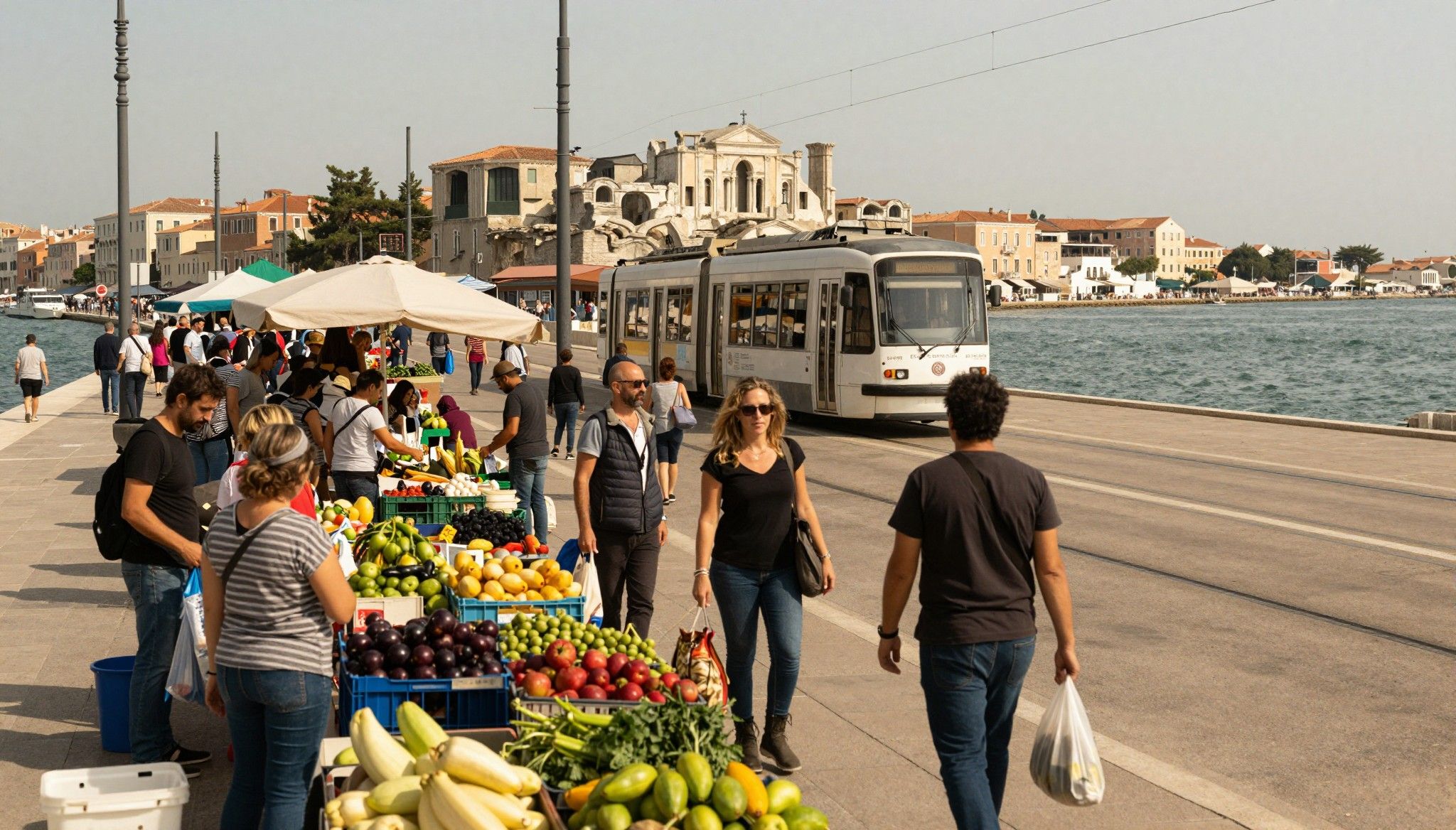
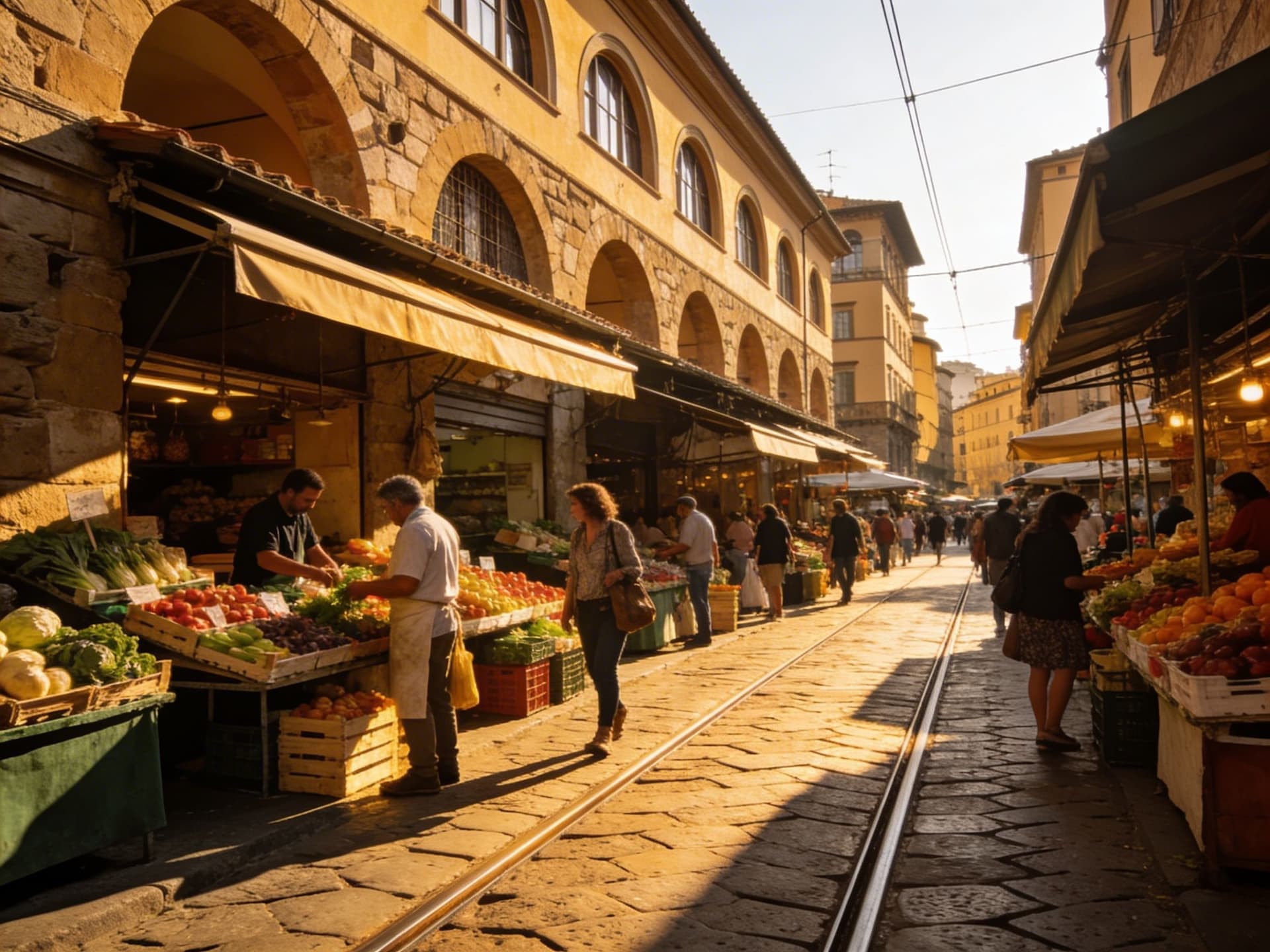
A block with a morning market (Mercato di Porta Palazzo, Turin; Mercato Centrale, Florence) delivers steady footfall that residents prize and long‑let tenants value. The presence of a Saturday food market, a well-regarded bakery, and a reliable tram line often explains a 5–15% price premium over nearby streets without them. That premium can make sense if it improves occupancy and reduces turnover costs.
- Marketable lifestyle highlights investors should track:
- Early‑morning markets (Porta Palazzo, Turin; Campo de' Fiori, Rome) — tenant magnet for families and professionals.
- Proximity to regional rail / high‑speed stations (Milano Centrale, Firenze Santa Maria Novella) — short commute to job hubs.
- Year‑round services (supermarkets, school options, healthcare) — reduces seasonality risk for rentals.
Making the move: practical considerations that protect yield

The romantic image of Italy is the opening act. The sequel is infrastructure and regulatory context that determine returns. National price averages mask extremes: Milan and Florence sit at the top of the market while southern regions and many inland towns offer lower price per square metre and higher gross yields. Exchange‑rate movements, local taxes and renovation incentives (energy efficiency bonuses) materially change total cost of ownership.
Property types: historical centro vs renovated peripheral stock
Historic-centre apartments are attractive but often carry high maintenance and heritage constraints; energy retrofits can be complex. Renovated stock in well‑connected peripheries (near suburban rail or tram) typically offers better net yields because refurbishment costs are lower and tenant turnover steadier. For investors, the trade is clear: pay a premium for immediate desirability, or buy slightly further out where cap rates align with income objectives.
Working with local experts: the agency and the transport lens
A local agent who understands micro‑catchments and infrastructure projects (regional rail upgrades, tram extensions, new cycleways) is invaluable. Ask agents for evidence: historical price moves after a rail station opened, rental vacancy rates in the immediate radius, and recent tenant profiles. Agencies that map commute times to employment centres and universities produce more reliable yield estimates than those selling on 'lifestyle alone.'
- Steps to stress‑test a yield before you buy:
- 1. Map commute times to the nearest high‑speed or regional rail station and local employers; compare average rents within a 15‑minute radius.
- 2. Request historical vacancy and seasonal occupancy rates for similar listings (ask for agency data or municipal stats).
- 3. Include renovation and energy‑efficiency upgrade costs in the pro‑forma; EU/Italian incentives can offset up to 50% of some works.
Insider knowledge: what expats wish they’d known
Expats consistently tell the same story: the best streets feel discovered before they are. But discovery is not a substitute for due diligence. Seasonal tourism creates headline rental numbers; long‑let demand from students, health‑care workers and corporate relocations creates steady yield. Transport reliability — not just proximity — determines whether a property supports families or only holiday lets.
Cultural and practical integration: language, services, and municipal rhythm
Knowing where to register for utilities, how local waste collection days affect tenant satisfaction, and which municipal offices process rental contracts can save weeks in turnover. Learning basic Italian pays back in negotiating repairs, registration of short lets (where required), and establishing trusted local contractors. For investors buying from abroad, a reliable local property manager reduces friction and preserves yield.
Seasonality and the misplaced 'summer premium' myth
Tourist towns can show impressive peak‑season rates, but annualised yield often underwhelms when vacancy and management costs are included. If your target is net yield, prioritise towns with diversified demand (local employers, universities, healthcare) or ensure you can scale professional management for short‑let peaks without eroding margins.
- Red flags to watch that hurt yield:
- Major renovation restrictions on heritage facades without realistic budget for compliance.
- Poor transport links despite close proximity (infrequent regional services or seasonal timetables).
- Overreliance on summer tourism with no off‑season demand drivers.
Conclusion: buy the infrastructure, not the postcard. Italy sells itself on piazzas and pasta, but the long‑run performance of a property is written in commute times, municipal services and the diversity of local demand. Start with a lifestyle visit, then quantify the transport links, historical occupancy, and renovation pathway before signing. Use agents who map these factors to yields — that process preserves la dolce vita and protects returns.
British expat who moved to the Algarve in 2014. Specializes in portfolio-focused analysis, yields, and tax planning for UK buyers investing abroad.