Short‑Let Licences Aren't a Free Pass to Yield
Short‑let licences in France can look like guaranteed yield. This guide shows how seasonality, regulation and financing create sensitivity and how to stress‑test deals.

Imagine sipping espresso on a narrow Parisian rue while your phone pings with short‑let booking alerts. The lifestyle is irresistible; the promise of tourism incomes even more so. But in France, the licence, the sticker, the glossy listing—these features sellers and agents emphasise—can mask sensitivity to seasonality, regulation and financing that materially alters net yield. This guide looks past the headline 'authorised short‑let' claim and models the risk scenarios every international buyer must stress‑test before saying yes.
Short‑lets in France: a lifestyle promise with sensitivity traps

Short‑term rentals (location meublée touristique) sell a lifestyle as much as an income stream. In cities and resorts, sellers point to licence numbers and high summer occupancy as proof. But licence + summer demand is not a robust investment case by itself. Financing conditions, tax treatment on furnished rentals, seasonality of occupancies and local enforcement fluctuate; together they create sensitivity to small changes in rates, regulation and tourism flows. Below we quantify the common risk scenarios and point to where a licence actually matters — and where it doesn’t.
What a licence actually buys you
A short‑let or mairie registration can reduce the immediate legal risk of a listing being shut down. It signals the municipality has formally logged the property for tourist use, which eases operations on platforms like Airbnb. But it does not immunise you from: municipal quota enforcement, changes in local short‑let rules, neighbourhood anti‑tourism bylaws or the administrative hassle of renewing non‑transferable permissions. Treat a licence as a conditional operational permit, not a guarantee of future cashflows.
How seasonality reshapes the math
Summer headline yields often mask winter vacancy. A coastal or tourist‑town flat that posts 70% occupancy May–Sept may fall to 20–30% for the rest of the year. That concentration raises volatility in annual net operating income (NOI) and increases the chance small shocks—like a 5–10% drop in bookings—wipe out expected returns. Investors must model monthly cashflows, not annualised summer snapshots, and stress test for multi‑year tourism shocks.
Lifestyle hotspots that hide yield sensitivity

Riviera towns and Alpine chalets: income concentration risk
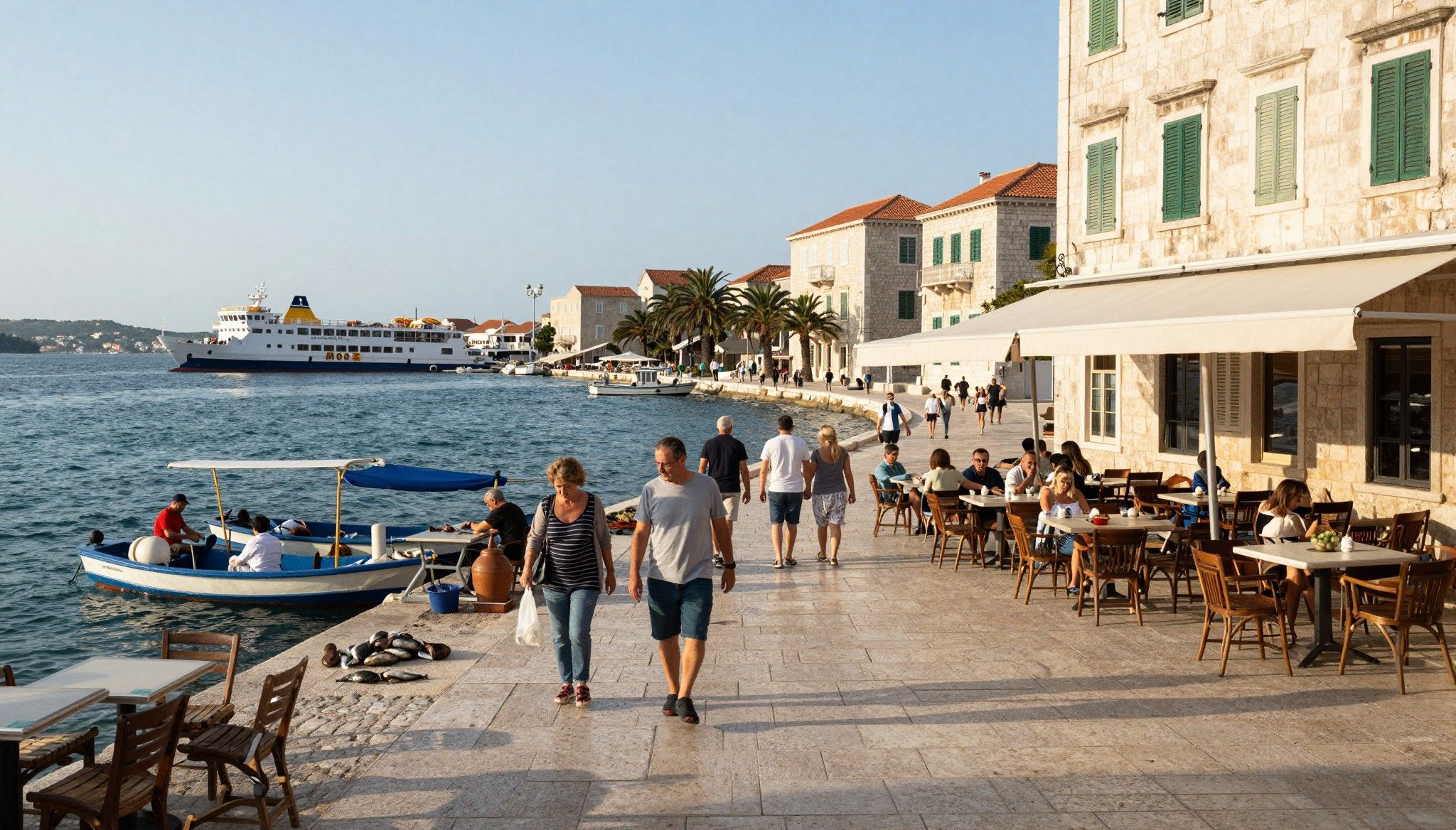
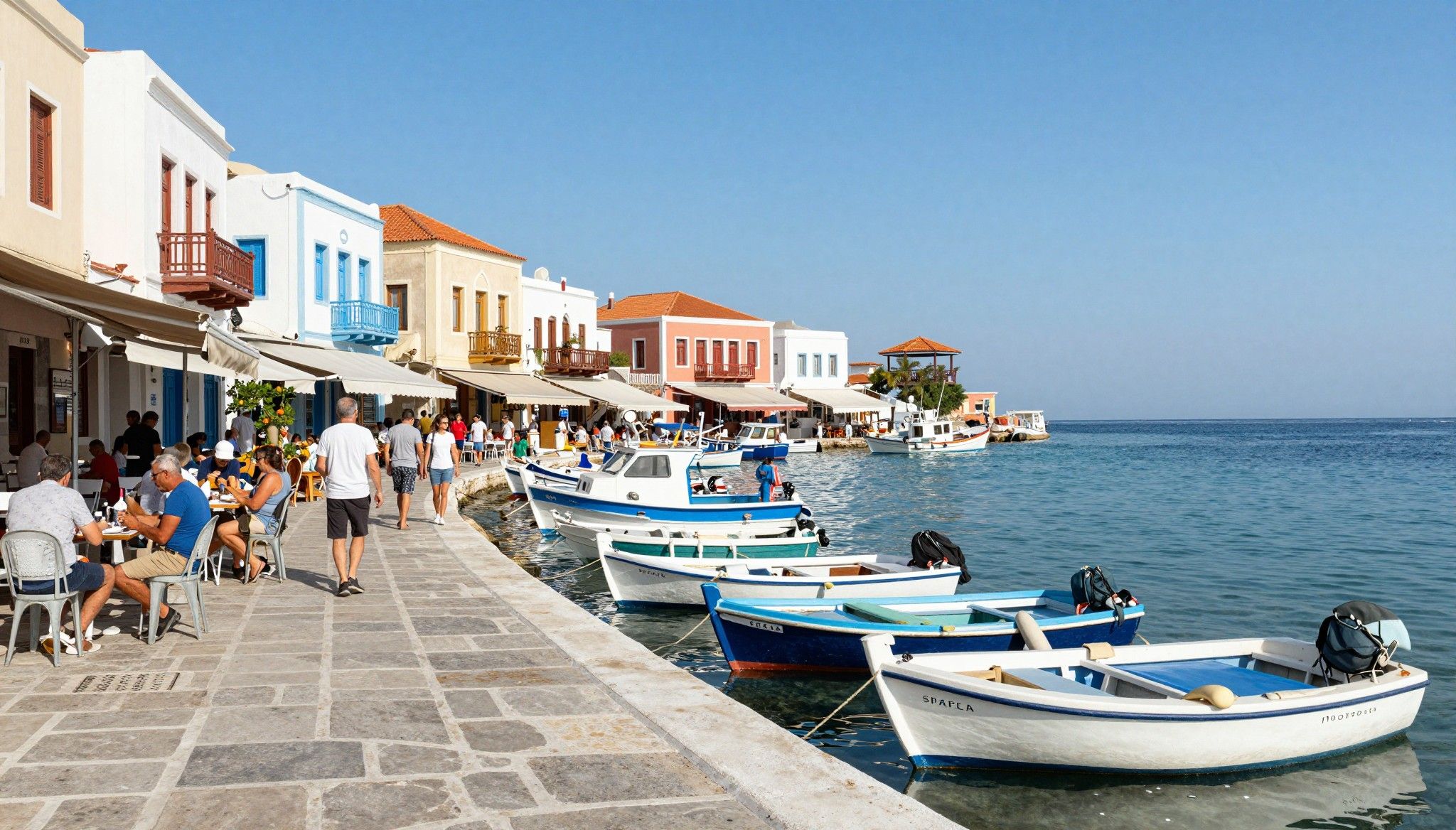
Places such as Nice, Antibes, Saint‑Tropez environs and ski villages deliver the image buyers want. They also concentrate bookings into narrow windows (July–Aug, Feb school‑holidays). That concentration raises rental income variance and increases dependency on platforms and seasonal rate elasticity. For an investor focused on yield, that means a higher risk premium should be required — or a price per m² discount relative to year‑round markets.
City cores where regulation bites: Paris and selected historic centres
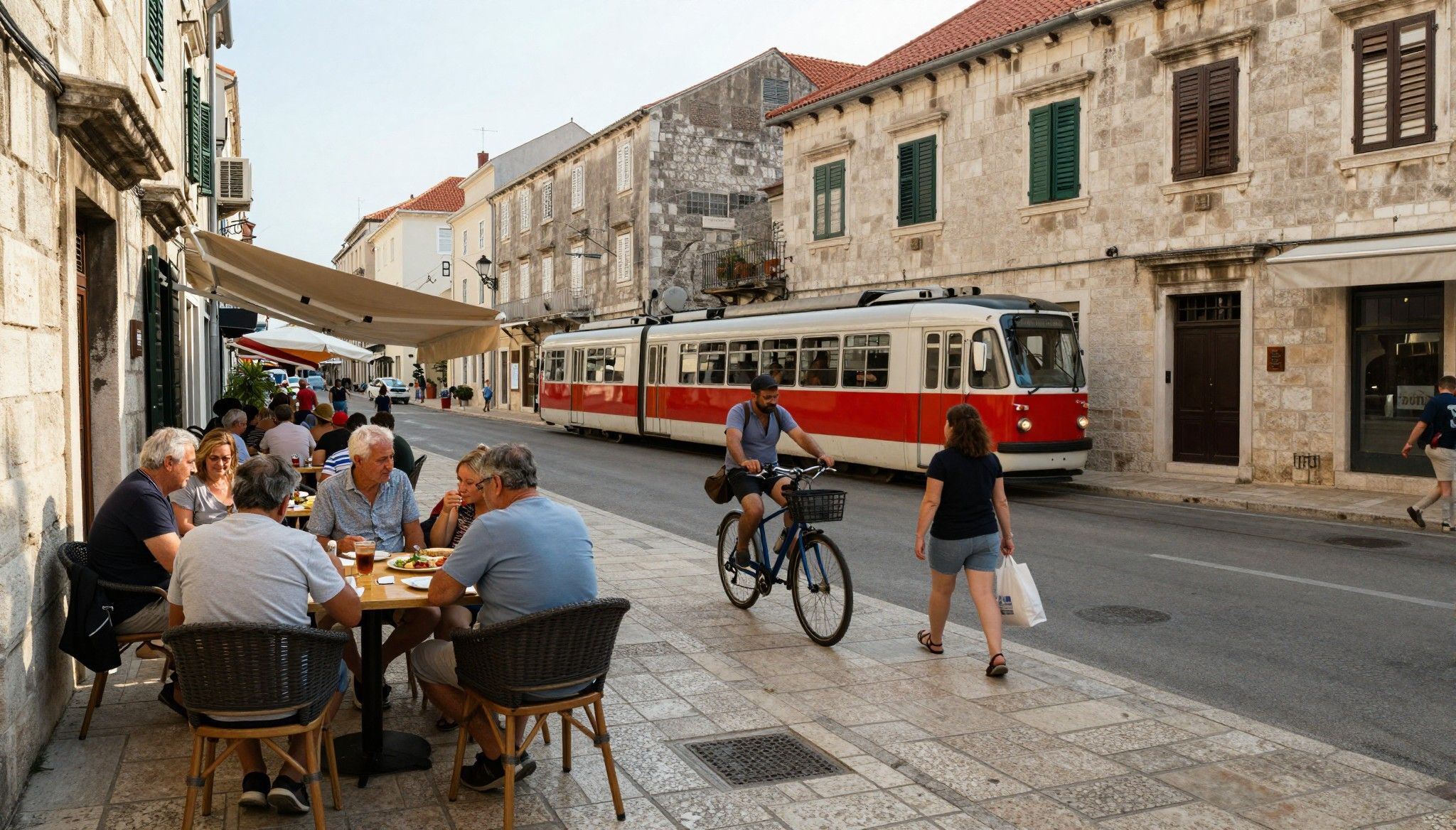
Paris and other dense centres have introduced tight short‑let controls, registration requirements and punitive fines for unauthorised conversions. Local enforcement and interpretation vary by arrondissement and mayoralty. Even with a registration number, a change in municipal policy or stricter enforcement can require reclassification, de‑registration or conversion costs. Incorporate regulatory scenario analysis into valuation—price in a 10–30% downward adjustment to projected short‑let income for cities with active enforcement histories.
Risk scenarios and a simple stress‑test
Use three scenarios: Base (current financing and demand), Downside (5 percentage point fall in occupancy or 100 bps mortgage rate rise), and Regulatory shock (forced conversion to long‑let or cap on nights). For baseline assumptions use current market inputs (mortgage rates around 3.1–3.3% for new loans in 2025 per Banque de France, and near‑stable prices per INSEE). Plug monthly revenue, operational costs (cleaning, management fees 20–30% for short‑lets), and vacancy into a monthly cashflow model to compare net yields across scenarios.
Simple sensitivity checklist (quick screen)
- Measure current NET yield (post‑fees) and then recalc with: -20% revenue, +100 bps financing, and 30% management/operational uplift. If net yield drops under your target by more than half under any of these single shocks, the asset is sensitivity‑heavy.
- Check municipal rules: some cities require change‑of‑use permissions or link short‑let licences to primary residence status—these are non‑transferable and hit resale value.
- Estimate monthly occupancy seasonally: compute NOI using realistic month‑by‑month rates, not a single annual average.
A 3‑step process to stress‑test a short‑let purchase
- Assemble 12 months of comparable listings to build a realistic occupancy curve. Use actual platform data where possible rather than agent projections.
- Model three financing outcomes (current quoted rate, +100 bps, +200 bps) and recompute debt service coverage. Check whether refinancing or repossession risk is triggered under each.
- Run a regulatory knockout test: assume a local ban on short‑lets or forced long‑let conversion; compare liquidation proceeds to required return thresholds.
Practical decisions that preserve lifestyle and reduce sensitivity
Target mixed‑use properties and neighbourhoods
Properties that work as both furnished long‑lets and short‑lets halve your downside from regulatory shocks. Look for central but residential streets in Lyon’s Croix‑Rousse, Bordeaux's Chartrons, Marseille’s Cours Julien or smaller Paris arrondissements where year‑round demand exists from students and professionals. These areas support higher baseline occupancy and smoother cashflows.
Work with specialists who model risks, not just glamour
- Ask your agent for: month‑by‑month platform data, local mairie correspondence on licences, a renovation plan that reduces seasonal dependence (e.g., flexible layouts), and a financing sensitivity schedule.
- Insist on scenario clauses in purchase offers: a conditional escape if the mairie withdraws permission within X months, or if a verified occupancy baseline cannot be demonstrated.
Finally, be honest with the romance-versus‑math tradeoff. A licence and summer bookings can be delightful lifestyle revenue sources, but they increase a property’s sensitivity to regulatory and demand shocks. Model conservatively, demand monthly data, and price the asset for the worst plausible regulatory outcome. That’s how you buy the French life without buying avoidable risk.
Conclusion — fall for the place, stress‑test the promise: love the cafes, markets and coastlines; but treat short‑let licences as conditional benefits, run the sensitivity checks above, and partner with advisers who can convert lifestyle into resilient cashflow.
Danish relocation specialist who moved to Cyprus in 2018, helping Nordic clients diversify with rental yields and residency considerations.