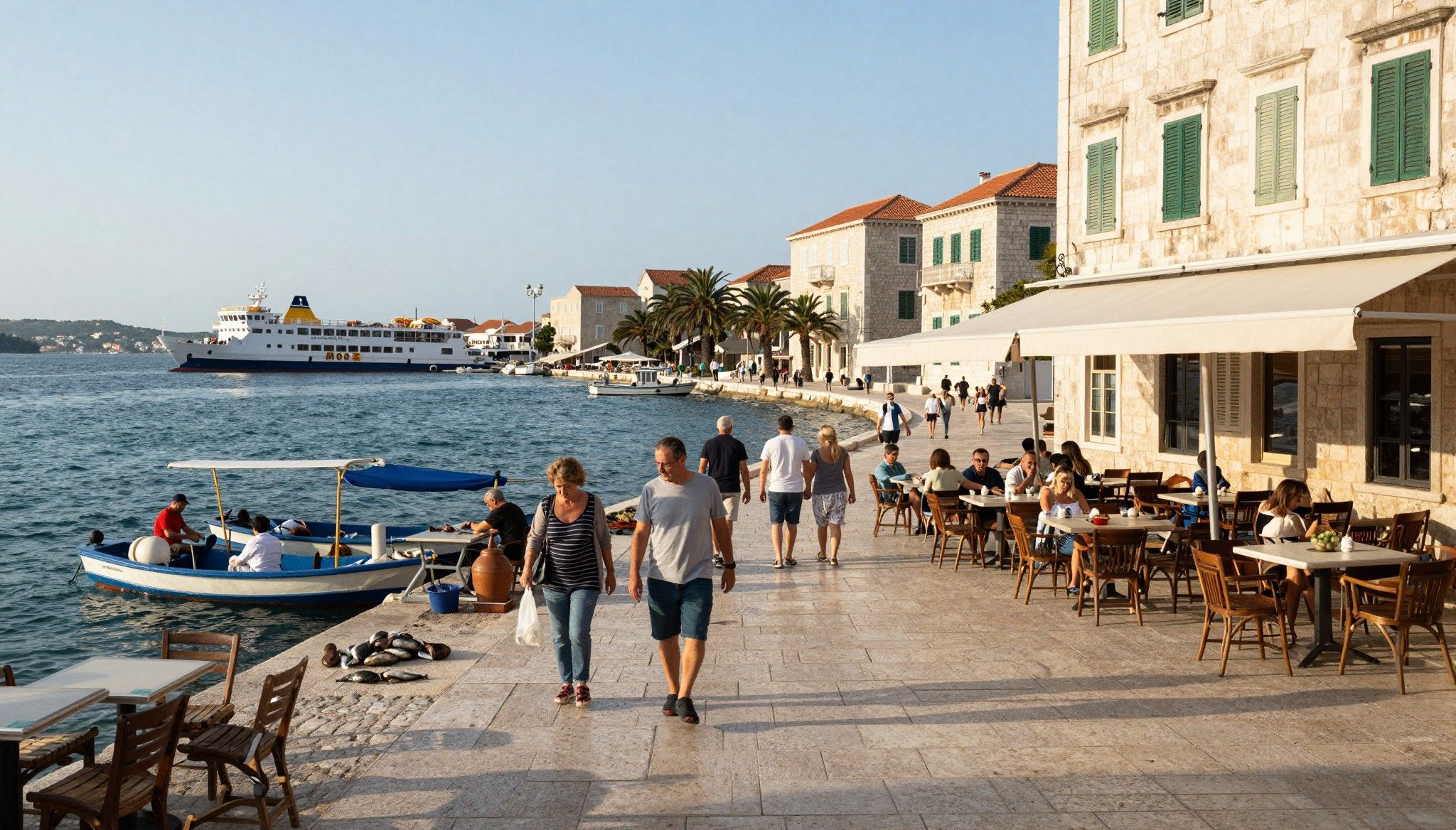
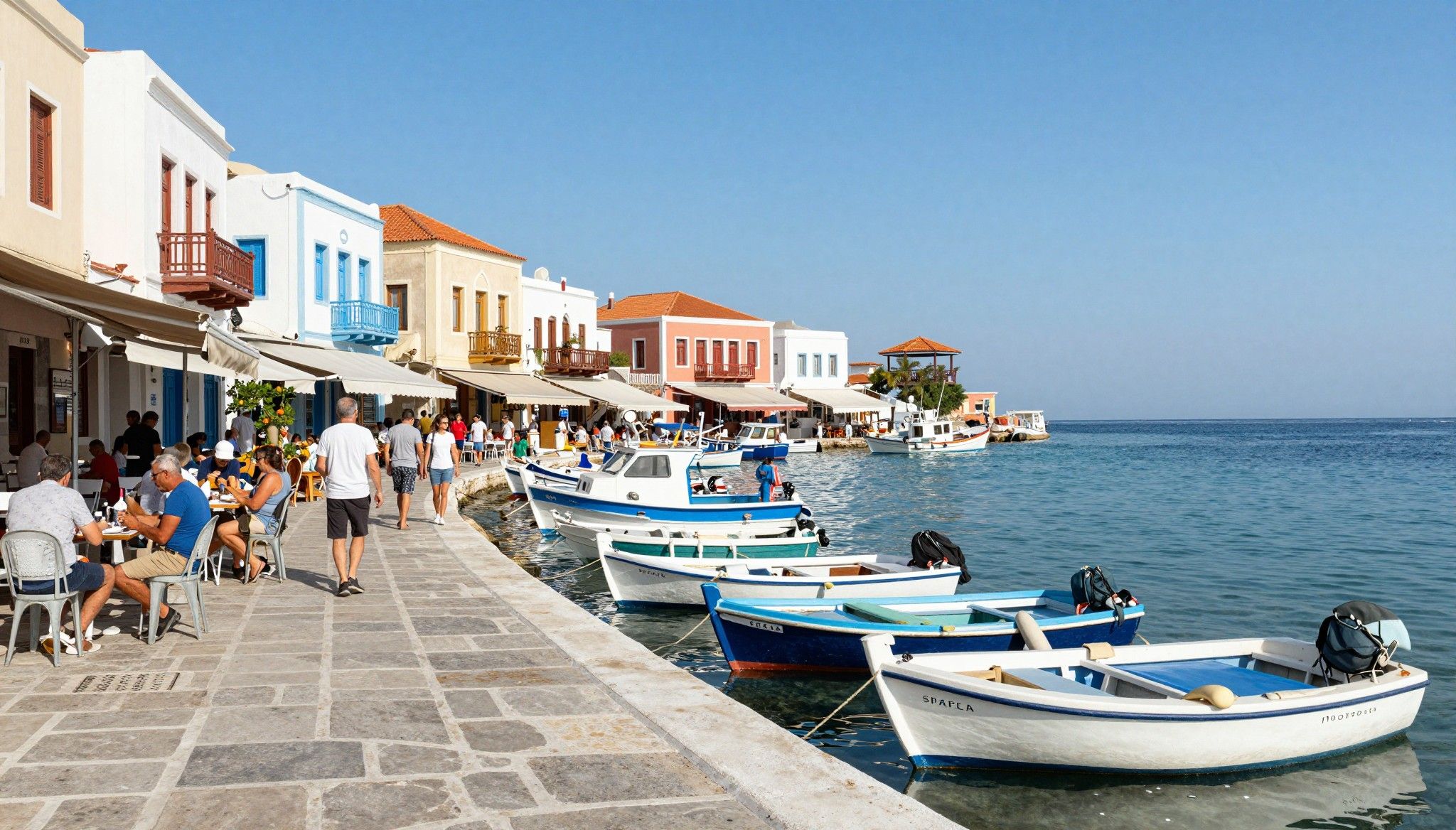
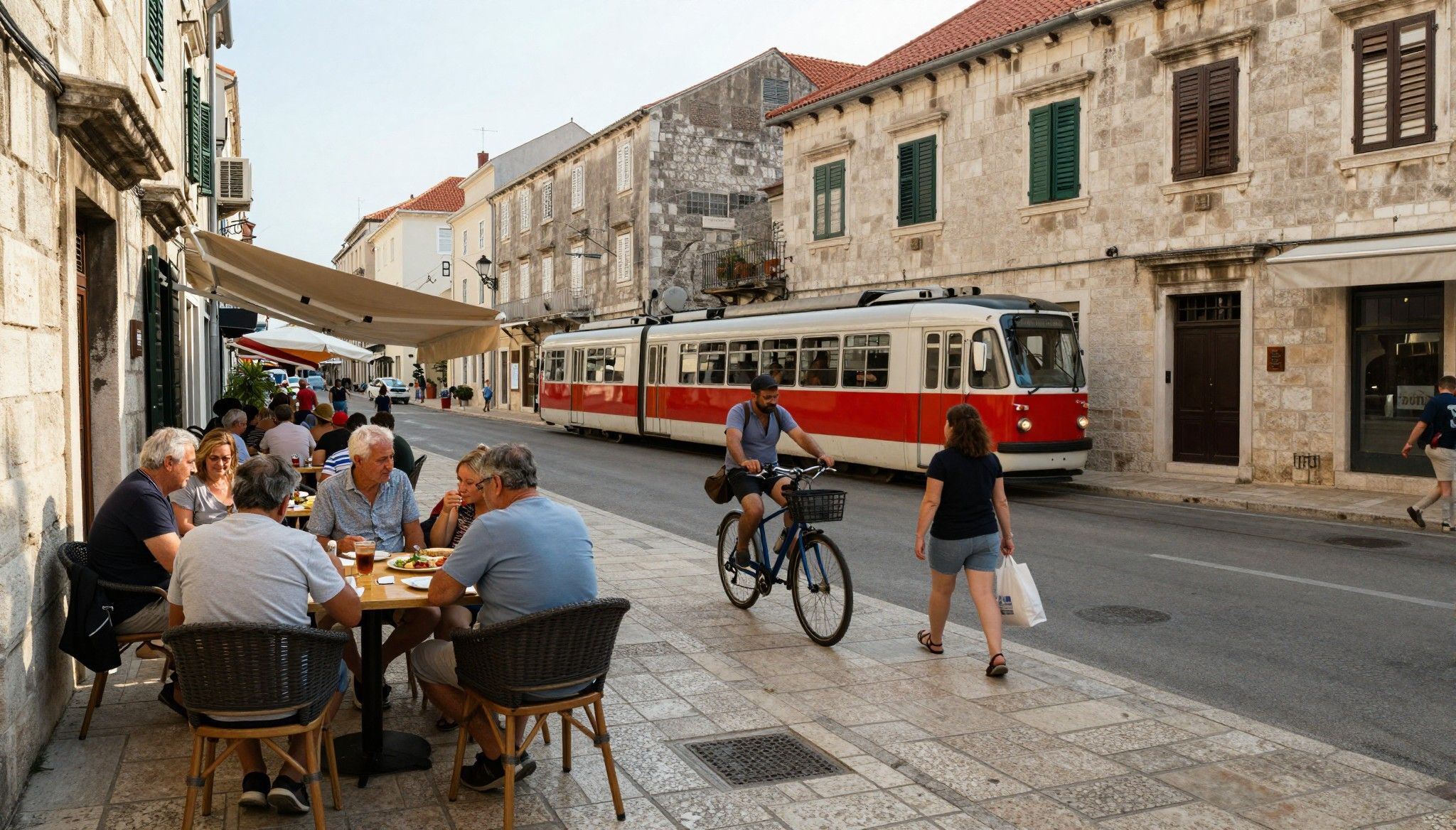
Imagine starting a morning in Rue des Martyrs with a croissant in hand, or watching late‑afternoon light fall across Aix’s limestone façades — then realising the apartment you loved can no longer be let on Airbnb without weeks of paperwork. Recent regulatory shifts in France have turned lifestyle decisions into balance‑sheet items for international buyers.
Living the France life (and what law changes mean)
France still sells itself on markets, cafés, coastal promenades and a measured daily rhythm — boulangeries at dawn, markets on Saturday, long weekday lunches. But the law has begun to shape which neighbourhoods can legally host tourist stays and which remain primarily residential. For an investor this is a lifestyle-then-ledger question: where you want to live affects what you can earn and what permits you must obtain.
Paris, central constraints and the street you thought was investment-grade
Streets like Rue Cler or the Marais have become tightly regulated. Paris reduced permitted short‑stay nights and introduced heavier fines and enforcement. That transforms a fast‑turn holiday‑rental play into a compliance project: registration numbers, potential change‑of‑use authorisations and, in some cases, irreversible conversion rules that reduce near‑term liquidity for owners.
Provincial nuance: Marseille, Bordeaux and coastal towns aren’t clones of Paris
Local councils have discretion. Marseille and some coastal communes moved to 90‑day caps and stricter registration systems. That means yield math that once assumed high seasonal short‑let returns must now include permit risk, potential forced reclassification to long‑term letting, and local enforcement costs.
- Lifestyle highlights that affect property choice: Rue Montorgueil markets, Vieux‑Port terraces in Marseille, the vineyards around Saint‑Émilion, and the ski‑village rhythm of Chamonix.
Making the move: practical considerations tied to recent regulatory change
Dreaming of a pied‑à‑terre that pays for itself? The new rules force you to plan for two simultaneous realities: the life you want to lead in France and the legal envelope that determines whether short‑lets, long‑lets or conversions are feasible. Below are direct, actionable consequences to factor into offers and hold strategies.
How property type meets regulation (what to target)
Classified tourist accommodation, primary residences and secondary homes are now taxed and regulated differently. Classified units retain stronger micro‑BIC allowances but with lower deduction rates; unclassified units face tighter allowances and income ceilings. Practically: include classification, energy performance and registration feasibility in your purchase checklist.
Working with local experts who can translate lifestyle into compliance
Agencies that understand municipal planning, registration numbers (numéro d’enregistrement) and change‑of‑use compensation are worth a premium. They find streets where tourist letting is sustainable, advise on classification applications, and estimate conversion costs — all essential when short‑let upside is legally capped.
- Checklist to blend lifestyle and compliance: 1. Verify municipal short‑let caps and registration requirements before bidding. 2. Confirm whether the unit can be classed as ‘meublé de tourisme’ and the tax regime it will fall under. 3. Add projected compliance costs (energy upgrades, change‑of‑use fees) to renovation estimates. 4. Model net yield under long‑let and short‑let scenarios given new micro‑BIC allowances. 5. Ask agencies for recent examples of refused change‑of‑use applications in the commune. 6. Require seller disclosure of any past short‑let registration numbers and fines.
Insider knowledge: what expats wish they’d known before buying
Expats often overestimate renter flexibility. You can love an apartment for its light and location, but local rules determine whether it becomes an income stream or a cost centre. In Paris and several other communes, fines for non‑compliance can run into tens of thousands — a risk that must appear in any sensible discounted cash‑flow.
Cultural and seasonal realities that reshape returns
High season in coastal towns still drives demand, but municipal caps mean peak returns are capped too. For ski properties, strict energy performance rules for rentals (and upcoming mandatory minimum ratings for rental eligibility) can increase refurbishment costs — a seasonal premium that reduces short‑term yield but can protect long‑term value as regulations tighten.
- Red flags to spot during viewings: • Missing or expired registration number for furnished tourist rental. • Notices from commune about change‑of‑use refusals in the building. • Energy rating below thresholds that may preclude future rentals. • Evidence of past fines or administrative sanctions.
Step back: the aim isn’t to scare buyers away from France — it’s to align romantic choices with regulatory reality. Streets like rue Montorgueil, Place des Lices in Saint‑Tropez, or the banks of the Rhône still offer place‑based quality that supports capital stability. But expect to pay for compliance, and model yields conservatively.
Quick modelling rules (practical math for offers)
When you run numbers, produce two scenarios: conservative long‑let net yield and conditional short‑let net yield factoring in new micro‑BIC allowances, registration costs, and potential fines. Reduce projected short‑let nights to municipal caps (often 90–120) and add a 5–10% buffer for enforcement risk.
- Practical next steps before making an offer: • Request the seller’s registration number and any municipal correspondence. • Commission an energy performance audit (DPE) and cost estimate for upgrades. • Ask your notaire about recent local change‑of‑use decisions and required compensation rates. • Include conditional clauses in the purchase contract that allow renegotiation if registration is denied.
Conclusion: France remains a high‑quality market for international buyers who marry place with prudence. The new regulatory era rewards buyers who treat permits, classification and energy performance as line items in their investment case. Fall in love with the street; underwrite the permit.