Cyprus: Street‑Level Yield Realities
Cyprus mixes Mediterranean lifestyle with varied yield outcomes; micro‑location and seasonality — not national headlines — decide whether you earn ~4% or 7% gross.

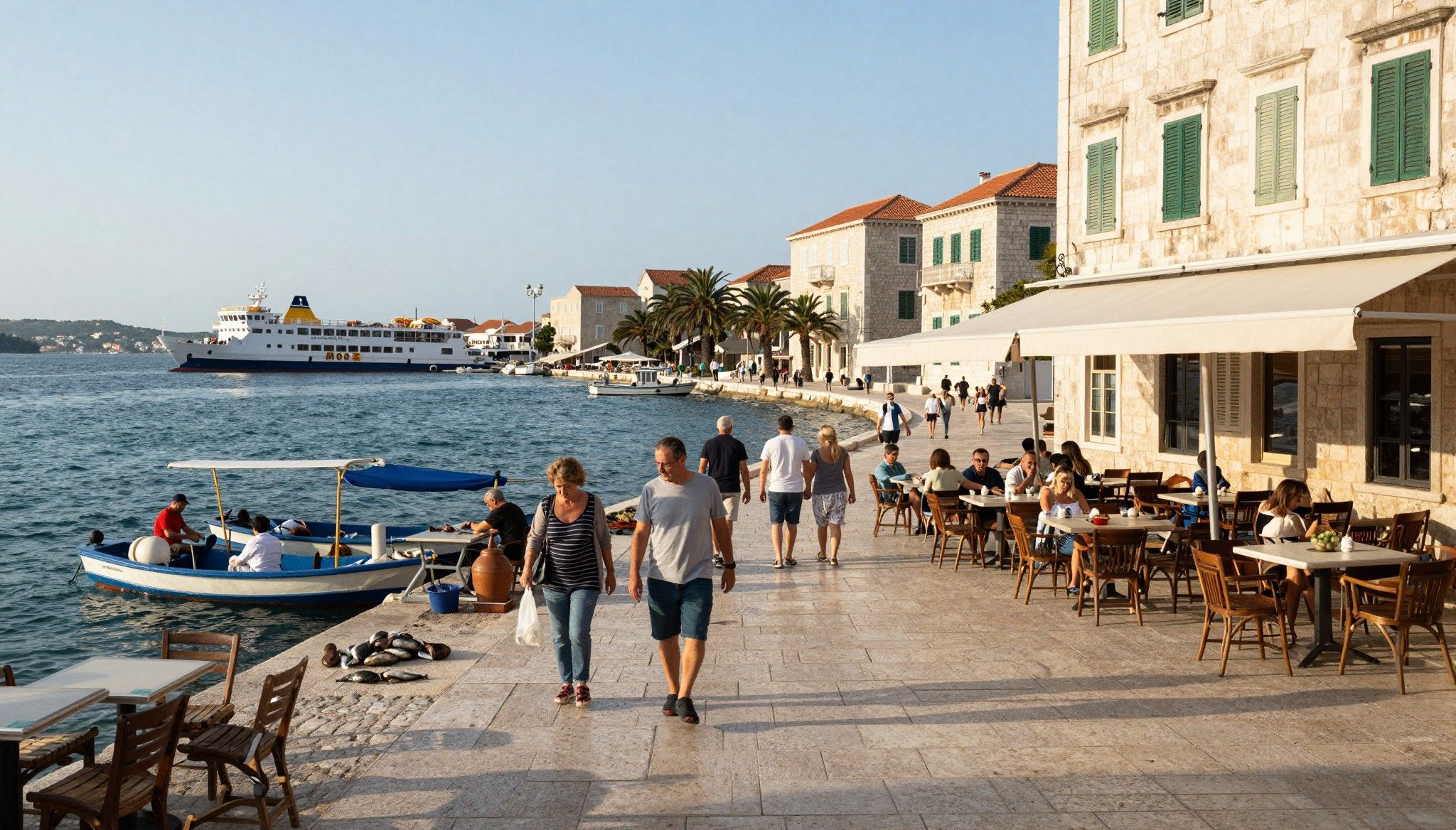
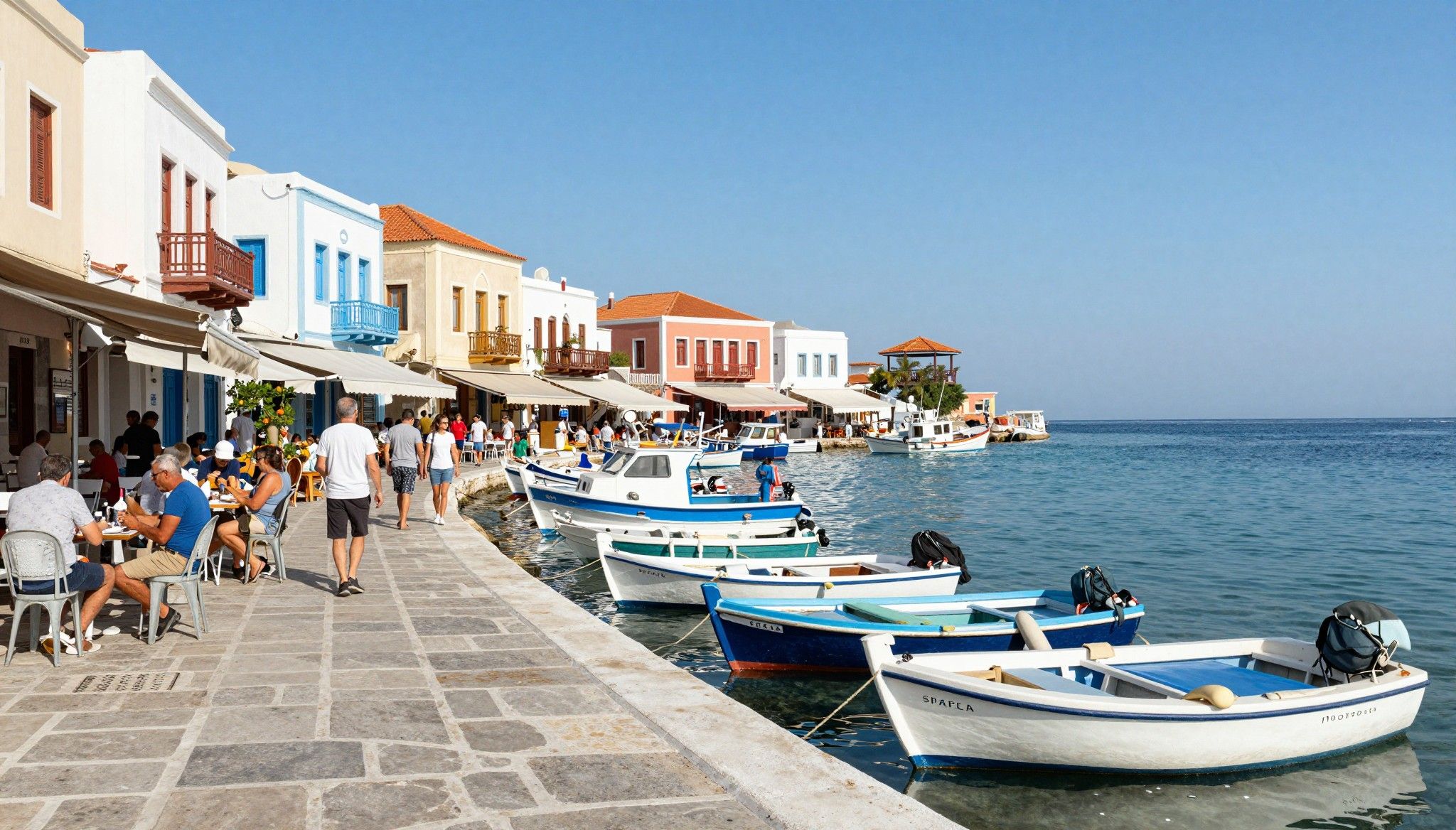
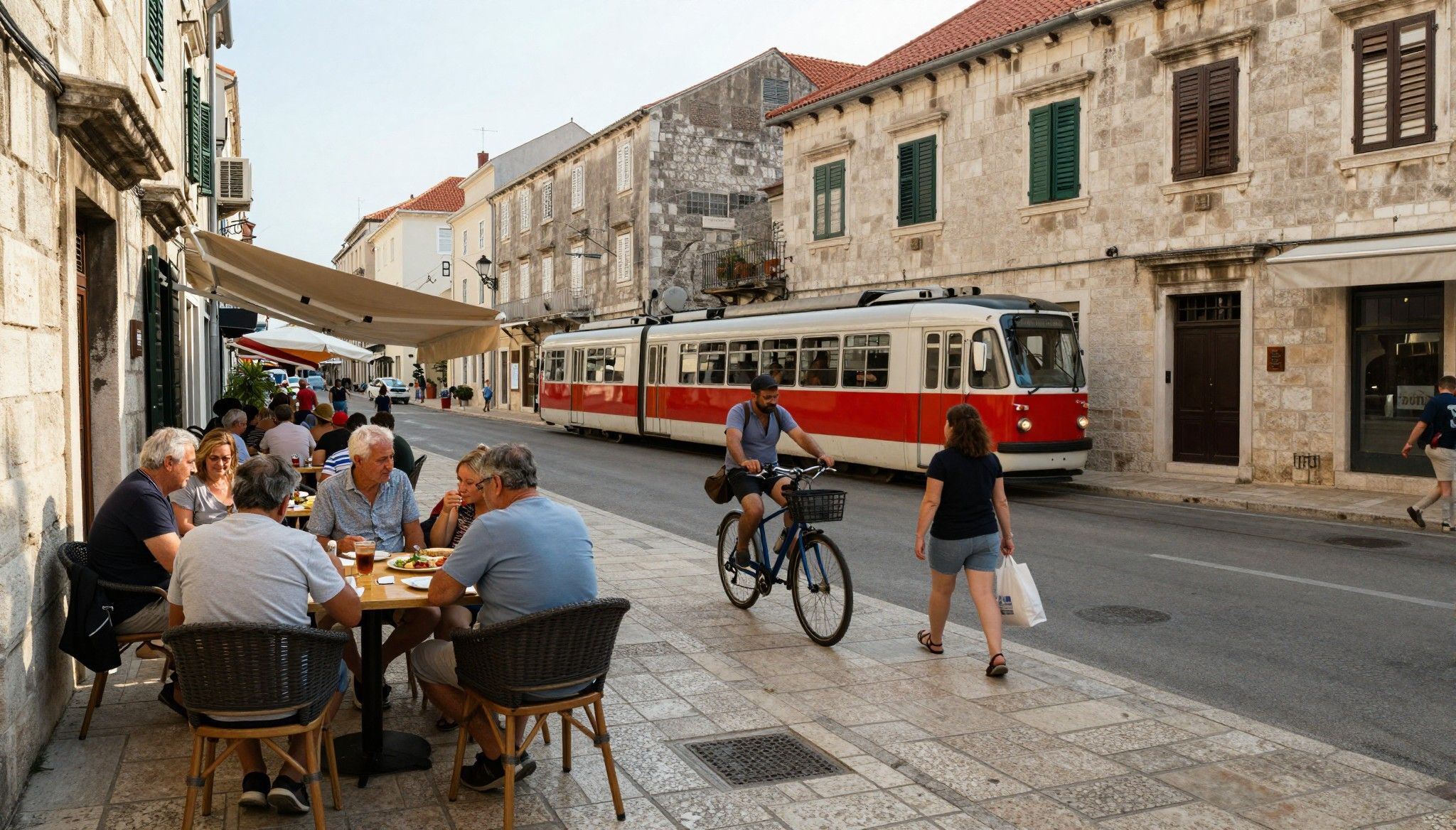
Imagine waking to the smell of strong coffee on a narrow Limassol lane, then walking 10 minutes to a Mediterranean beach where short‑stay guests arrive for the weekend — that contrast, between slow daily life and relentless tourist demand, defines Cyprus as both a place to live and a yield calculation. Data shows prices have been rising but momentum is shifting; for an investor this means the choice of street, not city, often determines whether you earn 4% or 7% gross. We start with the life you buy, then translate those scenes into concrete price and yield metrics that matter to international buyers.
Living Cyprus: sunlit mornings, market afternoons
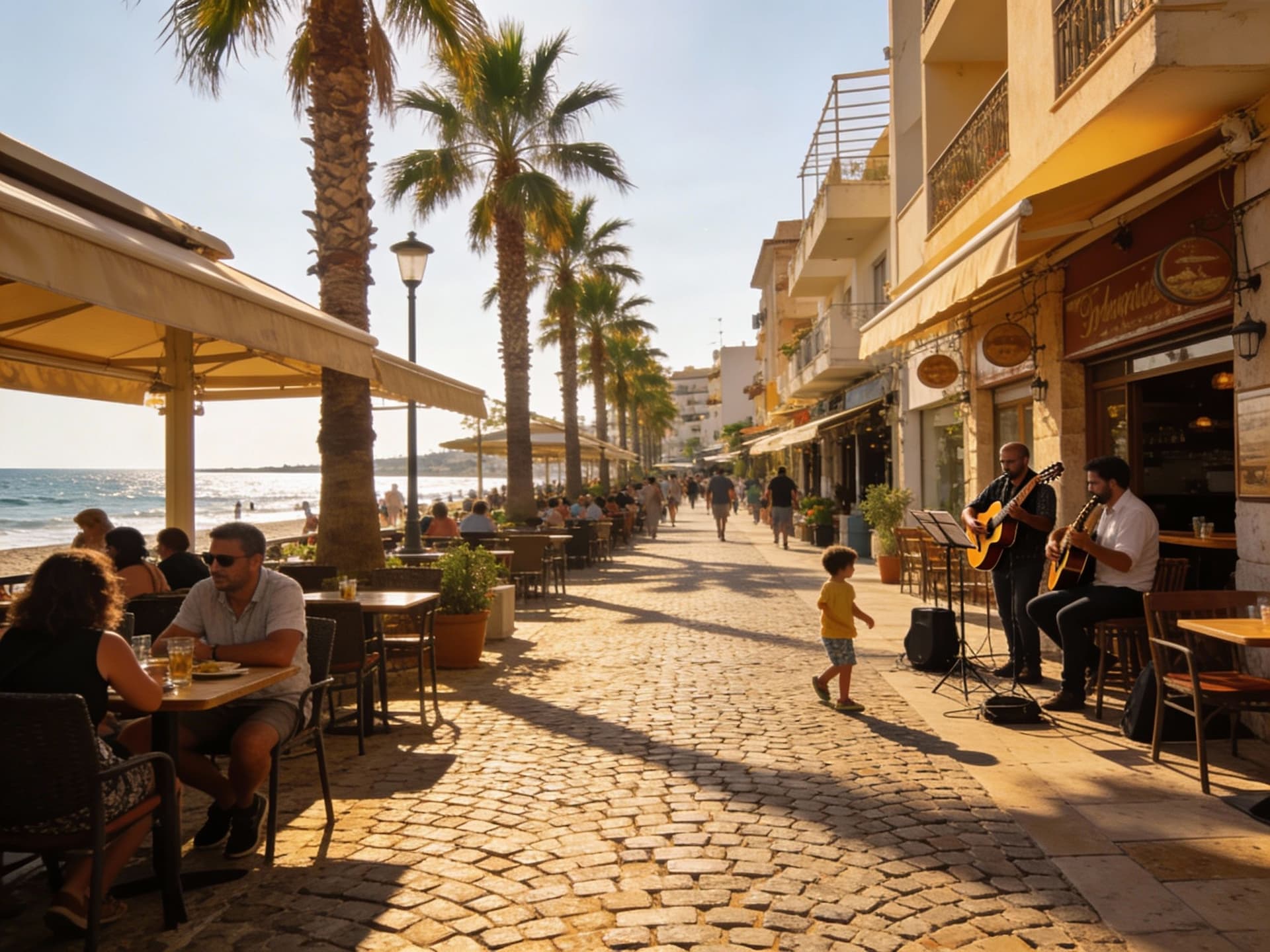
Cyprus feels smaller than it is: villages on the Troodos plateau, a few compact city centres, and a coast where seasonality still sets the tempo. Tourist flows surpassed four million visitors in 2024, concentrated in Paphos, Ayia Napa and Larnaca, so many coastal neighbourhoods pulse with high seasonal demand. That energy makes cafés, seafront promenades and short‑let markets part of the everyday backdrop — and it directly influences rental rates and vacancy cycles investors must model.
Neighbourhoods that feel different at 9am and 9pm
Limassol's Neapolis and Germasogeia are morning market, afternoon construction, evening tapas — high demand from professionals and tourists. Paphos old town offers cobbled quiet and steady long‑term rentals, attractive to retirees and British seasonal residents. Larnaca and Nicosia present pragmatic value: Larnaca trades coastal convenience for slightly higher gross yields, while Nicosia delivers stable long‑term rents from employees and students.
Food, festivals and the rhythm that affects rent
Weekends bring food markets in Paphos and Limassol; summer festival seasons attract higher nightly rates for short lets. But infrastructure strains — like water shortages addressed by desalination investments — alter operating costs and can compress net yields if utilities or regulation change. For international buyers, lifestyle demand drivers are inseparable from the cost line items that define net yield.
- Neighbourhood lifestyle hits: Limassol Marina cafés, Paphos harbour fish tavernas, Larnaca Finikoudes promenade, Nicosia Ledra street coffee culture, Troodos village wineries, Ayia Napa summer music scene.
Making the move: property types and market math

The Central Bank of Cyprus shows house and apartment price growth slowing in late 2024; apartments decelerated more than houses as supply rebalanced. On the rent line, aggregate gross yields for Cypriot apartments typically range around 4–6%, with micro‑markets in Limassol and parts of Larnaca delivering higher outturns on small units. That spread — the difference between 4% and 7% gross — is mostly driven by unit size, exact street, proximity to tourist nodes and whether you target short‑let or long‑term tenants.
How location changes the math: an example
- Calculate two scenarios for a €300,000 one‑bed: (1) Limassol long‑let at 6% gross = €18,000/year; after 20% allowance, management and vacancies assume 60% retained → net ≈ €7,200 (2.4% net). (2) Larnaca seasonal short‑let effective annualised yield 8% gross = €24,000; higher management and furnishing costs reduce net retention to 50% → net ≈ €12,000 (4.0% net). The point: headline gross yield hides operating intensity and seasonality risk.
Property styles: what they mean for tenants and yields
New builds near marinas and resort complexes command premiums and lower gross yields but better capital appreciation prospects; older apartments in town centres yield more immediately but need refurbishment. Villas appeal to lifestyle buyers and can produce attractive high‑season short‑let income, yet they carry maintenance and regulatory complexity that compresses net returns unless priced carefully.
Insider knowledge: what expats wish they’d known
Expats often underestimate how micro‑location and seasonality reshape returns. A sea‑view label in Limassol raises purchase price sharply but often lowers gross yield versus a well‑located inner Marina one‑bed. The Central Bank’s recent data indicating slowdown in apartment price growth is a reminder: timing and street choice matter more than city brand when buying for yield.
Cultural and practical integration factors
English is widely spoken in urban and tourist zones, easing property management and tenant screening for international owners. Still, municipal rules, short‑let licensing and utility constraints (notably summer water restrictions) require local advice; ignoring these operational frictions can erode expected net yield by 1–2 percentage points annually.
- Practical red flags and checks: obtain local title search, confirm short‑let permissions, compare historical seasonal occupancy, model utility and service cost increases, verify management fees and vacancy assumptions.
Step‑by‑step for international buyers: (1) shortlist streets not cities; (2) run two yield models — long‑let conservative and seasonal optimistic; (3) obtain local occupancy & tourist season data; (4) price in operational costs and permit risk; (5) use a local agent to verify title and current tenant demand. This process turns lifestyle preferences into defensible yield estimates.
In short: fall in love with the morning espresso and the promenade, but underwrite the income with street‑level data. Cyprus offers a spectrum of yield outcomes — from conservative city centre apartments around 4–5% gross to niche short‑let and marina micro‑markets that can push towards 7–9% gross — but net returns depend on management, seasonality and infrastructure risks. Start with vivid lifestyle intent, then stress‑test it against occupancy and cost assumptions before you sign.
Danish relocation specialist who moved to Cyprus in 2018, helping Nordic clients diversify with rental yields and residency considerations.