How Malta’s Transport Links Reprice Neighbourhood Yields
Malta’s short commutes, ferries and airport links act like price multipliers—map tenant profiles to transport nodes to convert lifestyle into repeatable rental yield.
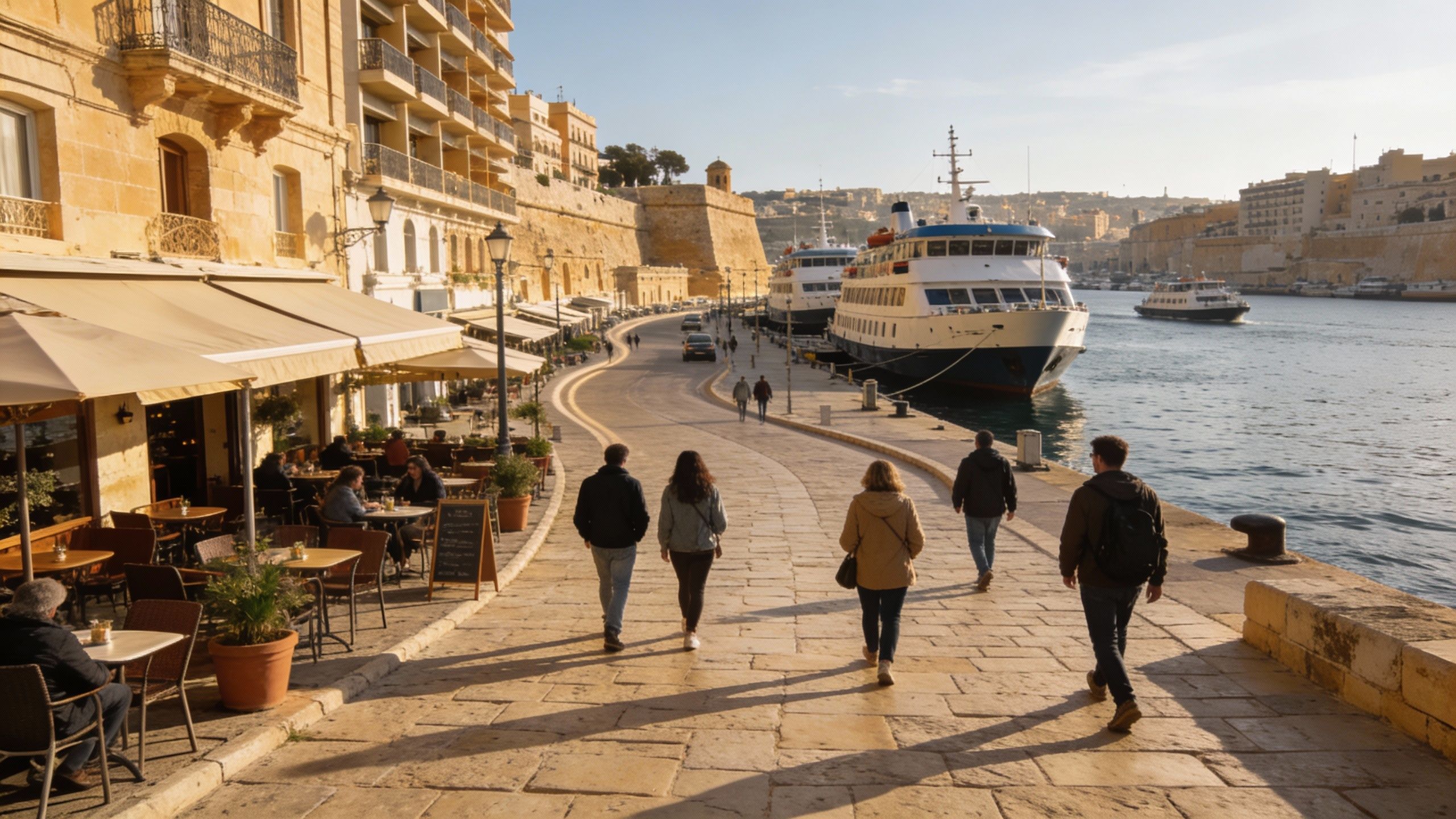
Imagine starting your morning with espresso on Triq ir-Rebha in Sliema, then boarding a 20‑minute ferry to Valletta for client meetings — all before noon. That compact commute is Malta’s secret asset: dense neighbourhoods, short travel times and concentrated tourism flows create predictable rental demand. Yet many international buyers treat Malta as a boutique holiday gamble rather than a transport-driven investment market. This piece shows how roads, ferries, airport links and short commutes actually reprice neighbourhood yields and where to look for steady returns. NSO price indices and tourism data back the claim; read on for neighbourhood examples and tactical steps.
Living the Malta lifestyle
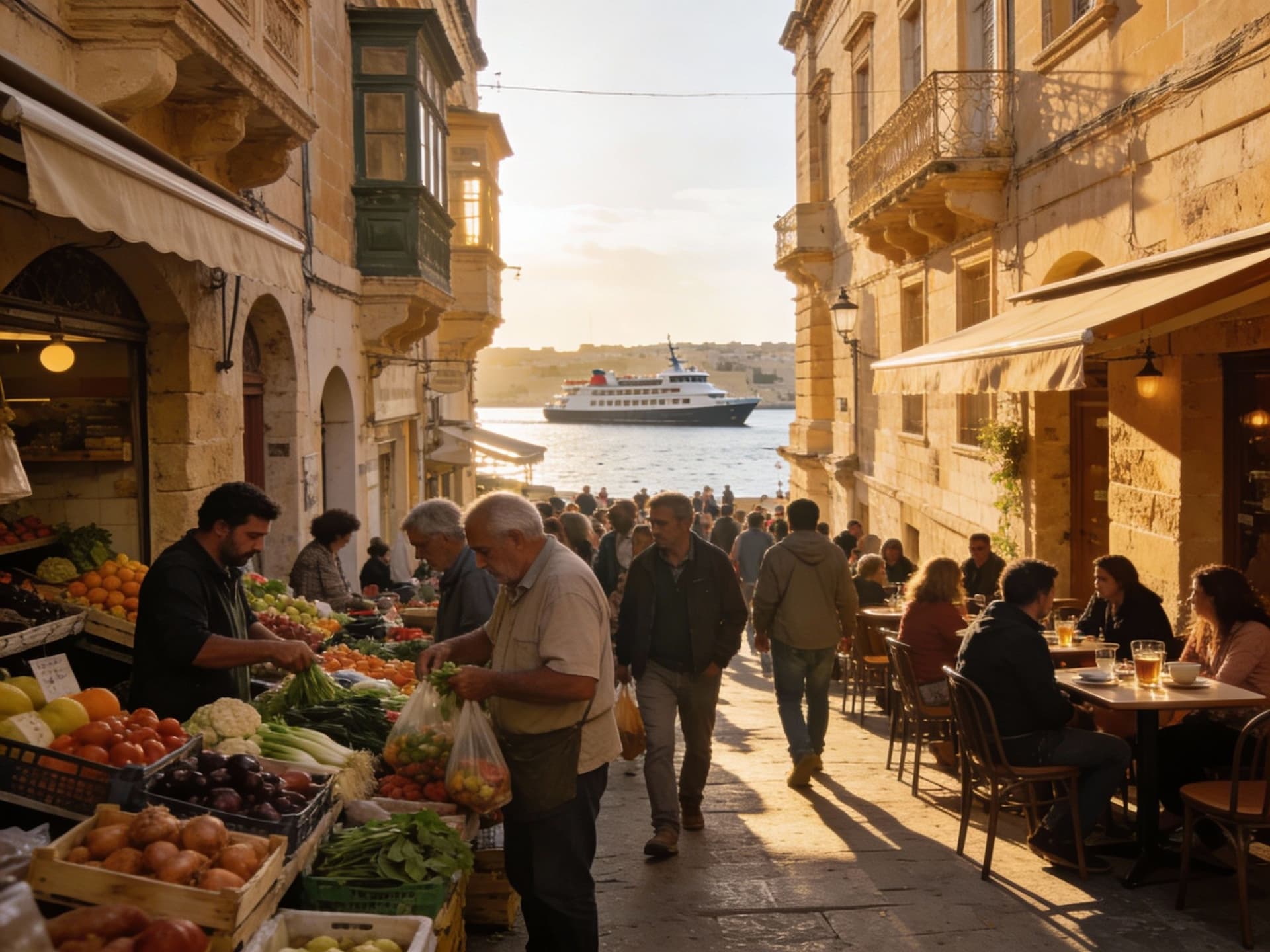
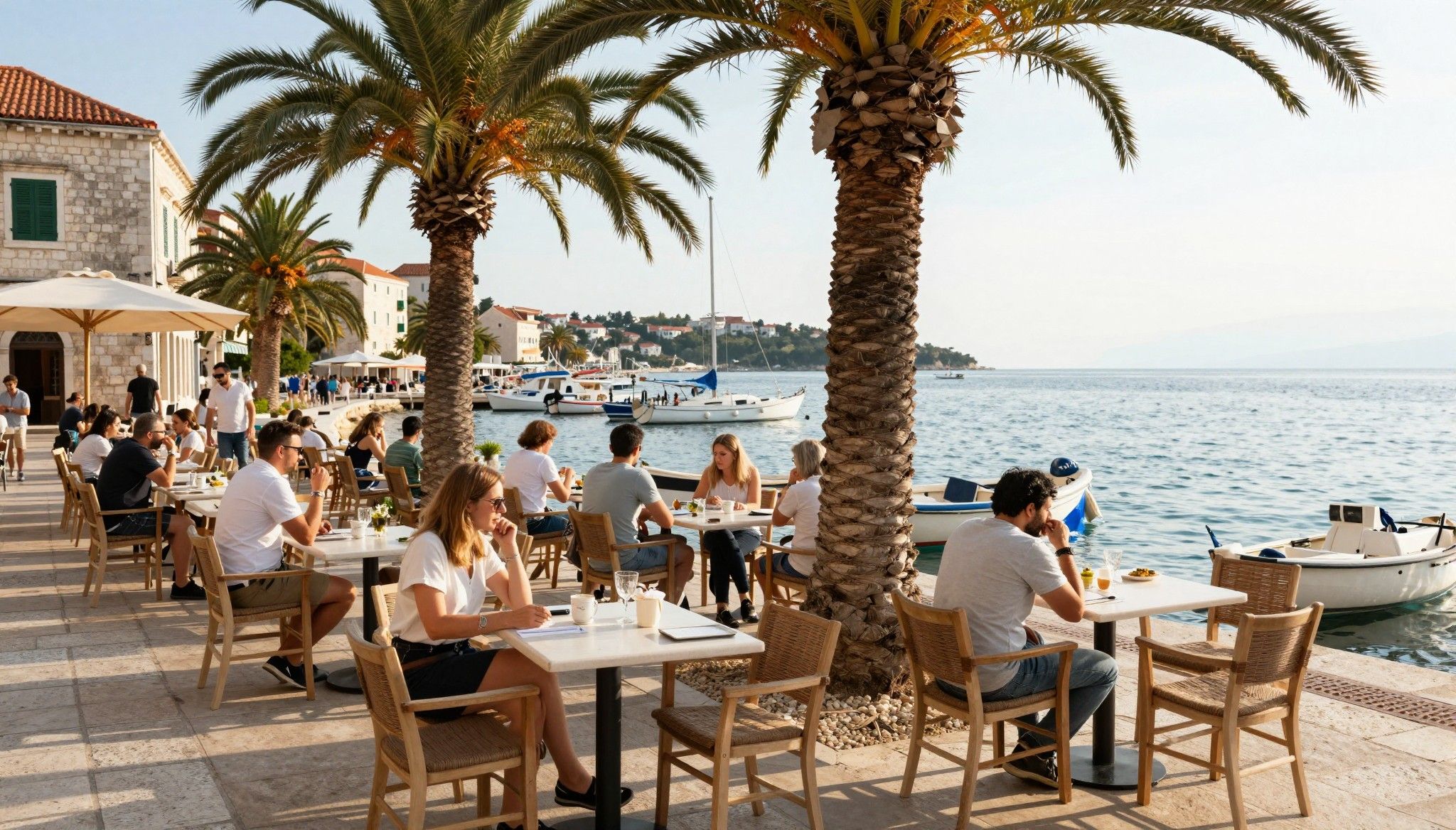
Malta moves at a Mediterranean rhythm: mornings are for cafés and errand runs, afternoons for siestas or harbour swims, evenings for long dinners in neighbourhood restaurants. Streets are a mix of limestone terraces, balconied townhouses and modern apartment blocks; English is commonly used, so everyday integration is straightforward. For buyers, lifestyle isn't just charm — it's the fabric that supports year‑round rentals: students, relocations, digital nomads and short‑stay visitors all prefer accessible, walkable areas with quick links to transport nodes. That human traffic translates into occupancy stability when infrastructure supports it.
Sliema, Gżira and the Northern Harbour pulse
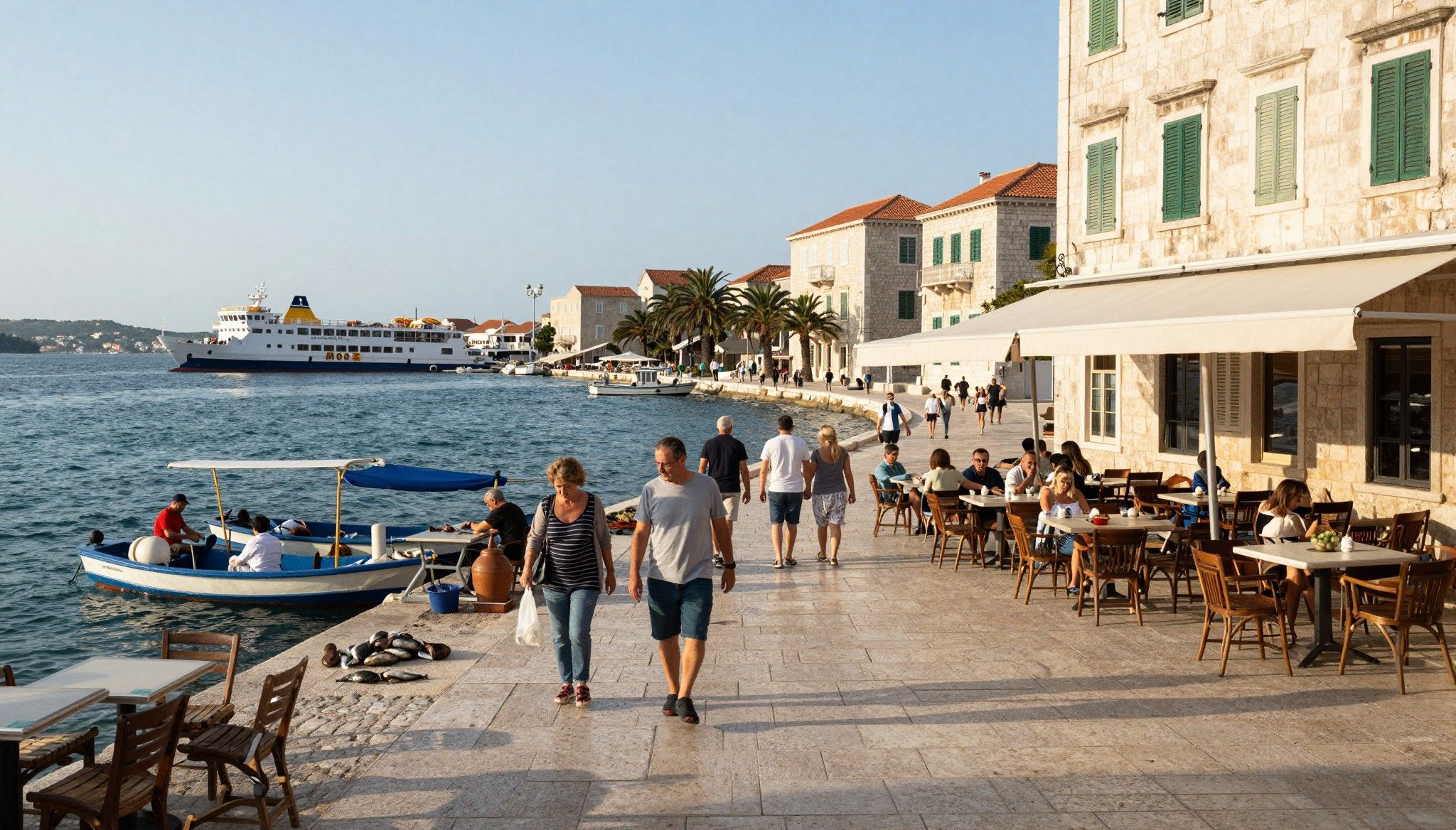
Walk Sliema’s Strand at 8am and you’ll see commuters catching buses, ferries and shared taxis — transport is literally on the pavement. Gżira’s marina and office conversions link daily workers to short‑let tenants attracted by proximity to Valletta and St Julian’s nightlife. These towns combine apartment stock suitable for professional tenants with direct bus routes and ferry options, keeping vacancy low and allowing landlords to charge a transport premium of 5–10% over less connected suburbs.
Valletta, Three Cities and heritage-led demand
Valletta and the Three Cities draw visitors for culture and short stays; the city’s compact streets are marketable to tourists and professionals who value walkability. Strong tourist inflows — over 3.5 million visitors in 2024 — support a hybrid rental market where short lets and medium‑term leases coexist. For investors that balance licensing requirements and tenancy profiles, proximity to heritage centres converts to higher seasonal rates and steady shoulder‑season demand.
- Lifestyle highlights to scout when house‑hunting in Malta:
- Morning espresso at Café Cuba (Paceville) and a 15‑minute walk to multiple bus routes
- Evening swims at St George’s Bay with easy taxi access to Sliema and St Julian’s
- Ferry hop between Valletta and Sliema for office‑district tenants
Making the move: practical considerations
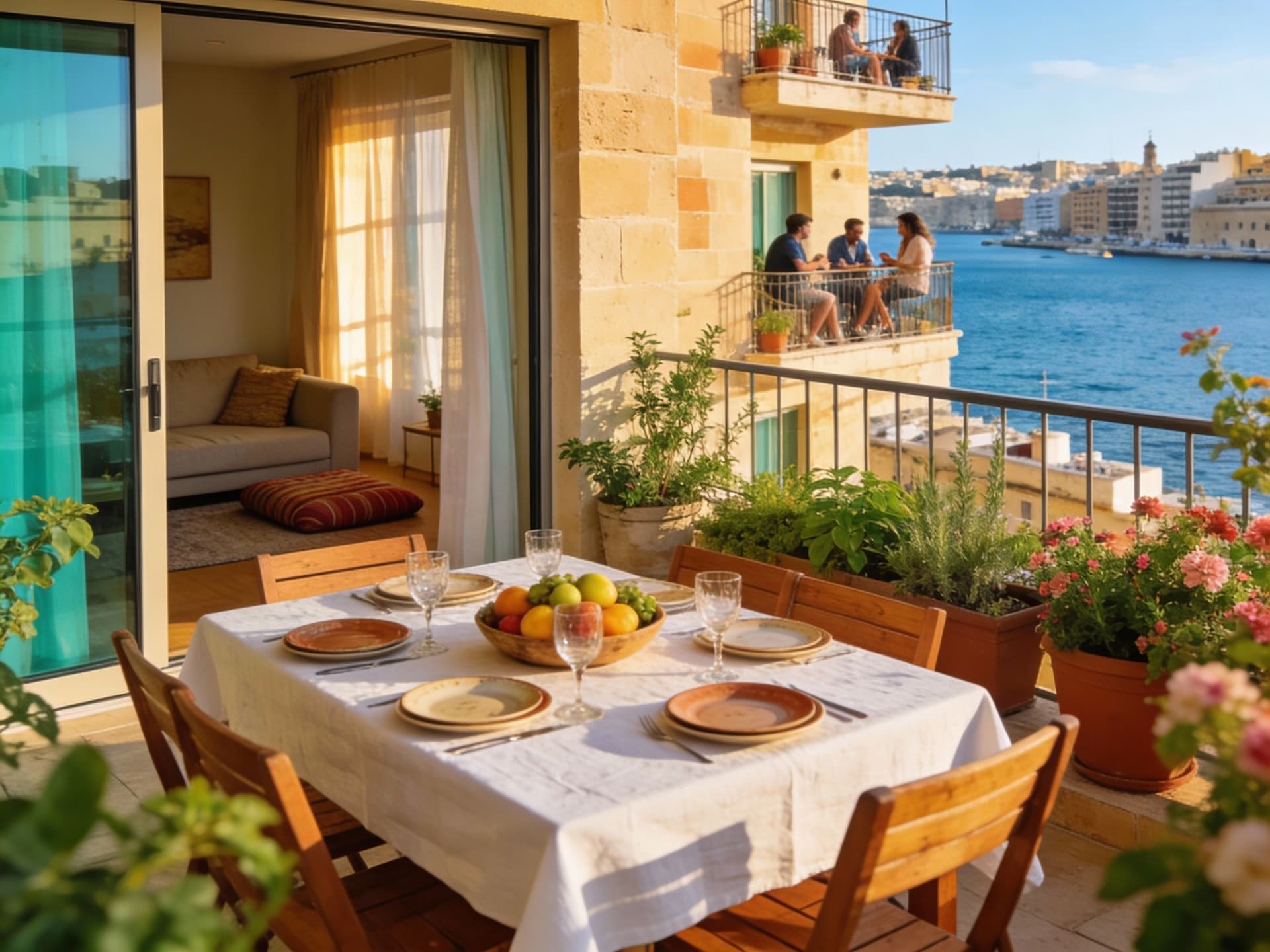
Transport convenience has measurable price effects in Malta. National statistics show property prices rose about 5% year‑on‑year in Q4 2024, with apartments and maisonettes leading the increase. When you overlay tourist intensity and arrival growth, neighbourhoods with superior airport and harbour links frequently outperform island averages. That means infrastructure should be part of the valuation model — not an afterthought.
Property types and how transport shapes use
Apartments in Sliema or Gżira often command higher nightly rates for short lets; maisonettes and converted townhouses in Valletta attract cultural tourists and longer‑staying professionals. Newer developments near arterial roads offer predictable commuter appeal for full‑time residents. Match the unit type to the tenant profile the local transport network supports: short‑stay tourists need walkable attractions, remote workers need reliable internet and quiet streets within a short taxi ride to cafés.
Working with local experts who know the flow
- Steps local agents and property managers typically follow to match lifestyle to returns:
- 1. Map tenant segments (students, professionals, tourists) against public transport and ferry nodes.
- 2. Stress‑test occupancy using seasonality indices from Malta’s tourism authorities and NSO statistics.
- 3. Price rental scenarios with and without transport premium — typically a 3–10% uplift for top‑connected units.
Insider knowledge: what expats wish they'd known
Expats say the surprise wasn’t the sunshine — it was the ebb and flow of people. Peak months flood certain localities (San Ġiljan, Sliema, Mellieħa) while quieter months reveal hidden residential value in neighbouring localities. Many buyers overpay for waterfront views without accounting for transport friction; the real yield stories come from properties that balance appeal with commuter efficiency. Use tourism seasonality and ferry/bus timetables to model realistic occupancy across months.
Cultural integration and daily life
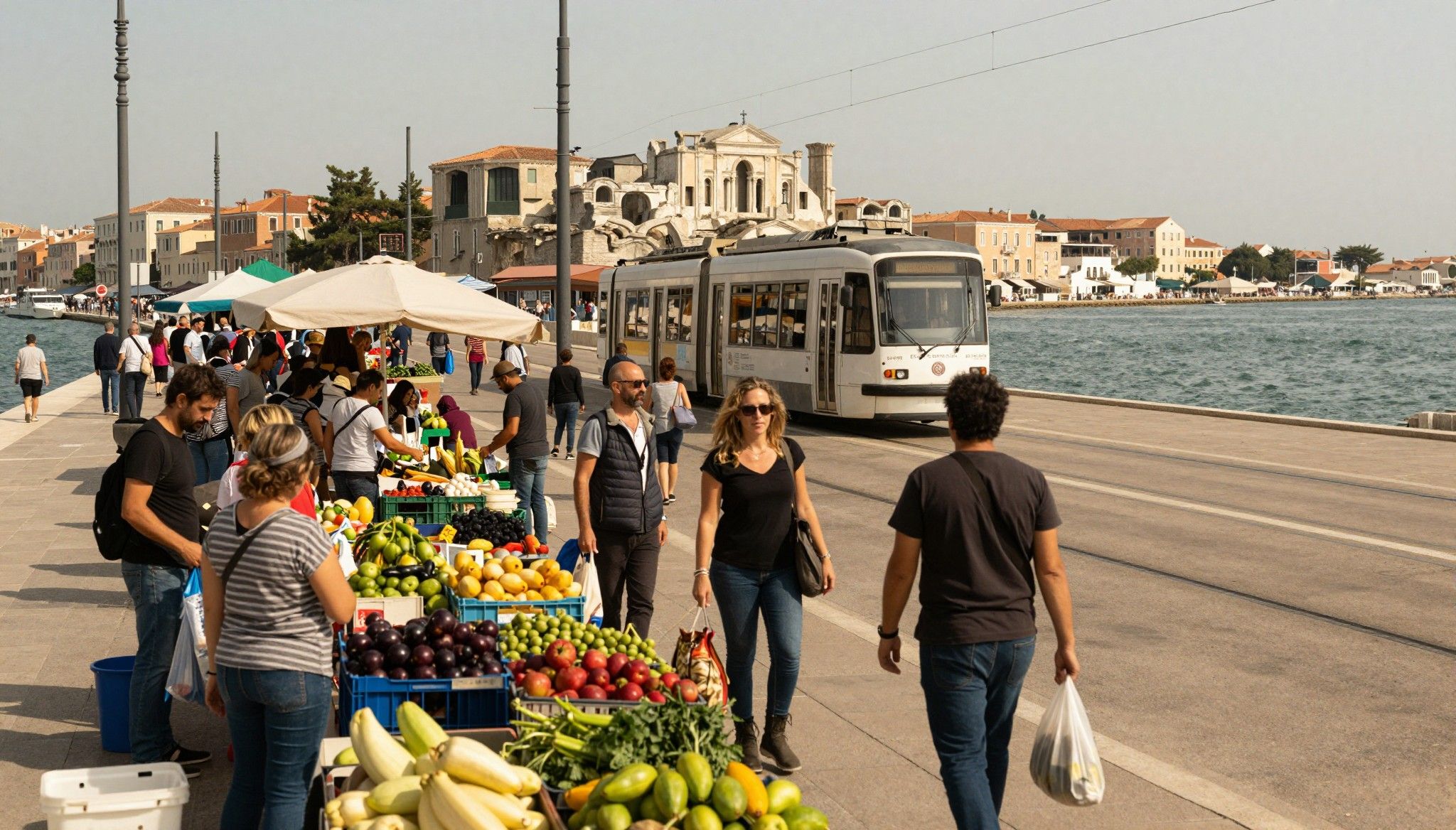
Language is rarely a barrier — English and Maltese coexist — but local customs matter: shop opening hours, market days and siesta rhythms shape tenant expectations. Investing near community hubs (weekly markets, parish squares) increases long‑term tenant stickiness. For retirees and families, proximity to health centres and international schools often outweighs a marginal transport premium.
Long‑term considerations: when infrastructure changes reprice markets
Planned road upgrades, harbour improvements and airport route additions can shift rental dynamics quickly on an island this size. Monitor government announcements and local council plans; a new direct route to the airport can convert a previously overlooked suburb into a commuter hub within two years. That’s why an infrastructure‑aware holding strategy — buying near planned upgrades — can materially increase capital growth without relying on tourism booms alone.
- Red flags and quick checks before you buy:
- Check bus/ferry frequency at intended tenant move‑in times (early morning and late evening).
- Confirm noise and congestion on narrow streets — transport convenience can also mean street noise.
- Validate licensing for short lets — proximity to touristic nodes increases regulatory scrutiny.
- Ask agents for separate yield models: tourist‑weighted vs long‑let residential scenarios.
Conclusion: Malta’s compact transport network is not a constraint — it’s a tool. When you treat ferries, buses and airport links as line items in your valuation model, you find repeatable yield advantages in predictable pockets. Start by mapping tenant profiles to transport nodes, stress‑testing occupancy with NSO and tourism data, and partnering with agents who quantify the transport premium. If you want a short checklist and neighbourhoods matched to tenant archetypes, an infrastructure‑aware local agency will cut your research time and reduce execution risk.
Norwegian market analyst who relocated from Oslo to Mallorca in 2016, guiding Northern buyers through regulatory risk, currency hedging, and rentability.