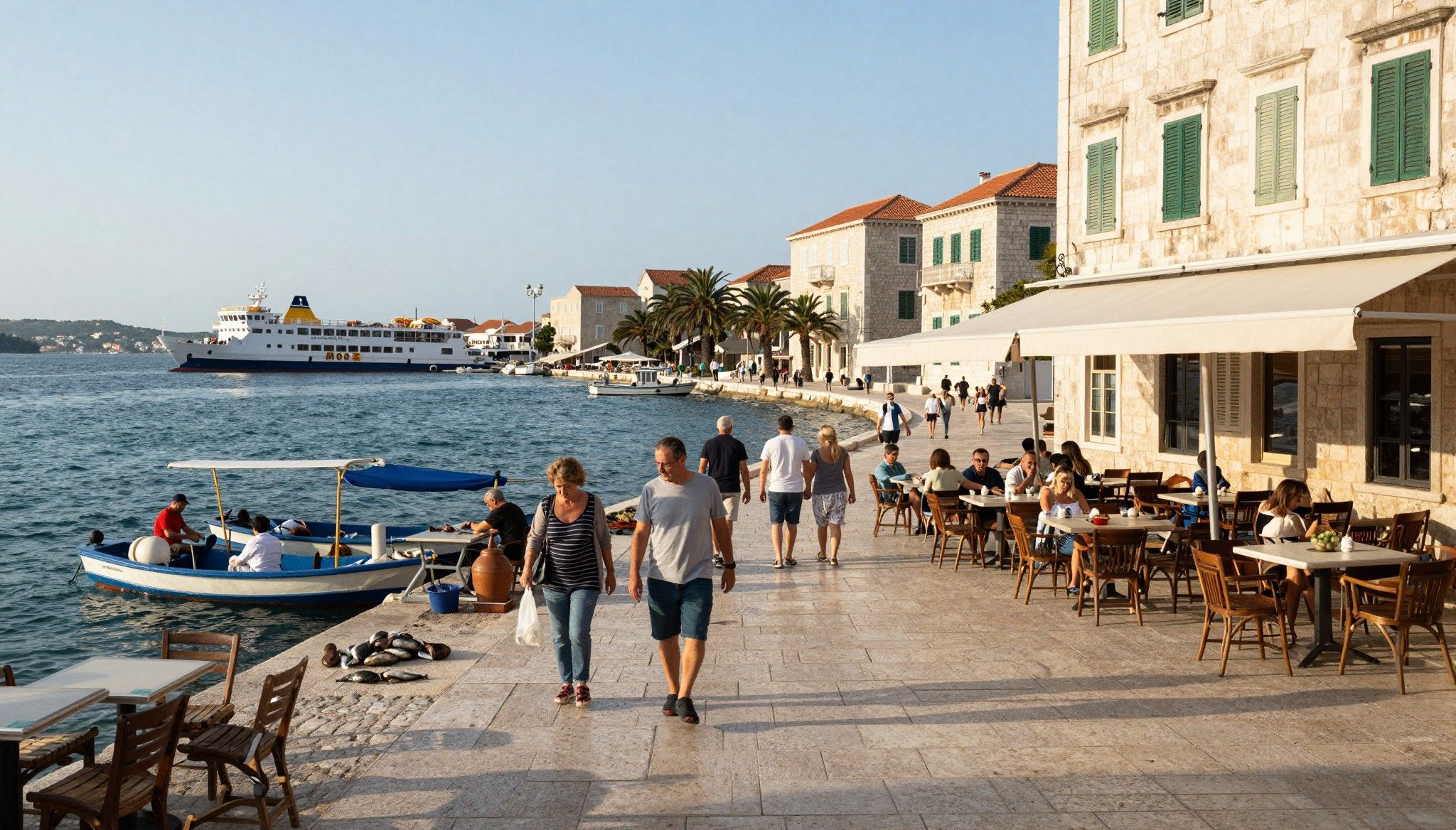
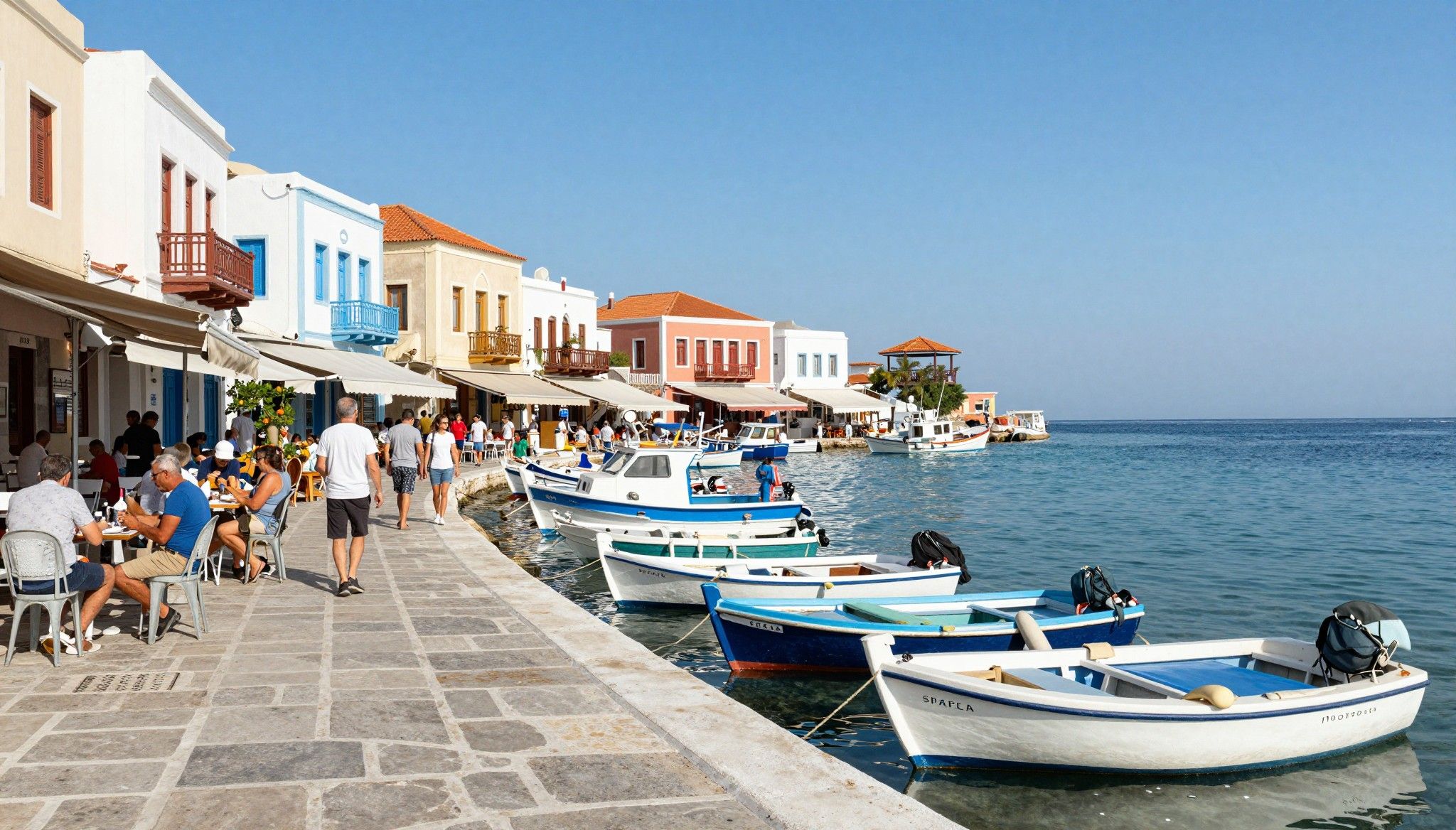
Why House‑Hunting in Cyprus in Summer Costs You Yield
Summer listings in Cyprus overstate year‑round income; stress‑test with off‑season comparables, factor water and short‑let licence risks, and demand net‑yield models.
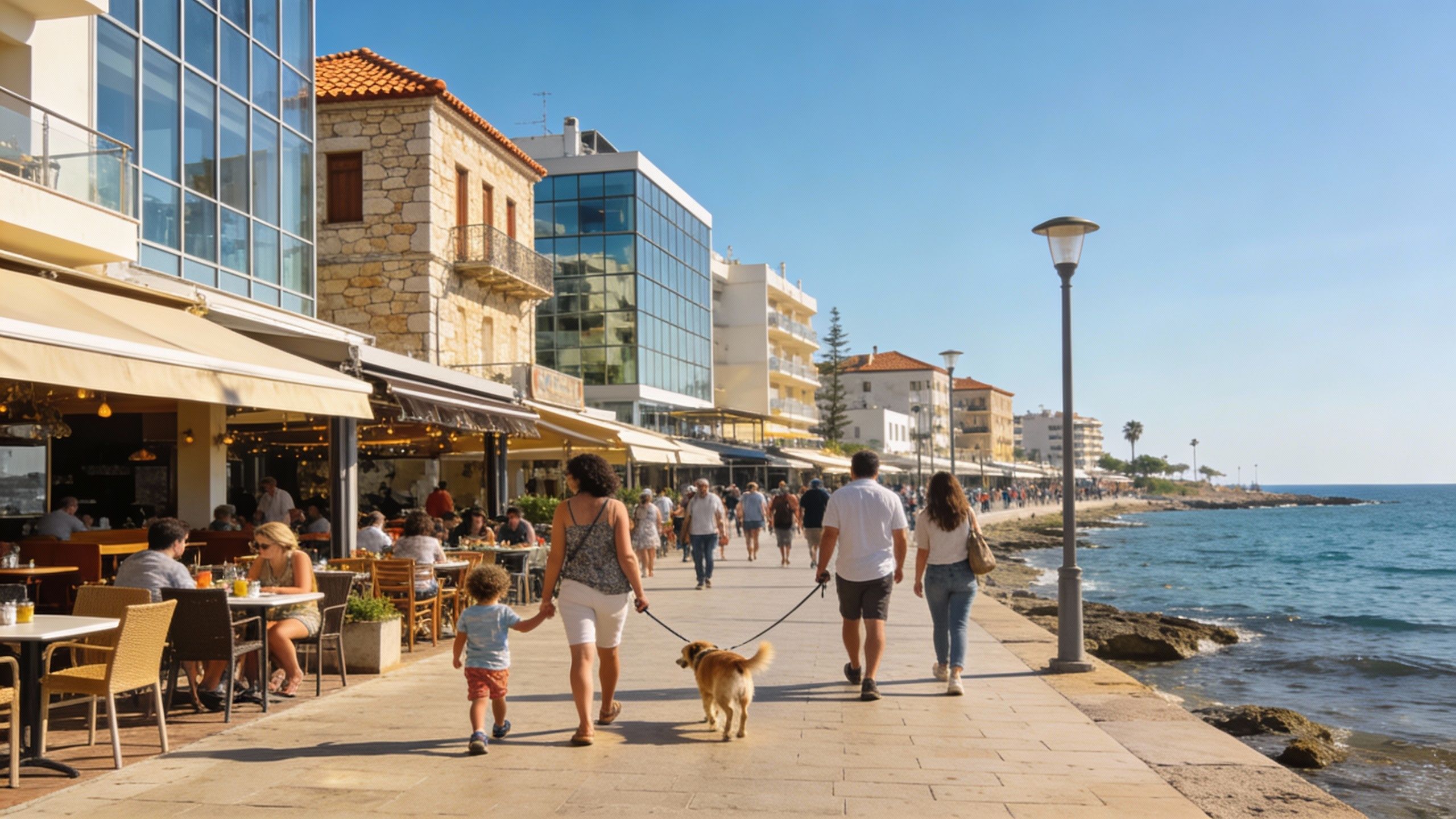
Imagine waking before dawn to buy fresh halloumi at the Larnaca market, then walking the seaside promenade as cafés fill with locals and expats. That contrast—tranquil mornings, lively afternoons, near-empty streets by late autumn—shapes how property in Cyprus performs across the year. High-season demand creates a mirage of constant premium prices; beneath it, yields and availability tell a different story that every international buyer should know.
Living Cyprus: light, sea and measured rhythms

Cyprus feels like a long summer stitched with short, vibrant seasons. Mornings begin with strong light and coffee smoke in narrow streets; afternoons are for beaches in Ayia Napa, social cafés in Limassol’s Germasogeia, and quiet coastal walks in Paphos. That seasonal pulse shapes tenancy patterns: short-term holiday spikes between May and October, steadier long-term rentals through the cooler months.
Neighbourhood spotlight — Limassol marina to Old Town
Limassol’s marina and Old Town are shorthand for Mediterranean cosmopolitan life—seafront promenades, boutique cafés on Anexartisias Street and a mixed stock of modern apartments and renovated townhouses. For investors this means a split market: premium short-let demand near the marina; more consistent, mid-yield long lets in the quieter blocks inland.
Where visitors go matters: Paphos and Ayia Napa capture disproportionate tourist nights (Cystat reports Paphos with ~31.5% of tourist stays in 2024), while Limassol and Larnaca balance business and holiday demand. Those patterns drive rental seasonality and affect how quickly an investment achieves occupancy and stable cashflow.
From dream to spreadsheet: practical market realities
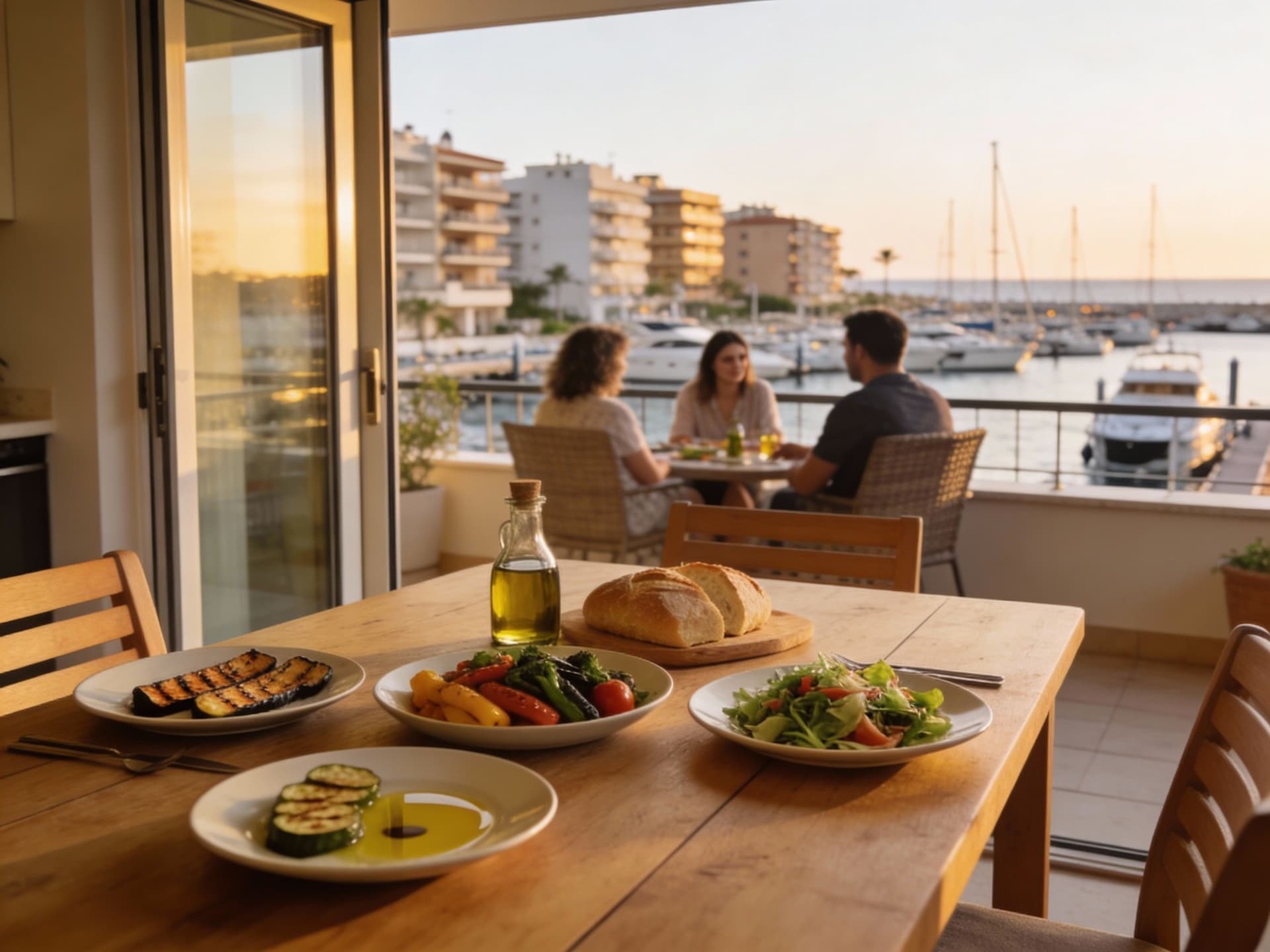
The postcard image—sunlit terraces, sea views—translates into variable returns. Nationwide gross rental yields for apartments hover in the mid-4% to low-5% range depending on city, while houses typically show lower yields. Price per square metre and the split between short-term and long-term demand are the decisive variables for investors focused on yield rather than lifestyle alone.
Property types and the lifestyle-yield tradeoff
New builds along the coast command a premium for amenities and short‑let appeal but compress yields through higher purchase prices and service charges. Traditional village houses in the Troodos foothills cost less per square metre, offer renovation upside and appeal to year‑round tenants. Choose the type that matches your return horizon: quick seasonal income vs steady long-term occupancy.
Steps to align lifestyle expectations with yield (practical sequence)
1) Define use case: primary residence, long-let, short-let or hybrid. 2) Map target tenant profile and seasonality to neighbourhood selection. 3) Stress-test cashflow using conservative occupancy (50–60% for short-lets outside peak months). 4) Add realistic operating costs: utilities, management fees, and periodic maintenance.
Insider knowledge: seasonal traps and underused advantages
Two less‑sexy realities shift long‑term risk: water stress and a large informal short‑let market. The government has begun subsidising desalination at hotels and prioritising infrastructure repair; investors should factor utility resilience into location choice. Meanwhile, up to a third of visitors stay in unlicensed rentals—this depresses returns for professionally managed holiday stock and raises regulatory uncertainty.
What expats wish they'd known
Expats often arrive enchanted by summer listings and forget how empty some neighbourhoods become in winter. That lull affects resale comparables and rentability for non-tourist tenants. A pragmatic local agent will show you December‑to‑April comparables, not only August occupancy figures.
Quick red flags to spot on viewings
• High service-charge new builds marketed solely on pool/gym access with no winter leasing history. • Listings priced on peak-month short-let income with no conservative occupancy stress-test. • Properties in areas with seasonal water shortages or weak mains infrastructure.
How the right agency adds measurable value
An analytical agency does three things well: calibrates comparables to off‑season performance, models net yields after management and vacancy, and verifies licences for short‑lets. Ask for district-level occupancy curves and three-year historical net yield calculations before committing.
Conclusion — love the life, own the numbers
Cyprus sells an easy life: sea, markets and warm communities. For investors, that life must be translated into discounted pricing, conservative occupancy assumptions and resilience to seasonality and infrastructure risk. Use local season‑adjusted comparables, factor water and licensing risks into total cost, and demand net‑yield models from any agent you brief—then buy the lifestyle you can afford to hold.
Swedish financier who guided 150+ families to Spanish title deeds since relocating from Stockholm in 2012, focusing on legal and tax implications.