Which Greek Projects Actually Reprice Property
Greece’s lifestyle is irresistible — but yield depends on which infrastructure projects actually shift demand. Prioritise transit, ports and confirmed developments.
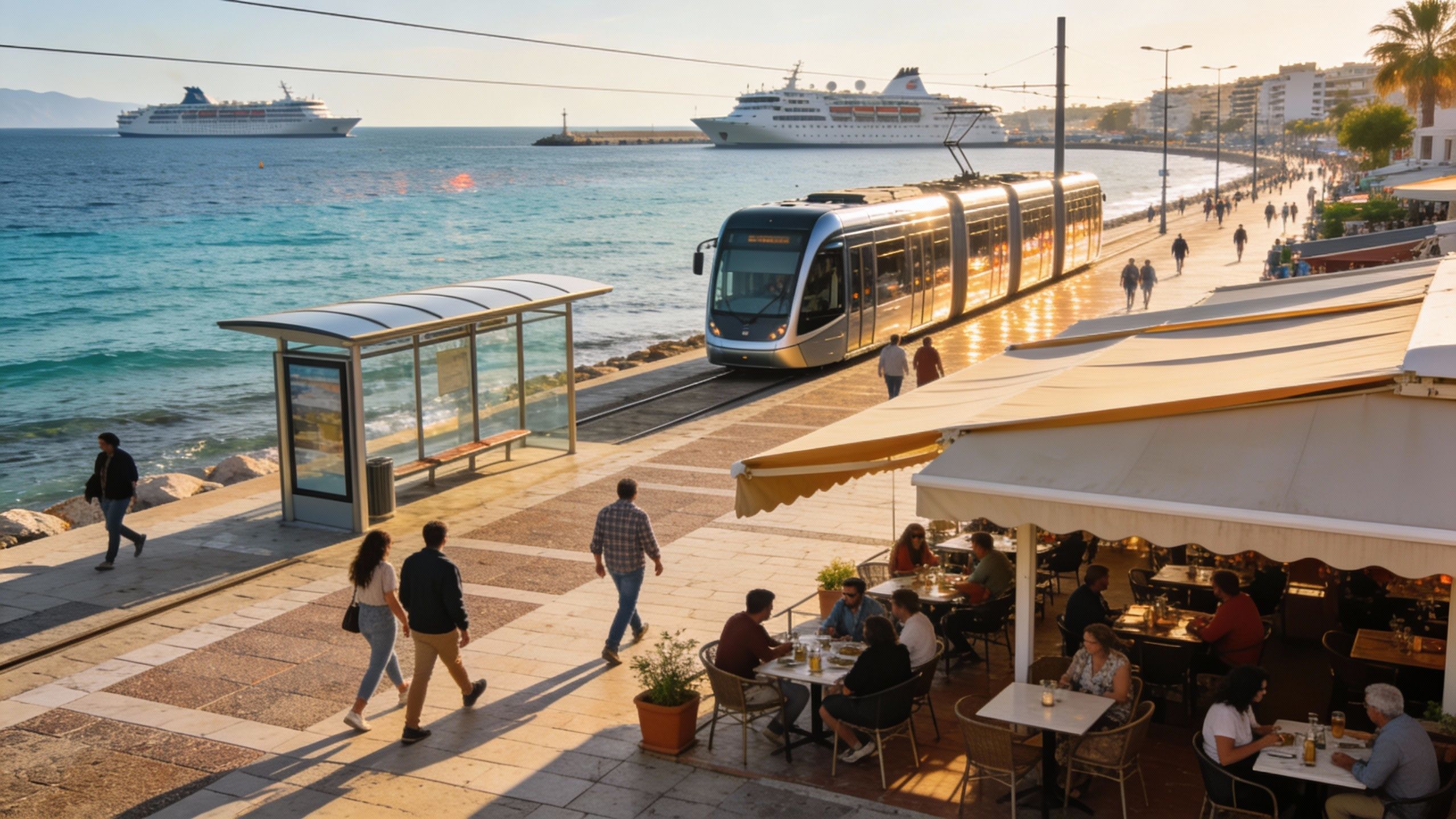
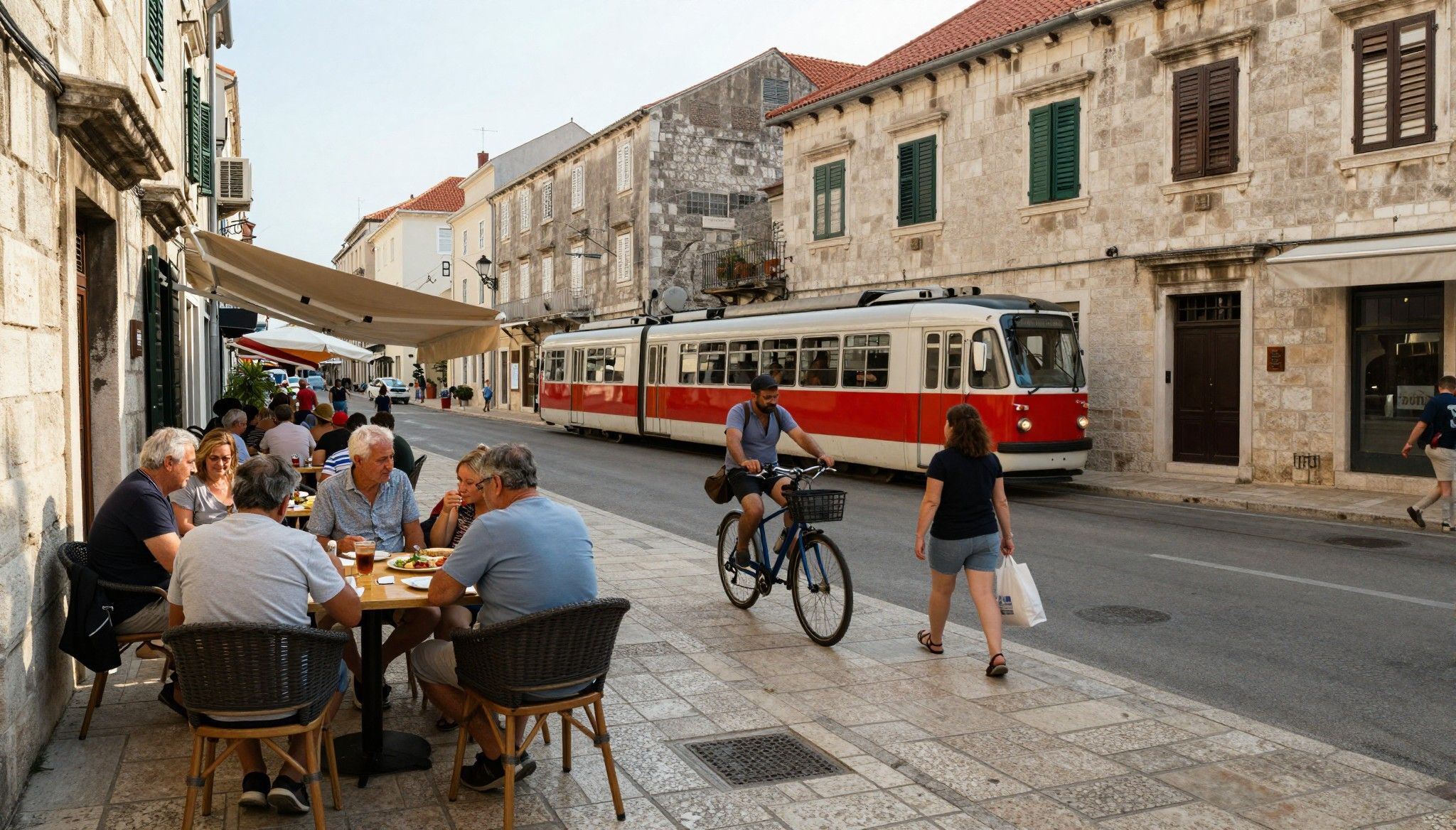
Imagine stepping out at 08:00 to a café on Veikou Street in Koukaki, espresso steaming, a tram rattling toward the Acropolis and a delivery van unloading olives and fresh fish. That warm, lived-in rhythm — sunlit mornings, late dinners, island weekends — is why buyers fall for Greece. But beneath the light and pace are infrastructure shifts and policy moves that materially change investment math. Understanding which projects actually move price and rental demand is the difference between romance and return.
Living Greece: smell of sea, cadence of cities

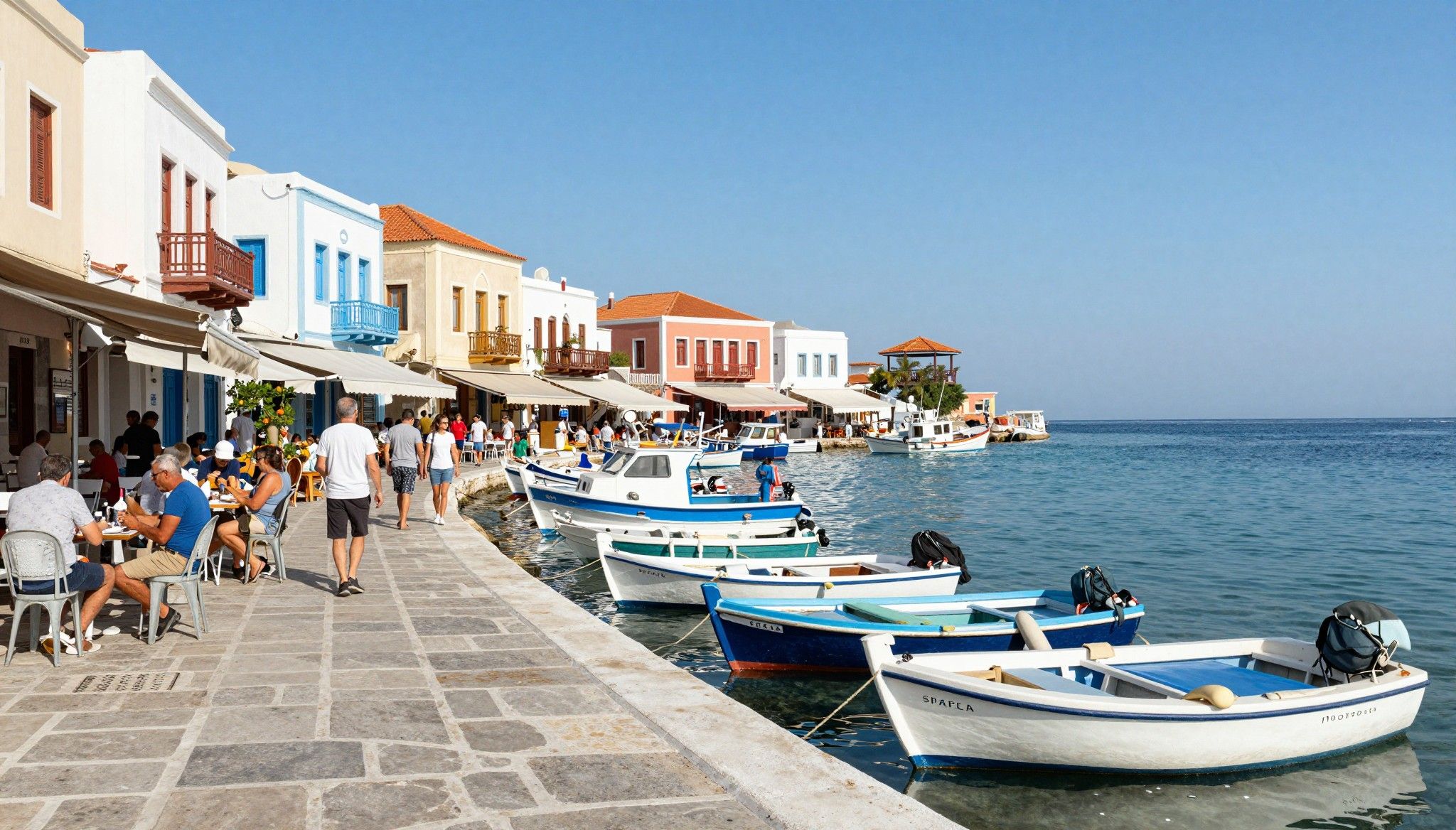
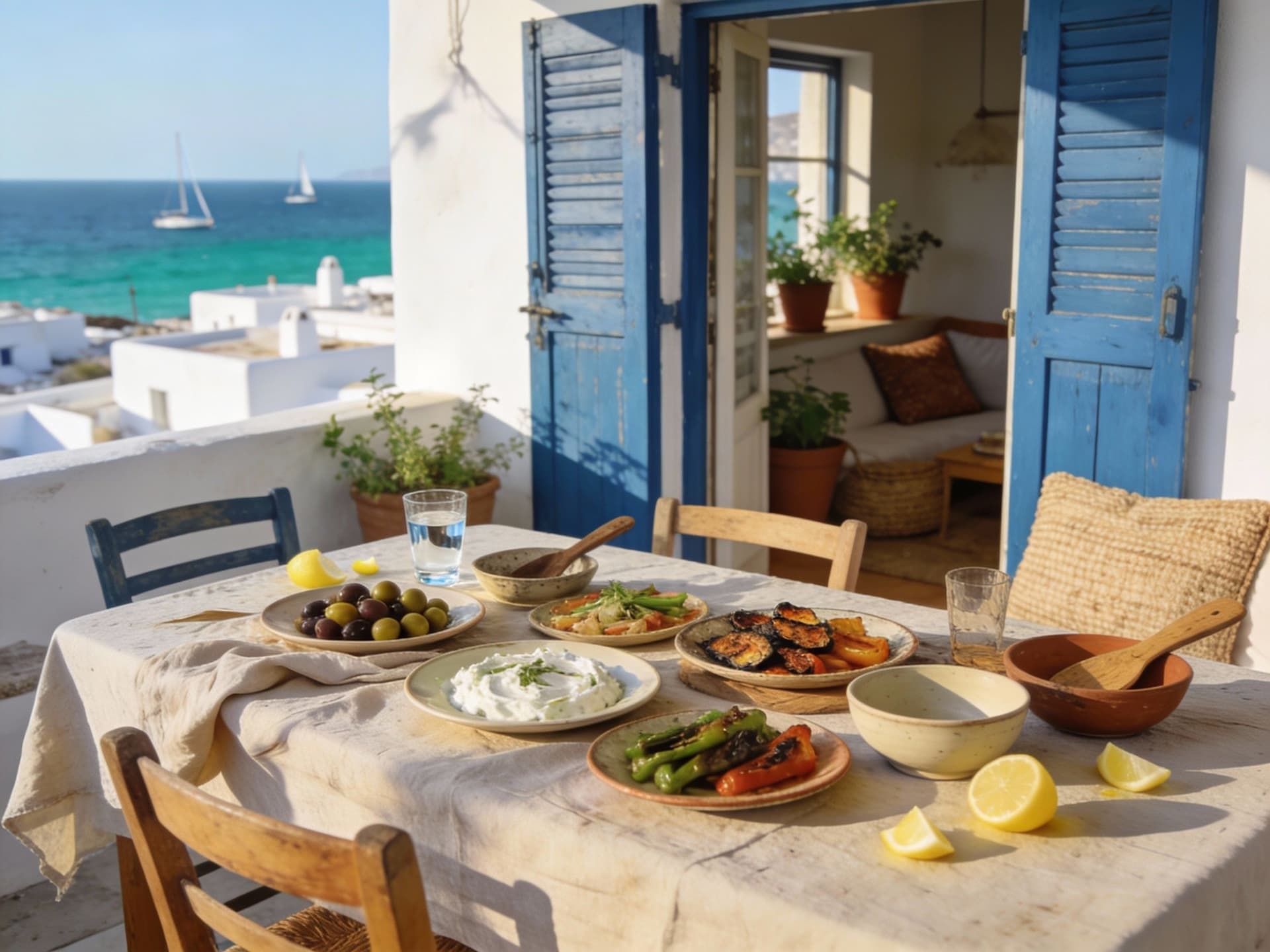
City life and island time coexist in Greece. Athens offers tight, walkable neighbourhoods — Plaka’s alleys, Pangrati’s late-night stadia of cafés, Koukaki’s village calm — while Mykonos and Naxos trade daytime beaches for evening tavernas. Tourism remains a backbone of demand: official statistics show inbound travel and overnight stays recovered strongly after 2021, concentrating rental demand in South Aegean and Crete but pushing year-round interest in Athens and Thessaloniki too.
Athens neighbourhoods: where pragmatic buyers live
Walkable, well‑connected districts like Koukaki, Neos Kosmos and Pangrati combine steady tourist footfall with local rental baselines — but local regulation is changing. Recent government action to limit windowless basements and pause new short‑term registrations in central pockets directly alters gross yields for short‑let strategies, shifting savvy buyers toward longer-term rentals or neighbourhoods with stable resident demand.
Islands vs. cities: lifestyle trade-offs that affect returns
Buying on an island like Paros or Corfu buys you tourism-driven seasonal income and high short‑let rates; buying in Thessaloniki or Athens leans toward year‑round tenancy and steadier capital appreciation. Consider seasonality: islands concentrate revenue in July–September, while urban properties show more predictable occupancy across the year.
- Lifestyle highlights to test before you buy: sample cafés, beaches and neighbourhood beats
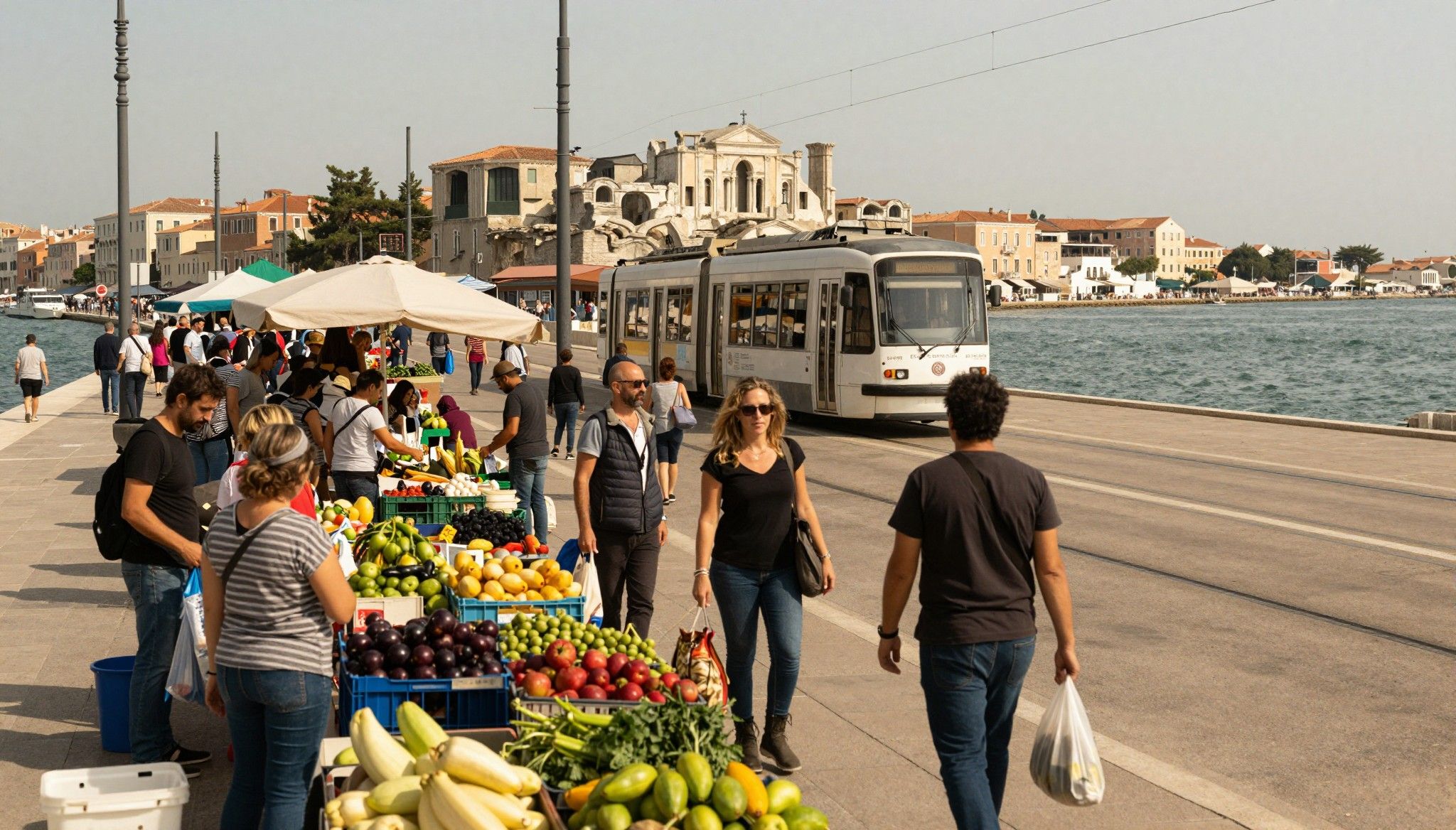
- Sip an espresso at TAF rooftop near Thissio; evening meze on Agia Anna beach, Naxos; Sunday market at Varvakios in Athens; coastal walks from Glyfada to Vouliagmeni; sunset aperitivo on Thessaloniki’s waterfront.
Making the move: infrastructure that actually changes price
Not every investment in infrastructure shifts neighborhood yields. Large-scale schemes such as the Ellinikon redevelopment on the former Athens airport (an €8–9 billion project) reprice adjacent coastal submarkets and raise construction demand; Bank of Greece price series shows apartment values rose materially through 2023–24, with new units up faster than older stock. For buyers, the task is isolating projects with real connectivity gains — transit, ports, fibre — versus headline developments that concentrate value capture in developer‑controlled enclaves.
Transit and commuter catchments: where the trains matter
Metro extensions and reliable bus trunk lines change daily convenience and therefore rental desirability. In Athens, new metro stations reduce commuting time for suburbs such as Egaleo or Piraeus, converting previously peripheral streets into rental catchments. When a planned station sits within a 10–15 minute walk, expect quicker rental re‑rating; when it’s a 30–45 minute bus hop, the impact is muted.
Ports, airports and broadband: the three non‑sexy anchors
- Key factors that lift yields and resale prospects:
- Reliable seasonal flight links ( Athens–island routes), modern ferry terminals (Piraeus upgrade spillover), and consistent high‑speed fibre in neighbourhoods used by digital nomads.
Insider knowledge: what expats wish they'd known
Expats quickly learn that local rhythms — siesta‑like business hours, seasonal municipal services, and festival closures — affect tenancy logistics. Many overestimate short‑let income for central basements or windowless rooms; recent regulation has explicitly targeted those listings. Practical reality: plan for slightly lower net yields than headline short‑let ads promise, and factor in vacancy around winter months on smaller islands.
Cultural friction that matters for landlords
Greek tenancy culture values long relationships. Landlords who aim for consistent income often switch to medium‑term leases with local tenants or corporate renters instead of relying purely on summer tourists. Knowing how to present a property for year‑round comfort (insulation, heating, reliable water supply) can improve occupancy and tenant quality.
Long‑term lifestyle + investment checklist
- Steps to align lifestyle goals with yield targets:
- Research local infrastructure timelines; prioritise properties with confirmed planning consents or completed works.
- Stress‑test seasonality: model occupancy at conservative 40–60% for islands outside July–August.
- Account for regulatory tail‑risk: set aside a contingency for local short‑let policy changes and compliance upgrades.
- Seek agents who quantify infrastructure effects — not just show you glossy plans; ask for comparable rent moves in the last 24 months.
- Choose property type to match audience: serviced apartments near transport, houses on islands for holiday rentals, suburban flats for long‑let tenants.
Conclusion: Greece offers a rare combination of high‑quality living and diversified income paths — tourism upside, city rental resilience, and pockets of capital appreciation where infrastructure actually delivers. Fall in love with the rhythm first, then quantify how stations, ports, fibre and policy move the numbers. When you pair a clear lifestyle brief with focused infrastructure analysis and an agent who presents data, not hype, you buy both life and a defensible yield.
Swedish financier who guided 150+ families to Spanish title deeds since relocating from Stockholm in 2012, focusing on legal and tax implications.