When France’s Charm Masks Yield Risk
France’s lifestyle sells itself, but seasonality, neighbourhood micro‑risk and transaction costs can erode yields—stress‑test with three scenarios and local data.

Imagine a Saturday morning in Aix‑en‑Provence: markets heavy with lavender, boulangeries steam, and a stone terrace apartment that looks like an investment postcard. That sensory picture is France’s strength — a lifestyle product that sells itself. But beneath the Provençal light and Parisian cafés are measurable sensitivities that reshape returns: seasonal demand swings, neighbourhood concentration risk, and transaction costs that quietly erode yields. This guide pairs the romance you fell for with the data you need to stress‑test it.
Living the French life (and why it affects returns)
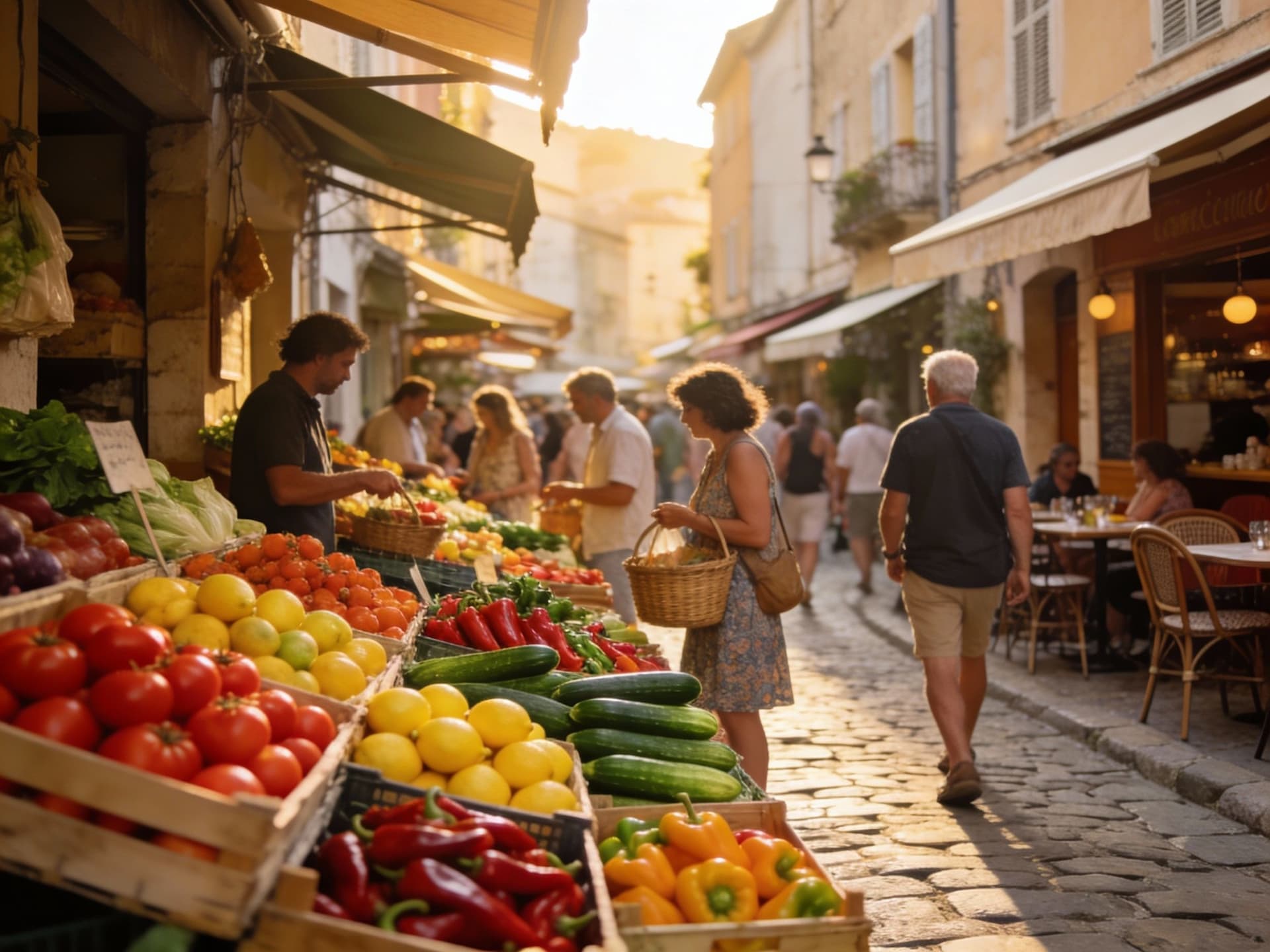
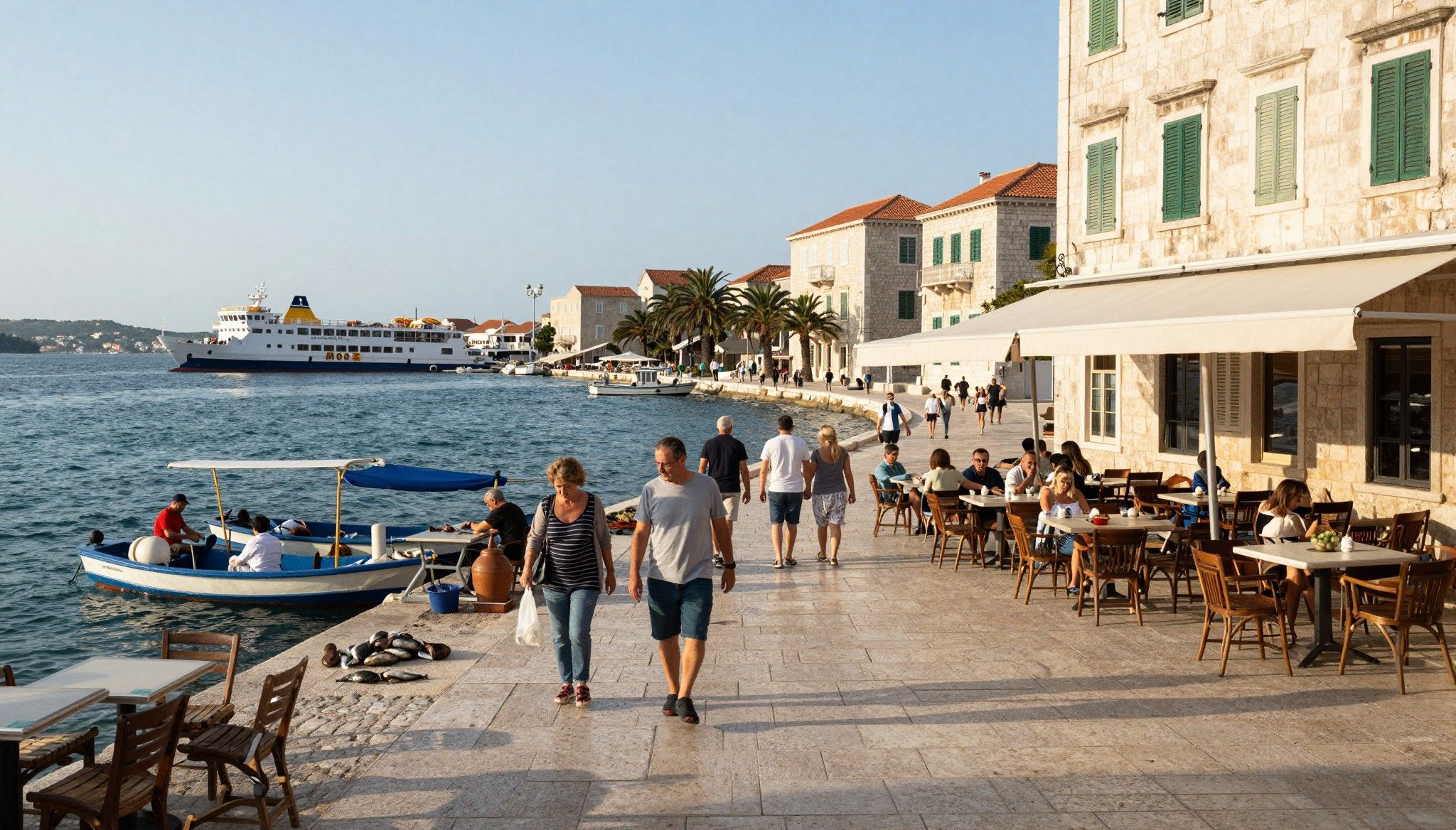
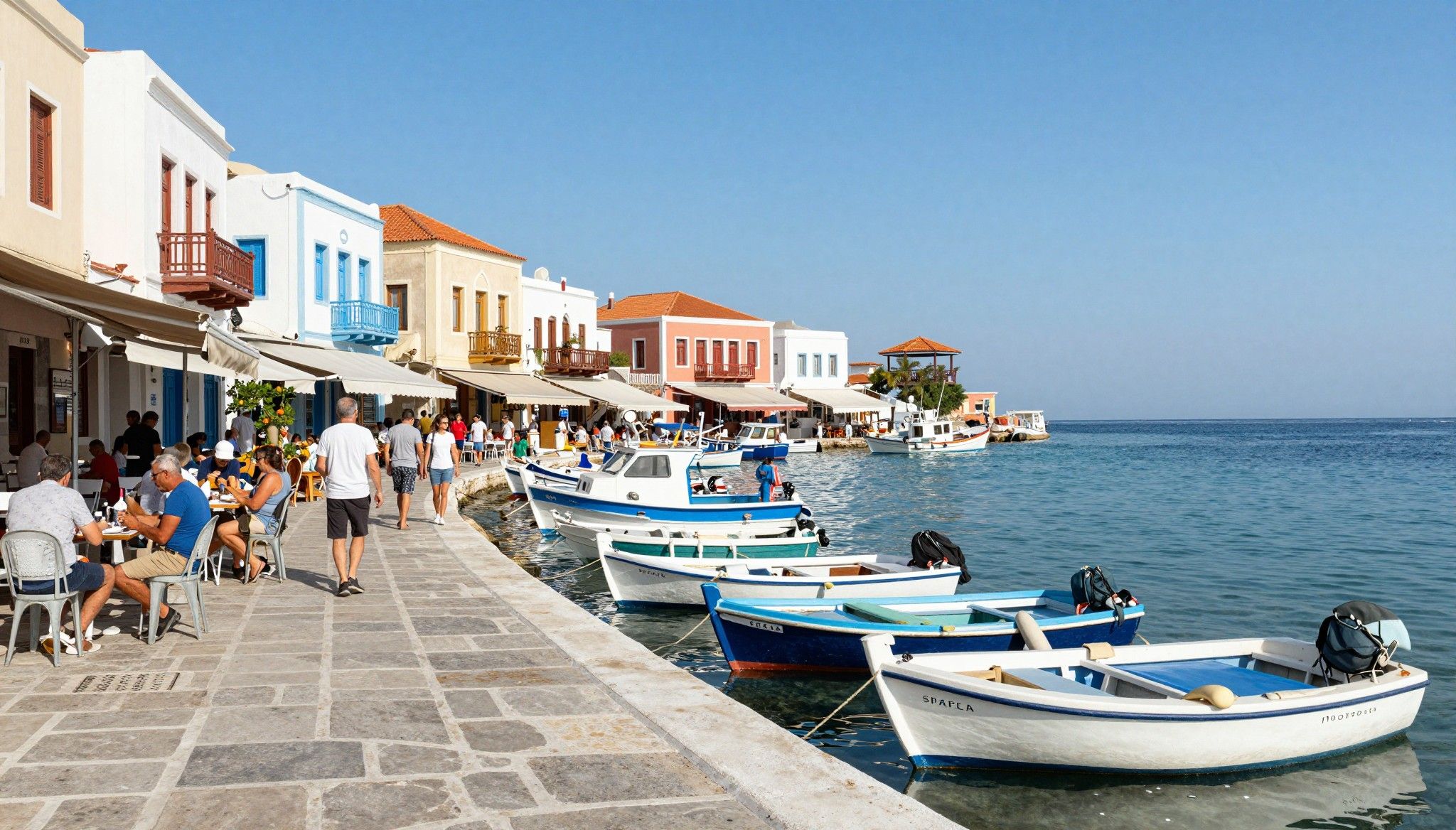
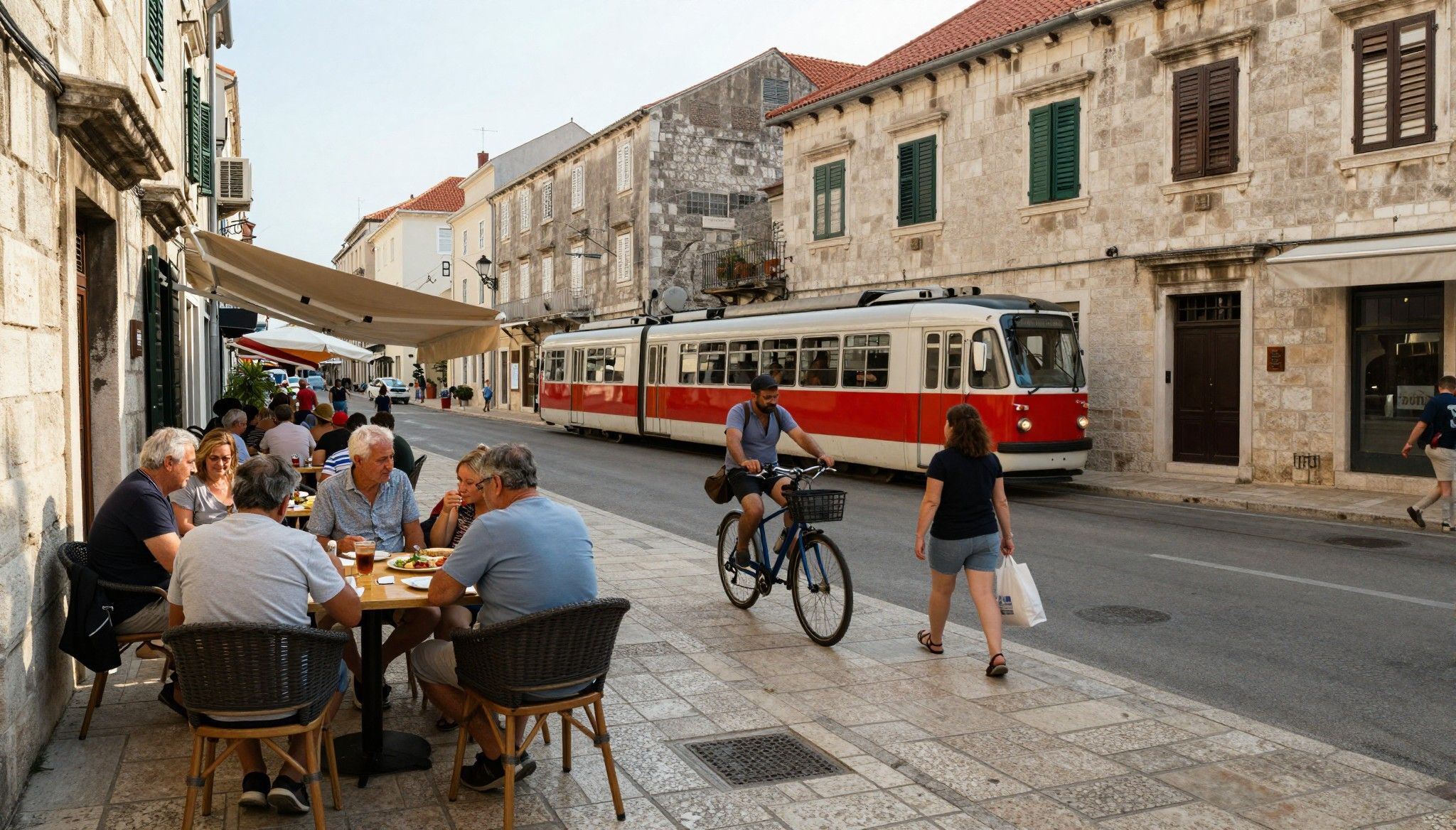
France’s daily rhythms — café terraces at 10:00, open markets on weekend mornings, summer villages full of seasonal tourists — create location‑specific demand curves. Where a town hosts festivals or a university, short‑let income spikes seasonally; where local life is consistent, long‑let fundamentals matter more. Macro signals show prices stabilising and modestly rising in early 2025, but that headline masks big intra‑market dispersion between Paris, provincial cities and coastal hotspots. Read that dispersion as the start of a sensitivity map: lifestyle drivers that inflate price, not necessarily yield.
Neighbourhoods that feel different at every hour
Walk through Paris’ 5th arrondissement at 09:00 and you meet students, professors and modest rental demand; at 19:00 the same streets show international tourists and short‑stay hosts. In Marseille’s Le Panier, daytime authenticity gives way to concentrated short‑let clusters. Those micro‑shifts matter: they change vacancy risk, repair cycles, and acceptable rental strategies. For investors, the right neighbourhood is the one whose daily life matches your intended tenant — not the one that simply photographs well.
Food, seasons and social calendars as demand engines
Local festivals, harvests (truffle season in Périgord), university terms, and tourist seasons all create demand pulses. These pulses push effective yields up in short windows and depress average occupancy the rest of the year. If you price a property expecting festival rents year‑round, you expose yourself to seasonality risk. Match your planned hold and rental model to the calendar of the neighbourhood — that’s where lifestyle sensitivity becomes portfolio discipline.
- Lifestyle highlights that change cashflow dynamics: - Aix‑en‑Provence market mornings (March–October): short‑stay demand spikes. - Paris Latin Quarter: steady student/long‑let pool, lower seasonality. - Côte d’Azur coastal towns (Nice, Antibes): heavy summer demand; winter vacancy risk. - Bordeaux riverfront districts: growing year‑round tourism, improving long‑let prospects.
Making the move: practical considerations and risk levers

Data matters here: INSEE shows modest price growth in early 2025, but transaction costs remain structurally high. Notary fees for resale properties commonly reach 7–8% of price, and transfer taxes and regulated commission schedules compress net yield. Non‑residents can buy freely, but bank lending terms, source‑of‑fund checks and cross‑border tax rules change effective returns. Treat these as programmable risk levers — variables you can model, not surprises you must react to.
Property types and how they perform for income
Studios and one‑bedrooms in Paris historically deliver higher gross yields because of low per‑unit price and strong demand, but they show higher turnover and furnishing costs. Houses in rural Provence offer stability and lower management intensity, but lower gross yields and longer vacancy windows outside peak months. New builds reduce notary tax drag and appeal to long‑let tenants, while older stock in tourist towns often needs renovation that can eat into returns quickly. Match asset type to tenant profile and maintenance appetite.
Working with local experts who translate lifestyle into yield
- Practical steps that blend lifestyle and prudence: 1. Map demand seasonality by neighbourhood: use short‑let listings, university calendars, and event schedules. 2. Stress‑test net yield for 3 scenarios (optimistic, baseline, downside) including management, vacancy and renovation. 3. Agree on a local property manager and obtain sample P&L from similar assets. 4. Negotiate seller repairs into price where possible; factor regulated notary costs into your offer. 5. Secure a tax opinion on cross‑border rental income and capital gains before signing.
Insider knowledge: expat lessons and risk scenarios
Expat buyers often discover three recurring surprises: the true cost of transaction friction, neighbourhood seasonality, and the concentration of value in micro‑locations. For example, Paris can show modest national yield figures but wildly divergent pocket‑level returns — studios in less central arrondissements sometimes outperform headline city averages. Model outcomes across neighbourhoods rather than relying on country or city averages to avoid portfolio concentration risk.
Cultural and operational pitfalls to watch for
Language and local norms affect everything from lease clauses to contractor selection. Expect longer lead times for renovations, different standards for energy performance (diagnostic de performance énergétique), and a legal system that favours tenant protections in many long‑lets. Use bilingual legal counsel and insist on itemised contracts to control scope and cost.
Scenario checklist: how to stress‑test a French property
- Key sensitivity tests: - Vacancy shock: model 2–6 months vacancy on top of seasonal lows. - Renovation shock: add 10–20% contingency for older stone buildings. - Regulatory shock: test rental price freezes or new short‑let restrictions (local councils can act). - Currency shock: hedge or model FX if income or financing is in non‑EUR currencies. - Tax shock: simulate changes in bilateral tax treatment and local wealth taxes.
France seduces with markets and meals; it rewards investors who translate that seduction into repeatable cashflow. Start with a neighbourhood calendar, build three return scenarios, and use local experts to validate assumptions about tenancy, repairs and regulatory risk. If you want help turning a specific French address into a stress‑tested model, we can run a scenario that combines INSEE price trends, local seasonal demand indicators and realistic cost schedules.
Swedish financier who guided 150+ families to Spanish title deeds since relocating from Stockholm in 2012, focusing on legal and tax implications.