Croatia: Price, Seasonality & the Net‑Yield Reality
Croatia’s coast commands premium prices but not always superior net yields — benchmark with DZS house‑price data, stress‑test seasonality and prioritise net yield scenarios.
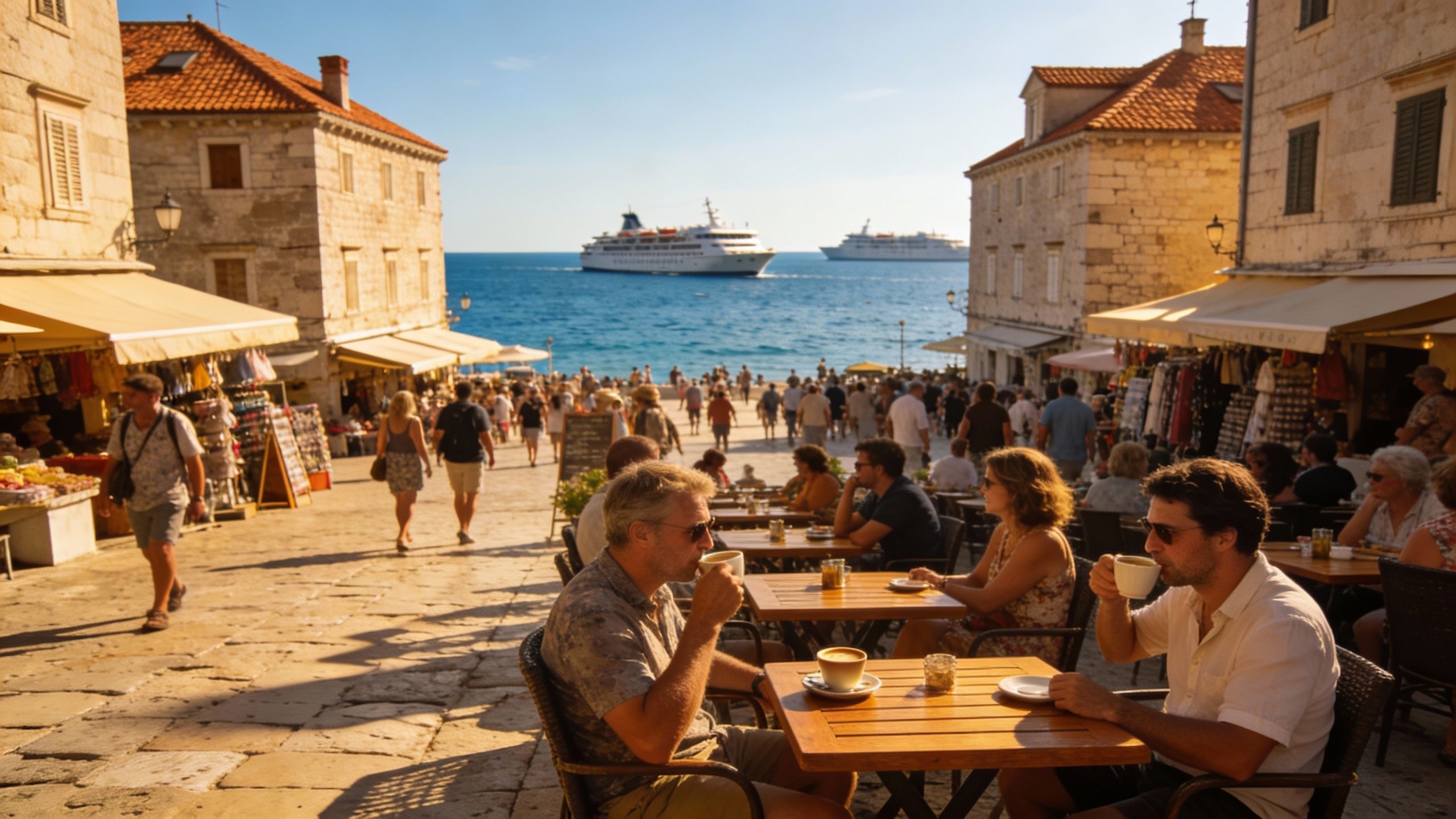
Imagine a Saturday morning in Split: the thrum of a fish market on Matejuška, espresso steam rising on Obala, and stone staircases lined with limestone-washed apartments that still return a summer week’s rent in a single night. For many international buyers Croatia is first a feeling — the Adriatic light, slow coastal rhythms, and piazzas that fill at dusk. But for investors the question quickly becomes: can that feeling pay? Recent house-price data show fast-moving price inflation on the coast and cooler growth inland, so falling in love needs to be followed by rigorous yield analysis.
Living Croatia: what the place actually feels like
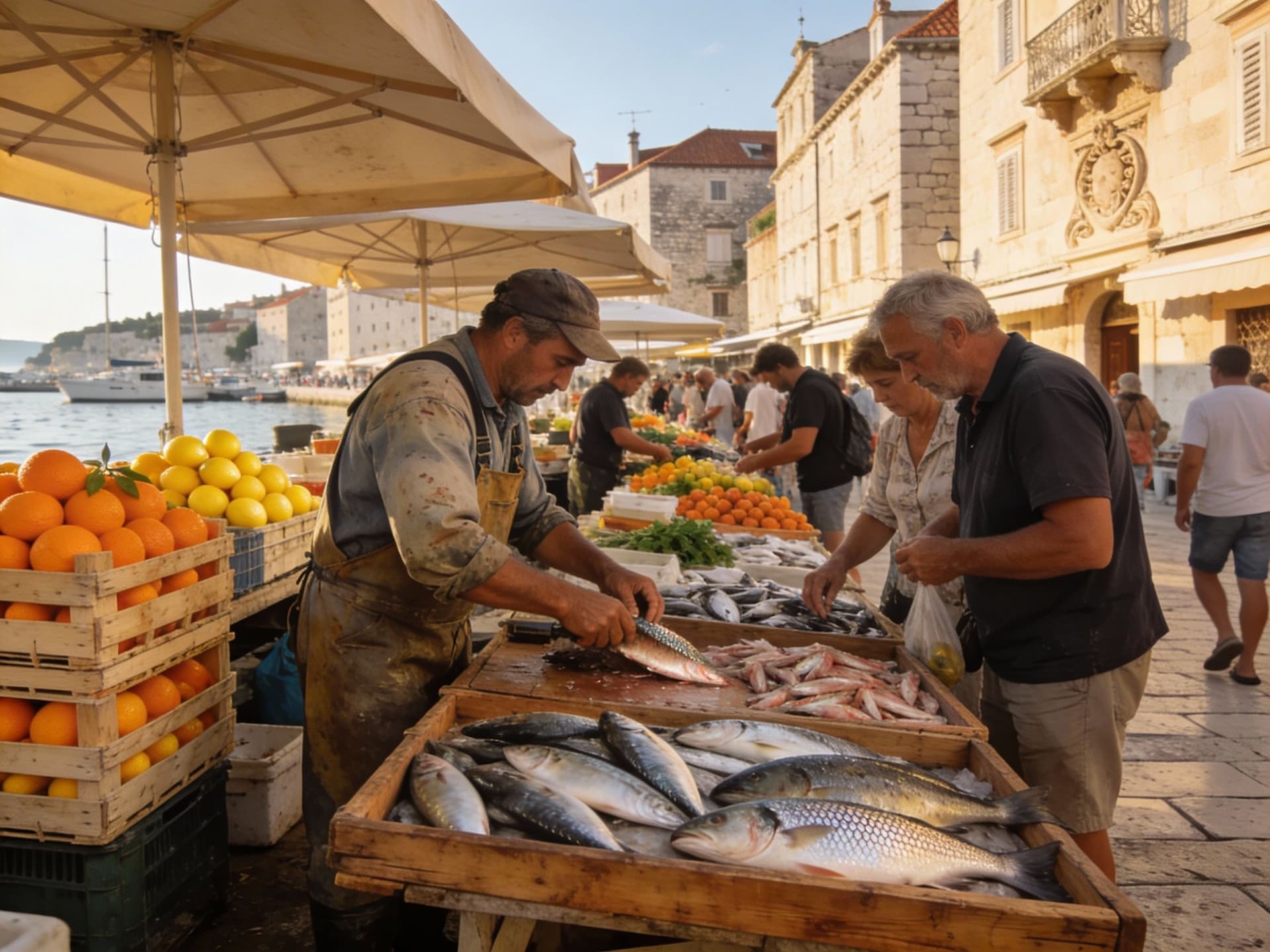
Croatia’s daily rhythm flips between two reliable settings: Adriatic coastal life (sea, tourism, seasonal vibrancy) and continental urban routines (Zagreb’s cafes, week markets, year-round tenants). Morning markets in Hvar and Rovinj smell of citrus and smoked fish; late afternoons in Zagreb’s Tkalčićeva are for pale lager and conversation. This dual personality matters for property investors because demand drivers and tenant profiles differ sharply between the coast and inland cities.
Coastal pockets: Split, Dubrovnik, Istria
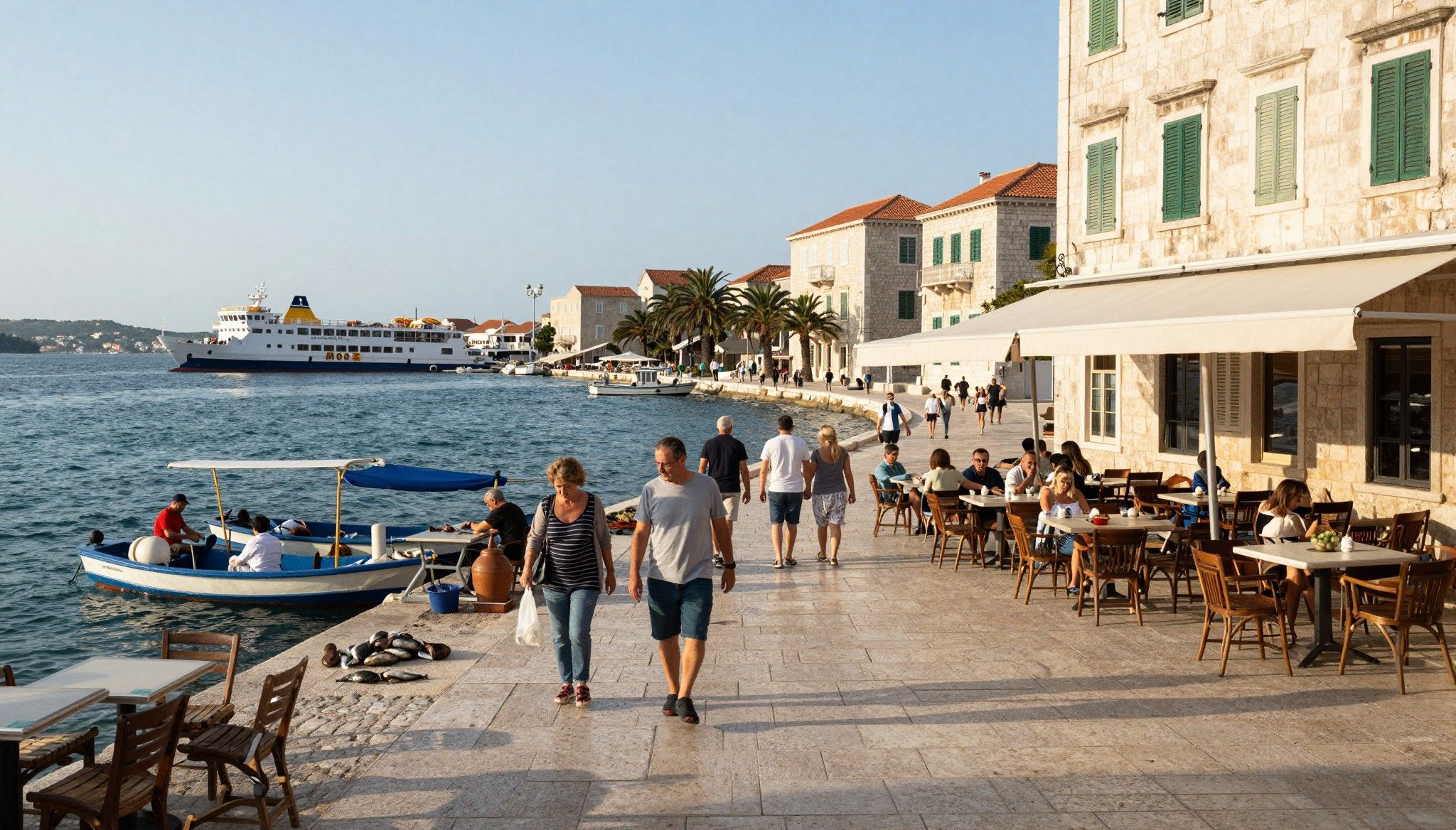
Walk the Riva in Split and you’ll see why short-term rentals thrive: proximity to ferries, a compact Old Town, and restaurants that trade on the season. Dubrovnik’s Old Town commands premium rates year-round but is constrained by UNESCO rules and high maintenance costs. Istria (Rovinj, Pula) blends tourist demand with a slower off-season, attracting buyers seeking more stable annual rents. Local asking-price maps show Split asking prices clustering between €4,000–€5,500/m² in 2024–2025, with micro-zones (seafront vs. north suburbs) varying materially.
Urban life: Zagreb and continental markets
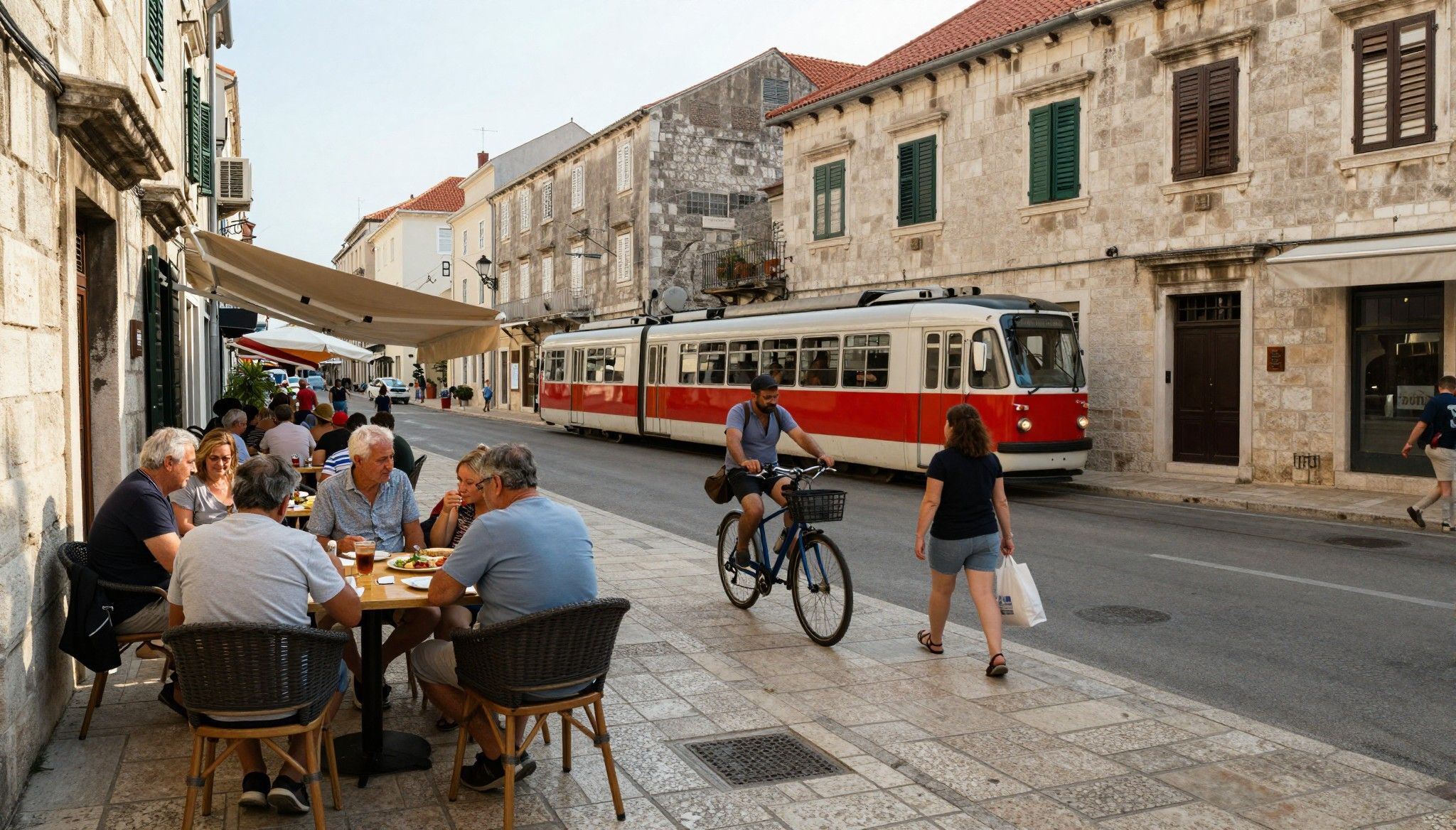
Zagreb feels like a European capital with lower density and a more domestic tenant pool: professionals, students, and long-term renters. The national house price index recorded double-digit year-on-year gains in many 2024 quarters, but growth is uneven: Zagreb and coastal hotspots led gains while interior counties rose more moderately. That spread matters for yield: higher capital-growth areas often deliver lower initial gross yields due to elevated purchase prices.
- Lifestyle highlights to scout before you buy:
- Morning fish market at Split’s Pazara (Matejuška) — tenant pull for authentic apartments near Old Town.
- Tkalčićeva Street, Zagreb — year-round café culture and stable long-term rental demand.
- Rovinj’s cobbled alleys — premium coastal asking prices but fewer year-round tenants.
Making the move: property types, returns and trade-offs
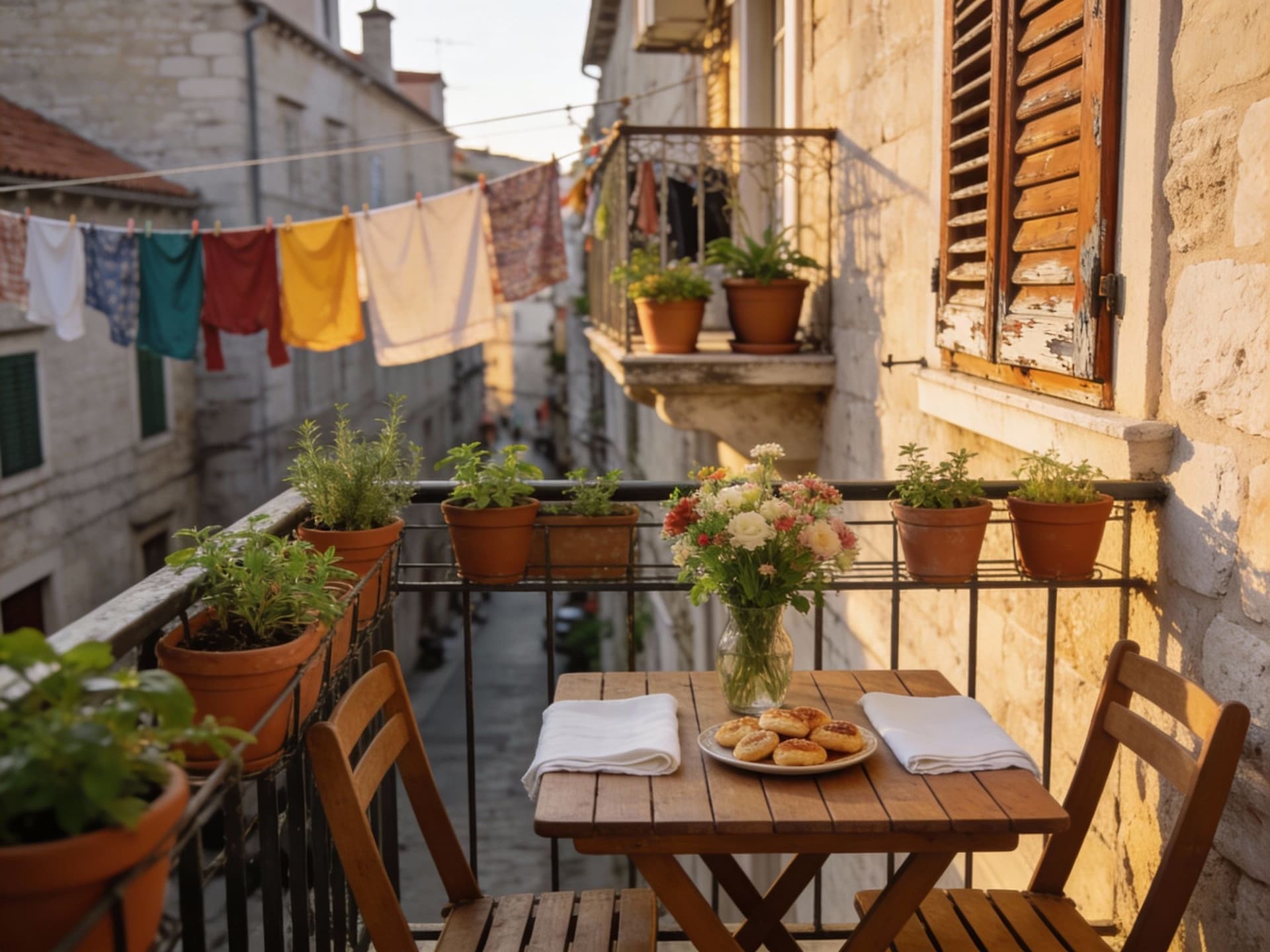
If you want Croatia’s coast you’re buying seasonality and high price-per-square-metre. If you want steady yield, look to Zagreb or peripheral coastal towns with commuter links. New-build prices rose notably in 2024–2025 while existing-dwelling prices also climbed; the Croatian Bureau of Statistics shows quarterly increases across regions, indicating ongoing demand but rising entry costs. Translate that into returns by calculating gross yield (annual rent ÷ purchase price) and testing scenarios where occupancy falls in shoulder months.
Property styles and how they affect yield
Seafront historic apartments: high headline rents in summer, higher upkeep and stricter renovation rules. Modern new-builds in Zagreb or Split suburbs: lower capex risk, easier compliance, steadier long-term tenants. Island properties: premium per m² but seasonal occupancy, transport constraints and higher running costs. Choose by expected tenant profile: holiday-makers (short-let), professionals/students (long-let), or a blended split for diversification.
Why local experts change the math
An agency that knows municipal zoning (especially in Dubrovnik’s conservation zones), island logistics, and the local seasonal calendar can materially improve net yield. They help price realistically for shoulder-season demand, identify micro-neighbourhoods where long-term tenancy is under-supplied, and advise on permitted conversions (studio → two-bed split for higher rental income). Good local agents also connect you to vetted property managers — a critical line item in total cost-of-ownership for short-lets.
- Six blended steps to test a Croatian purchase before you sign:
- Estimate realistic net yield: use expected occupancy, platform fees, management and utilities to convert headline gross yields into net yields.
- Stress-test seasonality: model a 40–60% occupancy winter scenario for coastal properties and a 85–95% scenario for Zagreb long-lets.
- Validate historic price movement: cross-check asking vs. transaction data (DZS HPI) to judge true capital-growth momentum.
- Confirm legal constraints: conservation rules, permissible short-let licensing, and island-access liabilities.
- Get local management quotes: three providers to compare occupancy, fees, and guest screening.
Insider knowledge: expat lessons, seasonal surprises and red flags
Expat owners often overestimate summer rents and underestimate midpoint costs: island ferries, winter heating, higher insurance and stricter heritage rules. A frequent mistake is equating high tourist footfall with stable year-round cashflow. Local young demand is constrained — a structural factor that pushes long-term rent growth slower than headline tourist-season spikes.
Cultural and practical quirks that affect living (and returns)
Language and paperwork: Croatian is the language of bureaucracy; English is widely used in tourism hubs but less so in municipal offices in smaller towns. Maintenance culture differs — in older stone buildings expect bespoke trades and longer lead times for works. Social norms value family and neighbourhood continuity; quiet street hours and neighbour approvals matter for conversions.
Red flags to walk away from quickly
- Unclear title chains or properties sold off-plan without escrow protections.
- Properties in conservation zones with ambiguous renovation approvals.
- Overreliance on summer-platform revenue without verified occupancy history.
- Agents or sellers unwilling to share recent utility and management cost records.
Conclusion: Croatia offers a split personality — luminous coastal premiums and quieter inland value — and both can work in a global portfolio if you match product to strategy. Use DZS transaction trends to benchmark price growth, compare local asking-price platforms for micro pricing, and always convert headline rent into net yield scenarios before making offers. If the dream is sea, buy with a winter plan; if the strategy is yield, prioritise year-round demand corridors around Zagreb and well-connected coastal towns.
Swedish financier who guided 150+ families to Spanish title deeds since relocating from Stockholm in 2012, focusing on legal and tax implications.