Greece: When Summer Magic Masks Real Rental Yield
Greece’s tourism boom fuels high short‑let ceilings, but seasonality and regulation can compress annual net yields — choose locations and models that match your yield targets.

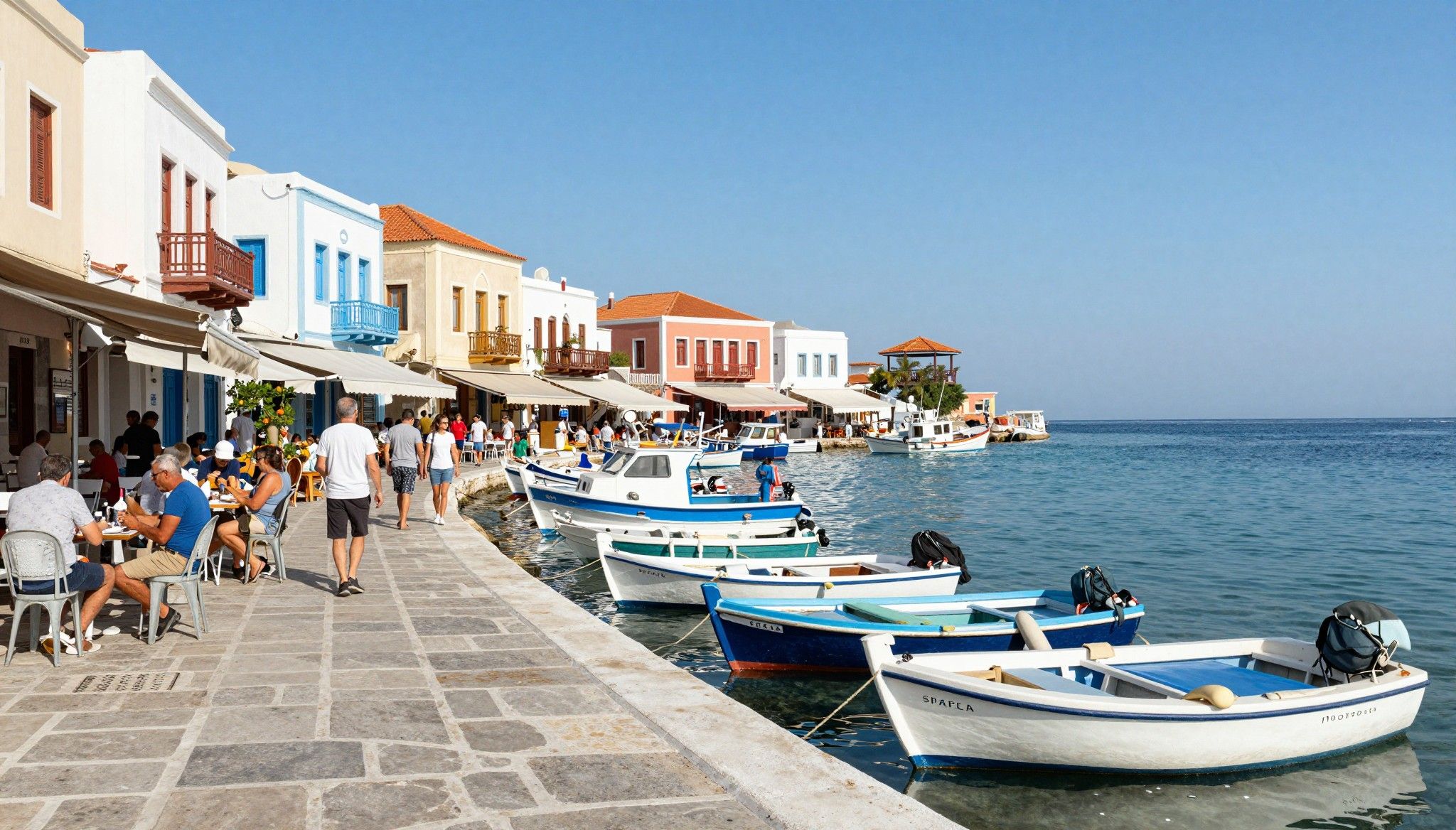
Imagine waking to the smell of espresso and seawater, walking narrow streets where every corner holds a taverna or a tiny market, then closing the day on a rooftop watching lights ripple across the Aegean. Greece’s rhythm is seasonal, social and sensory — sun-drenched mornings, long late dinners, and neighborhoods that pulse differently between June and November. For international buyers that sensory appeal is the starting point; the investment question is whether that summer romance translates into durable rental income and steady net yields.
Living the Greece lifestyle — what you actually get

Living in Greece is a trade-off of light and seasons. Athens offers a 12‑month urban life with museums, coworking cafés (Kolonaki, Koukaki), and a commuter flow that supports year‑round rentals. The islands (Mykonos, Santorini, Paros, Naxos, Crete) sell the dream of summer exclusivity — high demand from short‑term tourists but with occupancy concentrated in four months. Understand those rhythms before you price a property purely on curb appeal.
Neighborhood spotlight: Athens (Koukaki, Pangrati) vs. Cyclades villages
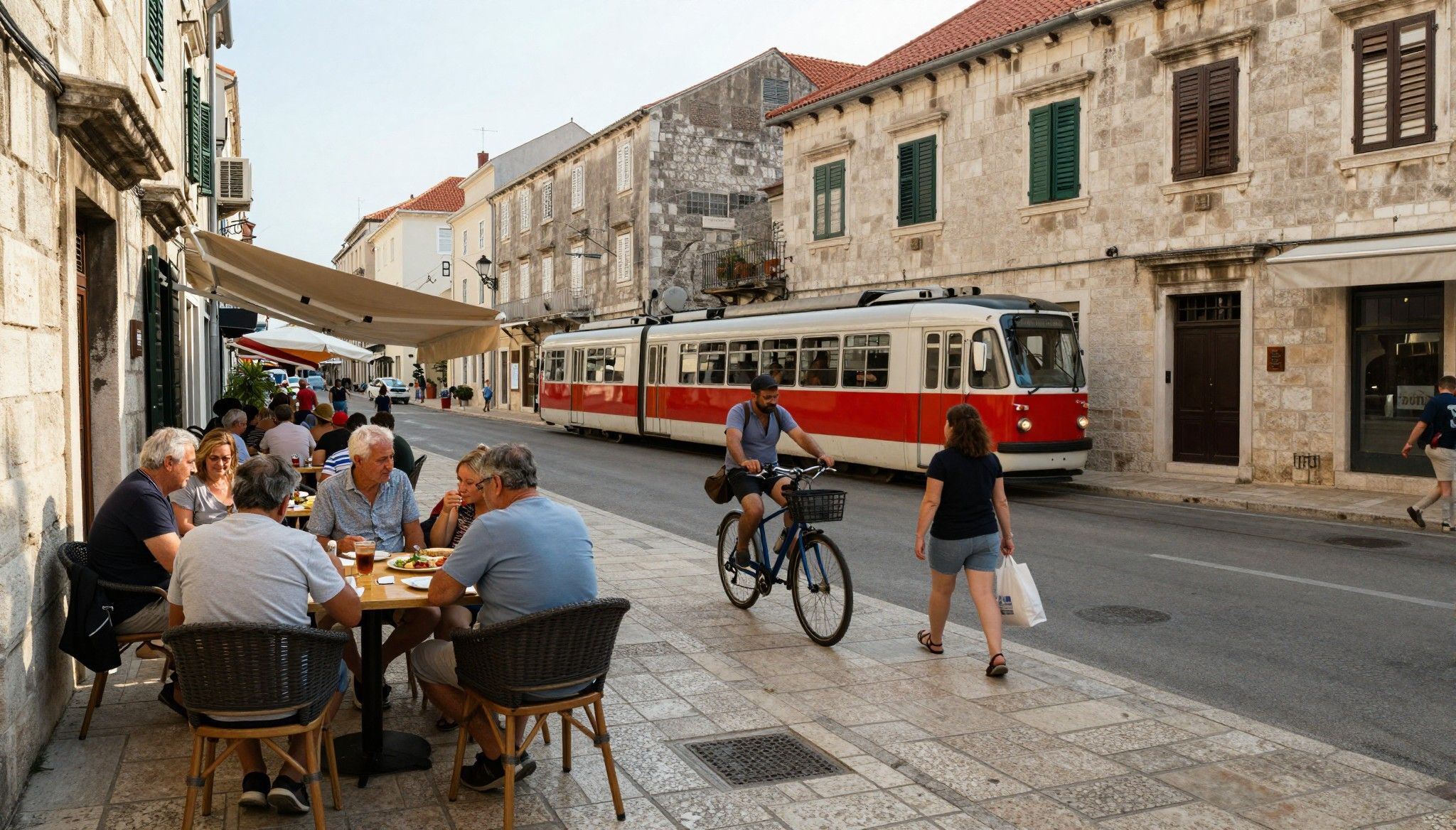
Koukaki’s corner cafés, the Acropolis views and a steady stream of short-stay visitors produce consistent nightly rates and strong long-stay demand from digital nomads. Pangrati mixes families and students, giving stable monthly rents. Contrast that with Oia (Santorini) or Mykonos Town where a few high‑season months produce outsized revenues that vanish in winter — great for upside, risky for average annual yield.
Food, markets and weekend life — why taste matters to tenants
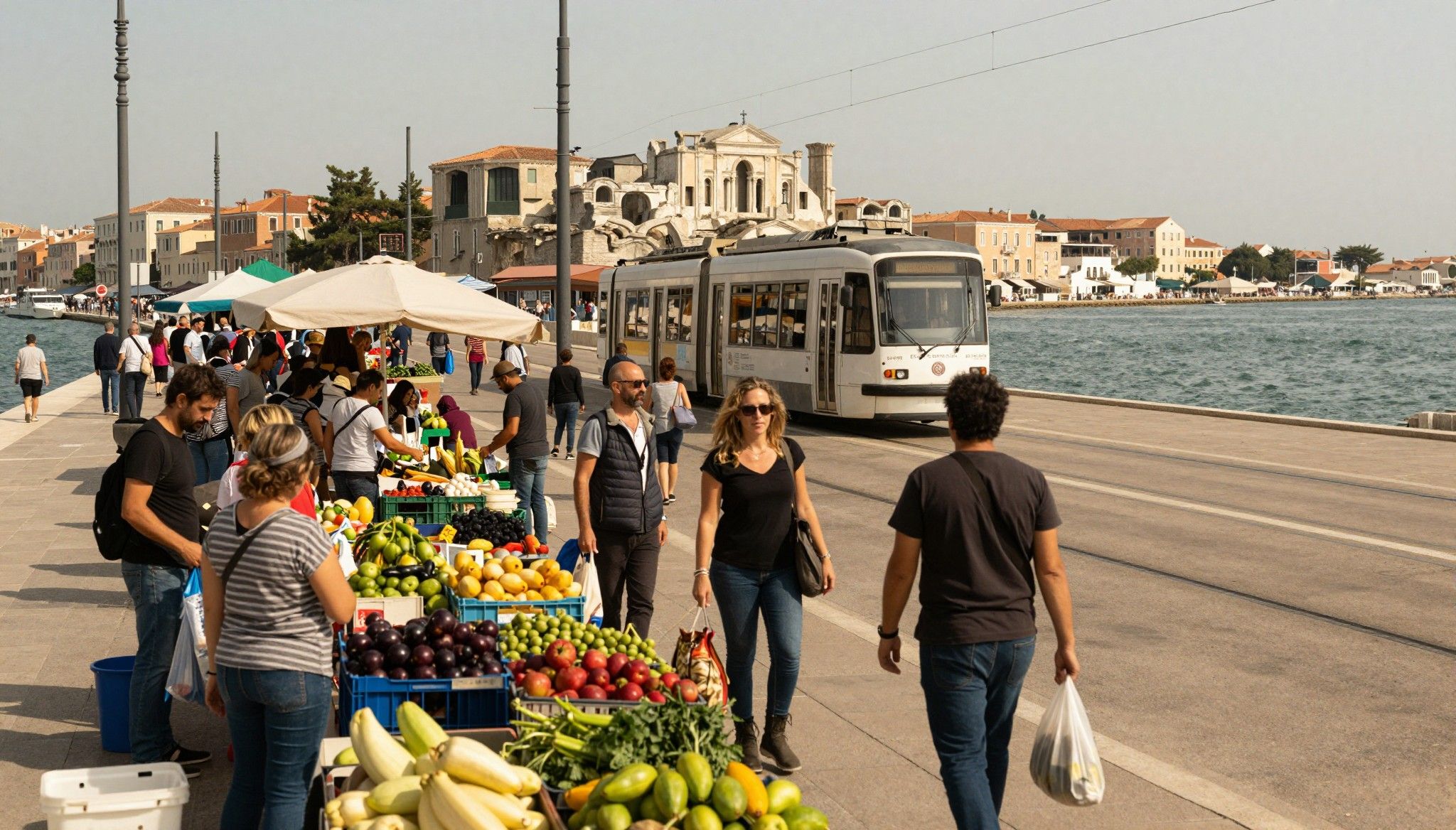
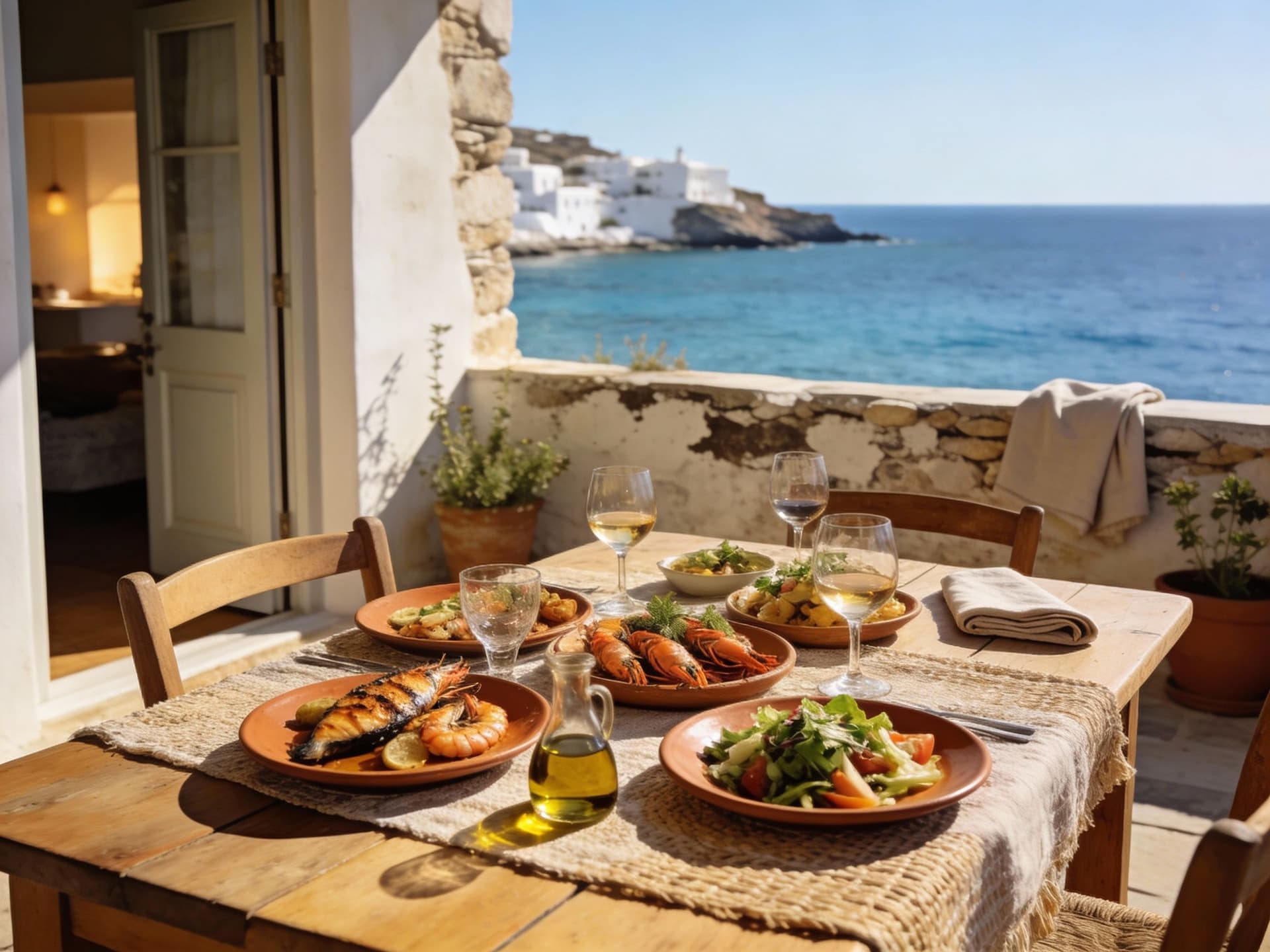
Greece’s market culture (Varvakios in Athens, Chania market in Crete) shapes neighbourhood desirability: properties a short walk from markets and popular tavernas attract longer stays and higher repeat bookings. Seasonal festivals — Easter processions, island celebrations in August — amplify demand spikes and attract cultural travellers willing to pay premiums on short lets.
- Lifestyle highlights and what they mean for rental demand
- Walkable neighbourhood cafés and markets (Athens: Koukaki, Monastiraki) — support steady monthly rents.
- Island high season (June–September) — creates peak nightly rates but low annual occupancy risk.
Making the move: practical considerations that protect yield
Tourism hit record levels in 2024 (approx. 40.7 million visitors, €21.6bn receipts), which inflates short‑let income ceilings on islands and tourist districts of Athens. But headline tourism growth alone doesn’t guarantee strong net yields — regulation, seasonality and operating costs determine the bottom line. Use occupancy‑adjusted calculations, not headline nightly rates.
Property types and the yield profiles they produce
Studio/1-bed apartments in central Athens typically convert to stable long‑stay rental yield (aim for gross yields 4–6% in established areas). Island villas and renovated Cycladic homes can show peak gross yields north of 8–10% in summer months but often fall below 3–4% annualised when you include vacancy, management and seasonal maintenance.
Work with local experts who measure lifestyle and numbers
- Steps to blend lifestyle aspiration with yield discipline
- Estimate true annual occupancy (not peak months) using local agency data and Bank of Greece / ELSTAT tourism seasonality trends.
- Budget for property management, cleaning, winterization and higher island insurance; subtract these from gross income to get realistic net yield.
- Ask agents for multi-year booking data, not single-season highs; stress-test projections with a 20–30% occupancy shock.
Insider knowledge: what expats wish they'd known
Expats say the surprise isn’t the light or food — it’s the calendar. A property that feels lively in August can be nearly inert by November. That affects tenants, local services and the running costs of a rental business. Factor seasonality into pricing, consider hybrid strategies (short‑let in summer, medium‑term contracts off‑season), and choose locations with complementary demand (airports, ports, conference centres).
Cultural nuance: how local life shapes tenancy
Greek tenants value walkability, proximity to food markets and social spaces. Properties that integrate into neighborhood life — ground floor flats near a bakery or apartments above cafés — see higher renewal rates. Conversely, isolated luxury villas on small islands depend heavily on tourism marketing and professional management to maintain occupancy.
Long‑term lifestyle + investment tradeoffs
Policy changes — local bans on new short‑lets in certain Athens areas and visitor levies on islands — are increasingly used to manage overtourism. That can reduce supply and support long‑term rental rates but may restrict short‑let growth. Balance regulatory risk against lifestyle benefits when selecting neighbourhoods.
- Quick risk checklist for yield‑minded buyers
- Seasonal occupancy concentration (June–Oct) — quantify off‑season shortfall.
- Local regulation on short‑lets and tourist taxes — verify current municipal rules.
- Management and turnover costs — factor 15–30% of gross short‑let revenue into operating expenses.
- How to convert a lifestyle lead into a resilient rental investment
- 1. Start with net yield targets (e.g., 4–6% net); calculate required gross nightly rates and occupancy to meet that target.
- 2. Layer seasonality: model worst‑case winter occupancy and best‑case summer peak to find an annualised number.
- 3. Secure a local property manager before purchase — their cost and booking history are inputs, not afterthoughts.
Conclusion — fall for Greece, buy with the ledger open: Greece sells an immediate sensory life — markets, plates, islands and sunset rituals — but turning that life into reliable income requires measured assumptions, local expertise and stress‑testing. Start with neighbourhoods that match your income horizon (Athens for steady yields, select islands for high but volatile upside), demand multi‑year booking data from agents, and model net yields after management, taxes and seasonality. When lifestyle and numbers align, Greece can be both a beautiful home and a disciplined investment.
Swedish financier who guided 150+ families to Spanish title deeds since relocating from Stockholm in 2012, focusing on legal and tax implications.