Malta: The AIP Trap, Taxes and the Lifestyle Tradeoff
Malta’s charm is immediate — but AIP permits, stamp duty stages and rental tax elections often reprice returns. Fall in love, then stress‑test ownership, tax and rental rules.
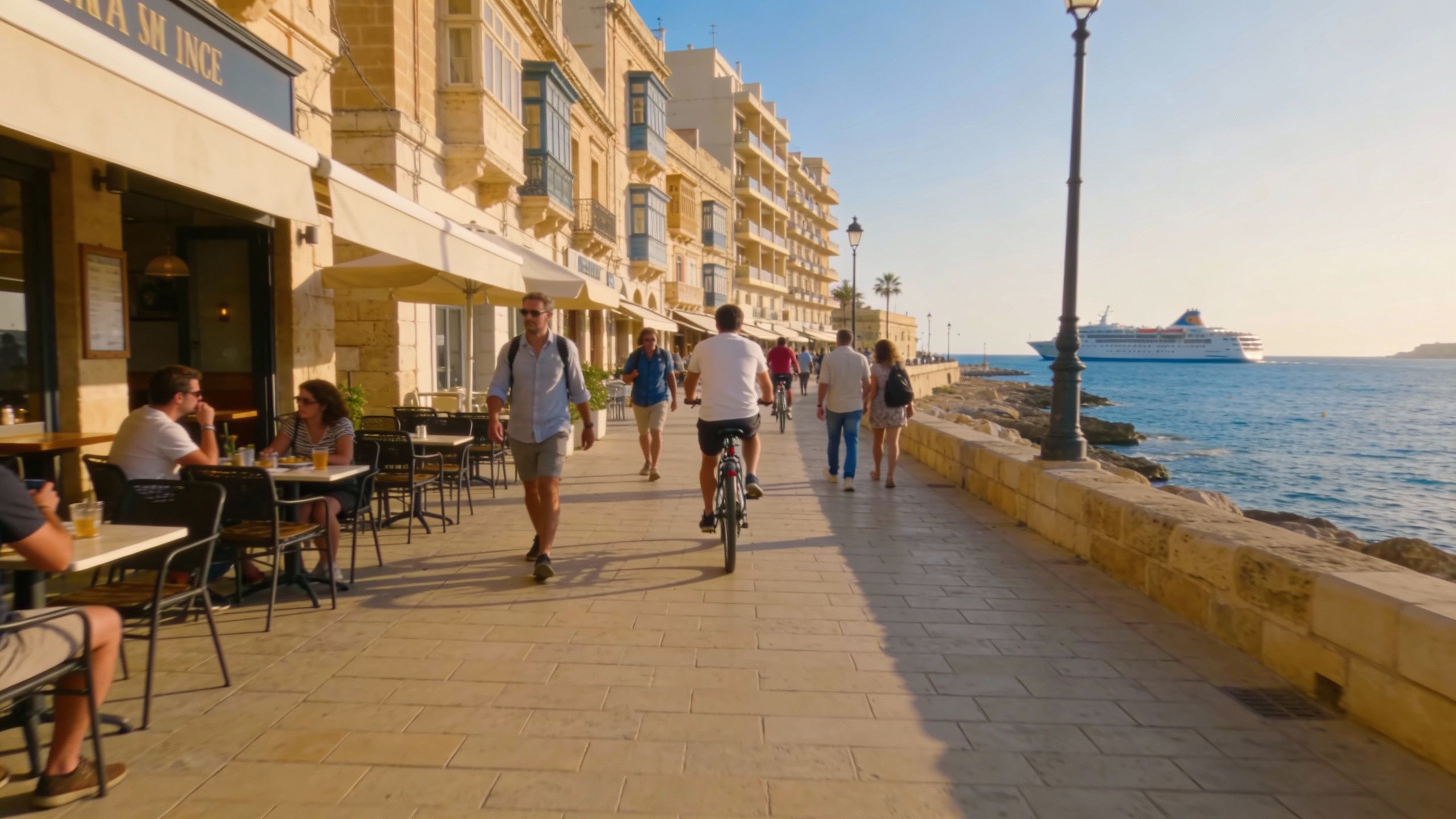
Imagine sipping an espresso at a small marbled table on Strait Street, then crossing the road to inspect a honey‑coloured townhouse with shuttered windows. That juxtaposition — ancient streets that still hum with daily life and a compact island market where regulations can reprice a dream overnight — is Malta. For international buyers the island’s charm is immediate; the regulatory and tax contours are what determine whether that charm becomes a sensible portfolio allocation. Recent market analysis shows acquisition rules and tax choices materially change total cost of ownership for non‑resident buyers.
Living the Malta lifestyle
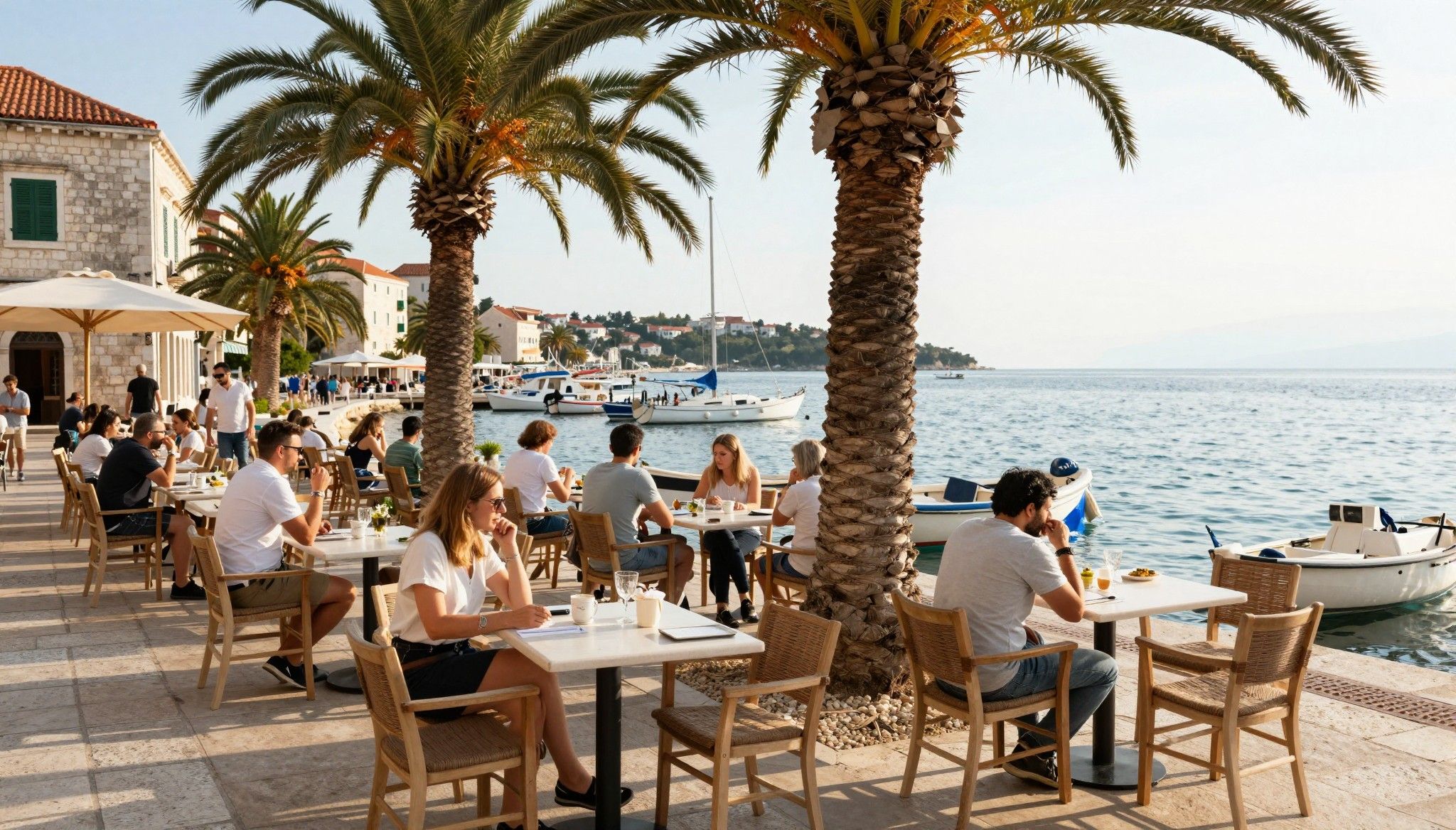
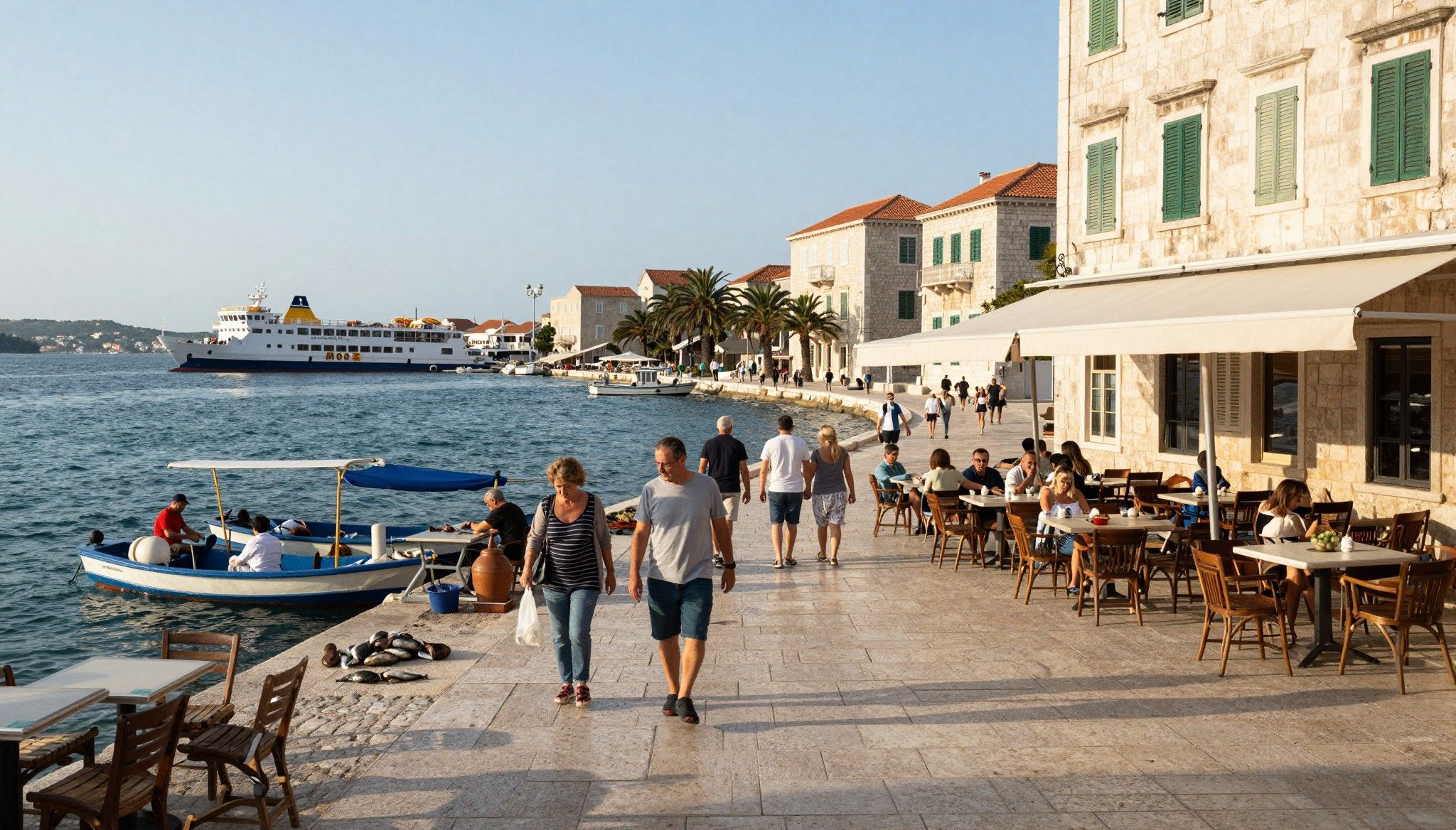
Malta feels Mediterranean in concentrated form: warm winters, crystalline coasts, and a town‑by‑town rhythm where local cafés, the parish festa, and the weekly fish market shape weekends. Valletta’s baroque tightness, Sliema’s seaside promenade, and the village squares of Marsaxlokk or Mellieħa each offer distinct daily patterns. For buyers this means lifestyle clarity — you can choose a compact historic apartment for short‑term lets or a larger seaside maisonette for family life — but you must match lifestyle choice to legal constraints that differ by buyer nationality and location.
Neighborhood spotlight: Valletta, Sliema, and Gozo
Valletta: steep streets, narrow apartments, walking distance to cultural venues — ideal for tenants seeking centrality but limited in parking and outdoor space. Sliema/Gzira: promenade life, higher concentration of international renters and coworking options, better yield predictability for short‑term and furnished lets. Gozo: rural pace, larger homes and terraces, stronger appeal for long‑stay buyers seeking space and slower appreciation. Each area’s lifestyle map must be cross‑checked with acquisition rules and permitted uses before you commit.
Food, festivals and the calendar that shapes demand
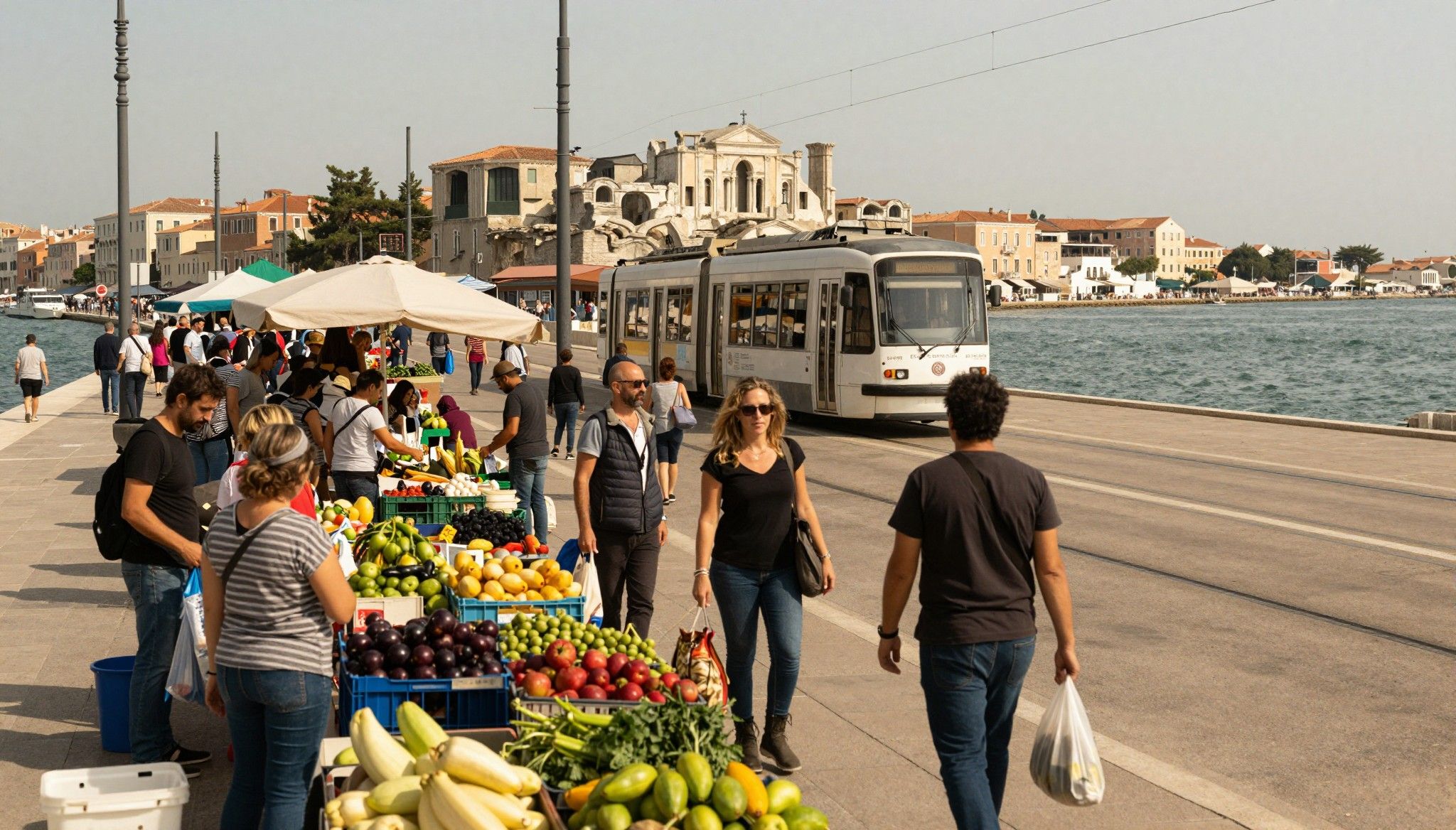
Weekends pivot around markets — Marsaxlokk’s fish market, local panetterias and outdoor cafés — while the summer festa and Carnival produce short, intense demand spikes in selected towns. Tourism season raises nightly rates but also increases wear, municipal levies and insurance costs. For investors, understanding seasonality helps set realistic occupancy and maintenance budgets rather than assuming sustained peak rates year‑round.
- Lifestyle highlights to test during a scouting trip: Valletta theatre nights, Sliema promenade runs, Marsaxlokk Sunday market, Mellieħa bay swims, local bakery rituals, village festa evenings.
Making the move: practical rules that reprice the dream
The moment an international buyer falls for a street in Rabat or a terrace in Sliema, Malta’s legal framework arrives fast. Non‑EU nationals generally need an AIP permit and face limits on owning more than one property unless they buy in Special Designated Areas (SDAs). Even EU buyers who haven’t lived in Malta for five continuous years can face permit requirements for secondary homes. These rules are administrative but financially meaningful: permits restrict resale flexibility, rental rights and potentially disqualify short‑term let strategies.
AIP permits: the practical effects
An AIP permit can take weeks to process, requires a promise of sale and imposes conditions — historically including minimum prices tied to property type and restrictions on renting properties acquired under certain permits. In practice that means a non‑resident who planned to buy, furnish, and list a flat on short‑stay platforms may find the property cannot be let, or can be let only after additional approvals. Factor permit fees, processing timelines and the possibility of having to buy inside an SDA into your offer and cash‑flow modelling.
Stamp duty, transfer timing and provisional payments
Stamp duty is paid in stages — a provisional 1% at promise of sale and the balance on final deed — and the standard effective rate is typically 5% of the transaction value. First‑time buyer reliefs and temporary policy windows can change near‑term liabilities, so always verify the current rates and any limited‑time exemptions before signing. Not accounting for stamp duty and provisional payments can leave buyers short at signing and materially change ROI on close‑in yields.
- Tax realities for landlords: either declare rental income with deductions under normal bands or opt for a 15% final withholding calculated on gross rent; the latter simplifies returns but removes expense deductions and must be elected properly.
Insider knowledge: what expats wish they'd known
Expat buyers commonly assume EU passport = full freedom. The reality is conditional: residency duration, property type and location (SDA vs non‑SDA) change rights and resale timelines. Locals advise testing both lifestyle and paperwork: spend a month living in your chosen neighbourhood and meet with a local notary or advocate to pre‑check AIP applicability. Doing this early saves negotiation time and avoids buying a home that cannot legally perform the way you expect.
Practical checklist before you sign
- 1) Verify if you need an AIP permit and expected timeline. 2) Model stamp duty and provisional payment into your cash flow. 3) Choose tax treatment for rentals (15% final withholding vs ordinary assessment). 4) Confirm rental rights on the title if your plan relies on short‑lets. 5) Budget for local management, insurance and seasonal vacancy.
Long‑game: how lifestyle choices evolve with regulation
Buyers who balance lifestyle with regulatory reality typically choose slightly lower‑yield areas that allow flexible use (e.g., Sliema apartments that can be let) over the most romantic options where permits restrict income generation. Over a five‑to‑ten year horizon, this often beats chasing a picturesque villa that sits empty for half the year because the owner misread permit rules. Treat Malta as a concentrated market where legal friction can reprice returns faster than market appreciation.
- Key takeaways: AIP permits limit buyers and use; stamp duty and provisional payments materially affect upfront capital; rental tax election changes net yield; verify SDA status before assuming multiple property ownership.
Conclusion — fall in love, then stress‑test the legal picture. Malta delivers a concentrated, high‑quality Mediterranean lifestyle; the smart buyer pairs that emotional case with early legal checks, explicit cash‑flow modelling for stamp duty and rental tax choices, and an on‑island advisor who can navigate AIP and SDA rules. Book a local notary meeting and a short exploratory stay in your target neighbourhood before making an offer — the combination of lived experience plus regulatory clarity is how love becomes a durable investment.
Norwegian market analyst who relocated from Oslo to Mallorca in 2016, guiding Northern buyers through regulatory risk, currency hedging, and rentability.