Croatia: Stress‑Test the Season — A Yield Risk Checklist
Croatia’s charm masks real yield risks: rising asking prices and local rules mean buyers must stress‑test seasonality, licences and renovation shocks before committing.
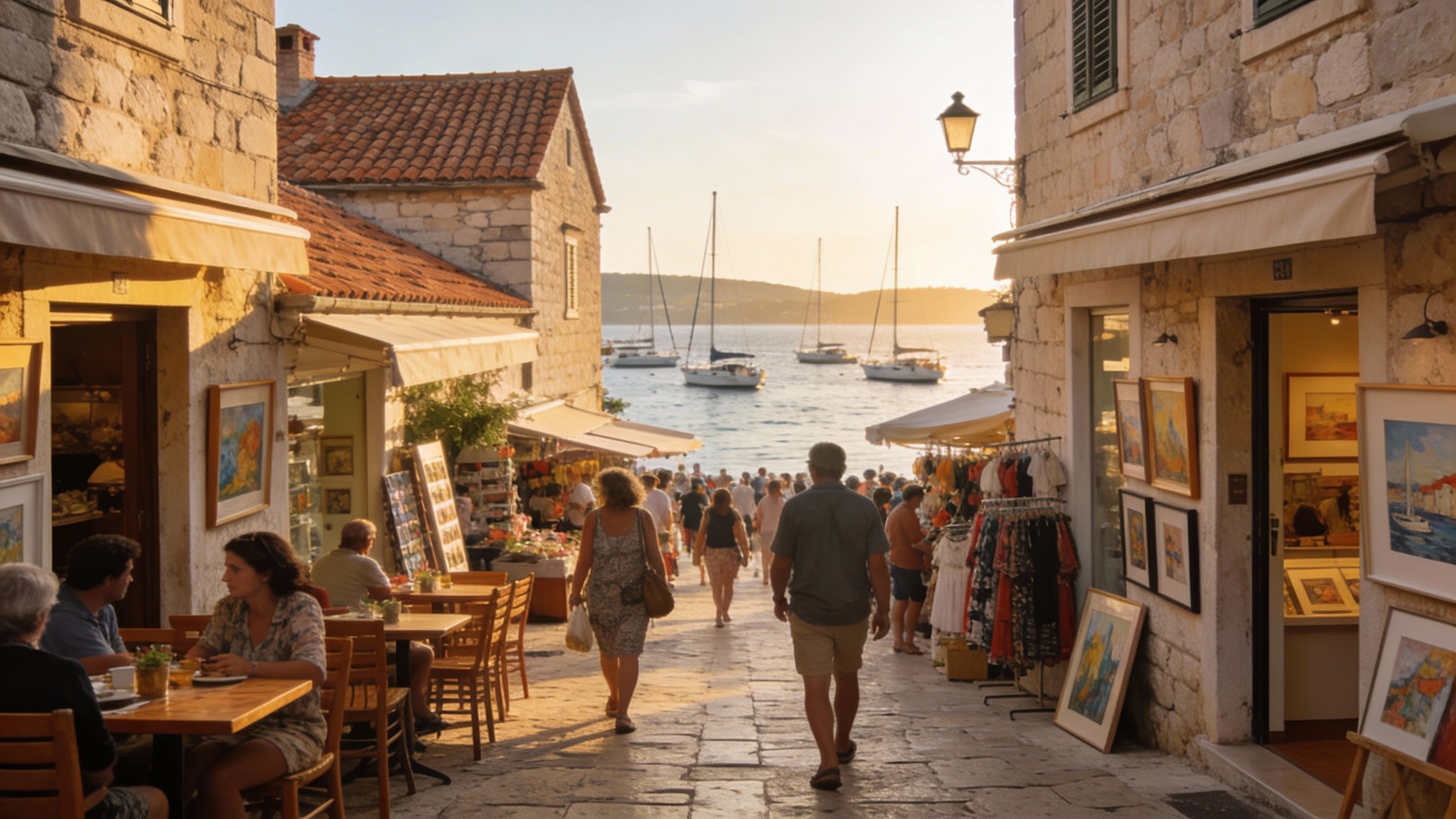
Imagine sipping a ristretto on a stone bench in Split’s Varoš as fishermen mend nets and a trampling of summer visitors drifts toward the Riva. Croatia’s coastline feels cinematic—limestone streets, pine-scented winds and afternoons that end in konoba dinners—but beneath that postcard is a market shaped by surging tourists, tight supply and fast-moving local rules. Recent tourism growth and rising asking prices mean lifestyle choices now carry measurable investment consequences. For international buyers, falling in love with the light is just the first step; stress‑testing yield and regulatory risk is the next.
Living the Croatia lifestyle
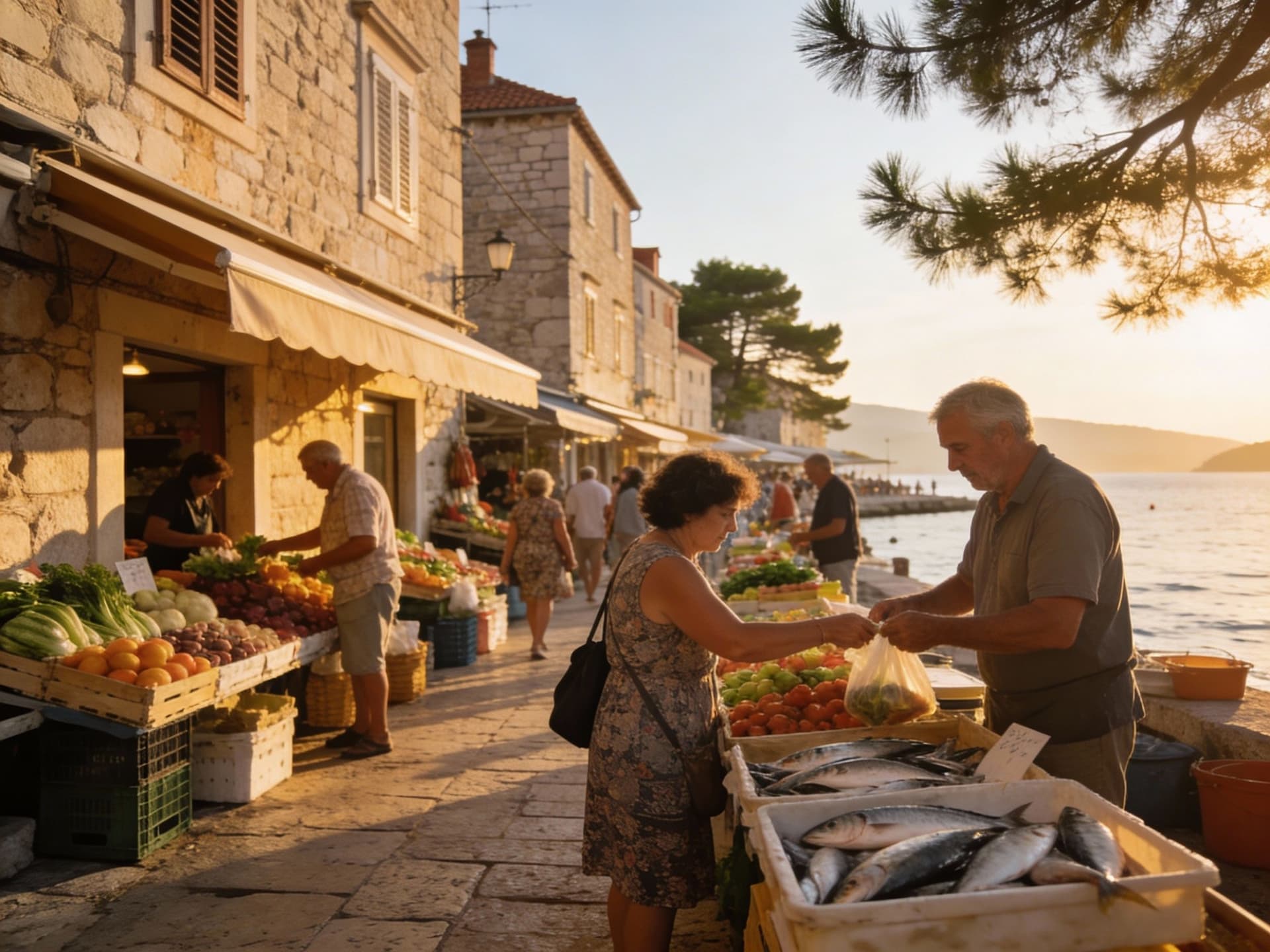
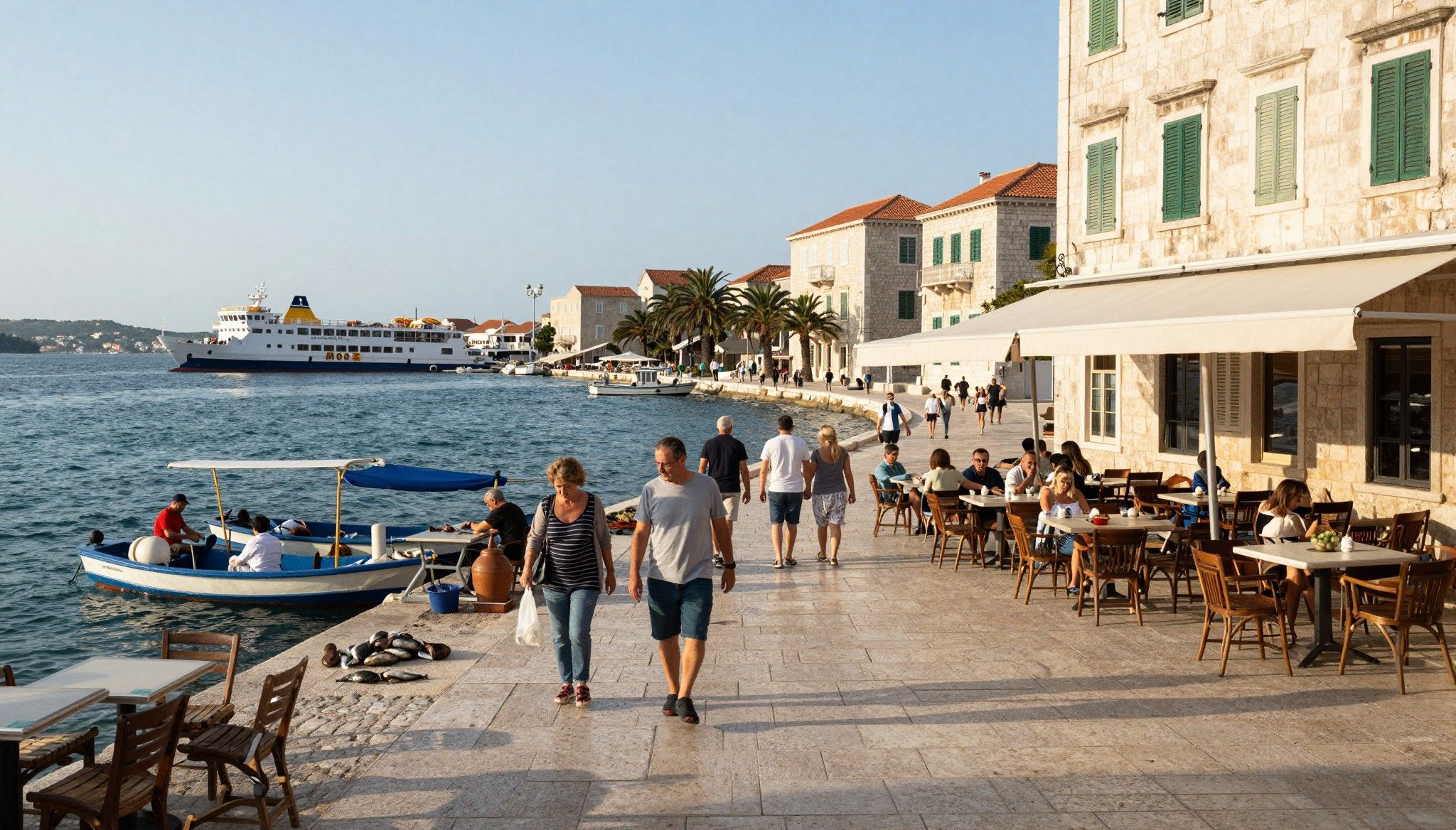
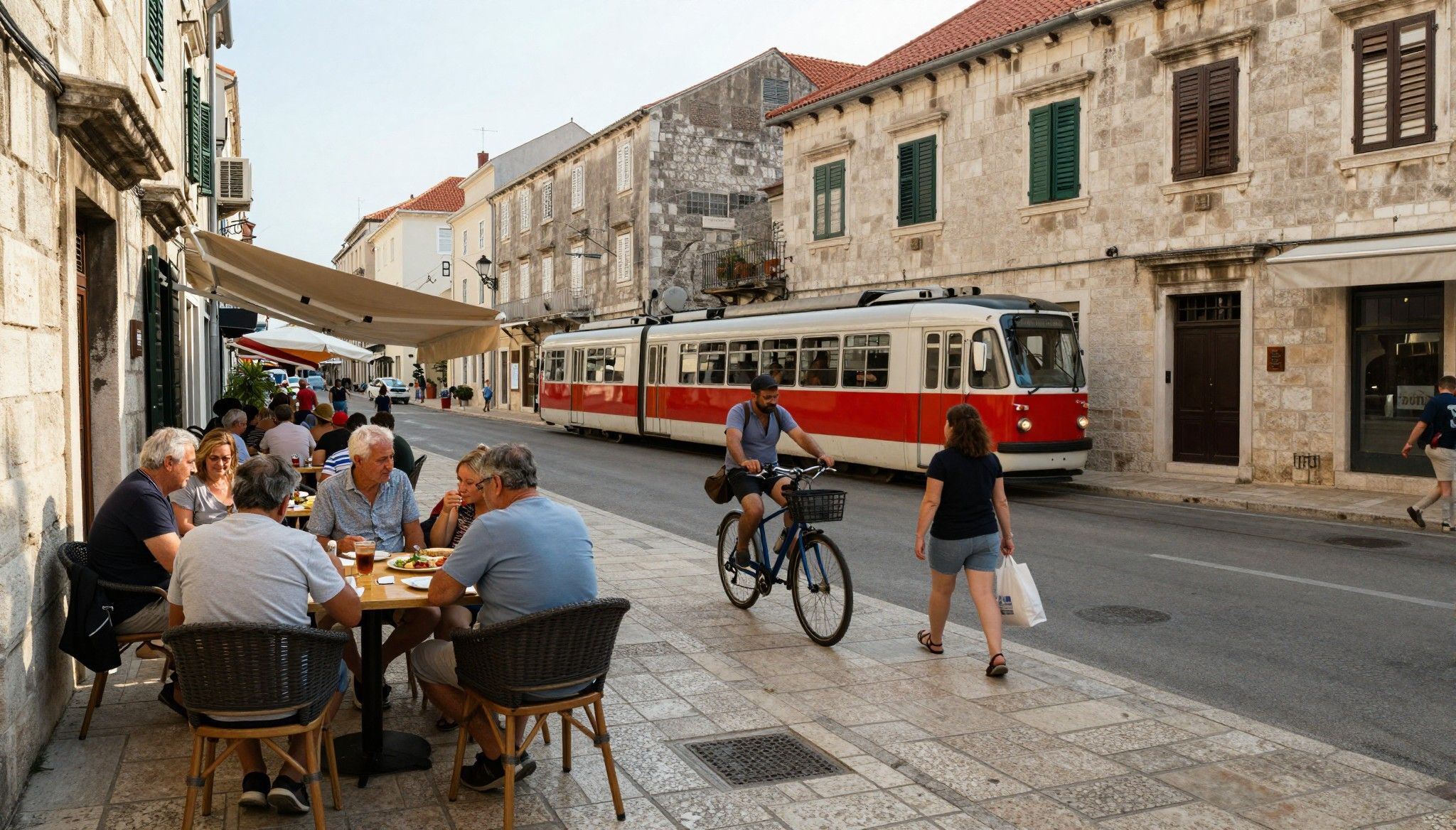
Living in Croatia blends Mediterranean tempo with Central European bluntness: long café mornings, brisk market shopping, and tightly-knit neighbourhood life where everyone knows which baker opens at 06:30. Coastal towns like Rovinj, Hvar and Dubrovnik shift from sleepy off-season villages to intense summer economies; Zagreb feels continental—museum-lined promenades, craft coffee and steady rental demand year-round. That seasonal swing is part of the charm, but it also makes cash flow and vacancy modelling essential for any buyer who expects rental income.
Neighborhood spotlight: Split — Varoš, Bacvice, Meje
Picture narrow alleys spilling into Diocletian’s palatial ruins: Varoš offers authentic stone houses and older housing stock that attracts long‑stay renters; Bačvice brings sandy beaches and late‑night energy that appeals to tourists and short‑let operators; Meje is green, quieter and commands a premium for sea views. Each micro‑location carries different rental profiles—students and digital nomads cluster near the port and universities, families seek quieter suburbs, and luxury tenants focus on sea‑view pockets. For investors, micro‑neighbourhood choice often moves returns more than city‑level averages.
Food, markets and seasonality: what daily life feels like
From Dolac Market in Zagreb to fish stalls at Zadar’s waterfront, weekend routines are tactile and social. Seasonal rhythms shift demand: spring and autumn produce steady long‑lets in cities, while summer spikes coastal short stays. That seasonal elasticity increases gross yields in peak months but raises vacancy risk outside season unless you target year‑round demand sectors like corporate or student rentals. Think about whether you want to buy where locals live year‑round—or where tourists flood in for a few months.
- Lifestyle highlights
• Morning espresso at Booksa in Zagreb; historic Donji Grad apartments nearby rent well to professionals. • Sunset swims from Bačvice in Split; small studios close to the beach outperform city averages for summer short lets. • Weekend market breakfasts in Hvar Town; renovated stone flats attract boutique long‑stay guests. • Kayak mornings around Korčula; island properties need to account for higher maintenance and access costs.
Making the move: practical considerations that protect yield

Croatia’s market tightened in 2024–25: asking prices rose materially (platform data reported average asking prices up ~13% year‑on‑year), and coastal demand shows persistent growth thanks to tourism. That causes two core risks for buyers: paying a seasonally elevated premium and underestimating operating constraints from new local rules. Before writing an offer, quantify how often a unit can realistically rent (season length, likely nightly rate, platform constraints) and stress test net yield under conservative occupancy assumptions.
Property types and yield trade‑offs
New builds command a premium but reduce capex and energy retrofit risk; historic stone apartments sell at lower per‑m² prices but typically need higher renovation budgets and legal due diligence on ownership status. Coastal apartments often produce higher gross yields in summer but can underperform annually without winter demand; city apartments (Zagreb, Rijeka) deliver steadier year‑round income. Use local price‑per‑m² benchmarks (coastal averages often 20–50% above inland) when modelling purchase price versus expected rent, and allocate 5–15% of purchase price for renovation contingencies.
Working with local experts who know both lifestyle and law
- A quality local agent does more than show apartments; they translate neighbourhood rhythms into cash‑flow projections and flag municipal short‑let limits. Step 1: insist on comparable rent roll data for at least two past seasons. Step 2: require written confirmation about tourist licence history and whether neighbour consent rules apply. Step 3: ask for an itemised estimate of recurring costs (condo fees, utilities, tourist tax) and realistic winter occupancy scenarios. Step 4: verify property documentation with a local notary and a lawyer familiar with foreign ownership reciprocity—this reduces title risk and surprise costs.
Insider knowledge: risks most buyers underestimate
Two big myths trip up buyers: that coastal properties guarantee year‑round returns, and that municipalities uniformly tolerate short‑lets. Croatia’s tourism numbers are rising—pre‑ and post‑season growth is real—but municipal rules, neighbour consent requirements and municipal taxes can sharply reduce net yields. Savvy buyers treat coastal premiums as a bet on regulatory stability and year‑round demand; where either is uncertain, look for inland or city substitutes with lower price per m² and steadier occupancy.
Cultural and operational friction points
Language, local bureaucracy and condominium rules are practical frictions: many buildings require co‑owner approvals for commercial short lets, registration systems like eVisitor are mandatory for tourism reporting, and guest taxes vary by municipality. These are operational headaches that reduce margins if unplanned for, especially for non‑EU buyers who may need corporate structures to operate rentals. Factor ongoing compliance costs and the time‑cost of management into your yield model rather than assuming a smooth hosting operation.
- Risk checklist (what to stress‑test)
• Regulatory shock: neighbour‑consent rules or municipal moratoria on new tourist licences. • Seasonality shock: a shorter-than-expected season or tourism demand shift reduces occupancy by 20–40%. • Renovation shock: structural or title issues that increase capex by 30%. • Tax/regime change: new local taxes or occupancy taxes applied retrospectively. • Market re‑rating: sudden increase in listings as developers add supply, compressing yields.
If you find a property you love, run these steps before offer: 1) model conservative net yield (40–60% of gross summer revenue) and check breakeven occupancy; 2) obtain written evidence of tourist licence history and condo rules; 3) commission a legal title search with a Croatian notary; 4) get a local cost estimate for winter maintenance and utilities; 5) negotiate a price buffer (5–10%) for unseen capex.
What expats wish they'd known (and how to avoid their mistakes)
Expat buyers often underestimate the local pace: renovation permits take time, neighbours can block tourist activity, and popular islands have higher operational costs. Many paid emotional premiums in 2024 for coastal proximity only to discover seasonal revenues and new municipal rules trimmed net returns. The solution is simple: separate the emotional checklist (views, light, life) from the financial checklist (yield, licence, costs) and require both to pass before you sign.
Long‑term lifestyle plus portfolio thinking
If Croatia is part of a diversified portfolio, treat coastal homes as yield‑volatile, capital‑preserving assets—they may appreciate due to scarcity but require active management. Consider combining one coastal unit for seasonal upside with a city apartment for steady income. Over a 5–10 year horizon, migration of tourism into shoulder seasons and improved air links can reprice markets; likewise, political or municipal changes can compress yields quickly. Keep an exit plan and realistic timeframe; liquidity varies widely by micro‑location.
Conclusion: Croatia sells a life—stone streets, markets, and Adriatic light—and that life has value in the market. Back that desire with conservative financial modelling, local legal checks and a management plan that anticipates regulation and seasonality. Start with two numbers: the realistic annual net yield under conservative occupancy, and the renovation buffer you’ll accept before walking away. If both work, bring the lifestyle; if they don’t, look inland or in Zagreb for steadier returns.
British expat who moved to the Algarve in 2014. Specializes in portfolio-focused analysis, yields, and tax planning for UK buyers investing abroad.