Malta: Fall for the Life, Stress‑Test the Yield
Malta offers an irresistible Mediterranean lifestyle but modest rental yields — NSO data shows prices rising; buy for capital preservation, not yield.
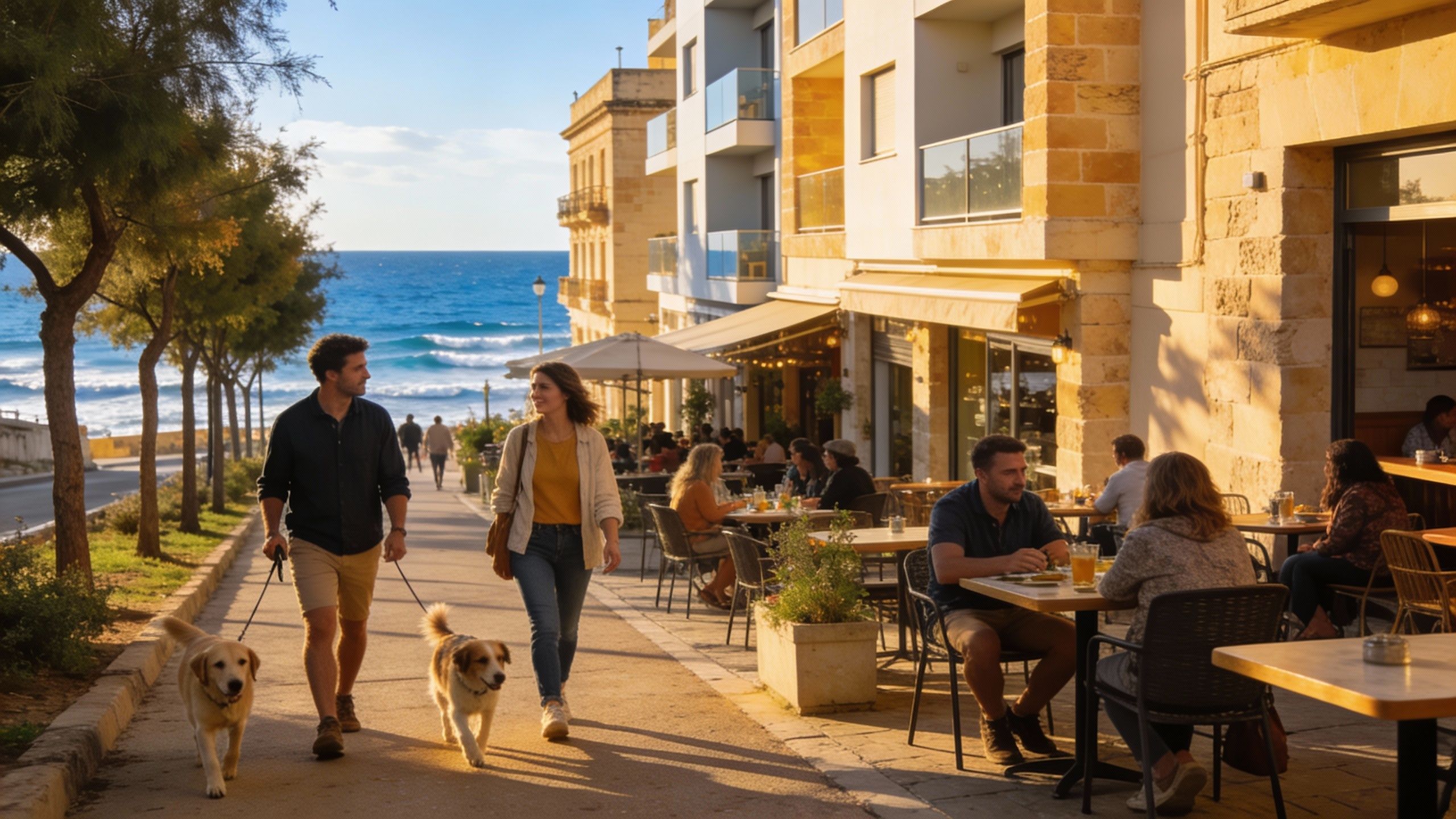
Imagine stepping out of a limestone townhouse in Valletta at 8am: the scent of freshly baked ftira, mopeds threading the narrow streets, and the harbour already busy with commuters. Malta feels compact and lived-in — a place where a 20‑minute walk can take you from Baroque piazzas to a rocky swimming cove. That proximity is part of its charm and also the single biggest constraint on returns: land is scarce and prices reflect it. For international buyers, that means lifestyle is irresistible, but the financial trade-offs deserve clear attention.
Living the Malta lifestyle

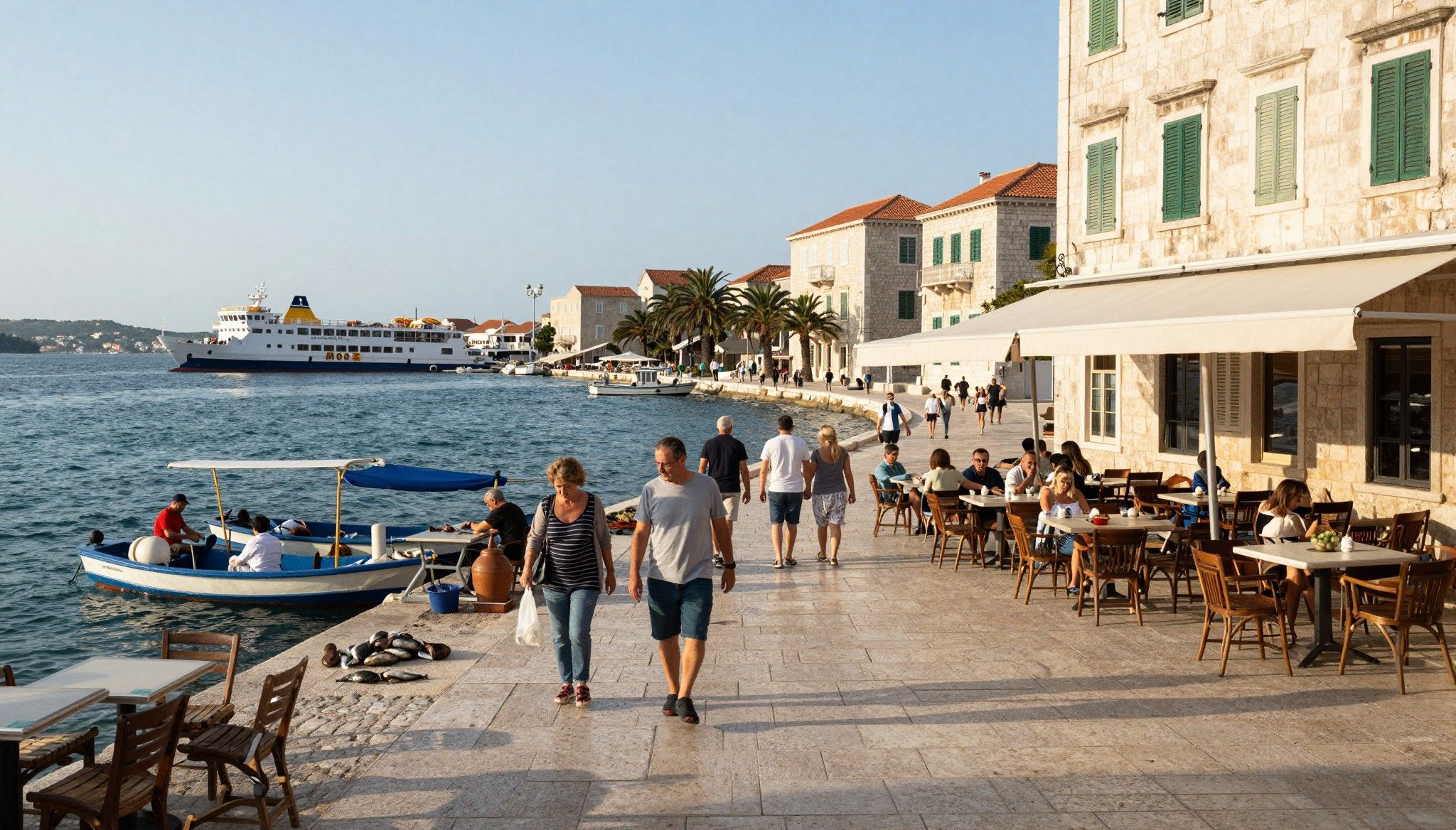
Malta’s daily rhythm is coastal and communal. Mornings begin with espresso at tiny cafés in Sliema or a bakery run in Marsaxlokk; afternoons cluster around beaches such as Golden Bay or the quieter Għajn Tuffieħa. Evenings move late: aperitifs on Pembroke terraces, family dinners in Mosta, and weekend passeggiatas in Mdina’s silent streets. That pattern shapes demand — tenants want connectivity, outdoor space or easy access to the sea, and properties that deliver those experiences command a premium.
Neighborhood spotlight: Valletta to St Julian’s
Valletta offers unmatched heritage and tourist footfall but low rental yields — central, historic apartments are prized for short lets and prestige rather than steady long-term yield. St Julian’s and Paceville are the island’s entertainment and tourist hubs; they deliver higher short‑term rental income but also higher volatility and stricter management needs. Sliema and Gzira sit between both worlds — solid expatriate demand, good connectivity, and a mix of flats that appeal to professionals seeking long lets.
Food, markets and weekend life
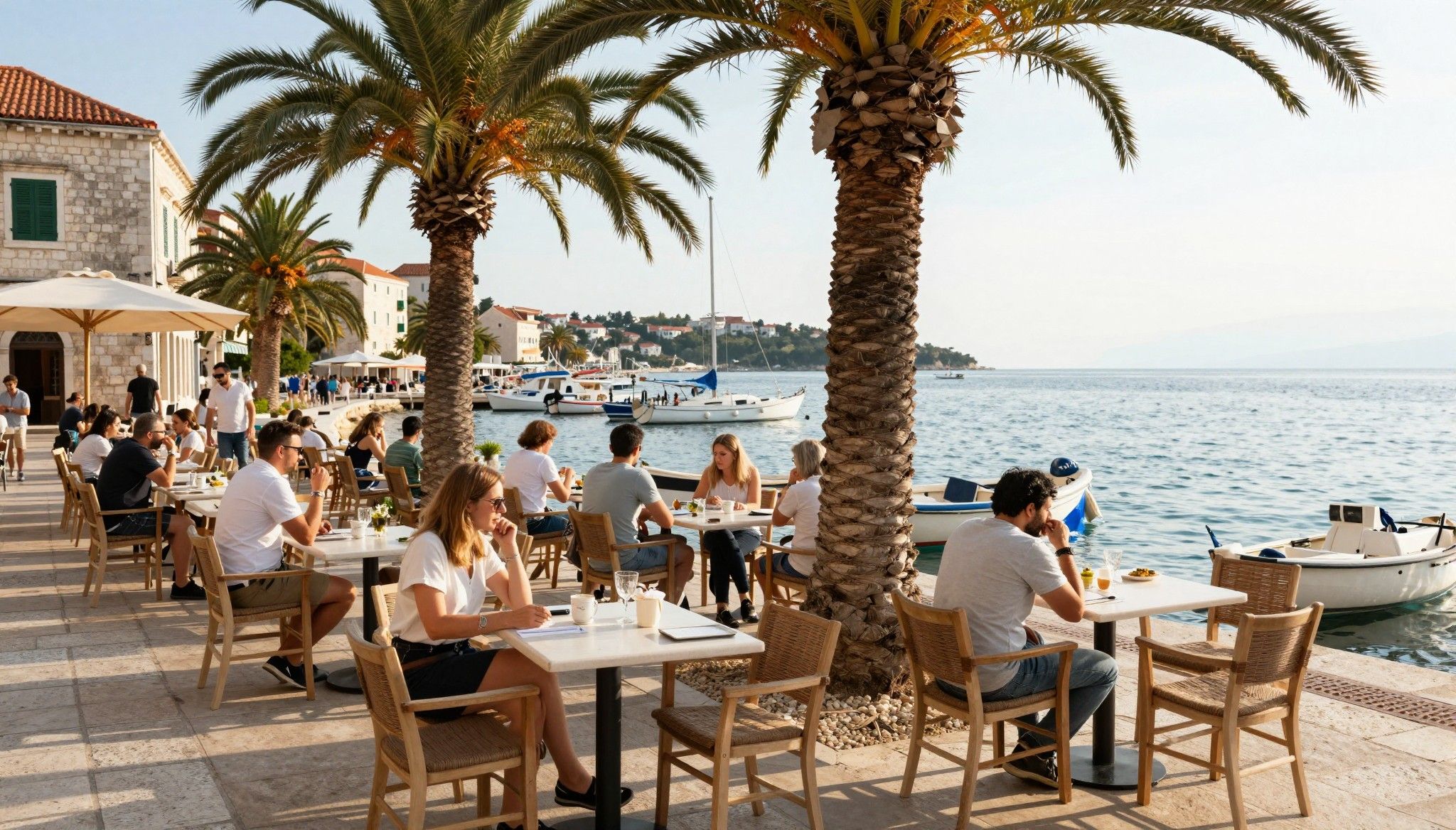
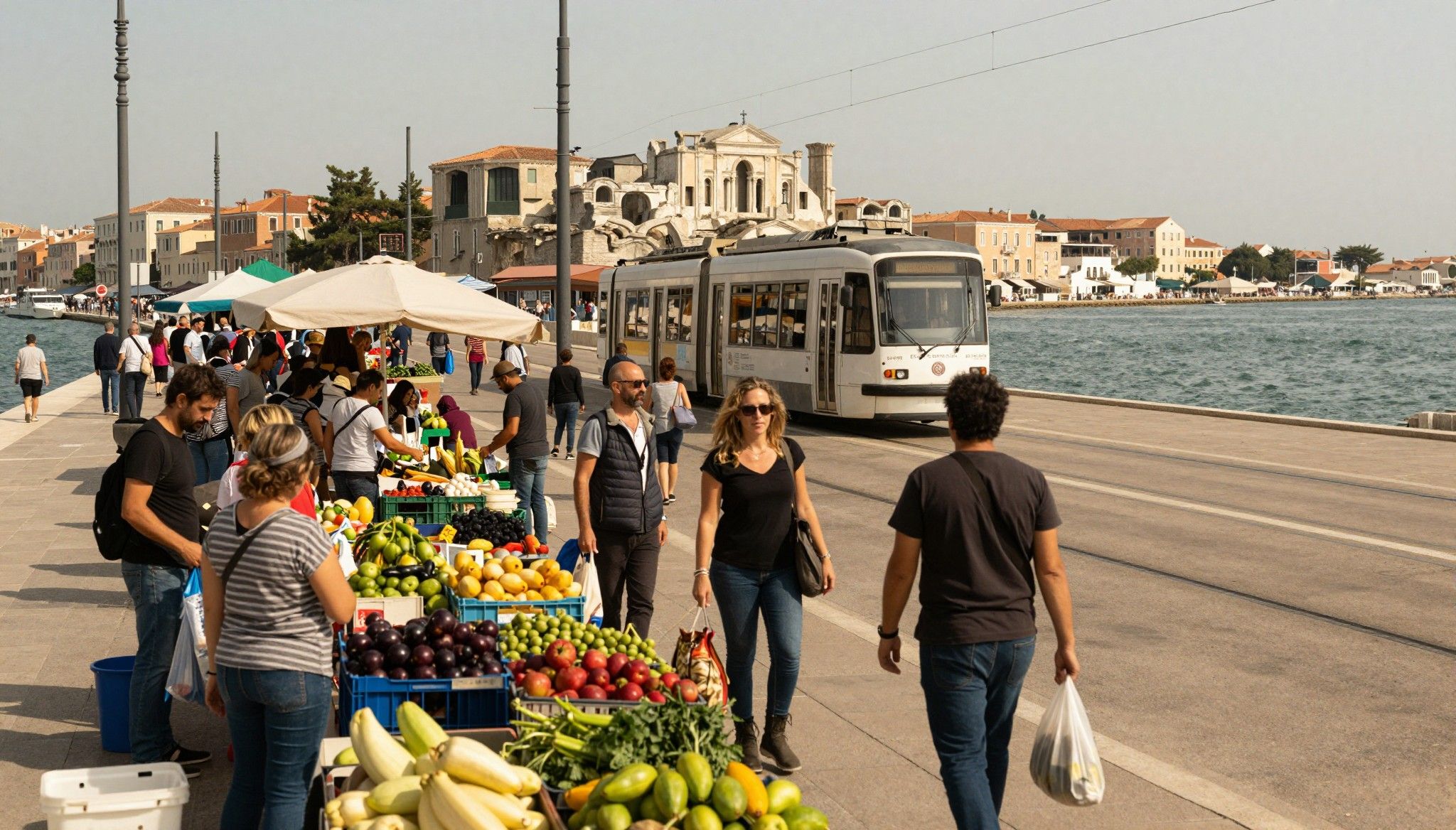
Weekend life orients around food and the sea: Valletta’s cafés and restaurants, Marsaxlokk’s fish market on Sundays, and boutique vineyards in the south of the island. Eating out is social and frequent; outdoor terraces and balconies are lifestyle multipliers — imagine a small terrace used daily for breakfast and evening drinks. That explains why properties with even modest outdoor space often outperform similar interiors without terraces.
- Lifestyle highlights
- Espresso culture in Sliema’s Strand and cafés on Merchants Street, Valletta
- Sunday fish market at Marsaxlokk and coastal swimming at Għajn Tuffieħa
- Nightlife cluster and serviced-apartment demand around St Julian’s and Paceville
- Heritage townhouses and boutique restorations in Mdina and Vittoriosa
Making the move: practical considerations
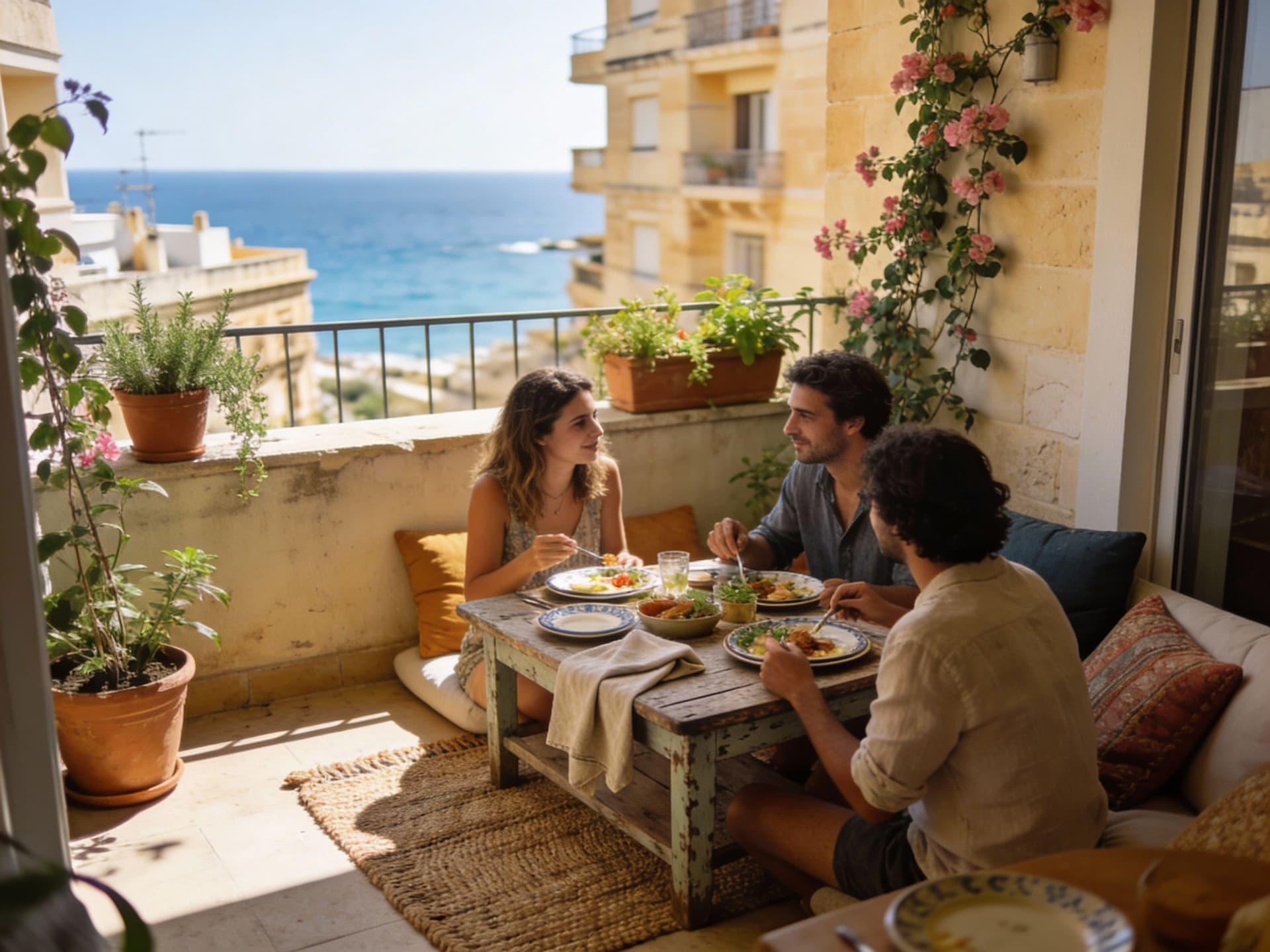
The market balance in Malta is straightforward: strong demand and constrained supply have pushed prices higher — the National Statistics Office reported a RPPI rise of 5.6% year‑on‑year in Q2 2025, reflecting steady appreciation. Land value is the dominant component of price growth; the NSO and local press note that land now accounts for more than four‑fifths of a dwelling’s value. For buyers that turns the decision from pure design preference into a land‑value and location calculation.
Property styles and lived realities
Options range from compact modern apartments in Sliema to restored townhouses in Birgu and detached villas in northern coastal towns. Apartments dominate the market and are easier to place with long‑let tenants; maisonettes and houses of character can offer capital upside but incur higher restoration and maintenance costs. If you plan to rent, prioritize walkability, proximity to transport, and outdoor space — those features drive both occupancy and achievable rents.
Working with local experts
A Maltese licensed agent or lawyer is essential for title checks, planning permissions, and understanding restrictions on non‑nationals. Agencies that specialise in expat lettings and short‑term management add value by reducing vacancy and regulatory friction, especially in areas where short lets are popular. Choose an advisor who can demonstrate recent local comparables, explain municipality plans, and project realistic yields net of management and taxes.
- Steps to align lifestyle and yield
- 1. Map your lifestyle needs (commute, sea access, schools) and prioritise them before viewing.
- 2. Request recent comparables and vacancy data from at least two licensed brokers.
- 3. Stress‑test gross yields: factor in management (8–15%), municipal rates, and periodic maintenance.
- 4. Check planning and title early — restoration plans and permitted development affect total costs and timelines.
Insider knowledge: what expats wish they'd known
Three hard truths from people who moved here: yields are modest relative to perceived price levels; management intensity rises if you target short lets; and seasonality can compress net cash flow unless you plan for year‑round tenants. Gross yields reported by market analysis typically sit around 4% island‑wide, with Valletta and Sliema showing lower returns due to higher prices and premium demand for short stays. That reality means Malta often fits portfolio diversification or lifestyle‑first buying rather than pure yield chasing.
Cultural integration and everyday life
English is an official language and widely used in services, which eases integration for many buyers. Social life revolves around shared meals, local festas, and small neighbourhood networks — participate in a few community events and you’ll find friends quickly. That social ease helps with letting: expat and professional tenants often seek neighbourhoods with established communities and quick access to amenities.
Long‑term outlook and risks
Expect continued price pressure until supply meaningfully increases — NSO data and local analysis indicate land appreciation has driven most recent gains, a structural factor unlikely to reverse quickly. That supports capital preservation for central, scarce assets (townhouses, prime waterfront), but it compresses rental yields. Regulatory changes, tourism shifts, or a sudden increase in construction could reprice returns; remain vigilant on new planning approvals and district‑level supply metrics.
- Red flags to watch
- Unclear title histories or unresolved planning permissions on older properties
- Overpriced renovations sold on lifestyle images but without rental comparables
- Assuming short‑let income without management and regulatory permission
- Ignoring municipal rates, insurance for coastal exposure, and restoration costs
Conclusion: Malta sells a life first and an investment second. If your priority is daily access to Mediterranean culture, compact urban living, and a community that’s easy to join, Malta rewards emotionally and socially. If you measure opportunity by yield alone, treat Maltese real estate as a diversification play with modest income expectations and potential for capital preservation in scarce locations. Next step: ask local licensed brokers for recent comparables, request RPPI district data from the NSO, and model net yields with conservative vacancy and management assumptions.
Norwegian market analyst who relocated from Oslo to Mallorca in 2016, guiding Northern buyers through regulatory risk, currency hedging, and rentability.