When Croatia’s Coast Looks Expensive — The Yield Reality
Coastal charm masks a fragmented market—Croatia’s price per m² and seasonal demand vary widely; model blended occupancy and local costs to protect yield.

Imagine sipping a late‑morning espresso on Split’s Riva, then stepping into a narrow stone street where a 100‑year‑old building has an upstairs flat that rents to summer tourists for three months and to remote workers the rest of the year. Croatia’s coast feels expensive — sunlit seafronts, medieval walls, island life — yet beneath that postcard is a patchwork of price and yield realities that tell a different investment story. Recent market analysis shows strong tourism flows but wide regional variance in asking prices and rents, and that split is where opportunity — and risk — lies.
Living the Croatia lifestyle
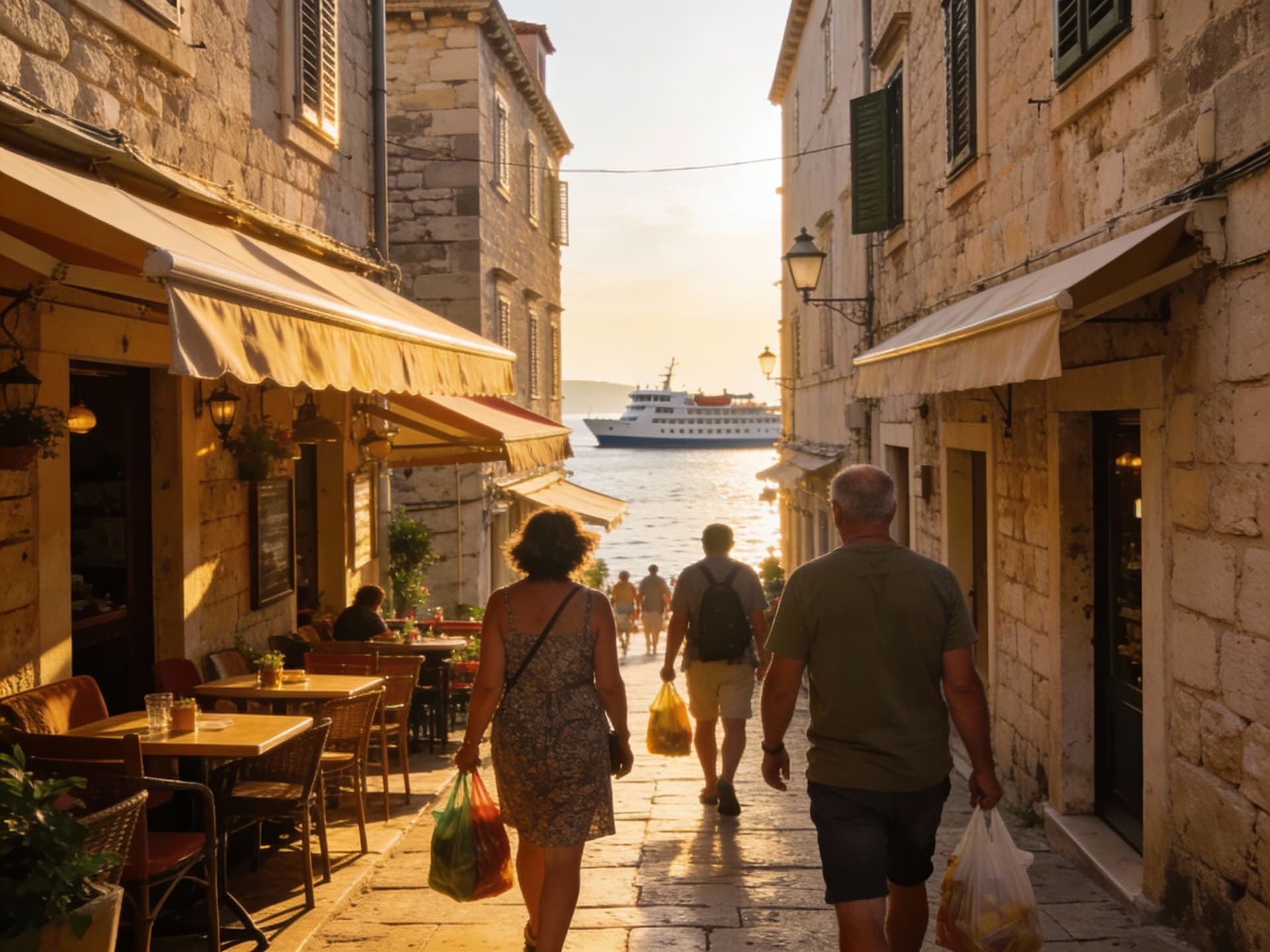
Croatia lives in two rhythms: the Adriatic summer, which pulses from May to October with markets, ferries and festivals; and the quieter continental year, where Zagreb’s cafés and museums fill the gaps. That seasonal duality shapes rental demand and what tenants expect from a property: durable finishes for short‑lets on the coast, heating efficiency and year‑round storage in inland cities. Tourism data confirms the scale — tens of millions of nights annually — but also shows growing pre‑ and post‑season demand that pragmatic buyers can monetise.
Zagreb, Split, Dubrovnik — neighborhoods that matter
Zagreb offers a steady, year‑round tenant base — think Donji Grad for cafés and services, and Špansko for more affordable family stock. Split’s Old Town and the Riva command tourist premiums but also generate excellent short‑term yields in summer months; suburbs like Meje provide calmer long‑let prospects. Dubrovnik’s Old Town is unique: ultra‑premium prices and constrained supply, which can mean capital protection but lower gross yields. Country averages hide this: asking prices vary from roughly €1,500/m² in Slavonia to €3,900+/m² in Dalmatia, so location granularity matters.
Food, markets and micro‑neighbourhoods
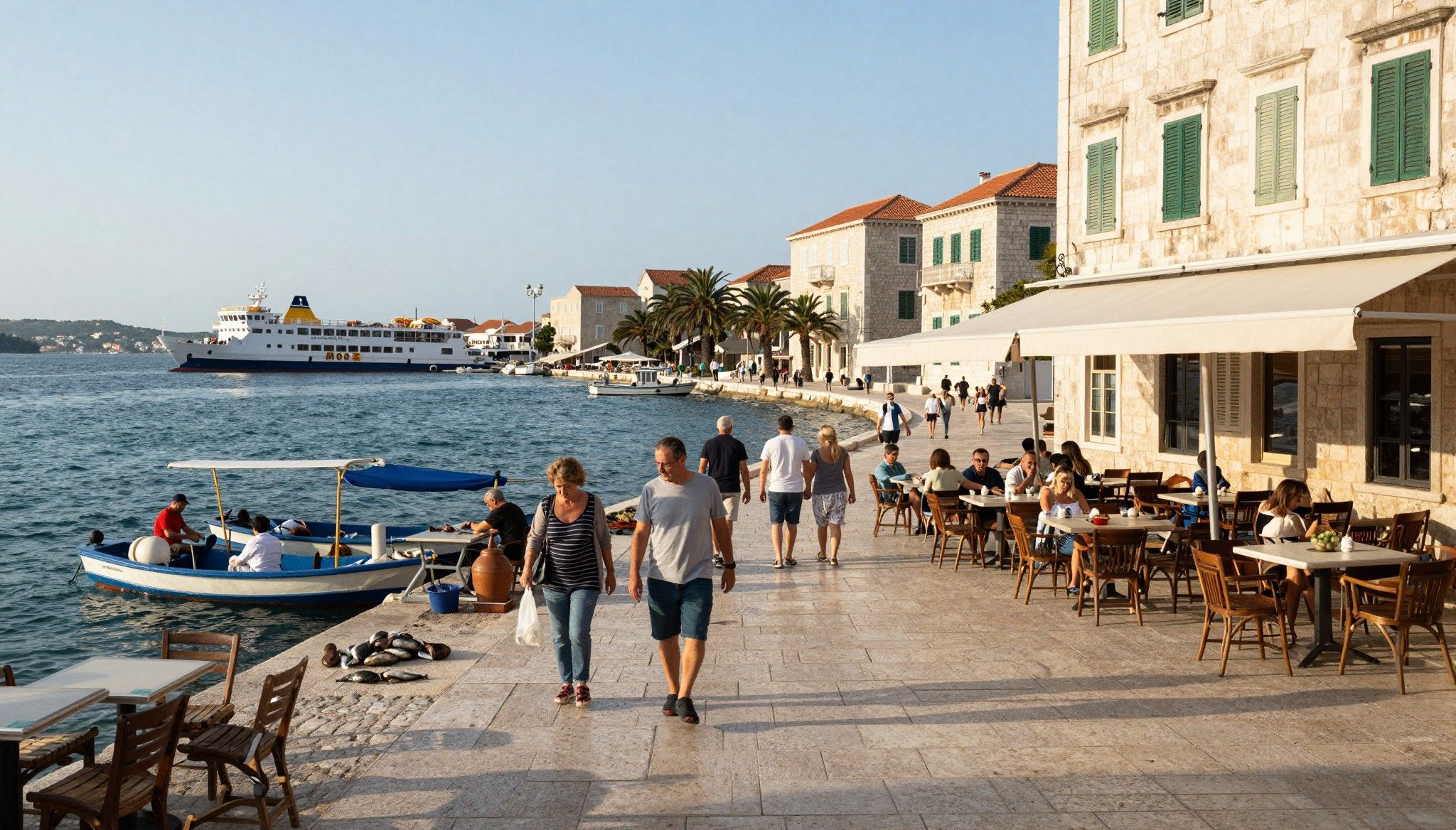
Weekends are market days: Hvar’s waterfront stalls, Rovinj’s fish markets, Zagreb’s Dolac. These micro‑amenities drive rental desirability. A flat a five‑minute walk from Dolac or Split’s Pazar can command premium occupancy and justify a higher refurbishment cost. Conversely, being near a ferry terminal without direct bus links can reduce off‑season demand. For lifestyle buyers who plan to mix personal use with renting, proximity to a market, a reliable ferry, or a well‑rated local café often matters more than sea views for occupancy outside July–August.
- Lifestyle highlights that move yield
- Dolac market (Zagreb) — day‑to‑day convenience boosts long‑let appeal
- Split Riva & Old Town — high summer ADRs (average daily rates), seasonal vacancy risk
- Hvar Town — island scarcity supports capital values; servicing logistics affect costs
- Rovinj & Istria inland villages — year‑round lifestyle buyers, steadier yields
Making the move: practical considerations
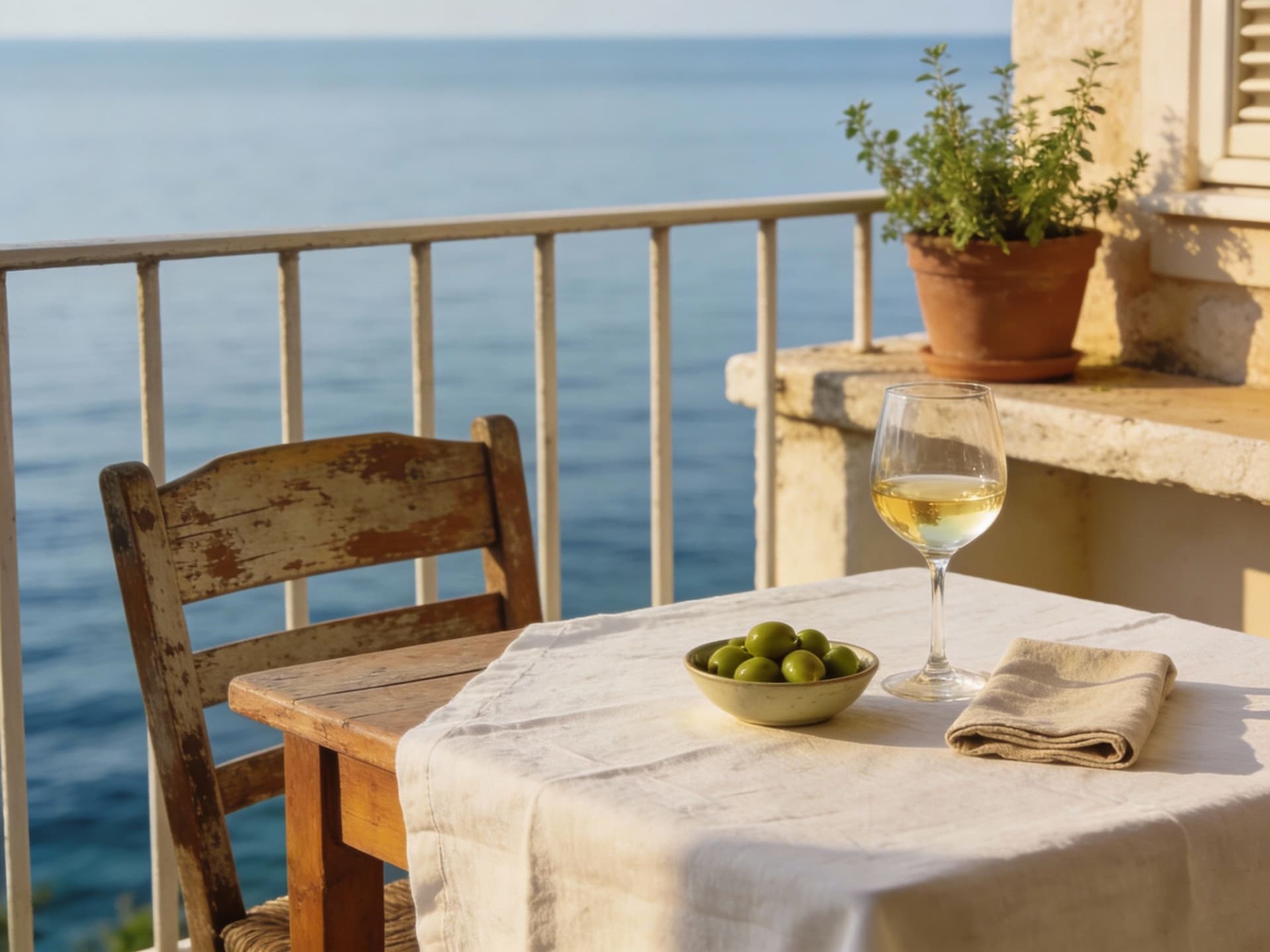
You can fall in love with a stone townhouse and still wreck your yield by ignoring seasonality, management costs and regional price dispersion. Start by converting local asking‑price maps into a simple yield model: expected revenue (seasonal short‑let and year‑round long‑let blended) minus operating costs, divided by total acquisition cost including taxes and refurbishment. Croatia’s asking prices rose regionally in recent years; using current, local asking prices avoids overpaying for postcard locations with thin off‑season demand.
Property styles and how they perform
New builds and renovated apartments near city centres typically attract year‑round professionals and deliver steadier gross yields (often lower cap rates but with lower vacancy). Seafront old‑stone flats can deliver high summer ADRs but require higher maintenance and active management. Ask for historical occupancy rates from managers; in Dalmatia seasonal revenue can dominate total income. Recent asking‑price data shows Dalmatia averaging around €3,900/m² while interior regions are substantially cheaper — model both price and likely occupancy.
Working with local experts who know lifestyle and yields
Local agencies and property managers are the translators between lifestyle promises and yield maths. Choose partners who can provide: verified occupancy histories, seasonal ADRs, service‑cost breakdowns (cleaning, utilities, agent fees), and local tax estimates. Ask for comparable realised transaction prices, not just asking prices — in many coastal towns transaction prices run 5–15% below asking levels. A manager who understands ferry timetables, winter closures and local licensing will materially affect net yield.
- Six steps to a yield‑aware purchase
- Gather local asking and transaction prices by neighbourhood; build a price/m² map.
- Model blended revenue: peak season short‑let months + off‑season long‑let months.
- Factor in service costs: management, utilities, repairs, island logistics.
- Validate occupancy with on‑the‑ground references (two property managers, one recent tenant).
- Stress‑test for 40–60% lower summer revenue (conservative scenario) and rerun net yield.
- Decide: buy for yield (prioritise occupancy) or buy for lifestyle (accept lower short‑term yields).
Insider knowledge: what expats wish they'd known
Expat owners repeatedly tell the same truths: seasonality wins and loses, local rules matter, and services (plumbing, multilingual cleaners, winter heating) are often the difference between cashflow and headaches. Tourism is growing beyond July–August — Croatian Bureau of Statistics data shows rising pre‑ and post‑season nights — which expands the windows where coastal property can earn. Still, islands with limited winter access require either a low expected running cost or a caretaker arrangement to protect your asset.
Cultural and practical integration
Learn a few Croatian phrases, use local markets, and join neighbourhood WhatsApp groups — these social cues unlock local trust and speed problem resolution. For landlords, that means earlier warnings about maintenance and often gentler tenants who help look after the place. Also, understand local building norms: many coastal houses use older masonry and narrow staircases — higher refurbishment costs but strong character that tenants and buyers prize.
Long‑term lifestyle and resale realism
If capital appreciation is part of the plan, target constrained supply locations (small island towns, historic cores) where renovations are limited and demand remains high. But expect longer liquidity cycles: prime Dubrovnik listings can sit before the right buyer appears. Use regional price indices to set realistic resale thresholds — Dalmatia’s higher asking prices imply premium entry costs and require stricter yield assumptions than inland options.
Conclusion: buy the lifestyle, stress‑test the numbers. Croatia offers a compelling life — markets, marketside cafés, island afternoons — but as an investor you must translate that life into cashflows. Start with neighbourhood‑level price maps, realistic blended occupancy models, and local partners who deliver verified revenue histories. If you do the maths before the romance, you can have both: a place you love to visit and a property that performs.
British expat who moved to the Algarve in 2014. Specializes in portfolio-focused analysis, yields, and tax planning for UK buyers investing abroad.