Croatia’s Regulatory Shift: The Yield Checklist
Croatia’s coastal charm hides recent regulatory shifts — municipal levies, clarified VAT rules and non‑EU consent — that materially affect yields; stress‑test returns before you buy.
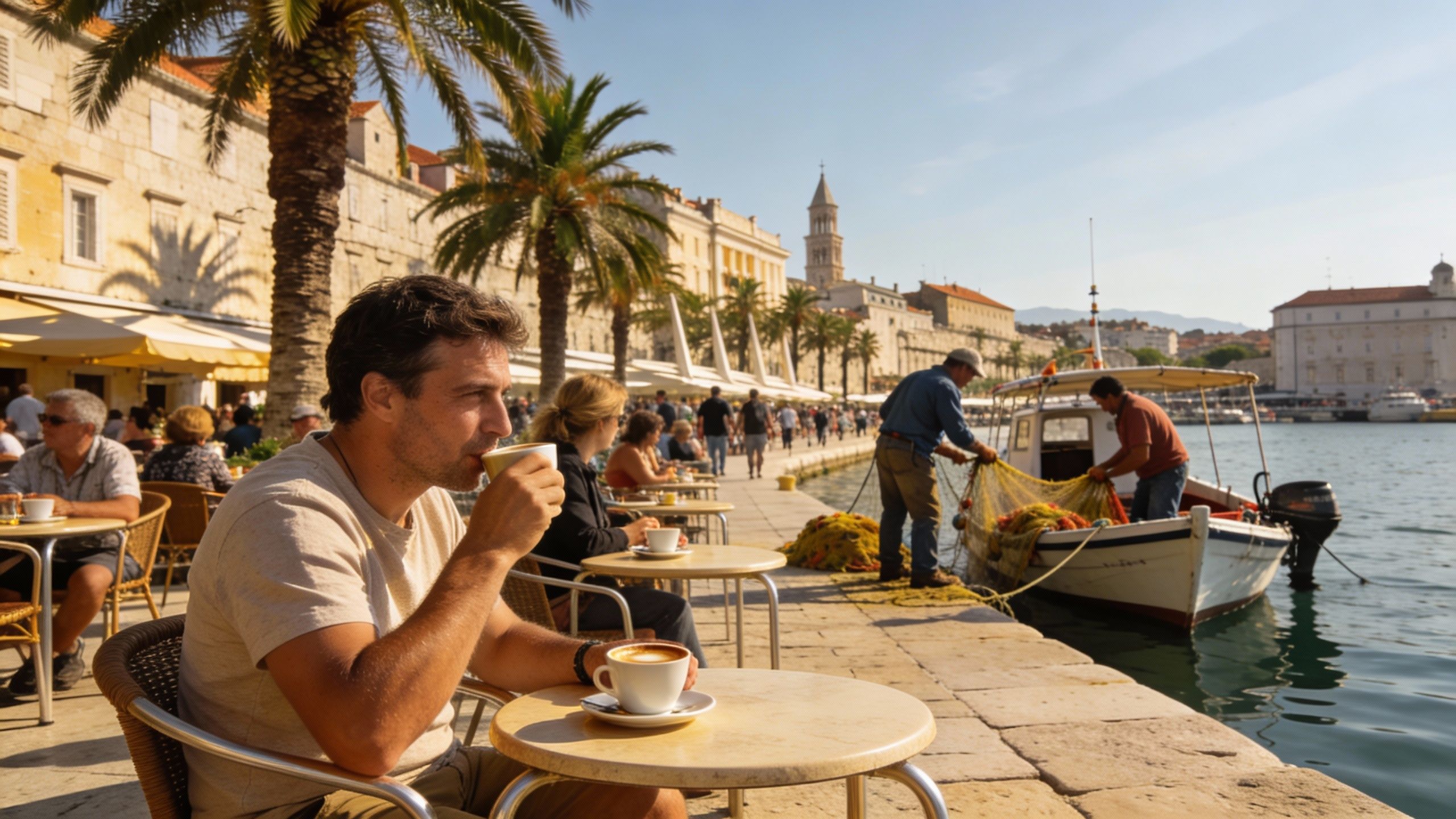
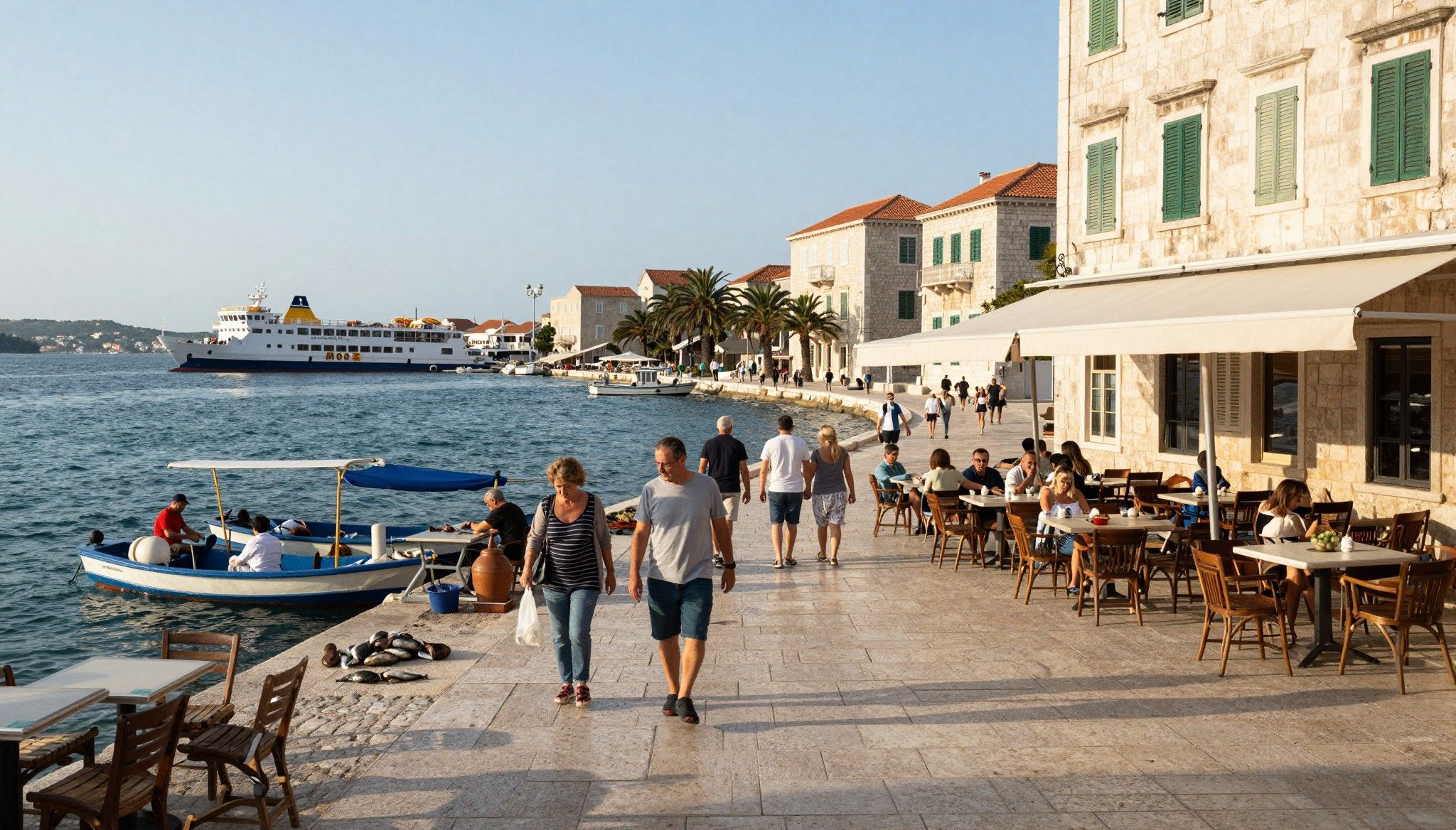
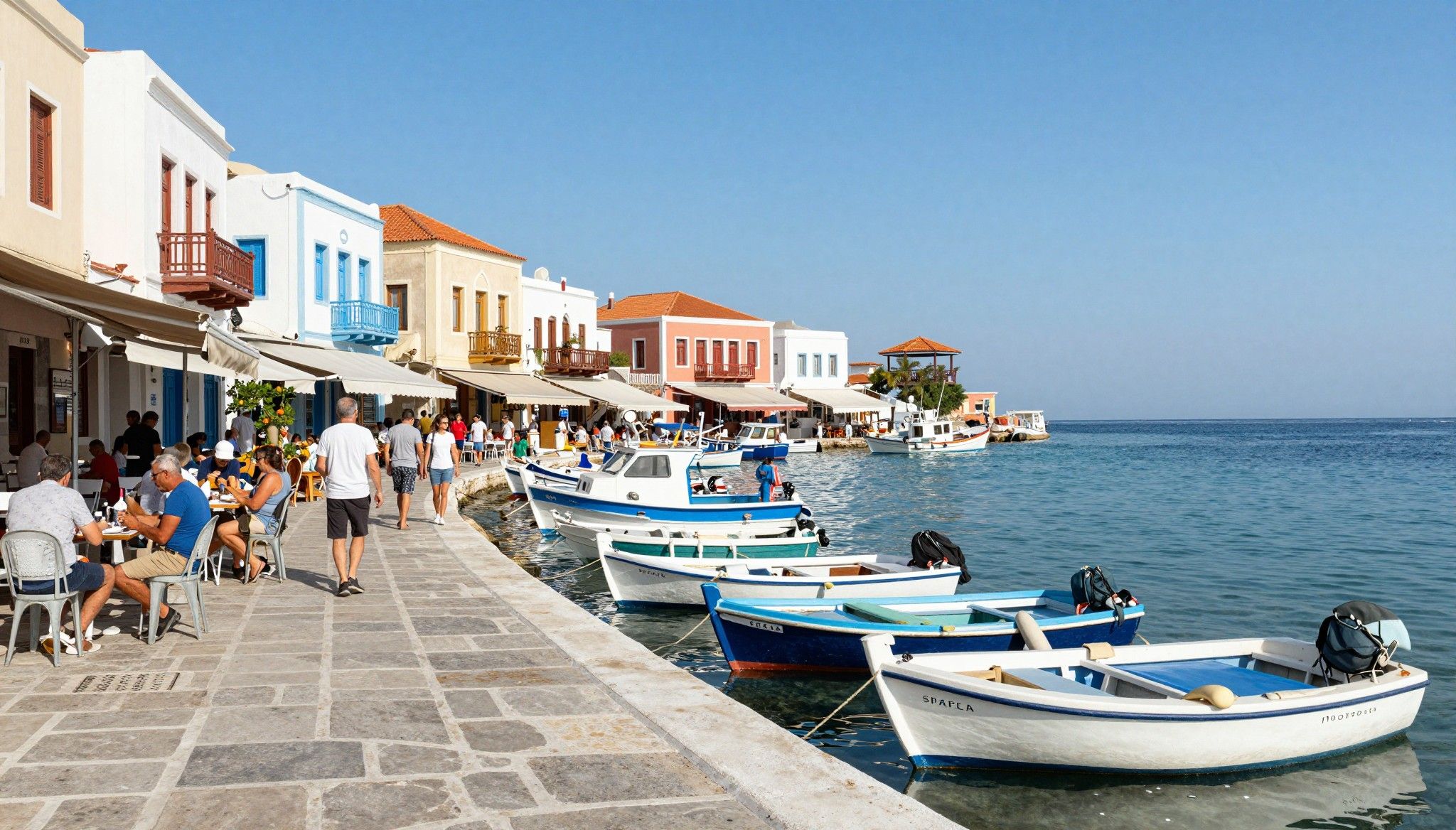
Imagine waking before dawn to the smell of strong espresso on Split’s Riva, then walking the limestone streets to a local market where fishermen shout over last night’s catch. Croatia’s coastline moves at a human pace — Adriatic light, island ferries, neighbours who know your name. For many international buyers that atmosphere is the point; for investors it’s where lifestyle meets measurable return, and recent regulatory shifts mean that the calculus of buying here has changed in ways both subtle and decisive.
Living the Croatia lifestyle — day-to-day textures
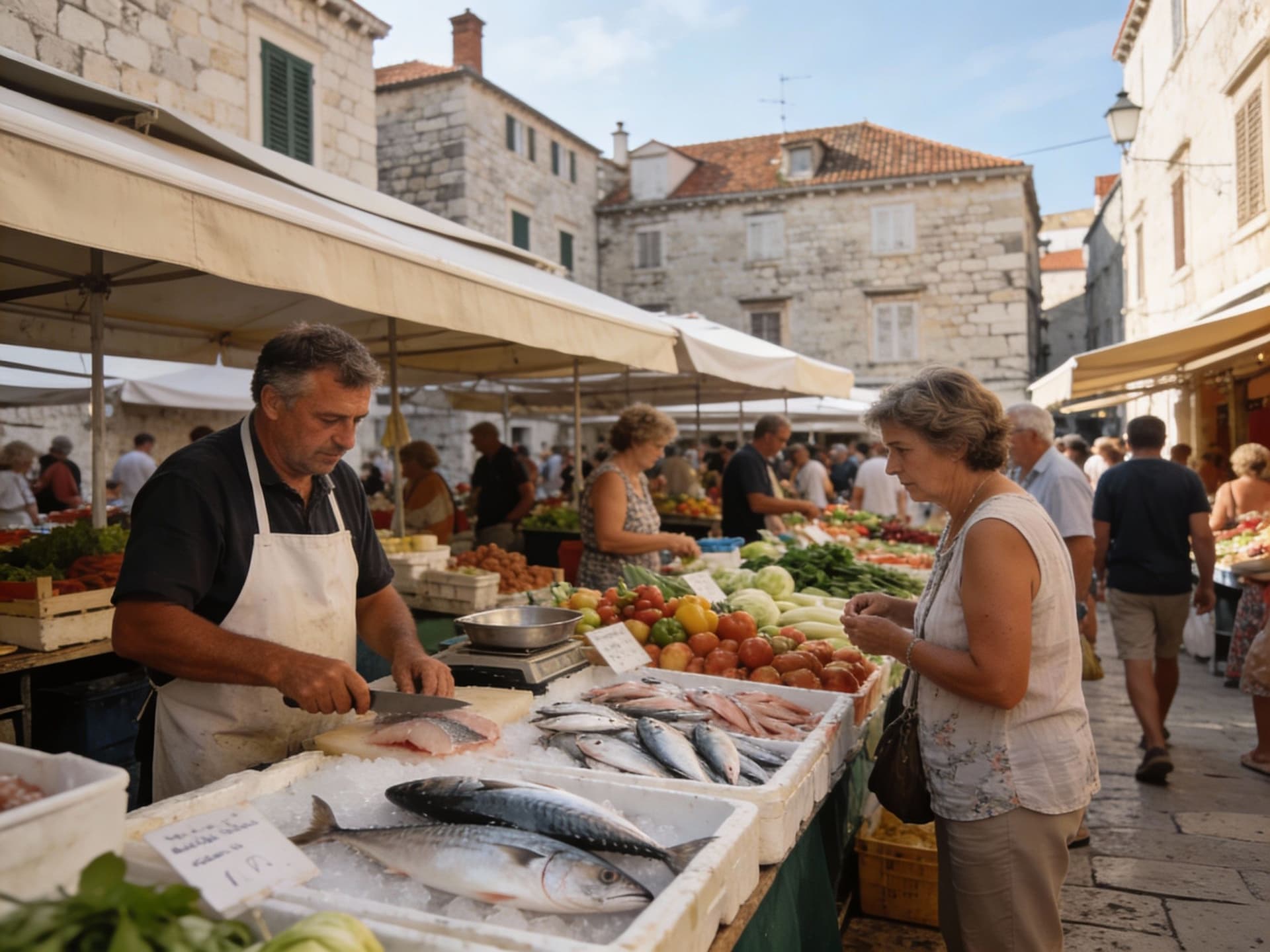
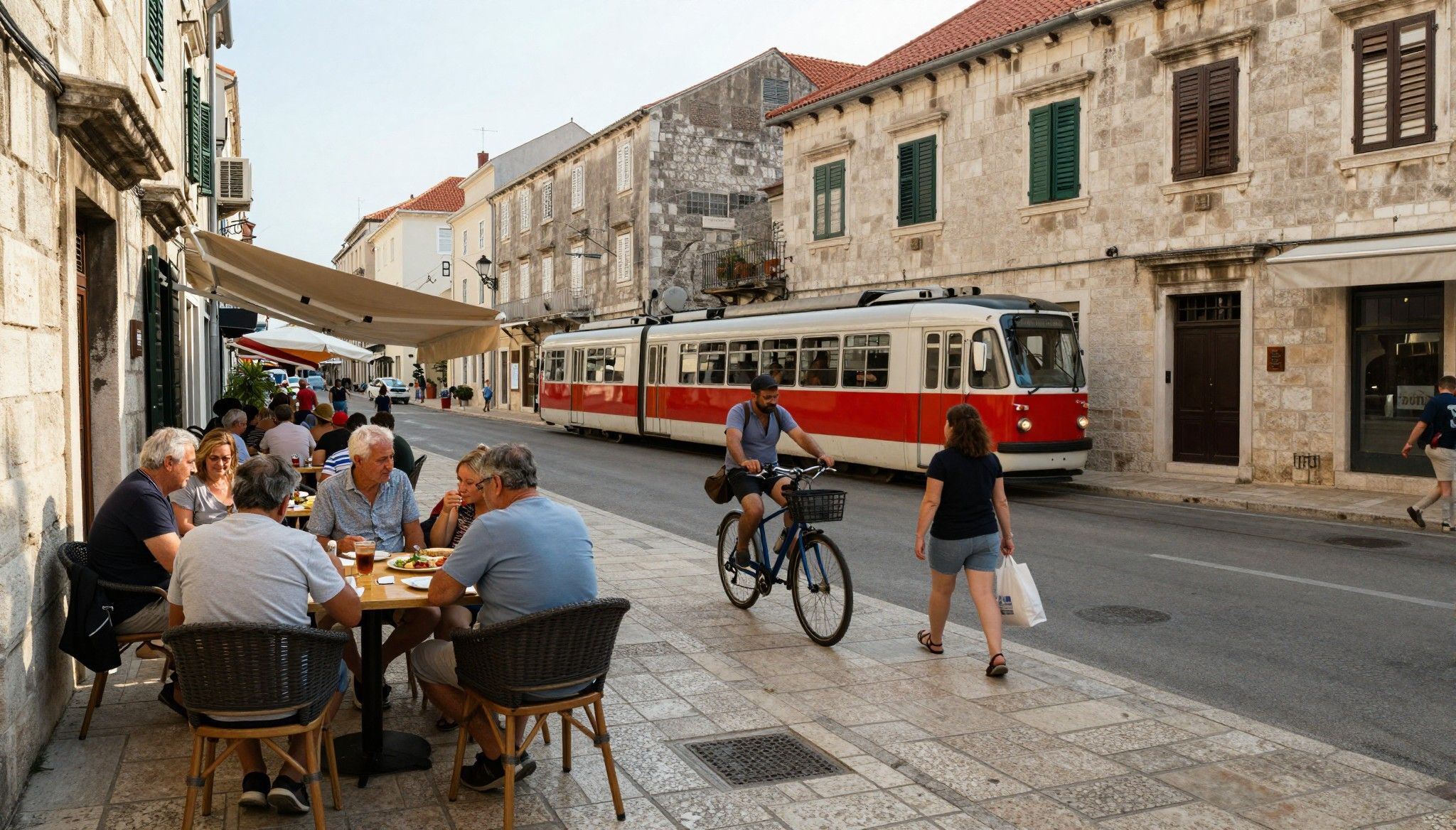
Croatia is not a single mood: Zagreb’s tram-lined mornings, Dubrovnik’s fortified afternoons, Istria’s rolling vineyards and Hvar’s island tempo. Daily life blends Mediterranean rhythms with Central European efficiency: morning markets and pašticada in Konoba taverns; late-afternoon siestas on smaller islands; ritual coffee at neighbourhood cafes in neighbourhoods like Zagreb’s Tkalčićeva or Split’s Veli Varoš. That variety shapes what you rent, whom you attract as a tenant, and how you plan maintenance and seasonal management.
Neighborhood spotlight: Split — Veli Varoš & Bacvice
Veli Varoš — narrow alleys, stone houses and proximity to Diocletian’s Palace — attracts long‑stay leisure tenants and boutique short-lets; Bacvice, with its sandy beach and cafes, suits seasonal holiday lets. Expect higher nightly rates in summer but also concentrated management costs and stricter municipal rules around short-term letting in central districts.
Food, markets and everyday rituals
Markets — Dolac in Zagreb, Pazar in Split — are cultural anchors. For buyers this means properties within walking distance of markets command a lifestyle premium but also sustain year-round rental appeal for tenants seeking authentic neighbourhood life. Note how seasonality affects demand: coastal towns spike June–September; students and professionals support urban demand outside peak season.
Lifestyle highlights
Dolac Market (Zagreb) — morning market culture and fresh produce
Veli Varoš (Split) — stone houses, local Konobas, year‑round neighbourhood feel
Istrian hill towns (Motovun) — wine culture and slower seasonal cycles
Making the move: regulatory shifts that change returns

Recent policy changes — municipal property levies introduced in 2025, clarified VAT rules on new builds, and fixed frameworks for non‑EU purchasers — have altered the total cost of ownership. These are not headline-grabbing bans; they are recalibrations that change yield math. Understanding them is as important as knowing which neighbourhood has the best espresso.
Who can buy: EU vs non‑EU rules
EU/EEA and Swiss citizens enjoy parity with Croatian buyers for most property types. Non‑EU nationals still need administrative consent unless reciprocity exists between Croatia and their home country. That consent is an extra step that can add time and sometimes conditions — factor 2–6 months into transaction timelines when calculating holding costs and time-to-rent.
Taxes that materially affect yields
Key tax facts to model into net yield calculations:
3% real estate transfer tax typically applies on secondary-market purchases (useful for conservative yield estimates).
25% VAT applies on new builds sold within two years of first occupancy; factor this into acquisition cost (or verify if seller is VAT‑registered and whether VAT is included in advertised price).
Practical steps to stress‑test returns under the new rules:
1. Create two P&L scenarios: conservative (3% transfer tax + municipal property levy) and aggressive (VAT on purchase + short‑term letting tax).
2. Add 2–6 months of holding costs for non‑EU consent procedures where applicable; include utilities, municipal fees and marketing.
3. Test exit scenarios: apply 24% capital gains as an upper-bound tax on short-term flips; model a 3–5% annual price movement for medium-term holds based on recent trends.
Insider knowledge: red flags and opportunity edges
From expats and local agents we hear the same practical warnings: proximity to a market or harbour lifts rent but invites stricter local tourism rules; advertised 'includes VAT' claims often hide whether VAT or transfer tax will apply; and municipal registers now influence annual costs. These micro‑rules change what properties are attractive to mid‑term rental investors versus long‑term owner‑occupiers.
Local rules that flip a deal from 'good' to 'broken'
Watch for these red flags:
Missing municipal use permit for short‑lets — can block tourist rental income and trigger fines.
Unclear VAT status on new build contracts — buyer/seller responsibility differs by listing and can add 25% unexpectedly.
Properties listed through companies without clear ownership records — increases due‑diligence time and cost.
How local agents help: more than showings
An experienced Croatian agent will:
1. Confirm whether transfer tax or VAT applies and show the math on total acquisition cost.
2. Check municipal short‑let registration status and expected seasonal levies that affect gross yield.
3. Advise on legal routes (direct purchase vs local SPV) that reduce friction for non‑EU buyers, within legal bounds.
What expats wish they'd known — cultural & seasonal realities
Expats repeatedly tell us: the Adriatic’s beauty is constant, but its economics are seasonal. A flat in Zadar fills in July and August and sits quiet from November–March. Choosing a neighbourhood with year‑round demand (university towns, regional administration centres) smooths rental income and reduces vacancy risk.
Long-term outlook: who will rent your property in five years?
Model tenant demand by overlaying three factors: seasonality, local employment drivers (tourism, universities, IT hubs), and transport links (ferry frequency, regional airports). Properties near growing nodes like Rijeka’s port upgrades or new regional infrastructure often outperform on occupancy and net yield.
Conclusion: fall in love, then stress‑test the numbers
Croatia offers a rare combination: everyday Mediterranean life and clear, investable market mechanics. But recent regulatory adjustments — municipal property levies, clarified VAT rules and non‑EU consent procedures — change acquisition math. If the coastline makes you dream, use a local agent and run conservative yield scenarios that include transfer tax, VAT risk, holding costs and municipal levies before you sign.
Next steps: a short checklist
1. Ask your agent to provide a published P&L that includes transfer tax or VAT, municipal levies, and estimated seasonal occupancy.
2. Confirm buyer eligibility early (EU parity vs non‑EU consent) and schedule the administrative timeframe into your acquisition budget.
3. Commission a short legal and title search and demand copies of municipal short‑let registrations where applicable.
With the right local expertise, Croatia’s light and community rhythm can be an everyday reality — and an asset that performs. Start with a lifestyle test (spend a month in the neighbourhood), then run numbers with conservative tax and regulatory assumptions. That’s how feeling at home and financial discipline coexist.
Swedish financier who guided 150+ families to Spanish title deeds since relocating from Stockholm in 2012, focusing on legal and tax implications.