When Malta’s Infrastructure Reprices Lifestyle & Yield
Malta’s small scale drives both lifestyle appeal and yield sensitivity—prioritise transport nodes, seasonality data and local permits to align dream living with real returns.
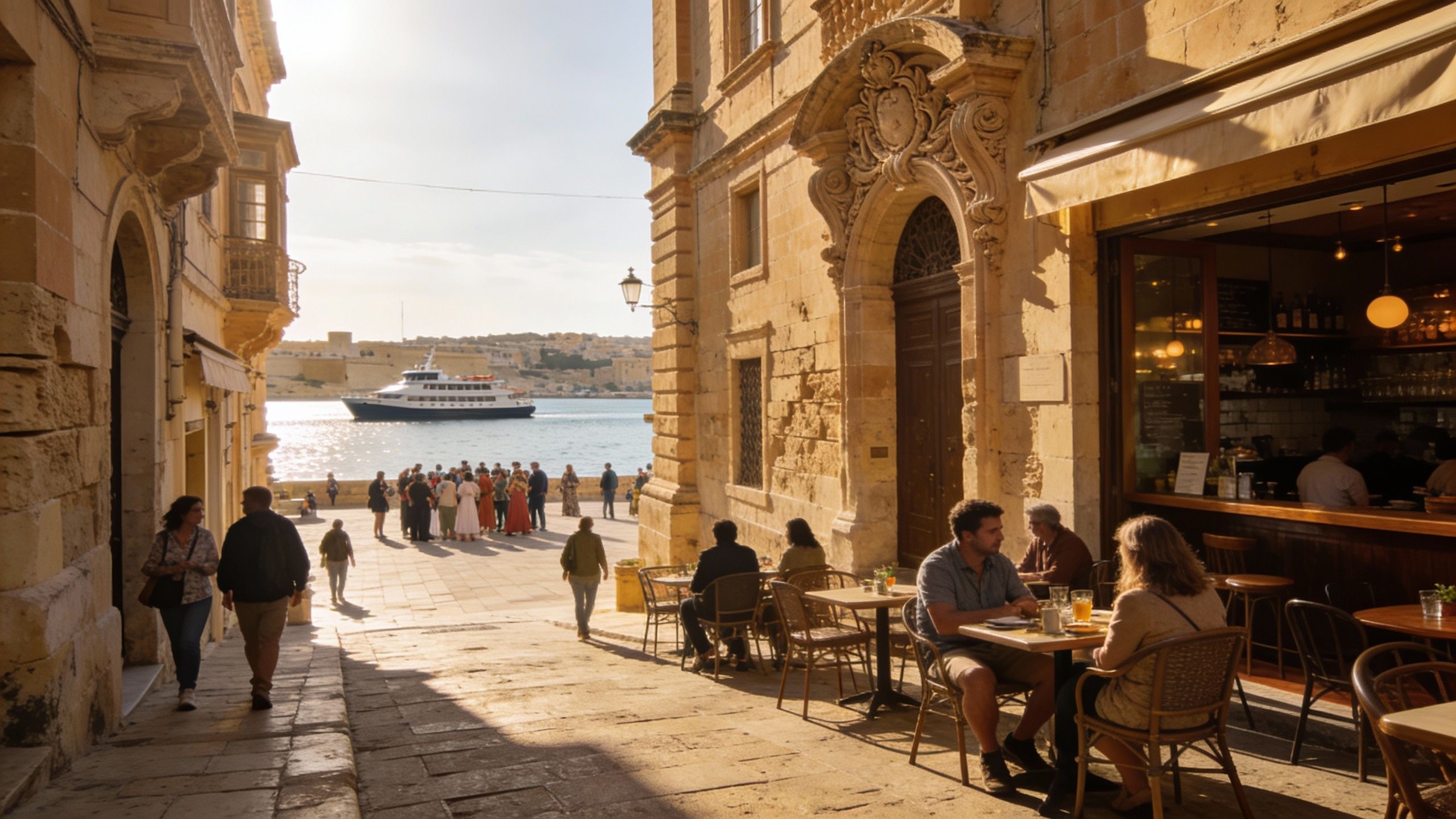
Imagine stepping out for an espresso on Triq il-Merkanti in Valletta, the limestone facades warm under a clear Mediterranean sky, then hopping a 25‑minute ferry to the calmer bays of Gozo that hum with local markets and fishing boats. Malta’s islands are compact — everything that matters fits within a short drive — but that small scale reshapes how infrastructure, tourism and property returns interact for international buyers.
Living the Malta lifestyle: compact, social, sunlit
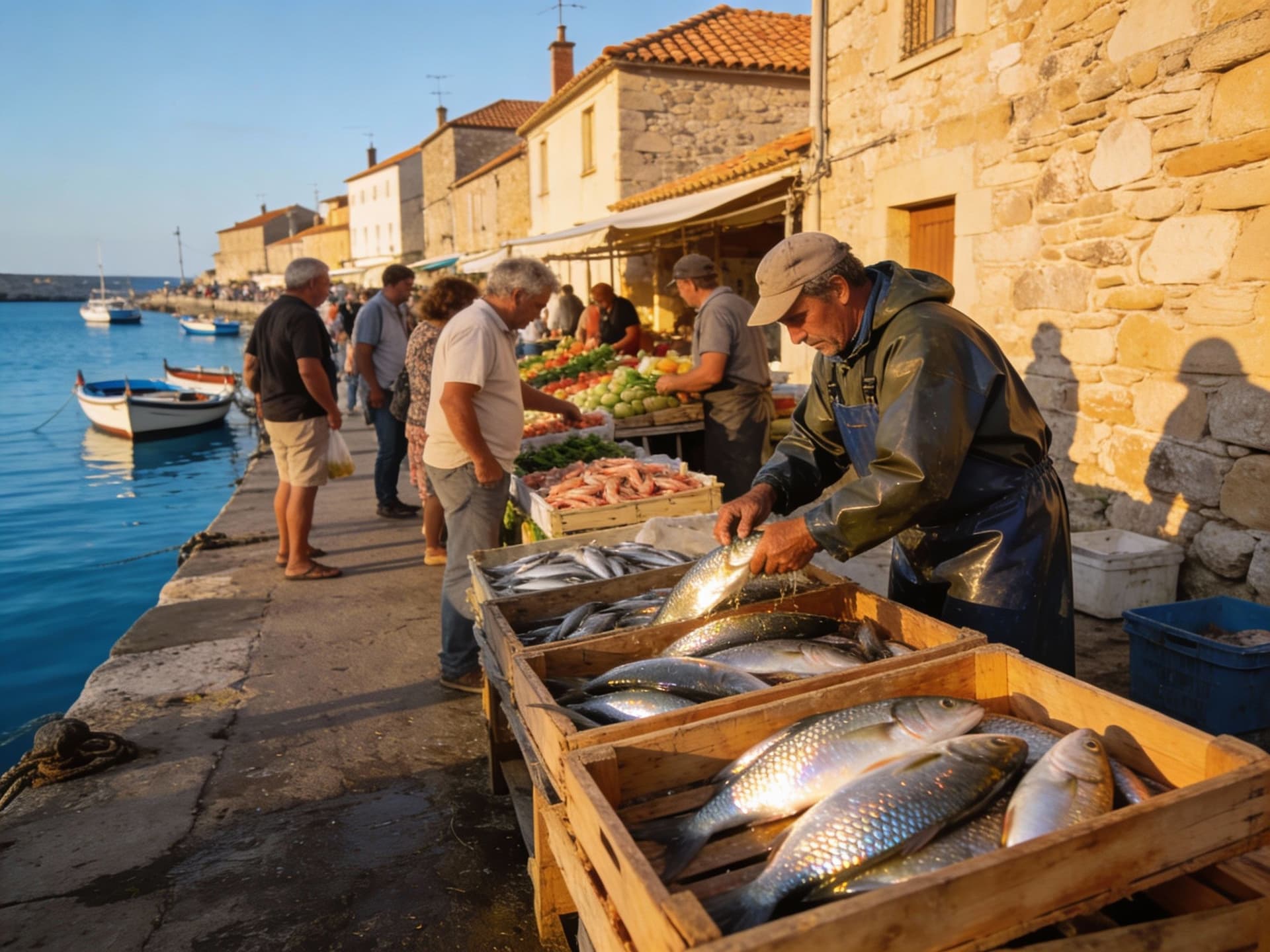
Daily life in Malta feels like a series of short, high‑value moments: a market run in Ħamrun, a swim at Gżira’s promenade at dusk, an aperitivo in Sliema. English is widely spoken, cafés on Merchants Street fill with mixed expat-local crowds, and weekends drift between farmer’s markets, chapel festas and the occasional late-night band in Paceville. That social density explains why compact apartments and maisonettes remain highly attractive to both long‑stay tourists and rental tenants.
Valletta & Three Cities: history, short-lets and concierge life
Valletta and the Three Cities (Birgu, Senglea, Cospicua) offer the strongest lifestyle draw for buyers who prize historic fabric and walkability. Tourism surged in 2024 — lifting footfall and short‑let demand — but that popularity brings seasonality and stricter local rules. If your plan mixes income and personal use, treat these areas as premium yield candidates in high months and occupancy risk in quieter seasons.
Sliema, Gżira & St Julian’s: commuter life, cafes and co‑working
Sliema and Gżira are where the island’s daytime economy hums: coworking spaces, ferries to Valletta, and apartment stock that appeals to remote workers and young professionals. Strong airport connectivity (MIA handled nearly 9 million passengers in 2024) keeps these neighbourhoods economically resilient, supporting both medium‑term rental demand and liquidity on resale.
- Market–lifestyle highlights: • Valletta: short‑let premium, heritage restoration potential • Sliema/Gżira: commuter rentals, cafés and coworking demand • St Julian’s/Paceville: high-season short lets, nightlife-driven peaks • Gozo: slower appreciation, strong holiday-rental niche • Pembroke/Balzan: family suburbs, better long-term stability • Marsaxlokk & Marsaskala: coastal living with growing ex-pat pockets
Making the move: infrastructure that reprices neighbourhood yields
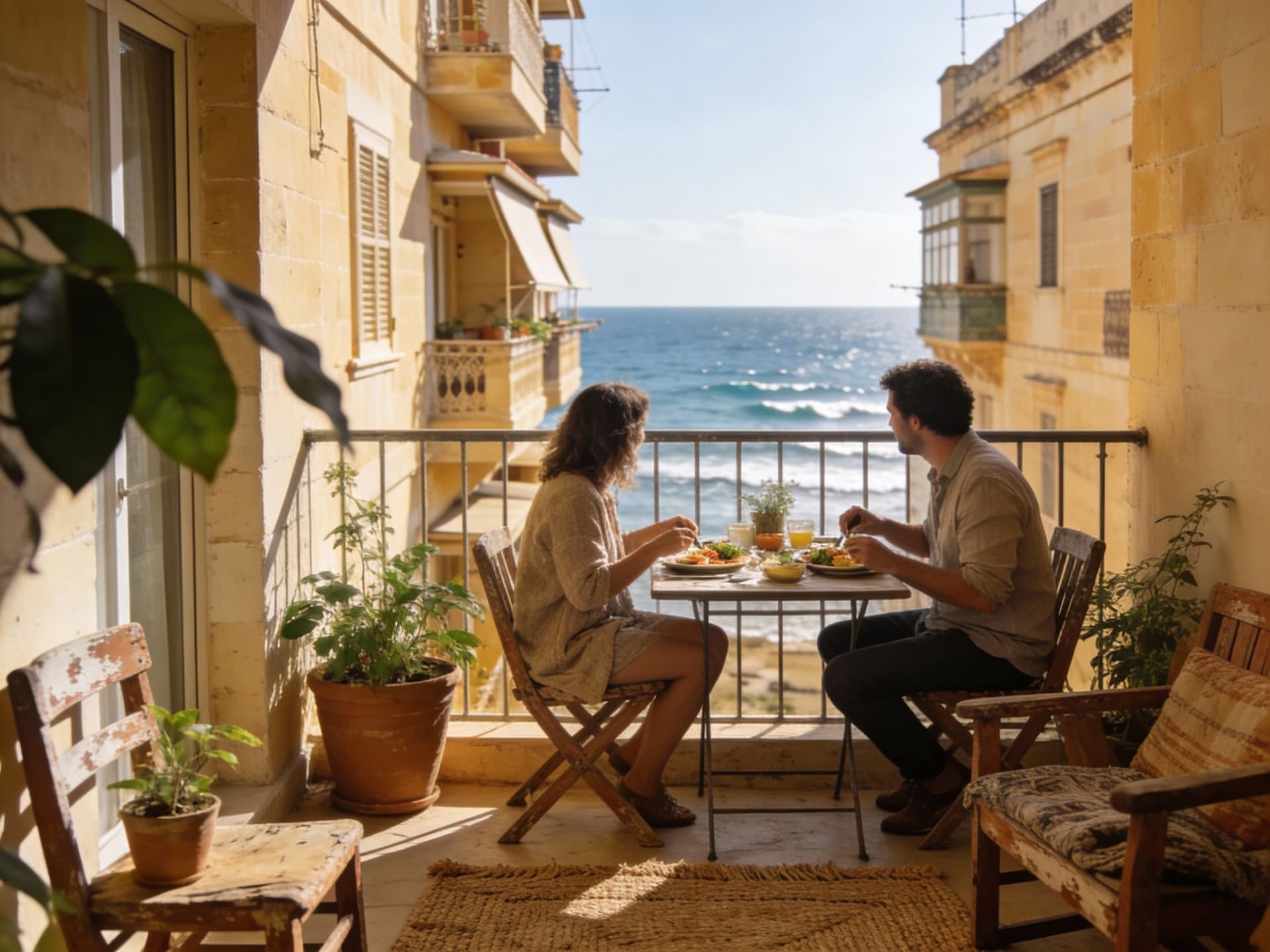
Malta’s residential prices have climbed steadily: quality‑adjusted indexes show mid‑single digit annual rises in recent years. That means a buyer’s entry price — and therefore initial yield — is highly sensitive to micro‑location and proximity to transport nodes that sustain rental demand. Expect price growth to outpace wages, which tightens affordability but supports capital appreciation for well‑located assets.
Property types and how they map to daily life
Historic townhouses and Valletta palazzini deliver character but often require renovation and have higher maintenance — appealing to owner‑occupiers. Modern apartments in Sliema and Swieqi offer plug‑and‑play rental readiness and better yields relative to price. Gozo’s larger houses work for buyers prioritising lifestyle and longer stays rather than maximum yield.
- Steps to blend lifestyle goals with yield discipline: 1. Prioritise commute time to business and leisure centres over headline size. 2. Stress‑test gross vs net yield using realistic vacancy (10–20%) and management costs. 3. Allocate 5–8% of purchase price for foreseeable renovations in heritage stock. 4. Confirm short‑let permissions before pricing projected income. 5. Use local agents who can verify seasonal occupancy and tenant profiles.
Insider knowledge: what expats wish they’d known
Expat buyers often underestimate seasonality’s impact on local services: tourism intensity can more than double effective population in summer months in hotspots, creating both rental upside and pressures on waste, transport and wear‑and‑tear. That’s why neighbourhood selection must consider municipal capacity and local planning sentiment as much as curb appeal.
Language, community and the small‑island effect
English being an official language flattens integration costs for many buyers, but Malta’s social fabric is dense: local festas, parish ties and building-level relationships matter. Expect quicker neighbour‑knowledge, both helpful (tenant referrals) and intrusive (stricter informal rules). Effective property managers are as much cultural translators as maintenance coordinators.
Longer-term: transport projects that could reprice returns
Large-scale transport proposals (a revised metro concept and ongoing airport capacity upgrades) make for headline risk and opportunity. If implemented, faster cross‑island links would compress commute‑premiums and lift prices in currently peripheral neighbourhoods. But timelines are long and plans evolve — treat such projects as upside scenarios, not certainties.
- Red flags and quick checks before you offer: • Confirm RPPI trends for the specific locality, not island averages. (NSO publishes local indices.) • Ask for recent rental contracts for the building to verify advertised yields. • Verify municipal waste and parking capacity — summer pressure changes operating costs. • Check short‑let licensing and any new local restrictions that can remove income streams. • Get written estimates for common heritage repairs before budgeting.
Conclusion — buy Malta for the life, stress‑test for the yield. The islands sell a compact Mediterranean existence: narrow streets, coffee culture, strong English usage and an outsized tourism economy that can lift both rental income and operating complexity. For international buyers the path to success is simple: pick neighbourhoods that match your revenue model, verify infrastructure and seasonality with local data, and work with agents who translate lifestyle promises into reliable cash‑flow assumptions.
Norwegian market analyst who relocated from Oslo to Mallorca in 2016, guiding Northern buyers through regulatory risk, currency hedging, and rentability.