Which Cyprus Rules Really Reprice Yield
Cyprus sells sunlit life — but short‑let rules and slowing price growth reprice returns. Stress‑test location, licensing and five‑year cashflows before buying.

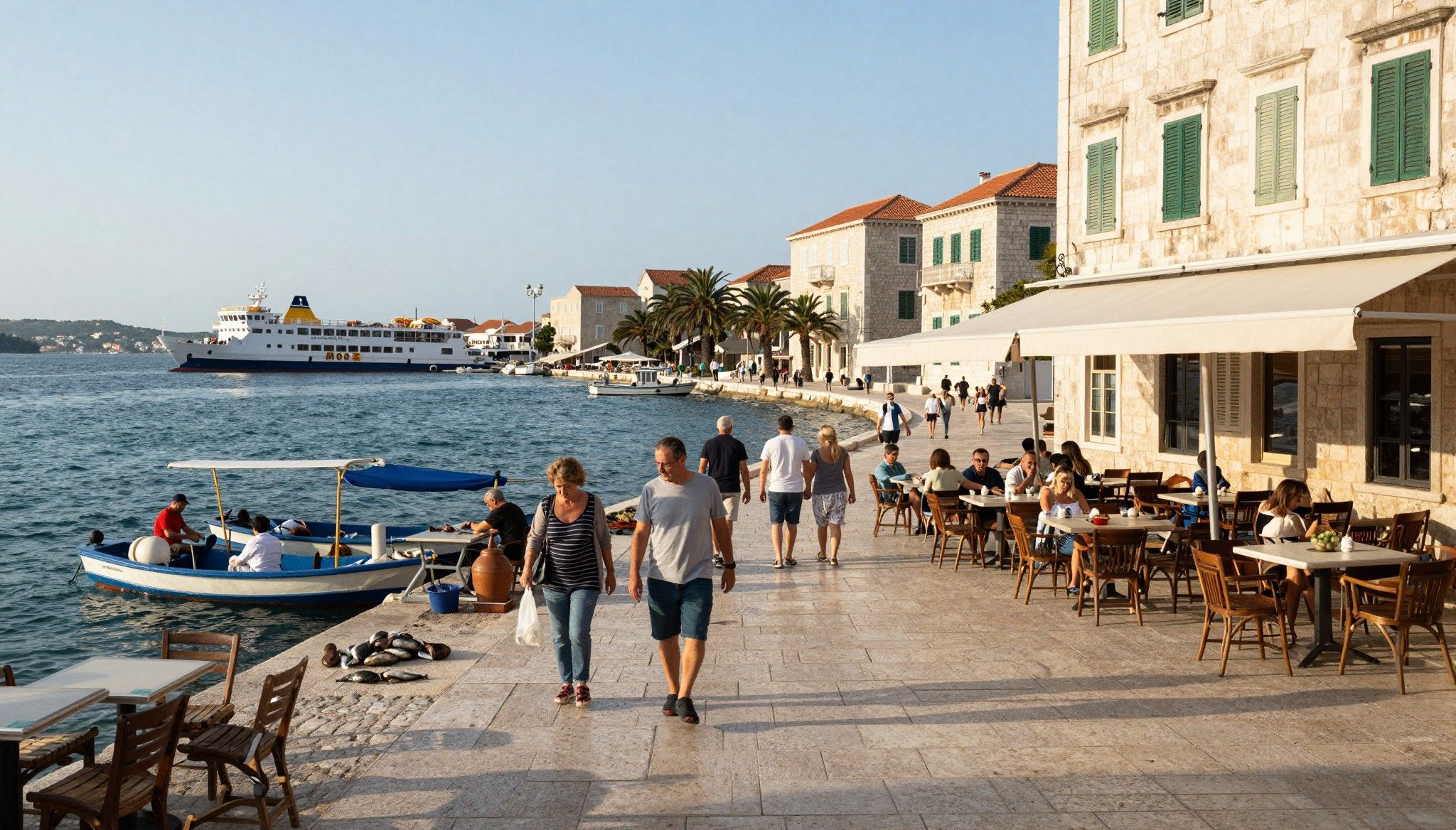
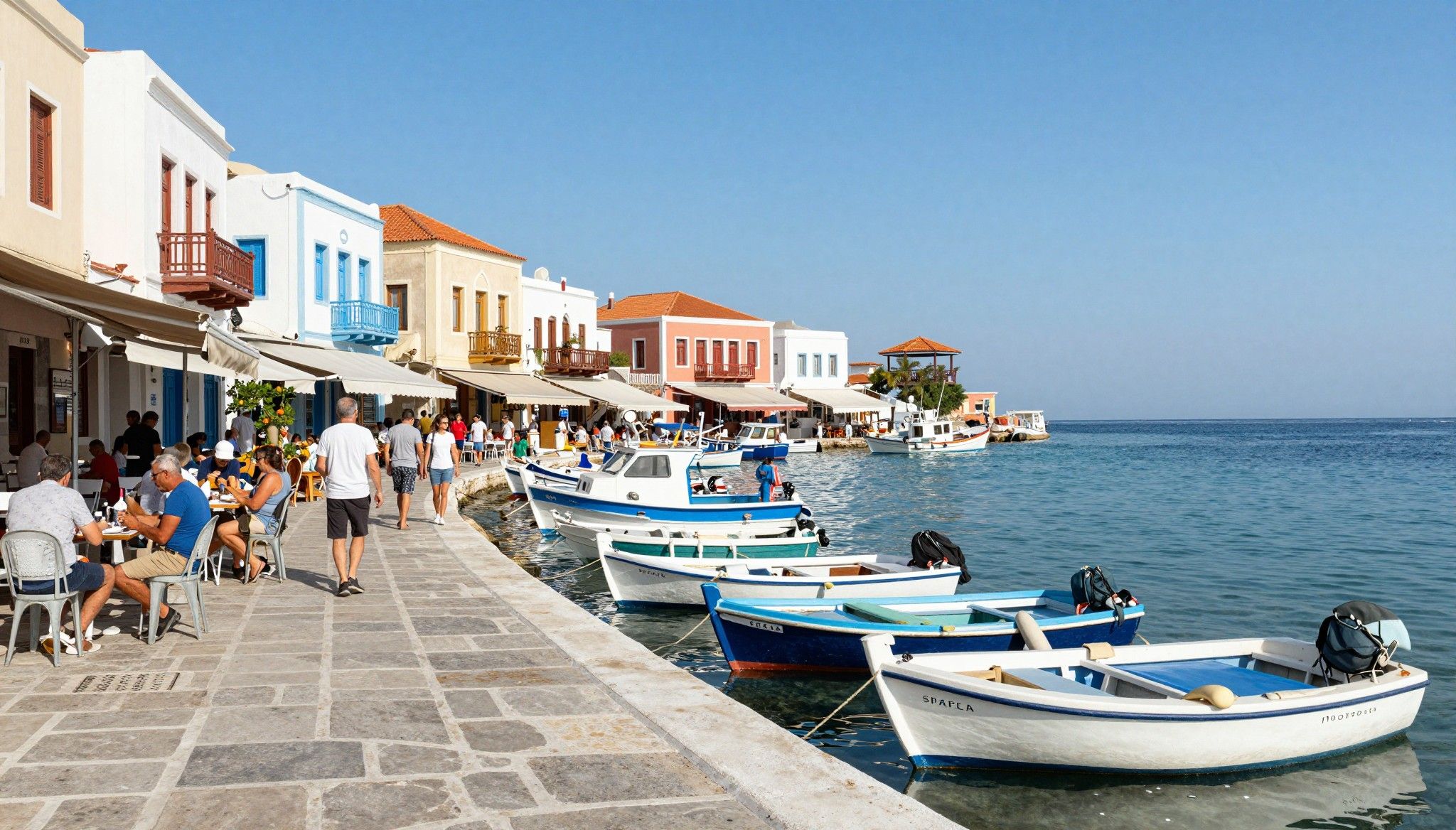
Imagine waking up in Limassol, walking to a sunlit cafe on Anexartisias Street, then signing a lease for a one‑bed apartment with sea glimpses. Cyprus smells of citrus trees and espresso; weekdays hum with local markets and weekend escapes to mountains or beaches. That lived detail is what draws international buyers but recent regulatory shifts and market momentum mean the purchase you imagine must be stress‑tested with data. This guide blends the island’s everyday pleasures with the concrete policy changes and market metrics that actually reprice returns.
Living Cyprus: sunlit streets, village rhythm, coastal pulse

Cyprus is simultaneously Mediterranean leisure and compact island economy. Nicosia’s afternoons feel administrative and cafe‑lined; Limassol trades yacht harbours for coworking hubs; Paphos keeps quieter, village‑flanked beaches. Daylight determines life here—markets bustle early, tavernas open late, and even property design favours terraces and shaded courtyards. For buyers, lifestyle choices — proximity to sandy shores versus village authenticity — materially affect rental demand, seasonal vacancy and therefore net yields.
Neighborhood spotlight: Limassol marina to Agios Tychonas
Walk the Limassol Marina and you’ll meet short‑stay tourists, waterfront restaurants, and high‑end condos that rent well to executives and holidayers. Move inland to Agios Tychonas and you find low‑rise villas, quieter streets and families — steadier long‑term lettings but lower peak nightly rates. These micro‑differences shape occupancy patterns; a five‑minute drive can flip a property from short‑let gold to stable long‑let workhorse.
Food, markets and the social calendar that sell a location
From Nicosia’s Eleftheria Square coffee scene to Paphos harbour fish tavernas, local gastronomy gives listings soul. Properties near weekly producers’ markets (e.g., Limassol’s Monday market) enjoy an authenticity premium that attracts long‑stay expats and seasonal repeat renters. Festivals—Easter processions, wine festivals in the Troodos—create seasonal demand spikes that can be monetized if zoning and licensing allow short lets.
- Lifestyle highlights: real places, real reasons buyers choose Cyprus
- Limassol Marina promenade — high ADR (average daily rate) potential for short lets
- Paphos Old Town — heritage appeal, steady long‑let demand from families
- Nicosia suburbs (Engomi) — proximity to universities and public services, reliable rentals
- Troodos foothills — second‑home market with seasonal peaks and renovation upside
Making the move: rules, yields and the regulatory shifts that matter

Market reports show prices and transactions continuing to grow into 2024, with apartments leading gains — a data point that should temper assumptions about which property types deliver the best net yield. The Central Bank’s Residential Property Price Index highlights apartment price growth, while industry reports record a modest drop in foreign buyer transactions. Two regulatory threads are particularly relevant for returns: short‑term rental rules (local and EU initiatives) and residency/investment visa policy changes that shift buyer pools.
Property styles and how regulation reprices them
Apartments: higher price per m² and greater price volatility, especially in Limassol and Larnaca where demand from short‑stay tourists is concentrated. Villas: larger capex and slower turnover but stronger long‑let yields in family markets like Paphos. New builds: attractive for warranty and energy compliance, but VAT and developer incentives can hide maintenance cost differentials. Regulatory limits on short lets or new EU frameworks may reduce peak ADRs, shifting some markets toward long‑let yield profiles.
Working with local experts who understand rule changes
An agent who monitors municipal licensing, planning exceptions and energy certificates saves you yield. Expect to ask an agency for: recent local council short‑let enforcement records, historic occupancy and ADR figures for the street or block, insurance and safety compliance records, and a breakdown of expected maintenance cycles given local climate. These inputs materially change net yields and should be modelled before purchase.
- Due diligence checklist blending lifestyle and regulation
- Confirm municipal short‑let licensing status and recent enforcement actions
- Request five‑year occupancy and ADR history for similar units on the block
- Model yields under two scenarios: permissive short‑lets vs. long‑term rentals
Insider knowledge: myths, expat learnings and regulatory red flags
Myth: "Limassol is always too expensive for yields." Fact: price per m² is higher, but rental demand and ADRs can offset purchase premiums if short‑let licensing remains viable; conversely, municipal crackdowns lower returns fast. Expat lesson: local custom (e.g., extended family occupying secondary homes in summer) creates predictable seasonality; anticipate vacancy and build conservative cashflow buffers. Regulatory red flags include sudden zoning changes and municipal moratoria on new short‑let registrations.
Cultural integration and the social signals that matter for renting
English is widely spoken in business and tourist areas, but local networks — family, church, village associations — still govern long‑let referrals in many towns. Properties on streets with active neighbourhood associations may face informal rules about visible signage, noise and subletting. Learn these social codes early: they influence tenancy stability and the kinds of tenants you attract.
Long‑term lifestyle and regulatory outlook
Expect a medium‑term cooling where price growth decelerates as borrowing costs and construction prices remain elevated — the Central Bank’s indices already show slowing quarterly gains into 2024. EU‑level pressure to regulate short‑term rentals could standardise restrictions across member states, reducing arbitrage opportunities. For investors, that means shifting emphasis from speculative ADR plays to robust long‑let fundamentals: location, accessibility, and serviceable maintenance plans.
- Regulatory red flags to watch on any Cyprus purchase
- Local council moratoria on short‑let registrations or change‑of‑use restrictions
- Recent retroactive enforcement cases against short‑let operators
- New national or EU measures limiting nights per year or requiring compensation housing
Conclusion: buy the lifestyle, stress‑test the rules. Cyprus offers a singular Mediterranean life — coastal mornings, village tavernas and compact, walkable towns — that genuinely attracts international buyers. But regulatory shifts around short‑term rentals and decelerating price growth change the equation for returns. Treat the purchase as two problems: securing the lifestyle you want, and locking in a regulatory‑aware yield model. Start by asking any agency for recent municipal enforcement records, a five‑year occupancy series for the street, and two conservative cashflow scenarios.
Swedish financier who guided 150+ families to Spanish title deeds since relocating from Stockholm in 2012, focusing on legal and tax implications.