Malta: Hidden Tax Tradeoffs That Reprice Yield
Malta offers compact Mediterranean life but modest net yields; model 15% withholding, stamp duty reliefs and local costs to reconcile lifestyle with realistic returns.
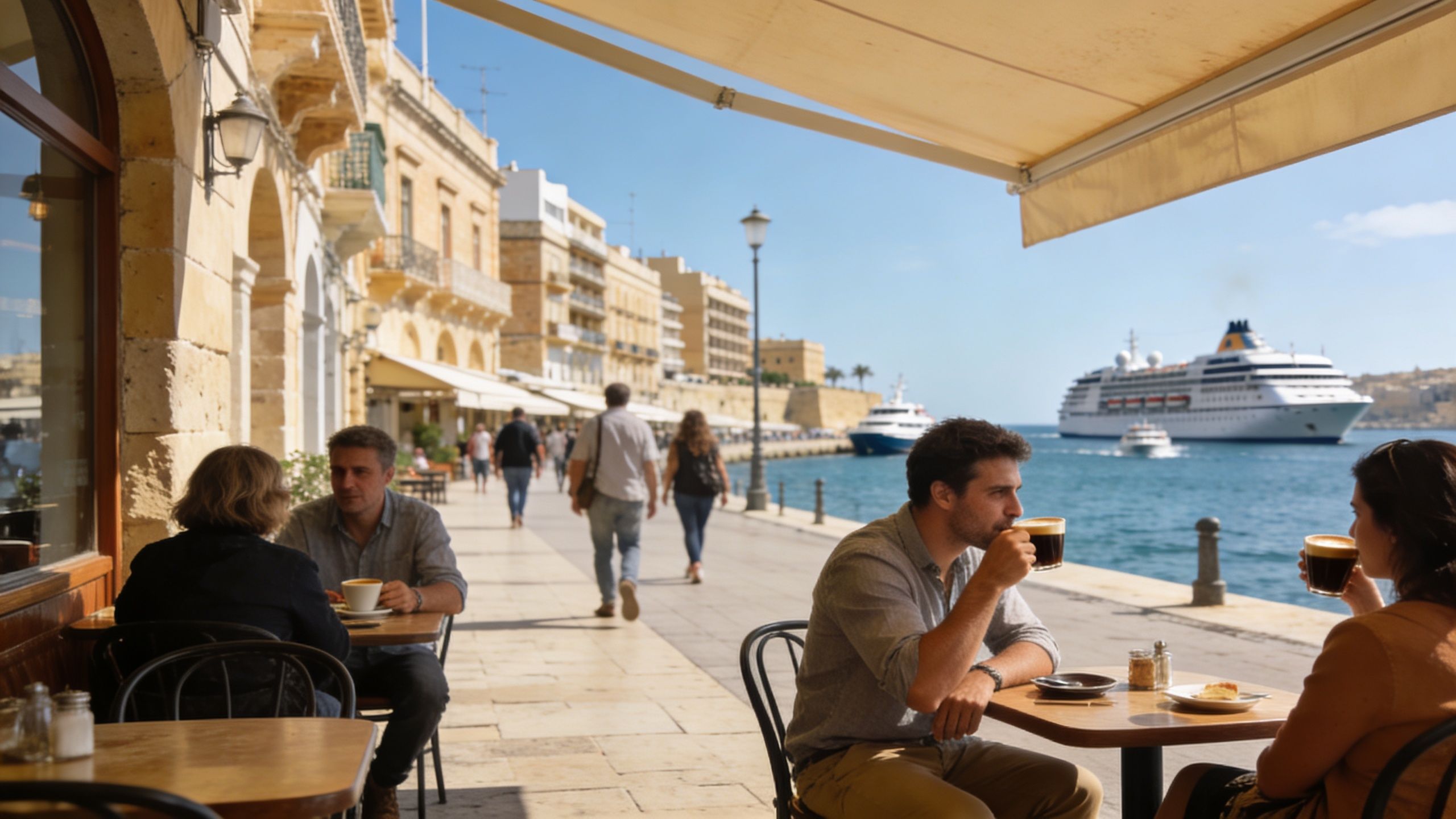
Imagine stepping out for an espresso on Triq ir-Repubblika in Valletta, then crossing a street where a 17th‑century façade meets a hip café. Malta sells itself with compact neighbourhoods, seaside promenades and English‑friendly daily life — but beneath that sunlit surface lie regulatory and tax tradeoffs that materially change investment math. This piece pairs sensory, street‑level scenes with hard numbers and local rules so buyers can fall for Malta without mistaking charm for yield.
Living the Malta lifestyle

Daily life in Malta is compact and social: morning markets in Marsaxlokk, lunchtime shuffles across Sliema seafront, late‑night band marches in small town squares. The island’s scale means everything feels walkable yet intensely local — you know the barista, the ferryman and the Saturday fishmonger. For buyers, that intimacy affects property choice: narrow traditional townhouses trade square metres for proximity, while modern apartments offer rental liquidity but lower neighborhood character.
Valletta, Sliema and St Julian’s: three different Maltas
Valletta feels historic and slow — tiny rooms, stone staircases, tidal tourist footfall and low sustained rental yields relative to price. Sliema is the commercial spine: modern apartment blocks, seafront promenades and steady expat demand but high price per square metre. St Julian’s (Paceville) is nightlife‑heavy and seasonal: short‑let demand can spike but long‑term net yields suffer after taxes and operating costs.
Food, weekends and the pace that shapes property choices
Weekends are market days, family lunches and bay swims; this affects where tenants want to live. Areas with easy access to beaches and good cafés — St Paul’s Bay, Mellieħa, and parts of Gozo — attract families and remote workers more reliably than party zones. For investors, lifestyle demand dictates tenancy type: families and long‑term tenants favour quieter coastal towns while young professionals cluster in central waterfront neighbourhoods.
- Lifestyle highlights to weigh into location choice: Valletta’s heritage streets; Sliema seafront strolls; St Julian’s short‑let scene; Gozo’s slower pace and remote‑worker pull; Marsaxlokk fish market mornings; Mellieħa bay access for families.
Making the move: practical considerations that reprice the dream
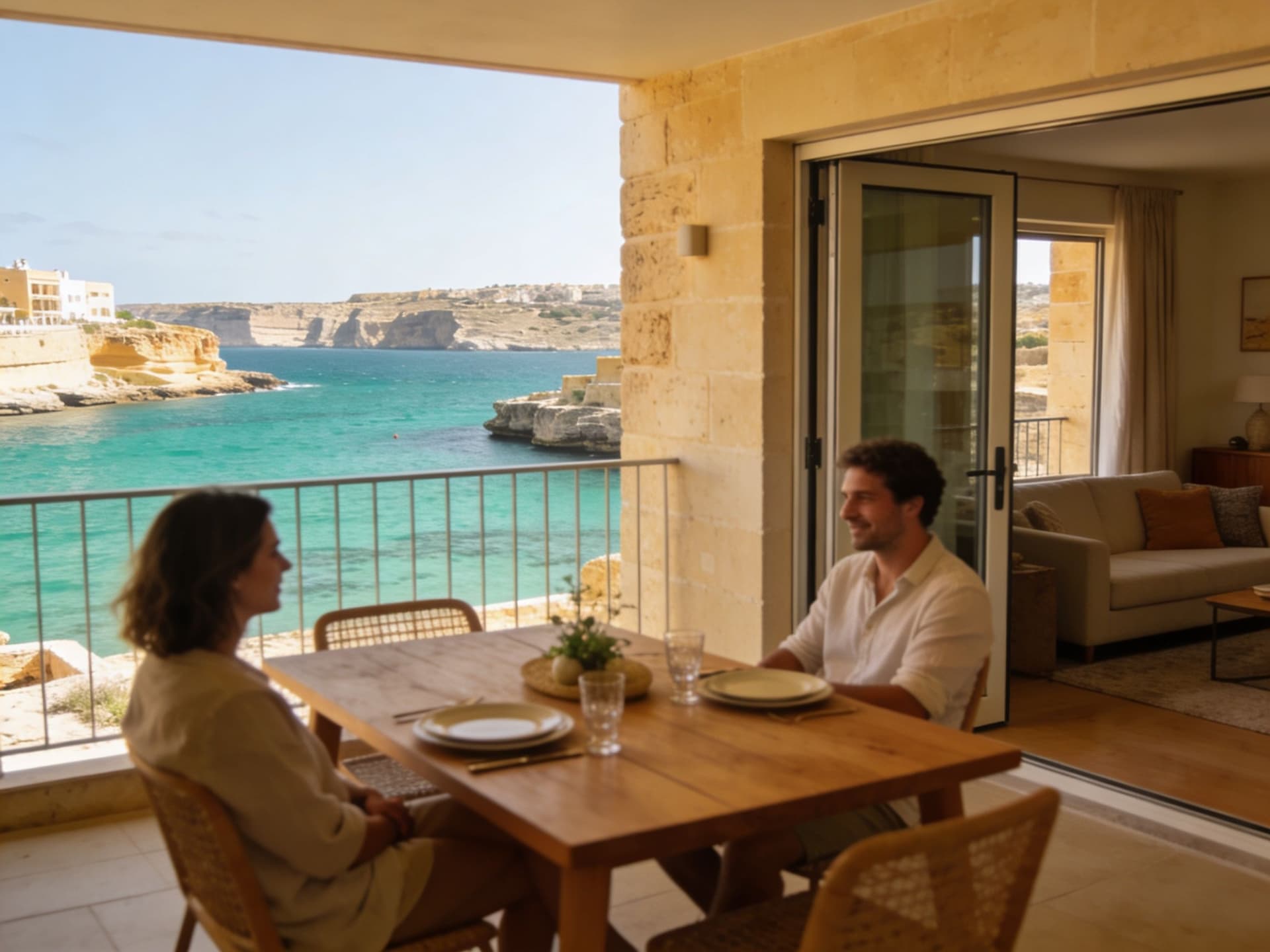
Malta’s gross rental yields look modest on paper — recent surveys put many apartment yields around 3.8–4.3% gross, with strong variance by area. But net yield is what lands in your account: withholding taxes, management, condominium fees and maintenance routinely shave 1.5–2 percentage points off gross figures. Use published yield benchmarks alongside local cost assumptions to stress‑test any purchase.
Tax levers that change the sum
Key fiscal rules to model: buyers typically pay 5% stamp duty (lower rates or exemptions apply for first‑time buyers and certain Gozo/heritage schemes), and landlords can opt for a 15% final withholding tax on gross rental income or declare net profit at marginal rates. Capital gains are taxed under specific rules and stamp duty often applies on transfers to heirs, so succession planning alters long‑term returns.
- Practical steps to reconcile lifestyle and yield
1) Start with area‑level gross yields, then subtract realistic cost buckets (15% withholding, 8–12% management, €300–€1,200 annual condo fees). 2) Model scenarios: short‑let vs long‑let occupancy across seasons — St Julian’s can swing heavily. 3) Factor in stamp duty reliefs if you qualify as a first‑time buyer; this can materially reduce upfront cash needs. 4) Run a five‑year cash‑flow and exit cost projection including potential capital gains tax triggers.
Insider knowledge: the small rules that reprice returns
Expats often under‑estimate administrative frictions: AIP permits for non‑EU buyers, notarial timelines, and tight planning controls in Urban Conservation Areas can delay occupancy and add cost. Renovating a UCA property may qualify for grants but takes time. These constraints increase holding costs and reduce effective yields even before you factor in taxes.
Cultural and practical tips from buyers who stayed
Buyers who live in Malta advise: prioritise good ventilation and shutters for summer heat, budget for frequent limestone maintenance, and expect strong neighbourhood ties — local goodwill speeds problem resolution. If you plan to let, pick apartment blocks with sensible condominium governance; poorly managed common parts are a recurring drain on returns. Finally, insist on transparent utility and property management reporting if you intend to manage remotely.
Longer‑term considerations that protect lifestyle value
Think of Malta as a high‑taste, lower‑yield market: capital appreciation can be attractive in certain pockets, but rental cash‑flow is modest compared with the continent’s higher‑yield markets. Protecting lifestyle value means buying where local amenities and transport are stable, understanding planning constraints, and building a 3–5 year maintenance reserve into your financial model.
- Red flags and quick checks before an offer: unclear condominium accounts; absence of AIP pre‑clearance for non‑EU buyers; properties in UCAs without clear restoration permits; unrealistic gross yield claims that ignore 15% withholding tax.
Conclusion: Malta asks you to trade some yield for an extraordinary Mediterranean lifestyle. If you build a conservative, tax‑aware model and choose neighbourhoods that fit your tenant profile, the island can deliver steady returns and a life you’ll enjoy. Next step: assemble a notary, a tax adviser familiar with Maltese withholding and stamp duty rules, and a locally reputed agent who can match lifestyle brief to realistic net‑yield scenarios.
Norwegian market analyst who relocated from Oslo to Mallorca in 2016, guiding Northern buyers through regulatory risk, currency hedging, and rentability.