How regulatory shifts reprice Cyprus yields
Cyprus’s sunlit lifestyle masks regulatory shifts—tighter foreign‑purchase rules and short‑let enforcement now redefine net yields for international buyers.

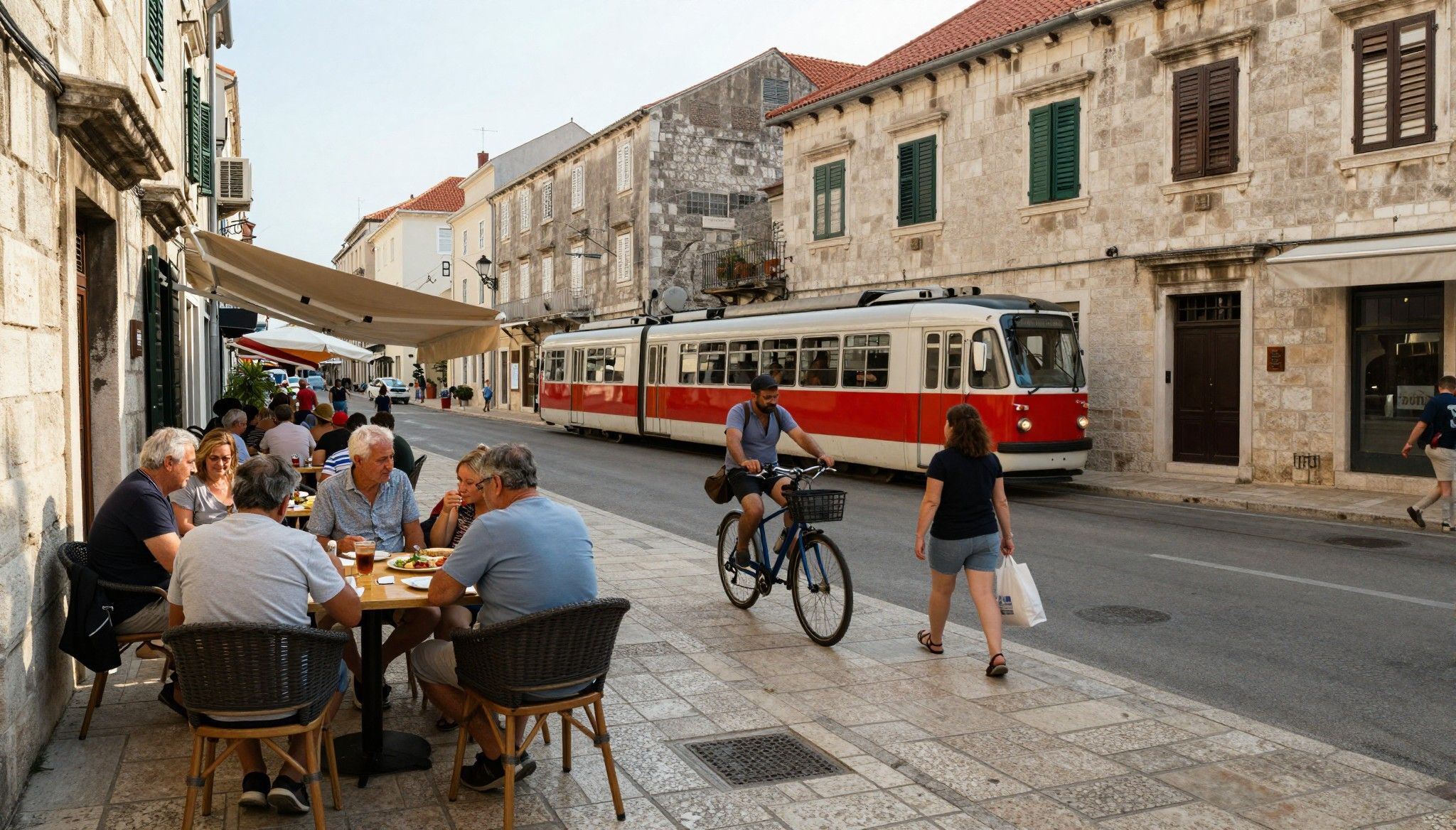
Imagine sipping espresso on Agios Ioannis’ narrow pavement while a sea breeze carries the scent of baking halloumi — and then imagining the fine print that comes with owning that apartment. Cyprus’s sunlit lifestyle is immediate; the regulatory shifts that shape returns are quieter, but they reprice yield just as surely as a new beachfront development.
Living Cyprus — the rhythms that sell the lifestyle

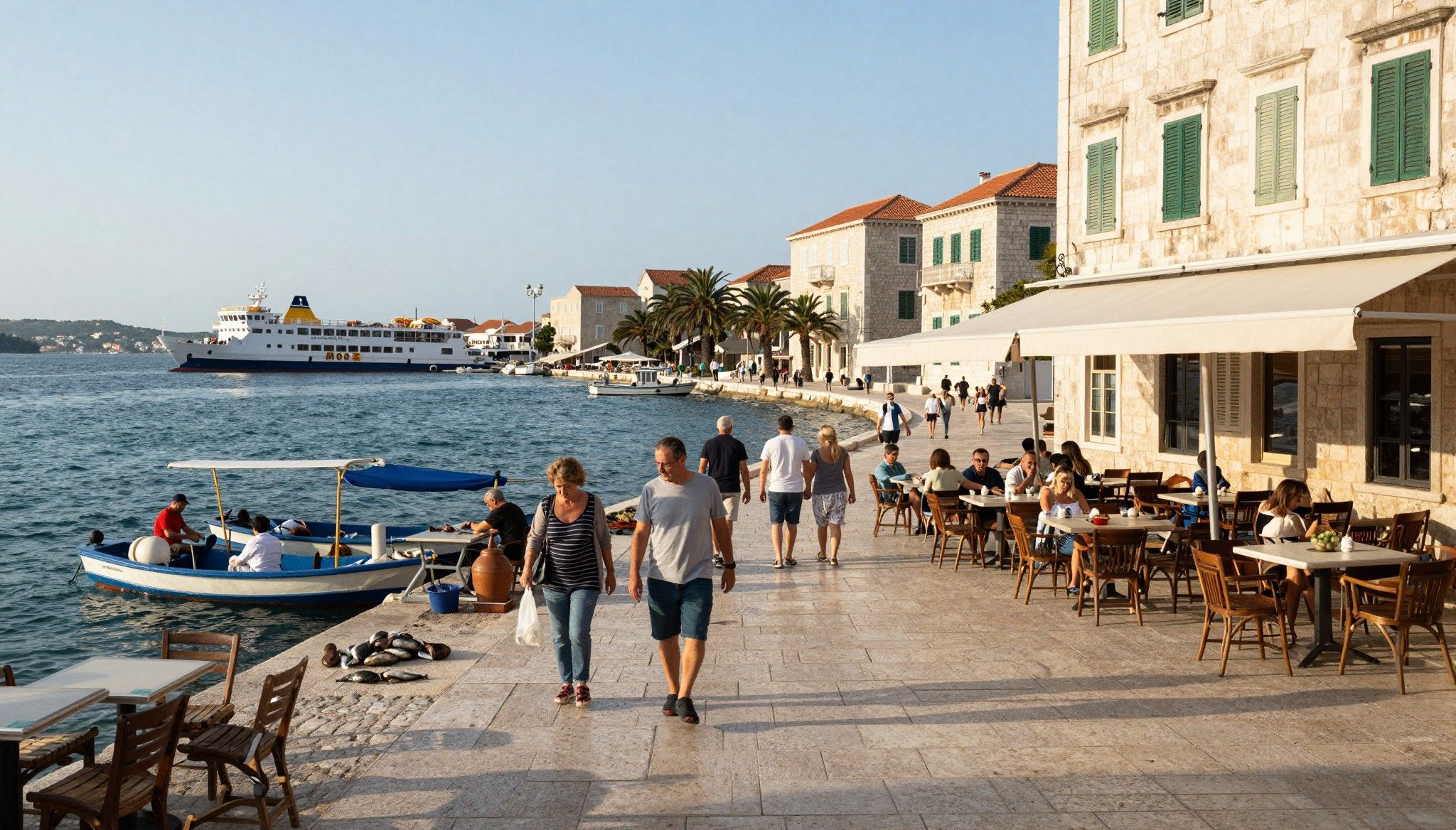
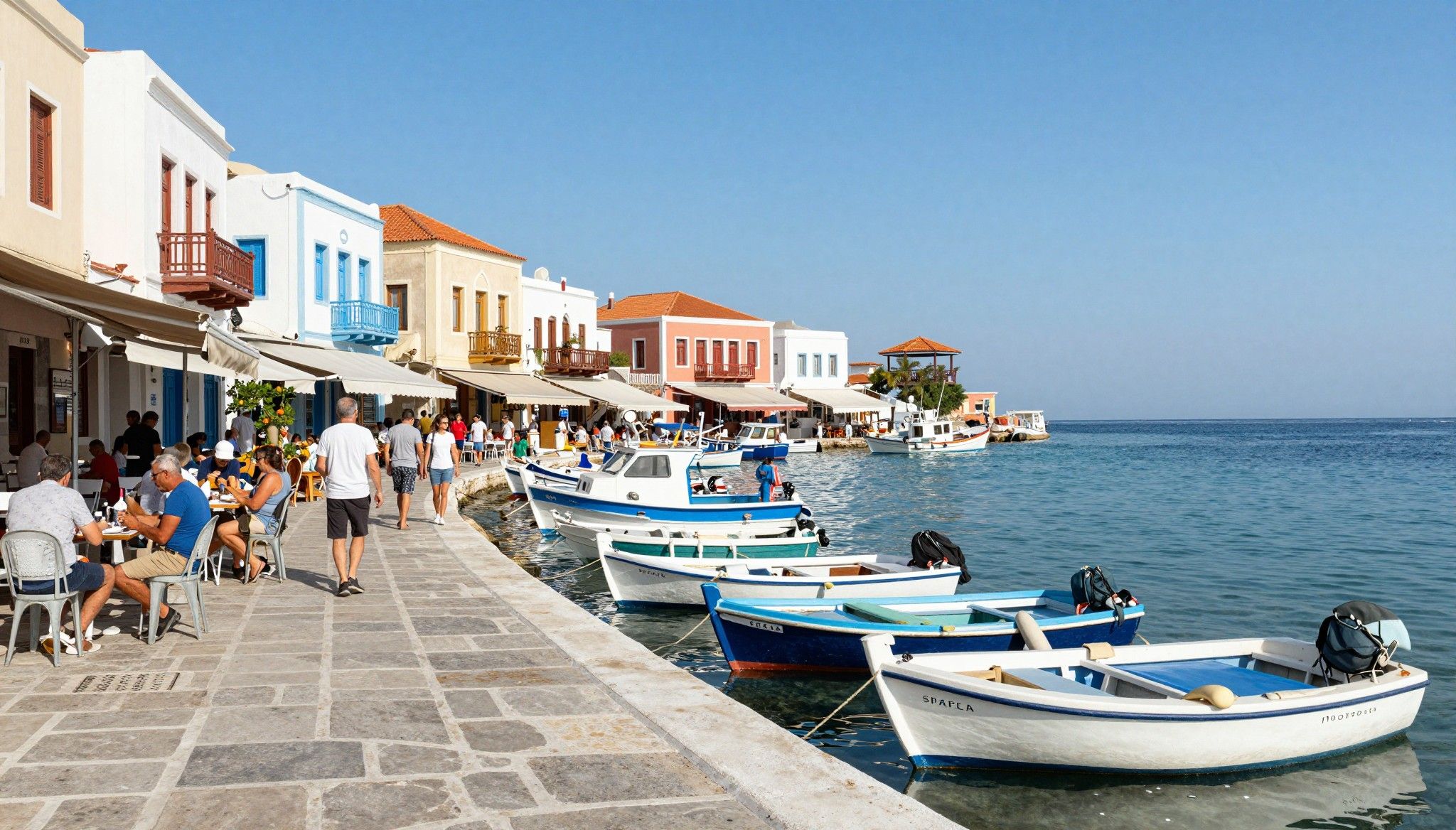
Cyprus days move slowly: morning markets in Limassol, late lunches in Larnaca, and fishermen selling catch at Paralimni. Neighborhoods tilt between coastal leisure and inland village rituals — a buyer who loves café culture will prefer Nicosia’s Old Town or Limassol’s Marina fringe; someone wanting calm chooses Paphos suburbs or Troodos foothills. Those rhythms determine demand: holiday-makers cluster on the southern coast, long-stay expats favor quieter inland towns, and short-term rentals pulse around touristic nodes.
Neighborhood spotlight — Limassol promenade to Old Nicosia
Limassol’s promenade combines yacht moorings, compact apartments, and steady rental demand from corporate short-term lets. Old Nicosia offers stone facades, boutique cafés and steadier long-term rentals for professionals. These contrasts drive investor choices: expect higher headline rents per sq.m on the seafront but more stable occupancy inland.
Food, markets and seasonality that shape demand
Seasonality is tangible: beach towns swell in July–August while mountain villages hum in winter festivals. The Ministry of Tourism now enforces registration for short‑term lets, which alters returns where Airbnb-style income previously looked effortless. Compliance matters: a missing licence can wipe out projected yield through fines or forced de-listing.
- Limassol Marina cafés and sunset promenades
- Nicosia Old Town weekday market and steady tenant pool
- Paphos coastal trails and owner-occupier communities
- Troodos foothills—cooler summers, long-term rentals for locals
Making the move: rules that change returns

Recent legislative proposals and enforcement drives have two clear effects for international buyers: ownership access and income predictability. Bills introduced in Parliament seek to tighten purchase rules for non‑EU owners and strengthen transfer-stage checks; concurrently, tourism authorities have tightened enforcement on short‑term lets. Both trends reduce structural risk but raise transaction friction and compliance costs that must be modelled into net yield.
Property types and what they mean for returns
New-build seafront apartments often command higher gross rents but face VAT, retention clauses for residency-linked investments, and heavier competition from regulated hotels. Traditional village houses deliver lower headline rents but better long-term occupancy. Model net yield by subtracting compliance probabilities and potential fines from forecast gross income.
Work with experts who translate lifestyle into contract clauses
A local lawyer plus an AML‑savvy notary will spot transfer risks (e.g., indirect ownership structures or disputed land near the buffer zone). Agents who understand ministry registers can help secure the correct short‑let licence, while tax advisers quantify residency benefits versus reporting obligations. Building these professionals into acquisition budgets protects projected returns.
- Run a compliance-adjusted yield model: (1) forecast gross rent, (2) subtract VAT/compliance costs and potential fines, (3) include vacancy and management, (4) stress‑test with tighter short‑let rules and a 10–20% drop in peak-season revenue, (5) compare to long-term rental alternatives.
Insider knowledge — what expats wish they’d known
Many expats underestimate geopolitical and title nuances on the island. Sales promoted in the Turkish‑administered north carry legal risk; recent prosecutions underline that buying here is not just a paperwork exercise but a national‑security and restitution issue. Verified title deeds and clear chain-of-ownership are non-negotiable.
Cultural integration, language and daily life
Cyprus is English‑friendly in business and real estate, but everyday life rewards local relationships: a trusted local repairer, a neighbourhood kafeneio in Paphos, and a municipal permitting clerk who knows your file. These human networks reduce management costs and tenant churn — an underrated contributor to net yield.
Long-term view — tax reforms that change the math
Cyprus’s non‑dom regime remains a powerful structural benefit for many high‑net‑worth buyers — exemptions on SDC (Special Defence Contribution) for dividends and interest can materially alter post-tax returns. Proposed reforms aim to preserve core non‑dom advantages while introducing administrative fees and clearer residency tests; factor these into after‑tax IRR calculations.
- Check title deed authenticity and buffer‑zone exposure
- Model short‑let compliance risk and allocate a compliance reserve
- Use local AML‑aware counsel for corporate or trust structures
- Stress test yields for 10–20% seasonality shock and new local restrictions
- Practical next steps: (1) shortlist neighbourhoods by lifestyle and rental profile, (2) commission a title and risk report, (3) get a compliance cost estimate (licences, potential fines), (4) finalise a local advisory team before making offers.
Conclusion — Cyprus sells a life; good diligence protects the return. The island’s climate, food and neighbourhoods are the asset’s raison d’être. But recent regulatory tightening around foreign purchases and short‑term lets, plus evolving tax rules, mean international buyers should bake compliance and title clarity into every yield assumption. Fall for the place first; model the rules second.
British expat who moved to the Algarve in 2014. Specializes in portfolio-focused analysis, yields, and tax planning for UK buyers investing abroad.