Italy: Where Lifestyle Meets Yield—Micro‑Location Matters
Italy’s romance meets rigorous underwriting: regional price divergence, tightening short‑let rules and micro‑location drivers determine where lifestyle equals yield.

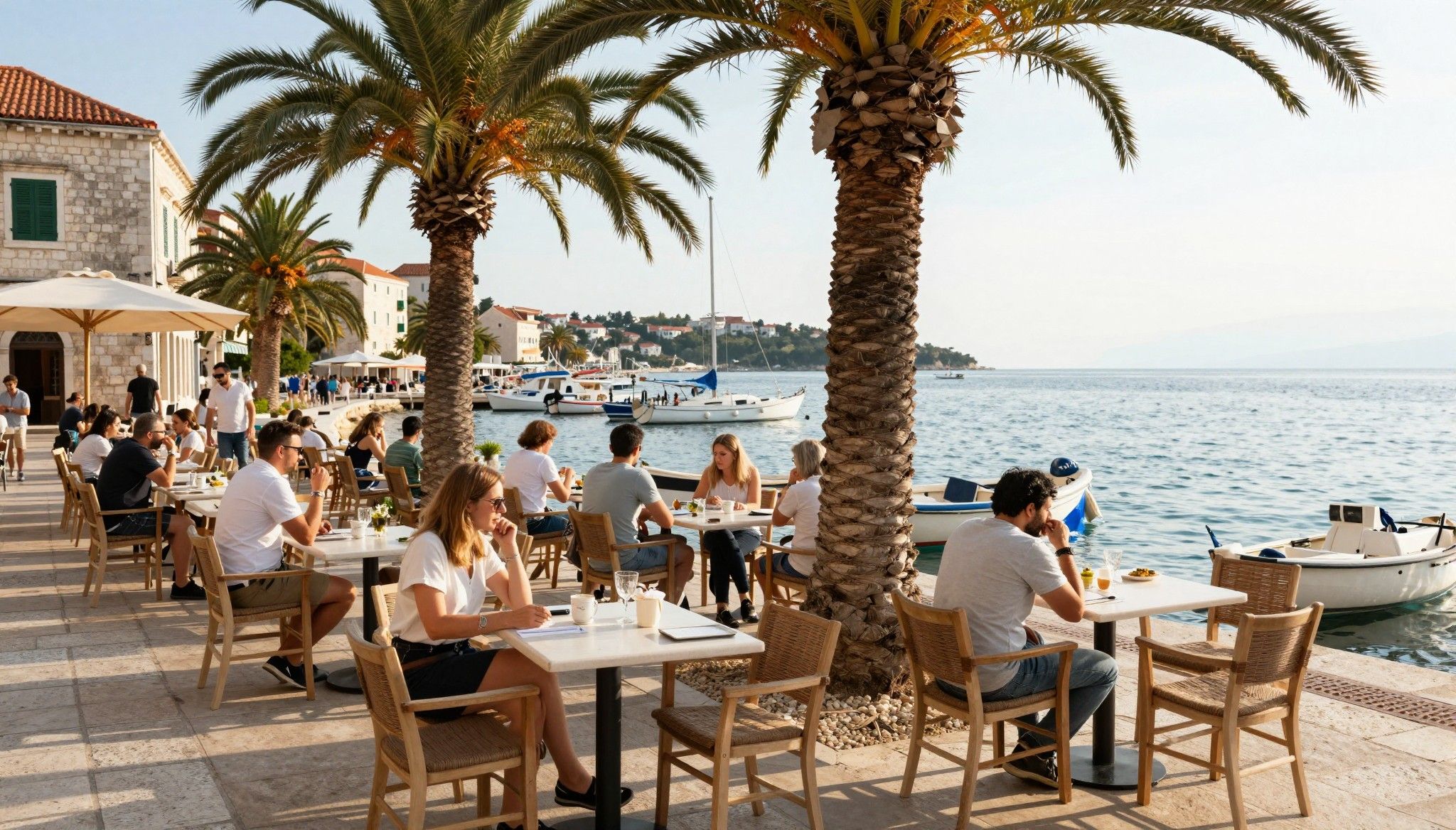
Imagine sipping an espresso at a sidewalk table in Trastevere at 9 a.m., then closing a laptop at noon to walk the Tiber—Italy is equal parts ritual and rhythm. That sensory daily life—market noise, late‑afternoon apertivi, and neighbourhood rituals—defines what you buy here and how it earns. For many international buyers the emotional pull is clear; the investment case depends on where that scene intersects price, rental demand and regulation. Recent national data show prices and rents are rising unevenly, so location choice matters more than ever.
Living the Italy lifestyle: how place shapes choices

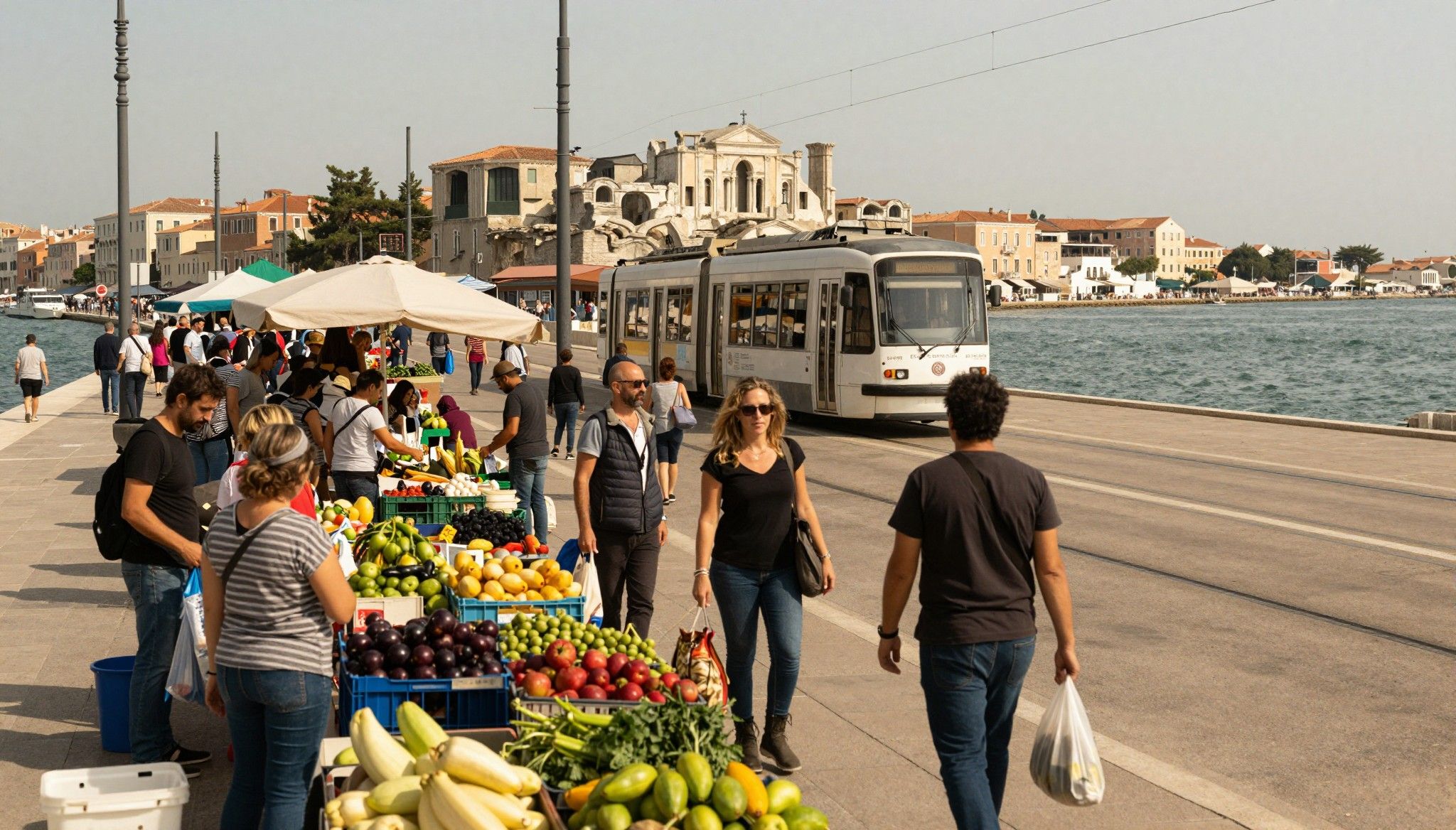
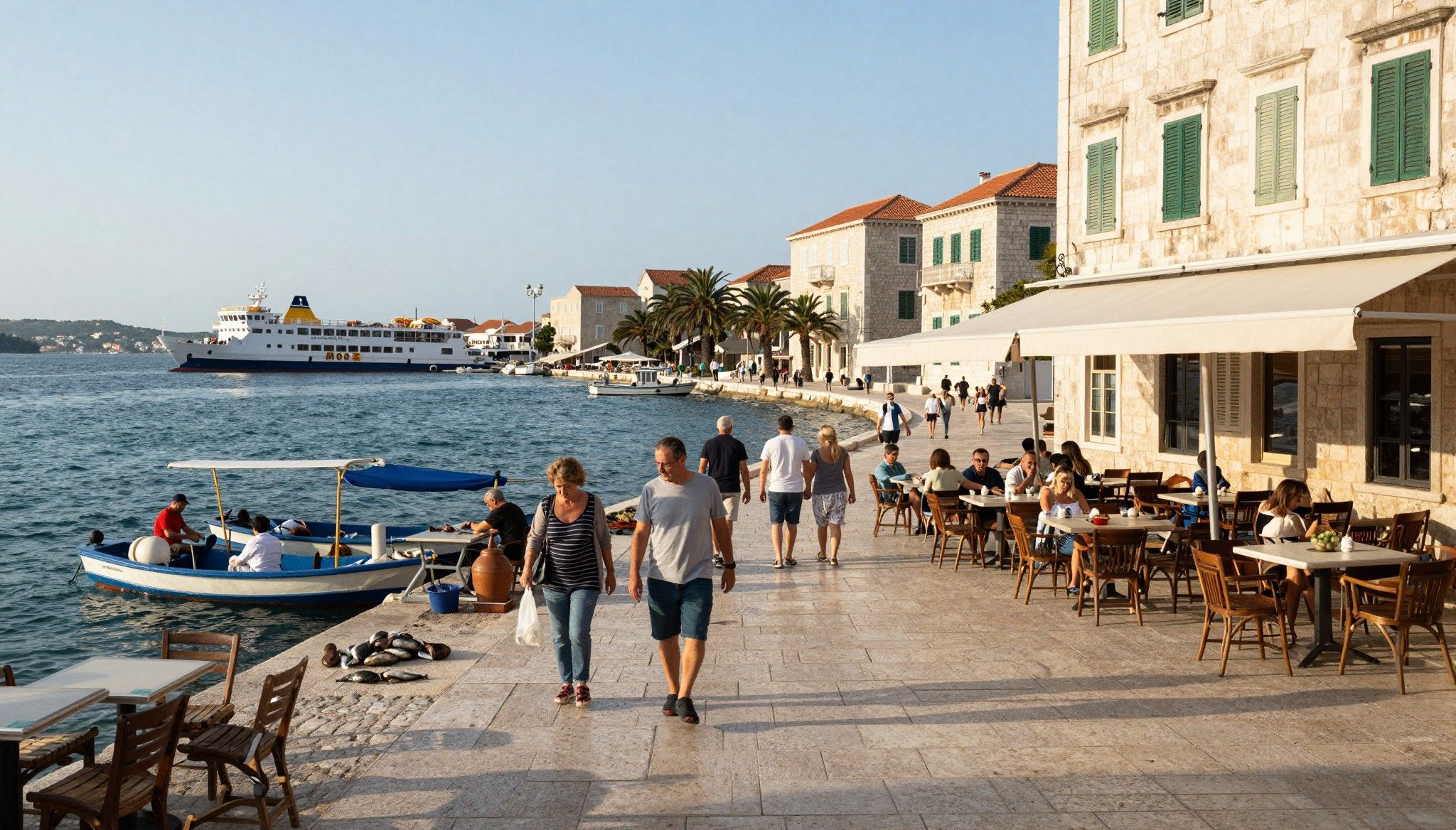
Street-level Italy is local and immediate: morning markets on Via San Cosimato in Trastevere, construction noise mixing with cathedral bells in Florence, fishermen at Porto San Giorgio hauling in the day's catch. Those textures influence what tenants want—short‑term tourists look for character and proximity to sights; long‑term renters prize transport, schools and groceries. In practice, a piazza and a good barbershop can be as valuable as extra square metres when assessing rental appeal.
City centres vs. coastal towns: neighbourhood personalities
Milan's Brera offers design‑minded energy and year‑round corporate demand; the historic core of Naples sells intense local culture with episodic tourist peaks. Coastal towns like Polignano a Mare or parts of Liguria trade high season rental premiums for winter vacancy risk. Understanding those personality differences tells you whether a property will be occupied twelve months or six.
Food, markets and micro‑location: everyday luxuries that rent
Breakfasts at Bar Pasticceria Marchesi in Milan or a fish counter at Mercato di Testaccio are not tourist theatre—they're recurring demand drivers. Apartments one or two streets from strong food markets and busy cafés tend to secure longer lets and premium nightly rates. For investors thinking beyond capital appreciation, these micro‑locational perks reliably boost occupancy and net yield.
Making the move: where lifestyle meets market reality

Italy's headline figures mask regional divergence. National indices show modest growth, but Milan, Florence and certain Alpine resorts command multiple times the national €/m². Rome’s centre saw price rises in 2024 while many provincial towns remain materially cheaper. Translate that into investor terms: cap rates vary widely; a 3% gross yield in central Milan can look different to 6–8% in mid‑tier southern towns when adjusted for occupancy and maintenance.
Property styles and what they mean for returns
Historic centre apartments (high per‑m², limited supply) attract long‑term capital growth but often need substantial renovation and carry higher taxes on higher purchase prices. New builds on city fringes are cheaper per square metre and easier to manage for long lets, but face slower capital appreciation. Coastal and mountain holiday homes deliver seasonal rental spikes but require a buffer for off‑season vacancy and higher management costs.
Practical steps to align lifestyle with yield
1) Map demand: check seasonal occupancy in target town (tourist vs resident months). 2) Calculate all‑in cost: purchase price, renovation, annual IMU/garbage taxes, property management. 3) Stress‑test yield: model 50–70% occupancy for short‑lets, 90%+ for long lets. 4) Choose neighbours: proximity to markets, transport and hospitals predict longer tenancies. 5) Factor regulation: recent platform tax enforcement increases operating costs for short‑lets.
Insider knowledge: what expats wish they'd known
Expats regularly under‑price two things: the cost and complexity of maintenance on older buildings, and the impact of local rules on short‑term income. Italy’s enforcement of platform taxes and municipal rules has tightened, reducing net returns for hosts who expected unfettered Airbnb income. Meanwhile, building consortia rules (condominio) can restrict rentals and renovations; a congenial concierge culture often means more red tape, not less.
Cultural realities: language, bureaucracy and community
Daily life relies on relationships: a trusted geometra, a reliable impresa edile (builder) and a local notaio (notary) are your on‑the‑ground advantage. Many services are localised and conducted in Italian; hiring bilingual professionals speeds deals and reduces risk. Additionally, community integration—attending the mercato, supporting a local bar—improves tenant retention and uncovers off‑market opportunities.
Red flags and local quirks every buyer should check
• Heritage restrictions that limit interior changes (particularly in centro storico). • Condominium rules that forbid short‑lets or subletting. • Inconsistent utilities or seismic retrofitting needs in older stock. • Seasonal demand concentrated in a 3–4 month window (coastal and alpine resorts). • Municipal initiatives (tourist entry fees, short‑stay caps) that can reduce income.
Conclusion: Italy’s value is in the lived experience—and in rigorous underwriting. You buy into markets that blend culture and cashflow: Milan for steady corporate rental demand, Florence and Rome for high per‑m² scarcity, and selected southern towns for higher nominal yields but greater operational risk. Build a local team, stress‑test occupancy assumptions, and prefer micro‑locations with everyday conveniences. If the lifestyle called to you first, let data refine where that feeling becomes a viable, long‑term investment.
British expat who moved to the Algarve in 2014. Specializes in portfolio-focused analysis, yields, and tax planning for UK buyers investing abroad.