Italy: Match the Lifestyle to Yield, Not the Other Way
Italy sells life and history. For international buyers, the key is pairing sensory neighbourhood choices with rigorous yield stress‑tests and local agency expertise.
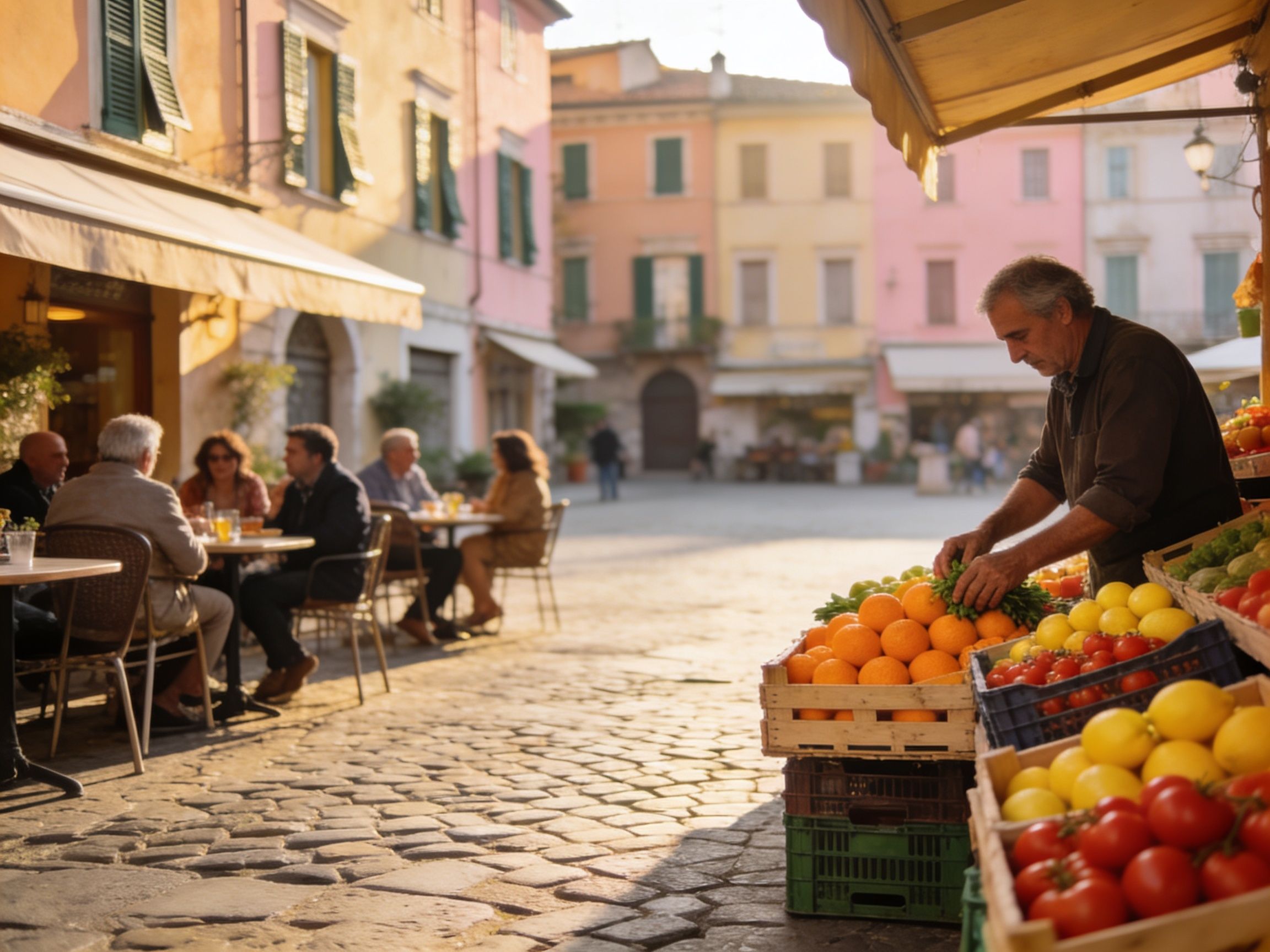
Imagine an early morning in Florence: espresso steam rising on Via dei Neri, a tabaccheria owner sweeping cobbles, and a concierge unlocking a 19th‑century palazzo where modern short lets meet centuries of history. That contrast—living inside a story while balancing rental demand and regulation—defines Italy for international buyers.
Living the Italy lifestyle: how place shapes daily life
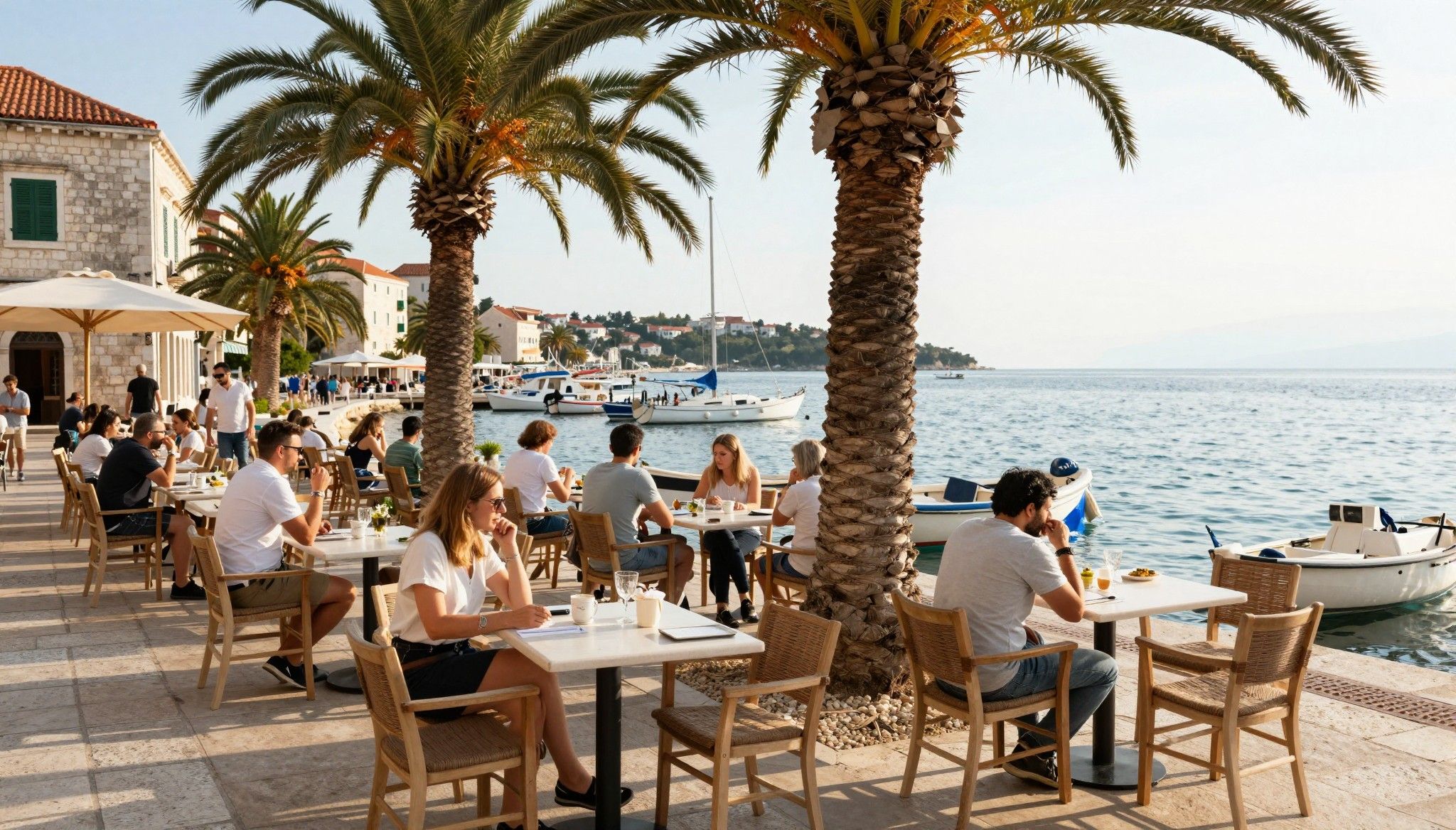
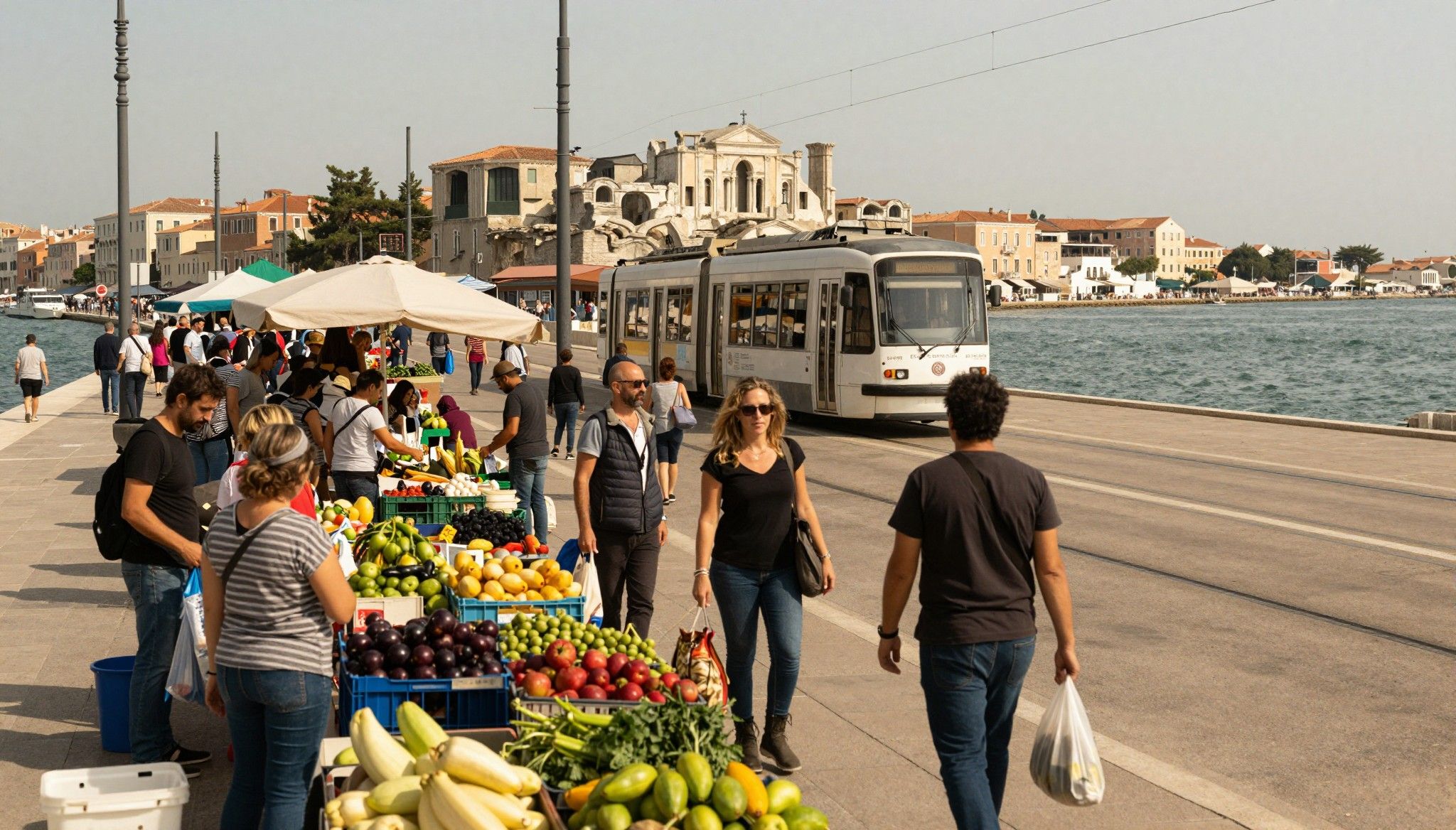
Italy isn’t one life; it’s dozens. Mornings in Naples smell of fried sfogliatella; afternoons in Milan mean espresso between client meetings; Sundays in Puglia stretch long around family tables. For buyers, the sensory reality—food markets, shutters closed at midday, piazza life—directly affects tenant appeal and property usage.
Florence, Oltrarno & Centro Storico — history with steady demand
Centro Storico and Oltrarno sell a compact, walkable life where tourists and long‑stay cultural visitors sustain demand. Expect conservative capital growth but persistent short‑let occupancy that supports above‑average seasonal rent—useful if you plan part‑time living plus rental income.
Coast & islands — seasonality that makes or breaks yield
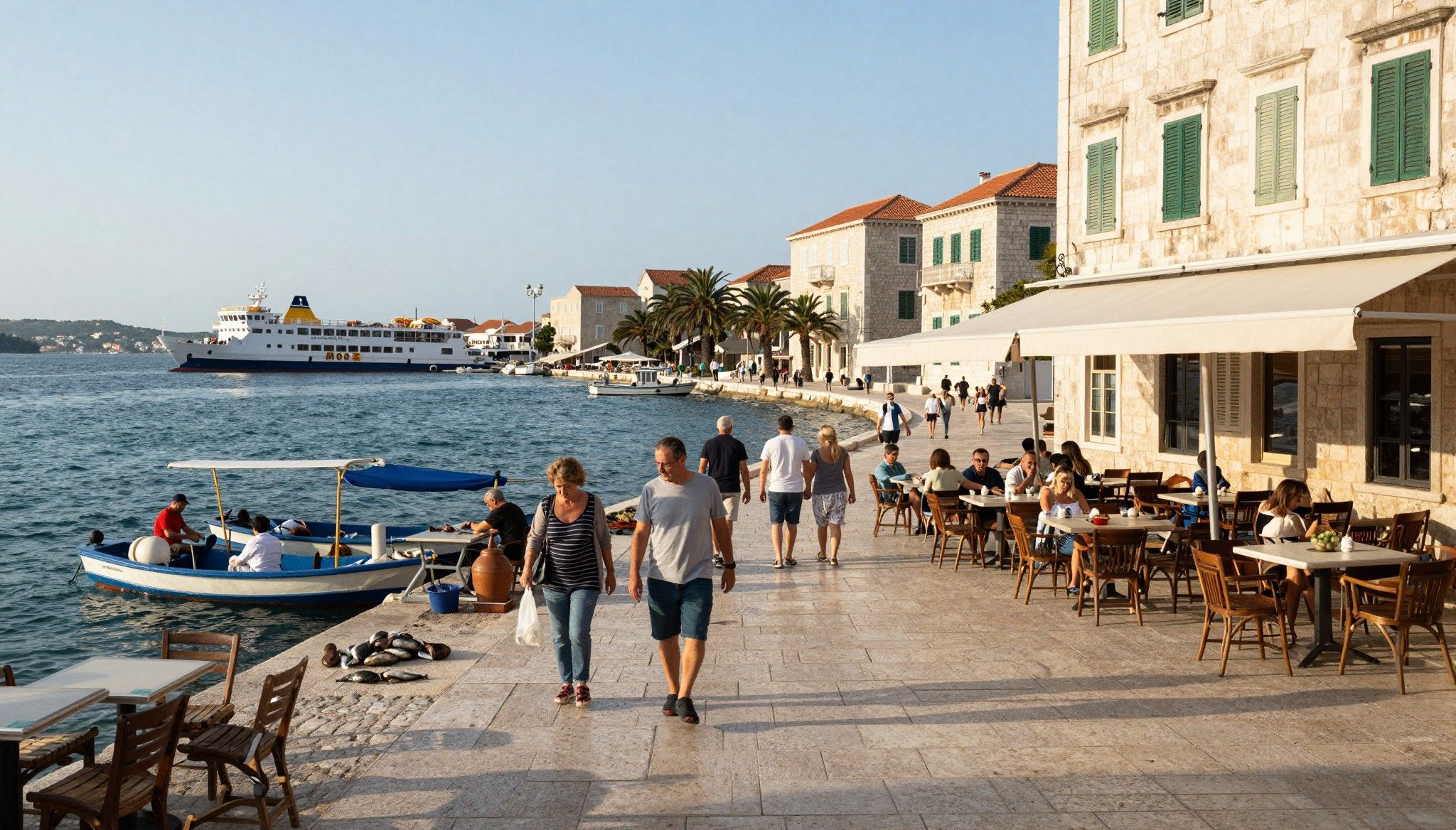
Places like the Amalfi Coast, Sardinia and Cinque Terre deliver spectacular life but dramatic seasonality. High summer nightly rates compress into a short window; in winter, vacancy risks rise and property management costs spike—factors that materially change net yield calculations.
- Lifestyle highlights (live like a local)
- Morning markets: Mercato Centrale (Florence), Campo de’ Fiori (Rome)
- Neighborhood cafés: Navigli aperitivo culture in Milan, San Frediano coffee in Florence
Making the move: practical considerations that preserve the dream
Lifestyle must be weighed against measurable market inputs. Nationwide prices vary from ~€1,200–€5,500/m² depending on city and micro‑location; recent market snapshots show city centres (Milan, Florence, Rome) commanding premiums, while southern towns offer lower entry prices and targeted tax incentives for retirees and buyers. These differentials determine purchase price, taxation windows, and net yield.
Property types: historic palazzo, modern apartment or farmhouse?
A palazzo flat in Rome delivers cachet and tourist pull but often requires higher maintenance and strict heritage permissions. New builds in Milan offer lower upkeep and better energy classes. Rural masserias in Puglia give space and lower capex but need structural work. Match type to use—short‑let, long‑term rental, or owner‑occupation—to optimise cash flow.
Working with agencies that understand both life and numbers
- 1) Insist on local transaction data: price per m², recent comparable sales, and typical time‑on‑market for the micro‑neighbourhood.
- 2) Require yield stress tests: present conservative, base, and optimistic rental scenarios (include vacancy and management costs).
- 3) Ask for renovation and energy‑class quotes upfront: Italian pricing gaps between energy classes materially affect resale and rental demand.
- 4) Request tax‑timing modelling: some incentives (e.g., southern Italy retirement tax breaks) change hold‑period math—plan 5–10 year horizons.
Insider knowledge: expat realities and contrarian truths
Expat life is textured—language barriers fade at the market stall but matter at the notary and comune. Contrary to popular belief, some overlooked cities (Bari, Verona, Turin) offer stronger gross yields and lower purchase prices than headline tourist cities; focusing only on Rome or Milan can compress entry returns.
Cultural integration: small rules that matter
Local rhythms—riposo (midday lull), neighbourhood associations, and municipal permit cadences—affect renovation timelines and rental operations. Learning basic Italian or hiring a bilingual property manager reduces delays and improves tenant screening.
Long‑term lifestyle and investment tradeoffs
Italy rewards patience. Capital growth is often steady, driven by limited central‑city supply and heritage value; yields depend on correct product/season fit. If your goal is portfolio income, prioritise cities or university towns with stable year‑round demand over postcard coastlines unless you can actively manage seasonality.
- Red flags to spot on viewing
- Uninsulated historic flats with low energy class and no easy upgrade path
- Properties in zones with unclear zoning permissions for short lets
- Neighborhoods with shrinking local services (bank, post office, medical) that indicate long‑term decline
Conclusion: Italy is emotional first and financial second—if you marry both perspectives you get the best outcome. Start with a lifestyle thesis (which city, season, and type of life you want), then force the numbers: purchase price per m², realistic gross/net yield projections, renovation budget and local regulatory checks. Work with an agency that provides both neighbourhood storytelling and hard comparables so your dream is also an investable asset.
Norwegian market analyst who relocated from Oslo to Mallorca in 2016, guiding Northern buyers through regulatory risk, currency hedging, and rentability.