Malta: The Coastal Neighbourhood Investors Overlook
Malta compresses Mediterranean lifestyle into a compact market; buyers must pair neighbourhood rhythms with NSO-backed price data to balance capital gains and net yields.

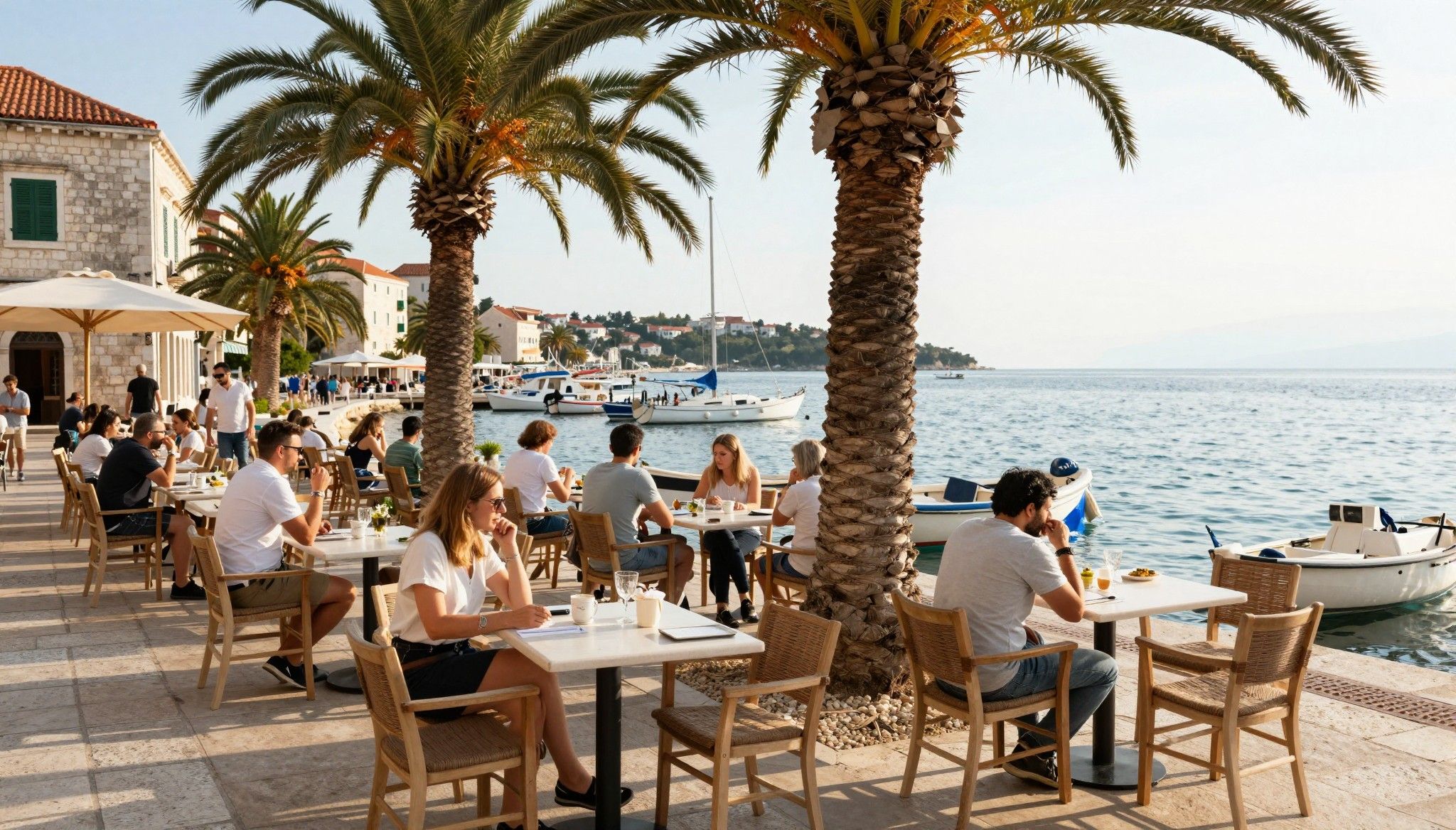
Imagine an espresso on the steps of Valletta at 9am, limestone sun warming the narrow streets, and a blue horizon visible beyond the city walls. Malta compresses Mediterranean life into island-sized neighborhoods where daily rhythms—market chatter in Marsaxlokk, dusk swims in St. Julian’s, Sunday promenades in Sliema—shape how you live and what you buy. For international buyers this compactness is an advantage: lifestyle is immediate, but investment trade-offs—land scarcity, strong central demand, and seasonal rental patterns—are very real. This piece pairs sensory neighbourhood snapshots with the data and local rules that change which Maltese address actually makes financial sense.
Living the Malta Lifestyle

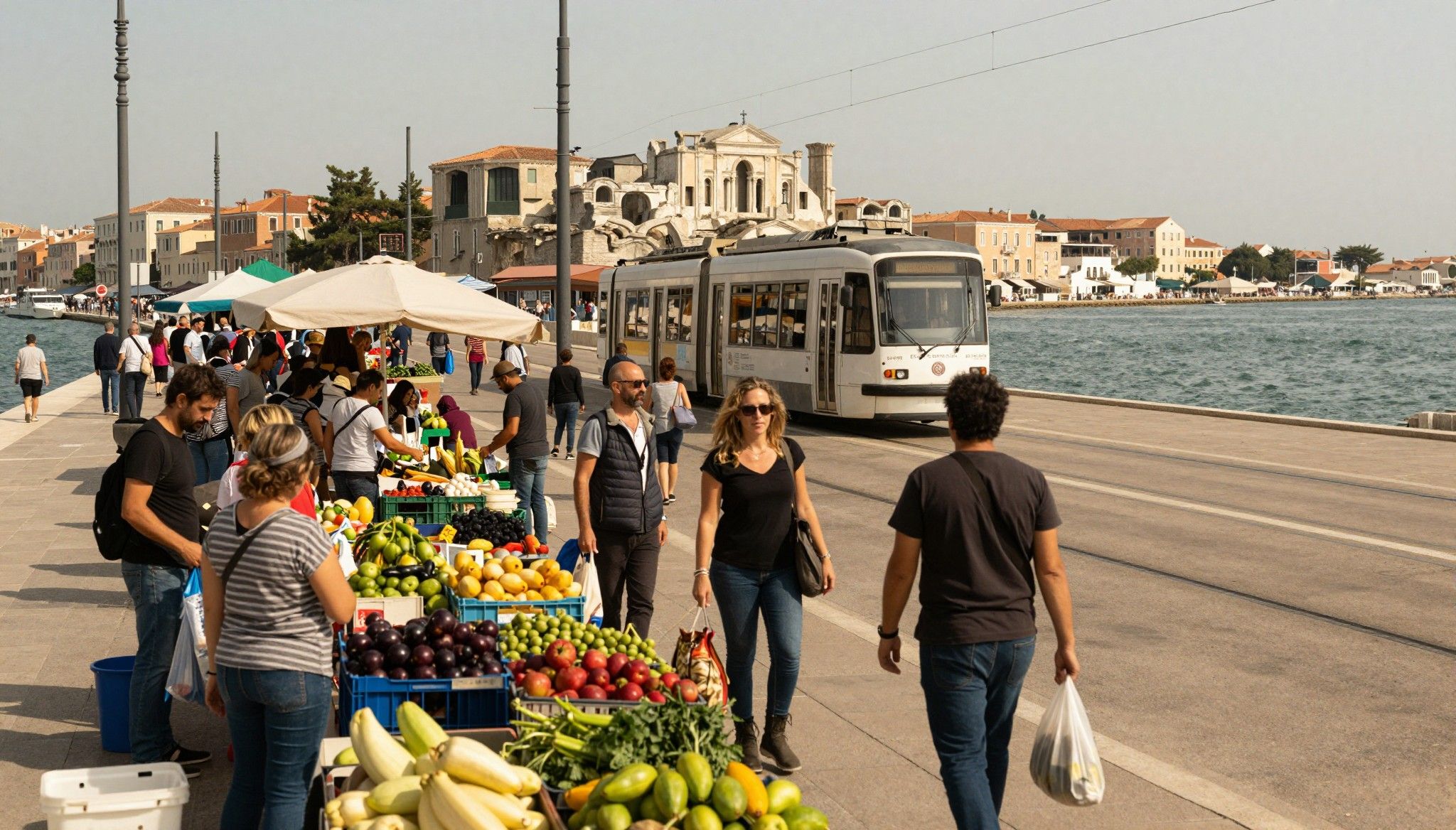
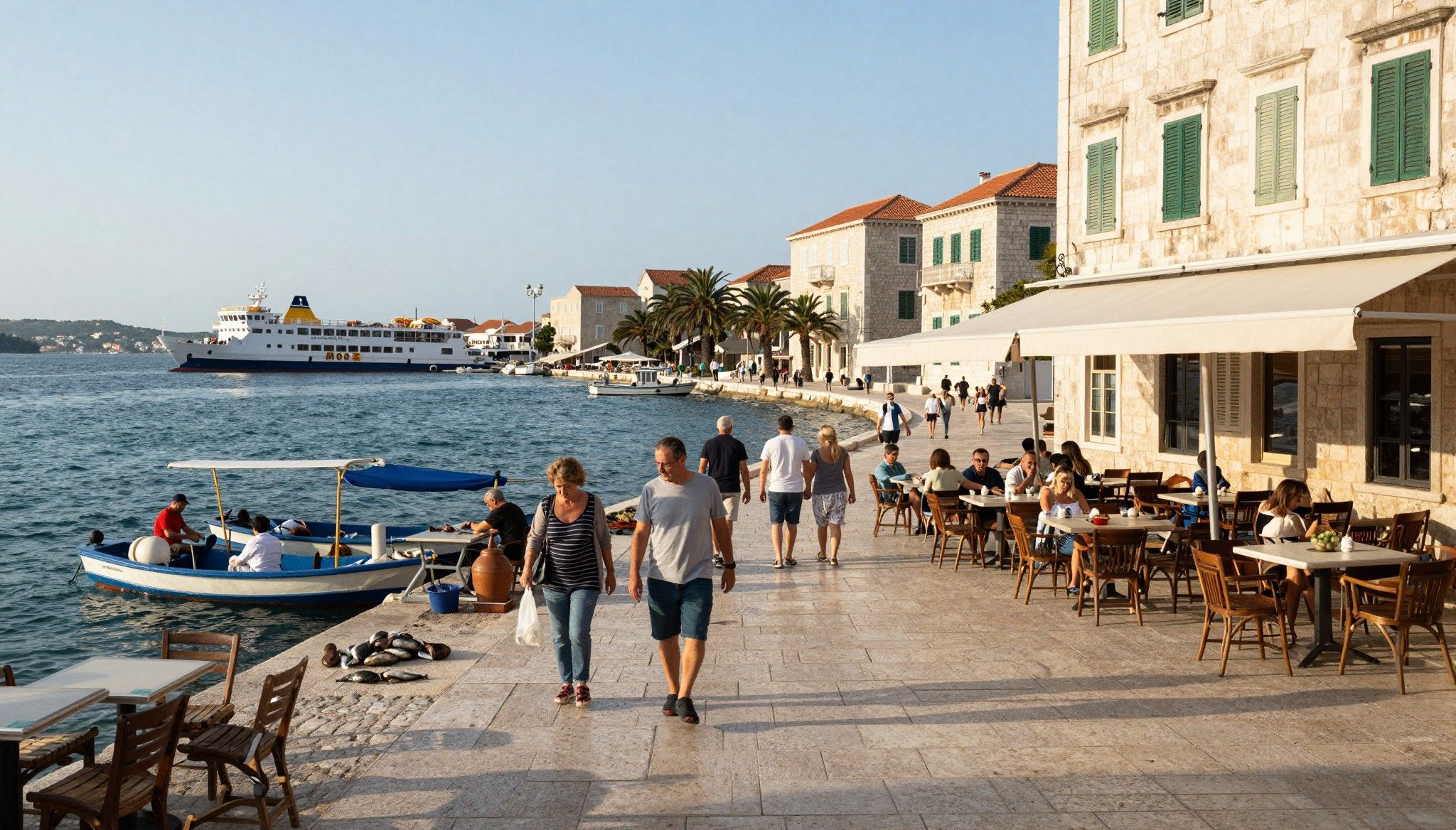
Malta’s day begins by the sea and ends in narrow, convivial lanes. Mornings often start with people sipping coffee at Caffè Cordina in Valletta or grabbing pastries at Patisserie La Vie in Mosta. Lunches are market-driven: fresh fish in Marsaxlokk or a tray of ravjul in Rabat. Weekends revolve around bays—Golden Bay and Għajn Tuffieħa for sunsets—or festivals where band marches and festa fireworks punctuate the summer. That rhythm matters: properties near waterfronts and festival hubs command lifestyle premiums, and those premiums show up in pricing and letting demand.
Neighborhood spotlight: Valletta, Sliema & St. Julian’s
Valletta is the compact cultural core—stone facades, boutique dining, and short-stay demand—while Sliema and St. Julian’s are the commercial and coastal engines with high rental turnover. Valletta’s limitations (few new builds, protected architecture) make restoration projects attractive to buyers who value capital preservation over instant yield. Sliema offers predictable long-term rentals to professionals and families, and St. Julian’s splits into high-season short-lets and year-round apartment rentals—each micro-market with distinct occupant profiles and yield expectations. Recent national data underscores land scarcity as the central driver of value across these areas, which raises the bar for buyers seeking yield rather than capital appreciation.
Food, coast and community: how lifestyle choices map to addresses
If mornings mean café terraces and afternoons mean beach swims, neighbourhoods like St. Paul’s Bay and Mellieħa fit; if evenings mean theatre and orchestras, Valletta is better. Local markets—Pjazza San Ġorġ in Birgu or the Il-Biża’ farmers’ stalls—signal proximity to authentic community life that attracts long-term tenants rather than tourists. These lifestyle choices alter investment profiles: sea-view apartments usually produce lower net yields because purchase prices include a location premium, whereas interior townhouses in Ħamrun or Paola often deliver higher gross yields but different tenant pools.
- Wake-up checklist: lifestyle highlights that affect property value
- Valletta cafés and cultural venues (heritage premium, low supply).
- Sliema waterfront promenades (steady long-term rental demand).
- St. Julian’s nightlife pockets (high seasonality; higher management burden).
- Marsaxlokk fish market and village life (attractive for lifestyle buyers).
Making the Move: Practical Considerations

The data is blunt: Malta’s Residential Property Price Index has risen steadily (the NSO reported a 5.2% annual rise in Q4 2024), and land value now accounts for a dominant share of total dwelling value. For buyers that means two things—first, buying land-forward assets (central apartments, townhouse footprints) is costlier; second, yields compress where lifestyle premiums are highest. Translate that into a shopping list: prioritise neighborhood micro-factors, quantify expected net yield after management and seasonal vacancy, and stress-test for regulatory or planning shifts.
Property types: what to buy depending on how you plan to live
Traditional townhouses (two- or three-storey, internal courtyards) suit owner-occupiers seeking character and potential capital gains through renovation. Modern apartments deliver rental liquidity but compete on price-per-square-metre. New-builds in peripheral zones offer scale but face longer absorption times. Assess properties by use-case: owner-live with renovation aim, short-let with professional management, or long-let for stable income—each path requires different cap-rate expectations and contingency allowances for maintenance and regulatory compliance.
Work with experts who understand both lifestyle and the ledger
An agent who can narrate daily life—where to buy groceries, which streets fill with locals—and simultaneously run rental yield models is invaluable. Expect them to provide comparable lettings data, maintenance cost estimates, and a local tax contact. Ask for previous portfolios they’ve managed, plus a clear breakdown of standard operating costs (condominium fees, insurance, property management). The right advisor aligns lifestyle aspirations with a credible return profile.
- Decision checklist blending lifestyle and numbers
- Estimate net yield: forecast rental income, deduct management (8–20%), taxes, and vacancy to get realistic net yield.
- Match tenant profile to location: families seek schools and parks; professionals value commute and connectivity.
- Check planning restrictions: heritage zones limit alterations and affect renovation budgets and timelines.
Insider Knowledge: What Expats Wish They’d Known
Expats often underestimate the rhythm of Maltese life: festivals create short-term noise but long-term community bonds; Sundays slow commerce but the neighborhood comes alive socially. Language is less a barrier—English is an official language—yet local practices around contracts, deposits and neighbour relations differ from larger markets. A realistic view of seasonality, local tenant expectations (air-conditioning, outdoor space), and the cost of periodic maintenance prevents surprises and preserves yield.
Cultural integration, community, and everyday practicalities
Making local friends happens through repeated rituals—market visits in Marsaxlokk, band club evenings in small towns, or fitness groups along the promenade. These routines influence tenant quality: properties near active community hubs attract long-term residents. For families, proximity to international schools (St. Martin’s, Verdala) and healthcare centres matters; for retirees, quieter inland villages like Mdina adjacent areas offer calm but limited services.
Long-term outlook: sustainability of the lifestyle and the asset
Expect continued demand pressures where supply is constrained. The NSO’s recent RPPI releases show steady price increases—buyers should assume that central locations retain capital value but not necessarily high yields. Practically, that pushes many investors toward hybrid strategies: buy a lifestyle-led asset for capital appreciation and complement with peripheral apartments that deliver higher running yields.
Conclusion: live the island, measure the return. Malta offers an intense Mediterranean life—markets, festas, sea access and compact neighbourhoods that feel lived-in. For international buyers the opportunity is to pair that lived experience with disciplined underwriting: measure net yields, factor in land-driven price inflation, and use local expertise to translate lifestyle into sustainable returns. If the dream is a Valletta balcony or a Mellieħa seaside terrace, work with a local agency that can map neighbourhood atmospheres to realistic cash-flow models and a maintenance roadmap.
British expat who moved to the Algarve in 2014. Specializes in portfolio-focused analysis, yields, and tax planning for UK buyers investing abroad.