Malta’s Yield Reality: Lifestyle First, Stress‑Tested Returns
Malta’s charm hides a financial pivot: rising prices and short‑let reforms mean yields vary sharply by area—stress‑test scenarios and persona‑driven sourcing first.

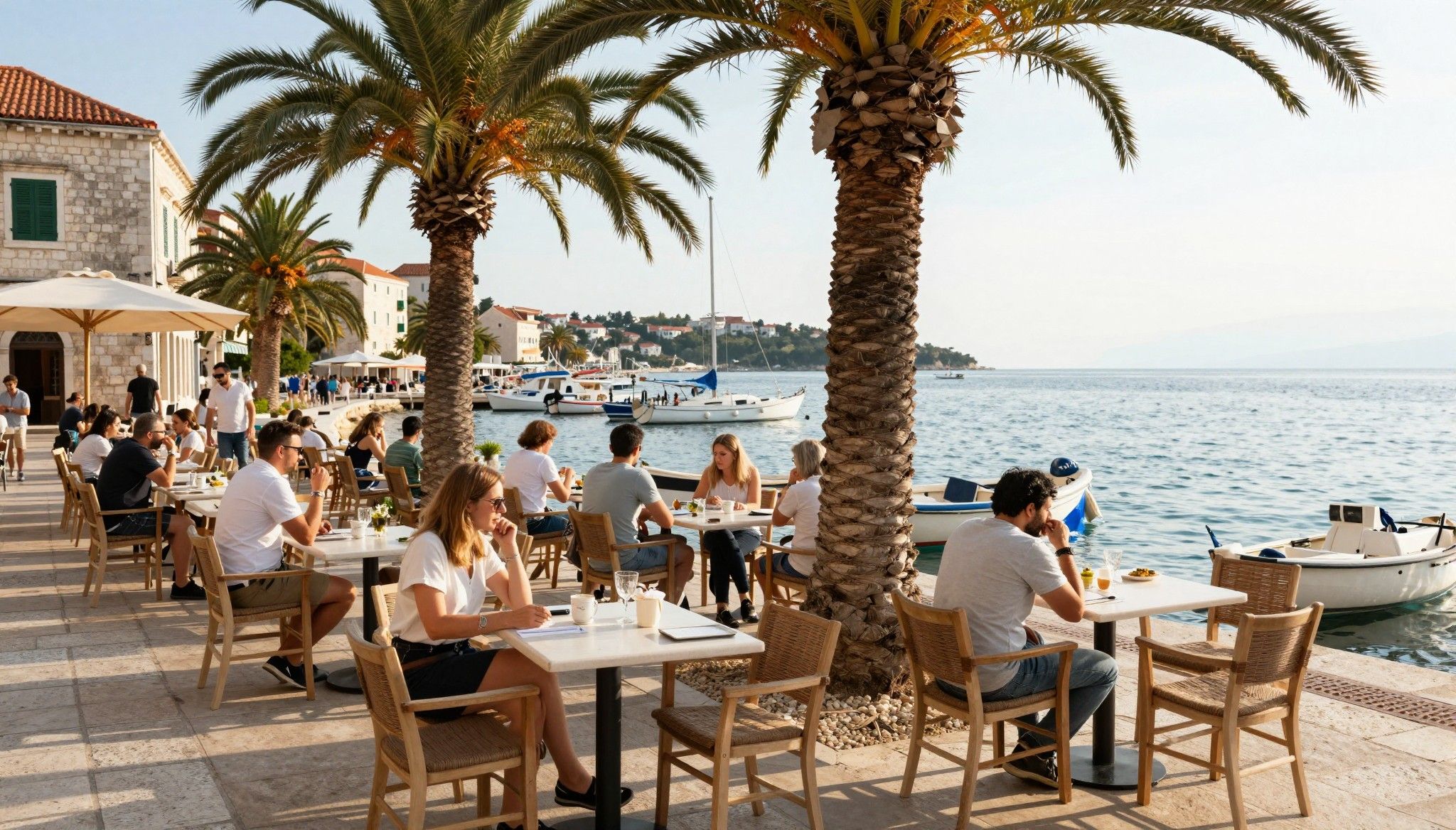
Imagine stepping out of a café on Triq ir-Reġina (Republic Street) in Valletta at 9am: limestone facades still cool, the smell of freshly ground espresso, distant ferries criss‑crossing the Grand Harbour. That compact, tactile daily life—walkable streets, layered history, and a summer‑long social calendar—makes Malta feel like a village stretched across islands. But for investors the sensory appeal is only half the story; rising prices, seasonal demand and pending short‑let rules are actively reshaping rental math. Recent national data show residential prices climbing, meaning yield calculations today look very different than they did five years ago. (Sources linked below.)
Living Malta: compact islands, big lifestyle
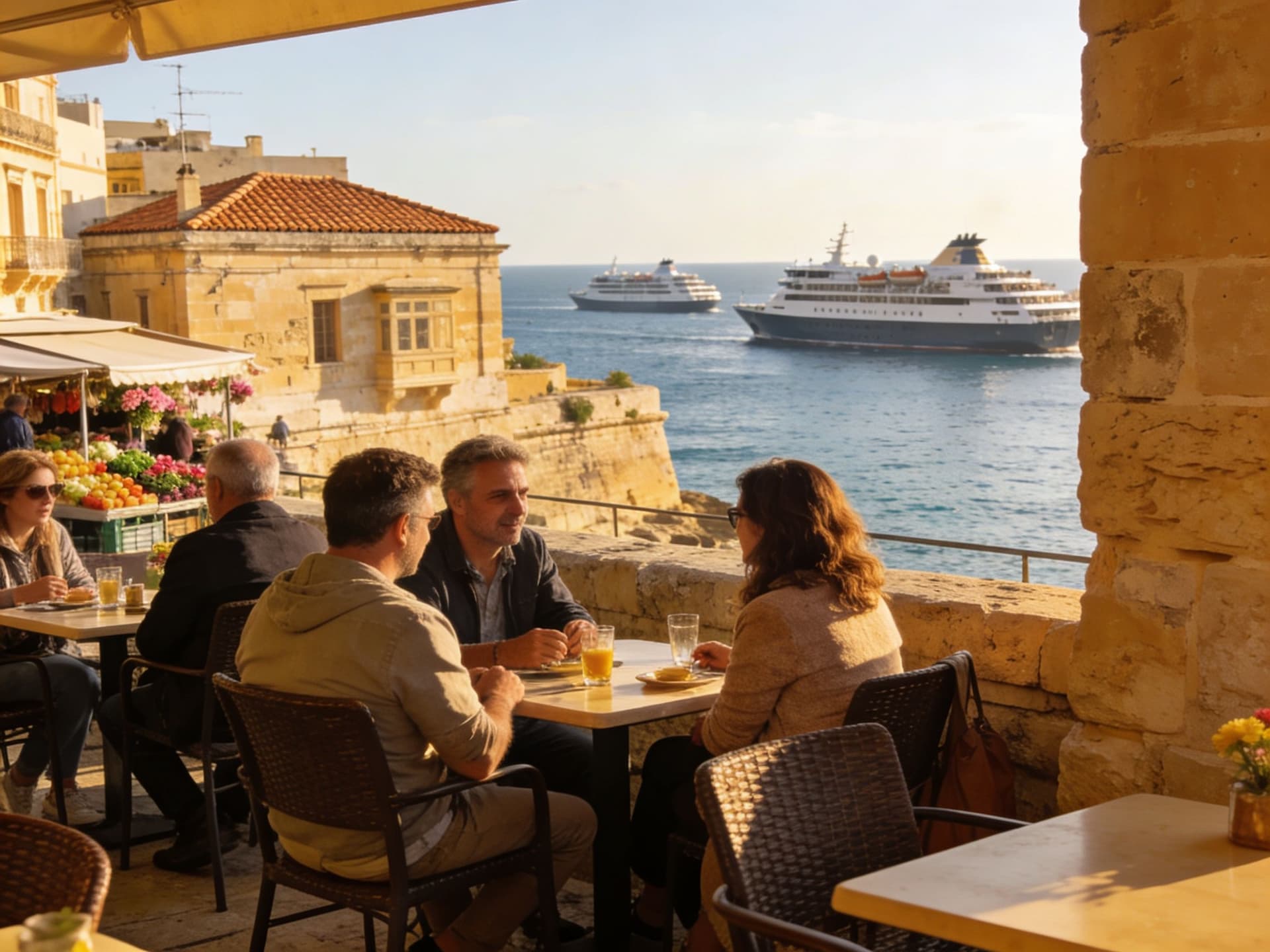
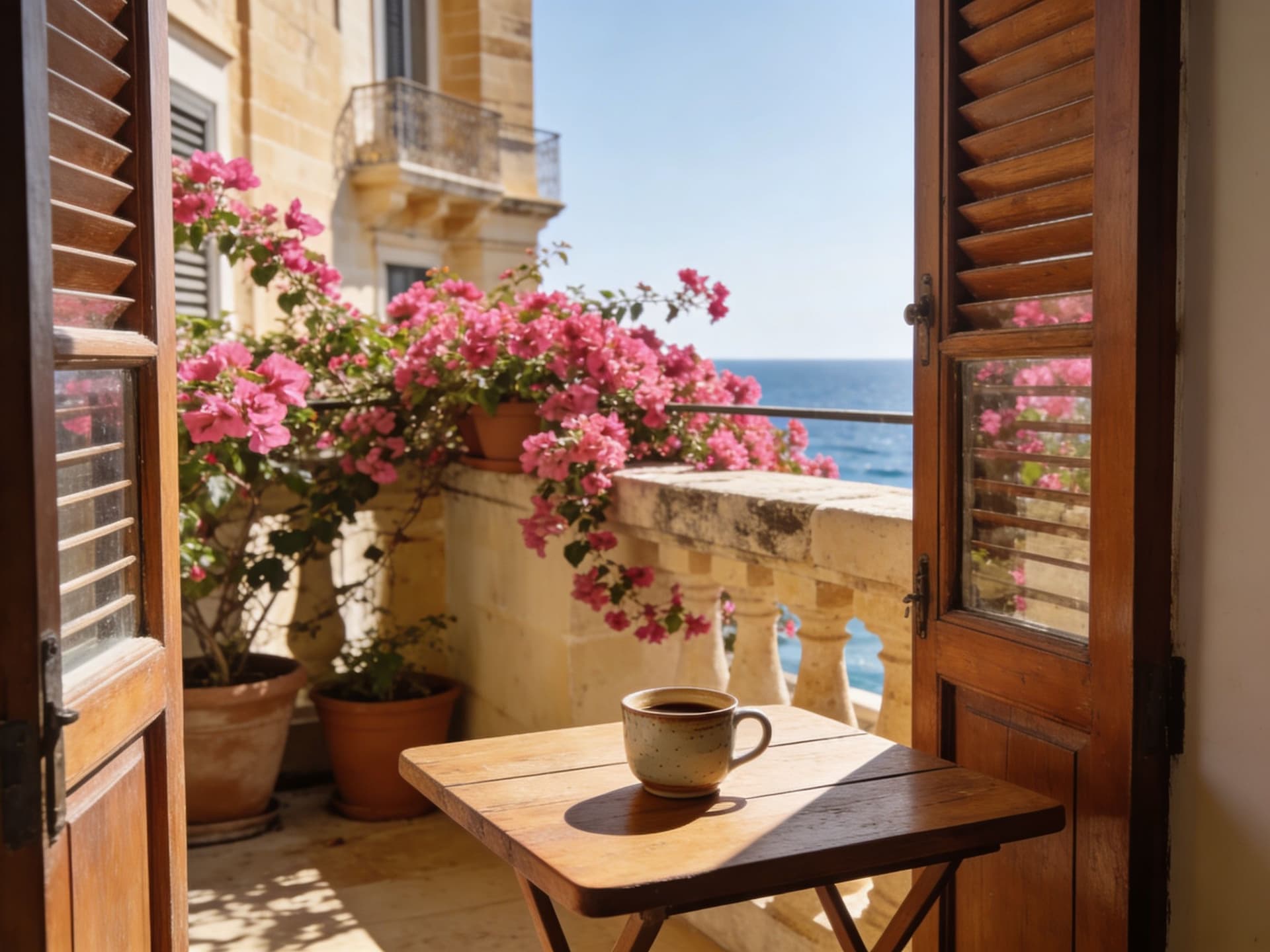
Living in Malta is unintimidating and sensory. Mornings are for strong coffee and a local paper at Café Jubilee in Sliema; afternoons are for plunges off the stone ramps at Għar Lapsi or sandy swims at Golden Bay. Evenings congregate around small‑plate restaurants in Mdina or buzzing bars along St Julian’s Paceville. The population density makes neighbourhoods feel connected; you learn baristas' names and see the same children cycling to school. That rhythm influences what tenants want: proximity to cafes, quick ferry or bus links, and compact, efficient apartments that maximise outdoor space.
Valletta & Three Cities — history with short commute appeal
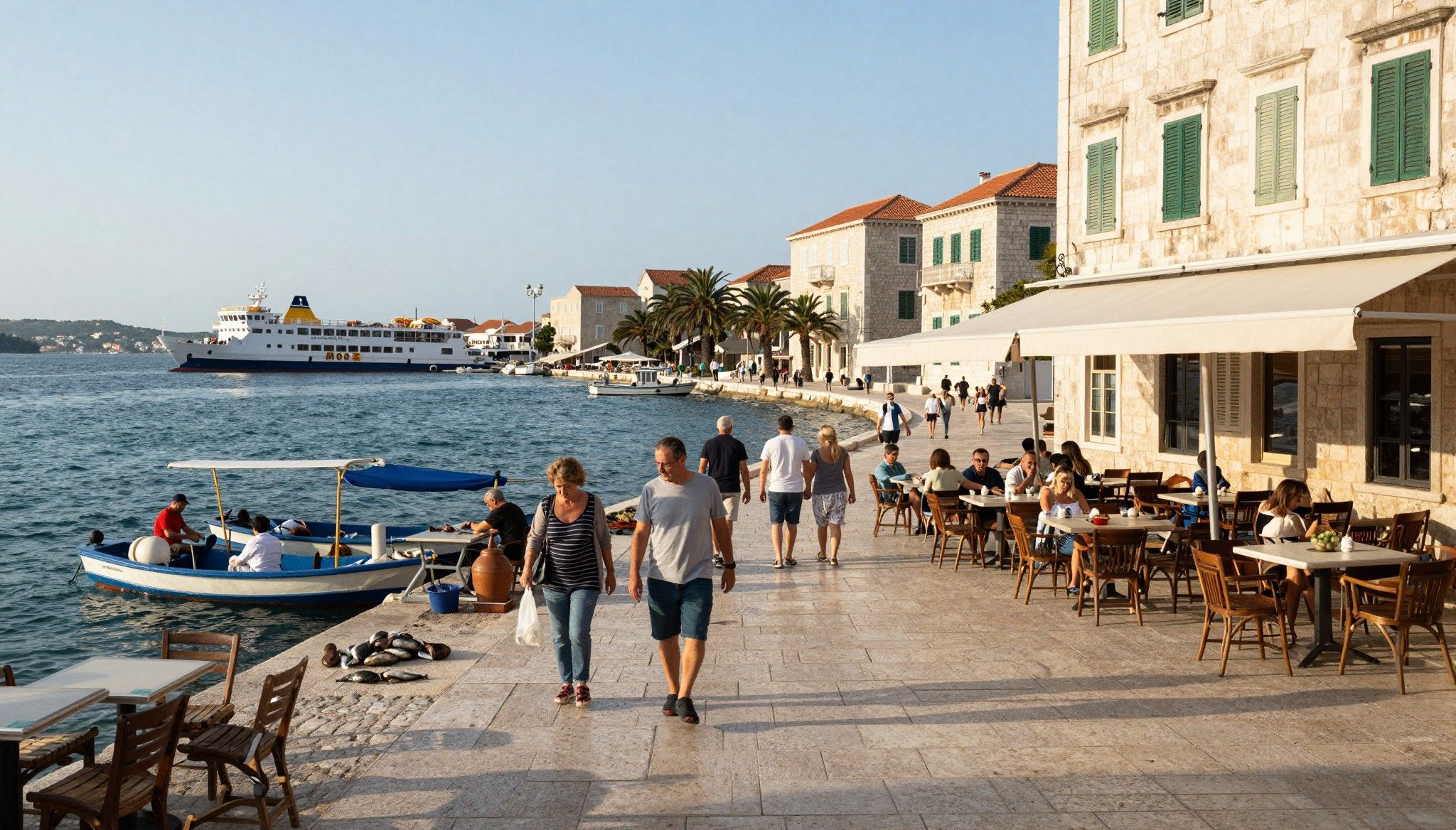
Valletta—stone terraces, narrow alleys and commanding harbor views—attracts professionals who prioritise character and walkability. Nearby Senglea and Vittoriosa (the Three Cities) offer lower price points with strong long‑let demand from hospitality workers and families. These areas produce dependable year‑round occupancy, but premium pricing and conservation rules mean renovation costs can be high and cap rates modest.
Sliema & St Julian’s — renter magnet, compressed yields
Sliema and St Julian’s are Malta’s rental engines: international tenants, professionals, and students. Rents are high, but so are prices—demand is concentrated, producing low gross yields by international standards. Expect strong short‑term cashflow in peak months but remember occupancy and net yield fall once service charges and taxes are included.
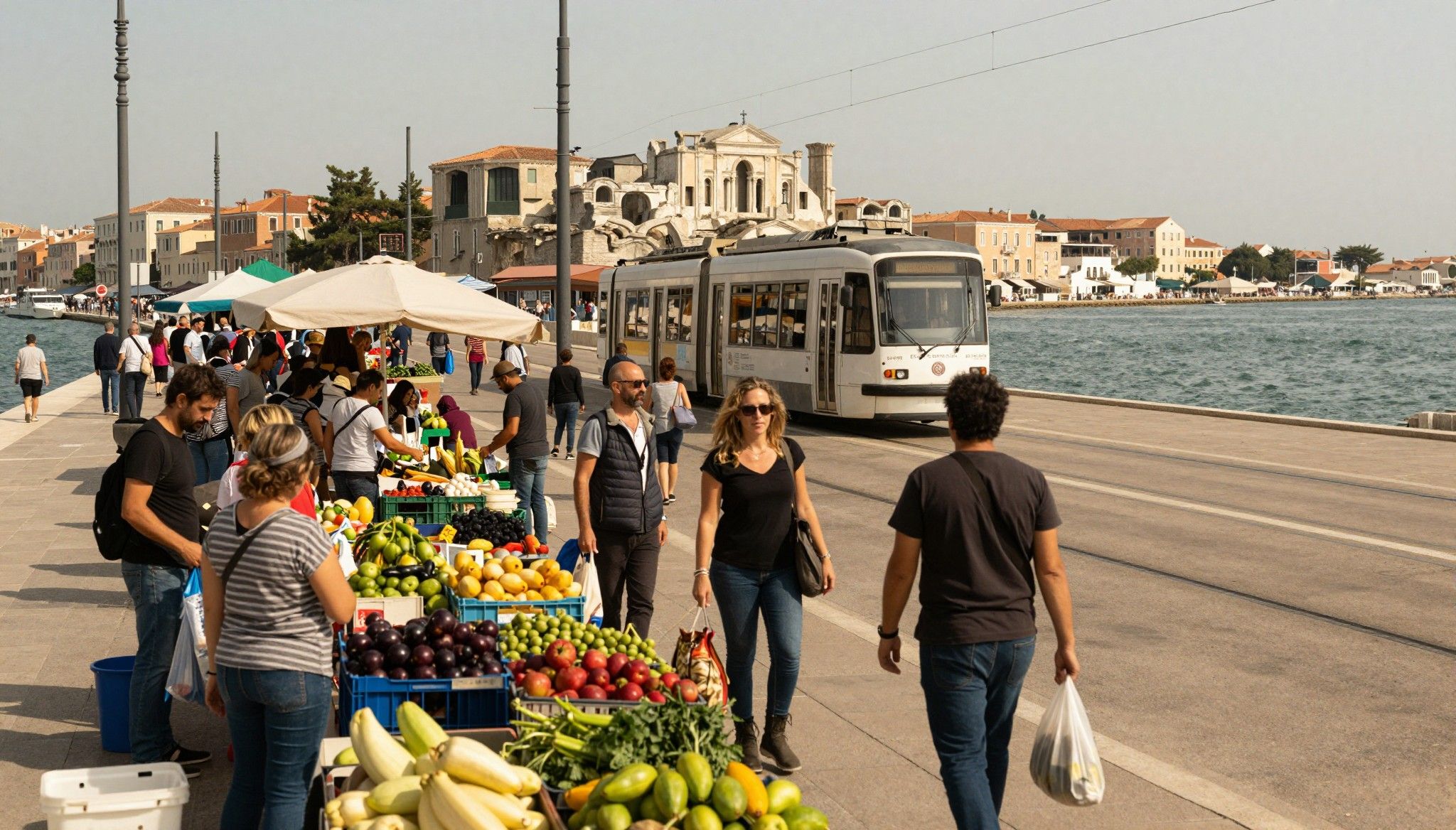
- Lifestyle highlights: morning espresso at Café Jubilee (Triq it-Torri), sunset swims at Għajn Tuffieħa, weekend fish at Marsaxlokk market, Valletta theatre nights at Manoel, hidden garden cafés in Rabat.
Making the move: what the data actually say about returns
Translating lifestyle into investment: Malta’s Residential Property Price Index rose roughly 5% year‑on‑year at end‑2024, and continued pressure into 2025 compressed yields in central hotspots. Simple arithmetic shows why: if nominal rents rise 2–3% while prices rise 5%+, gross yields fall. Regional variation matters—Gozo and central/southern pockets still report higher average yields than Sliema/St Julian’s. Short‑let policy changes under discussion also threaten to reconfigure revenue streams for owners relying on holiday lets.
Short‑lets: a live policy risk
Proposed short‑let reforms give the Malta Tourism Authority power to zone and limit licences, cap guest numbers and restrict consecutive nights—measures that could materially reduce peak‑season revenue for properties currently scoped as short‑lets. If your yield model assumes 20–30% of annual income from high‑season weeks, re‑run scenarios with reduced short‑let availability. That single regulatory lever can change a 4.5% gross yield into a sub‑3% outcome when costs are included.
Where yields still look reasonable
- Regions and why they make sense: Gozo — lower entry prices, niche remote‑worker demand; Central & South Malta — steady long‑let rental pools and stronger year‑round occupancy; Peripheral countryside towns — renovation upside for mid‑term capital growth.
Practical playbook: match lifestyle brief to yield reality
Start with a tenant persona: student, professional, family, remote worker or holiday guest. Each persona maps to neighbourhoods, seasonality and acceptable capex. Then stress‑test rent, occupancy and cost assumptions over 3–5 year cycles. Use local data where possible and plan for regulatory tweaks—short‑let zoning, rising service charges, and conservation rules that affect renovation cost and scope.
Property types and how they behave
Apartments and maisonettes dominate the market and suit the majority of tenants—easy to let, cheaper to maintain, and more liquid. Period townhouses in Valletta or Mdina attract premium rates but incur higher renovation and compliance costs. New builds offer lower maintenance but often come with higher price per sqm and service charges that erode net returns.
- Practical steps for a defensible yield model
1. Define tenant persona and seasonal occupancy profile; 2. Use NSO price indices and local rental listings for market rents; 3. Include service charges, property management, insurance and maintenance in OPEX; 4. Run a downside case assuming short‑let restrictions and 15–25% higher vacancy; 5. Price renovation and conservation compliance as capital expenditure, not operating expense.
Insider knowledge: what expats wish they'd known
Expats commonly under‑estimate three things: the true cost of sympathetic renovations in protected areas; the variability of service charges in new developments; and how tightly seasonal tourism corridors concentrate cashflow. Many who bought on summer visits learned that off‑season life is quieter and long‑lets dominate, shifting the property’s natural tenant mix.
Cultural and community notes
English is an official language and widely spoken, which eases tenancy management. Social life centers on cafés, parish festas and the sea; integration happens through repeated local interactions. For investors this means tenant screening and local property managers can be found who balance international expectations with Maltese norms.
- Expat tips: hire a local property manager, budget for condo bureaucracy, visit outside high season to understand winter occupancy, meet neighbours before purchase.
Conclusion: Malta sells a compact Mediterranean life—walkable streets, strong café culture and easy English‑language integration. But the investment story has shifted: rising RPPI readings and potential short‑let zoning require conservative yield modelling and tighter stress tests. If you love Valletta’s limestone mornings or the quieter pace of Gozo, build a plan that pairs lifestyle priorities with robust financial scenarios: persona‑first sourcing, local agency expertise, and downside stress tests are the practical steps that turn a dream purchase into a defensible investment.
Norwegian market analyst who relocated from Oslo to Mallorca in 2016, guiding Northern buyers through regulatory risk, currency hedging, and rentability.