How Cyprus’s Non‑Dom & Residency Shifts Reprice Yield
Regulatory moves on non‑dom status and residency are quietly changing Cyprus returns — stress‑test yields, prioritise year‑round neighbourhoods, and use tax‑aware agents.

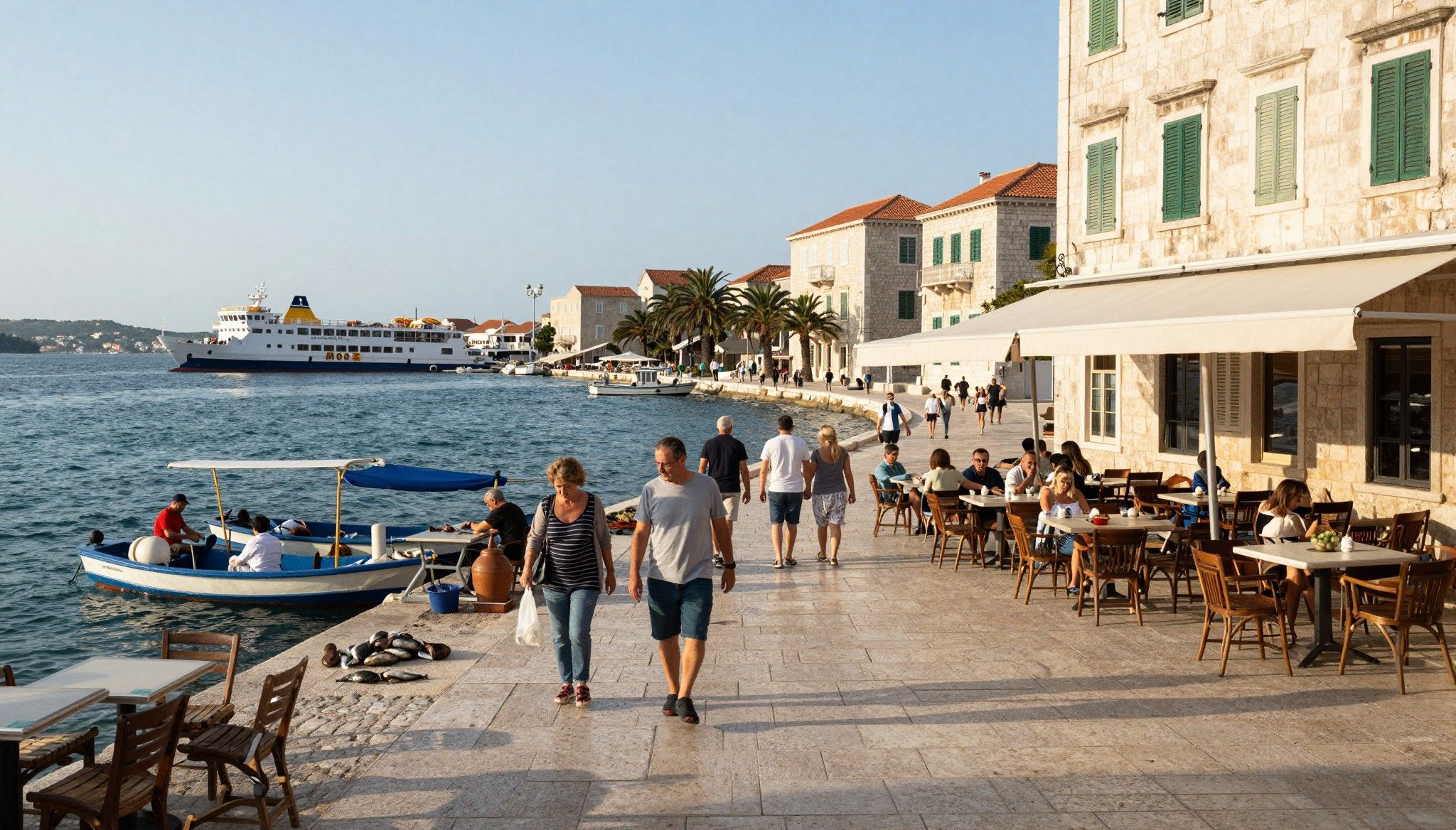
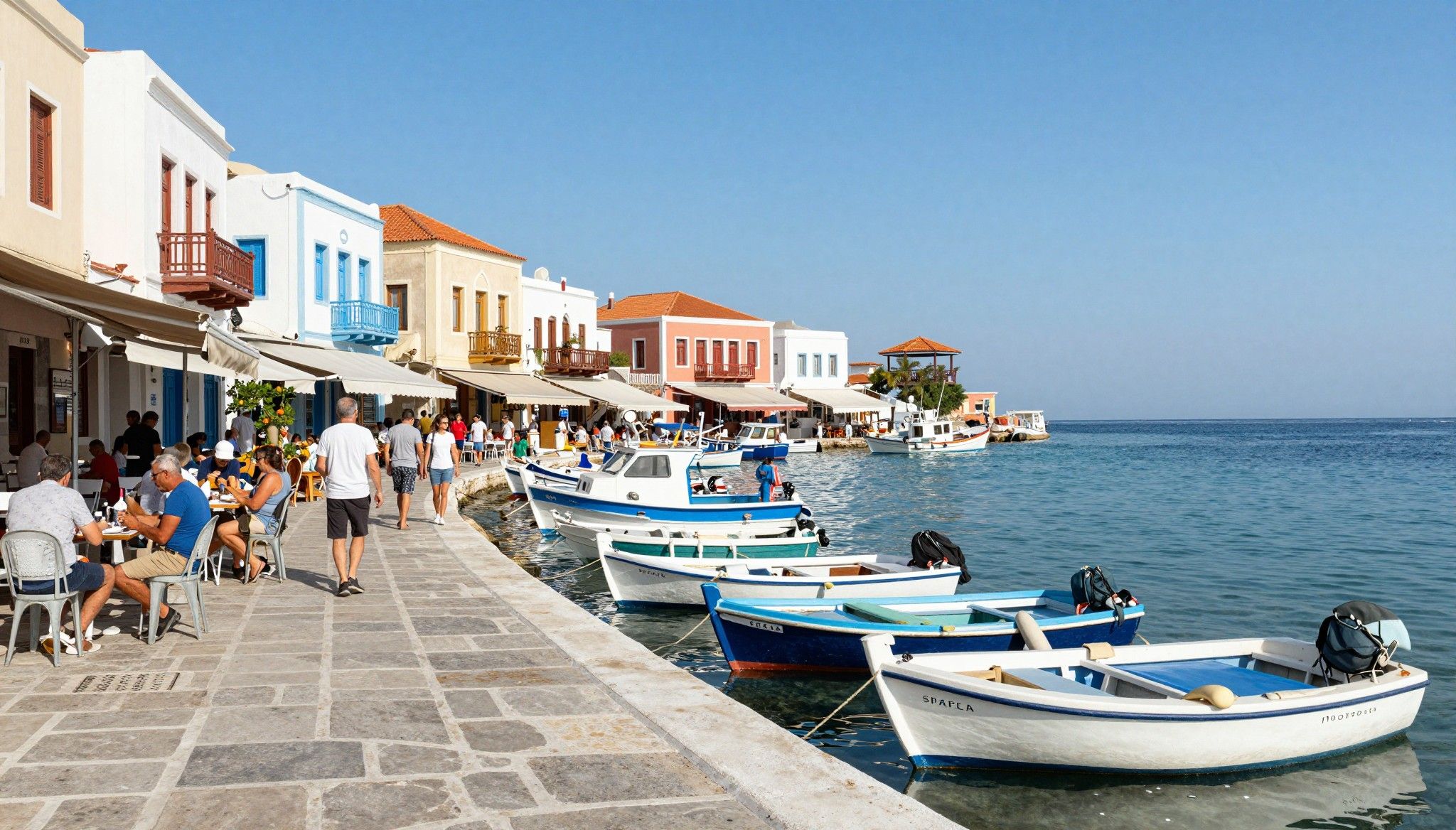
Imagine walking from a sunlit café on Limassol's Molos promenade toward a row of low-rise apartments where early-morning cleaners unlock wrought-iron gates and a fisherman hauls in the day’s catch — that everyday rhythm is the emotional case for Cyprus. But beneath the almond trees and seaside espressos, recent regulatory shifts — especially proposals around the non‑dom tax regime and evolving residency criteria — are quietly reshaping returns for international buyers.
Living Cyprus: not just sunshine — community and rhythms

Cyprus feels small and lived-in: narrow pedestrian lanes in old Nicosia, late-afternoon coffee crowds in Larnaca’s Finikoudes, and the expatriate enclaves around Kato Paphos where British and Russian buyers cluster. The island’s house price indices show a market that has slowed from the pandemic peak; annual price growth moderated in 2024–2025, a dynamic international buyers should weigh alongside lifestyle appeal. The slowdown reduces headline risk but raises questions about near-term rental demand and yield compression.
Neighborhood spotlight: Limassol’s dual personality
Limassol is two markets at once: luxury seafront towers near the Marina that command premium per‑m² pricing, and quieter residential streets like Agios Nikolaos and Zakaki offering steadier rents and better operational yields. For lifestyle buyers the marina life sells itself; for investors, the inland pockets often deliver stronger net yields once management and seasonal vacancy are accounted for.
Food, markets and winter light: lifestyle drivers that matter to returns
Weekends are market days — stroll into Larnaca’s open market for halloumi and citrus, then sit for slow coffee while pensioners play backgammon. These cultural anchors sustain year‑round rental demand from seasonal residents and digital nomads. Properties close to authentic markets, weekly cultural events, and reliable transport oscillate less with tourism cycles than isolated holiday rentals.
- Lifestyle highlights to prioritise when matching property to yield:
- Close to weekly markets (Larnaca, Nicosia municipal market)
- Walking distance to public transport and schools (e.g., near Nicosia’s Strovolos routes)
- Properties with private outdoor space (balcony/terrace) for year‑round letting
Making the move: how regulatory shifts change the math

Dreams meet spreadsheets here: the headline change international buyers must watch is the evolving treatment of the non‑dom (non‑domiciled) tax regime and strengthened residency tests. Proposals during 2024–2025 preserved non‑dom benefits but introduced tighter residency criteria and the prospect of fees or limits for extended exemptions — moves that materially affect after‑tax cashflow on dividend, interest and rental streams. Read the draft frameworks carefully; a small change to SDC exposure or residency tests can swing net yields by several percentage points.
What changed (and what was proposed) for non‑doms
Authorities signalled retention of the non‑dom exemptions (zero SDC on dividends and most interest) but proposed stricter residency definitions (the 183‑day and reinforced 60‑day rules) and options for paid extensions beyond the standard 17‑year window. For buyers structuring holding companies, these shifts change after‑tax returns and the attractiveness of Cyprus as an EU holding base. Conservative modelling should assume potential small annual fees or administrative costs to preserve non‑dom status over time.
Why residency tests reprice property returns
If you must spend more days in Cyprus to keep tax benefits, demand for longer‑stay rentals and family homes rises; short‑let plays weaken. Central Bank indices show apartment growth outpacing houses during speculative phases — a pattern that can reverse if regulatory incentives favour full‑time residents. In short: tax rules alter tenant profiles, which in turn change vacancy risk and achievable rents.
- Steps to stress‑test your Cyprus investment under regulatory change:
- 1. Run two yield scenarios: current law and conservative reform (add 1–2% tax drag and higher vacancy for short lets).
- 2. Check residency triggers: if you or key tenants must spend more days locally, model the shift from short‑term to long‑term rents.
- 3. Factor compliance costs: local accounting, legal fees and potential non‑dom extension payments into annual OPEX.
Insider knowledge: expat realities, agency roles and hidden frictions
Expats we speak to report that the best agencies are those who speak tax and planning, not just listings. Local firms that also coordinate tax advisers and conveyancers reduce execution risk and spot regulatory shifts early. On the ground, expect slower administrative timelines for permits and title updates than in northern Europe — build buffers into closing schedules and rental cashflow forecasts.
Cultural and practical frictions that affect returns
Paperwork is local: property searches, planning permissions and utility transfers often depend on municipal offices with variable responsiveness. Language is not a barrier for many transactions — English is widely used — but expect regional differences in process and timelines. These operational frictions translate into holding costs; fast transactions cost more, slow ones eat into yield.
- Practical tips from investors who built resilient Cyprus portfolios:
- Prioritise properties near year‑round activity (markets, schools, hospitals) rather than pure holiday hotspots.
- Lock local tax advice before offer-stage; a €5–10k advisory fee can prevent a yield-killing surprise.
- Use an agency that coordinates conveyancer + tax adviser + property manager to reduce time-to-income.
Conclusion: Cyprus remains an emotionally persuasive and financially defensible choice — but the recent regulatory conversations around non‑dom status and residency require buyers to be prescriptive, not hopeful. Match the neighbourhood to the regulatory outcome you think will persist (resident‑friendly areas if residency tightening continues; tourist zones if not). Ask for scenario stress tests from your agent and insist on transparent after‑tax yield calculations before signing.
Danish relocation specialist who moved to Cyprus in 2018, helping Nordic clients diversify with rental yields and residency considerations.