Buy Where Others Flee: Italy’s Overlooked Rental Sweetspots
Italy’s romance hides measurable rental opportunities — match neighbourhood life to tenancy type, stress‑test tax scenarios and prioritise micro‑locations for higher net yields.

Imagine sipping espresso at a tiny bar on Via XX Settembre in Bari as scooters slide by, then stepping into an apartment whose rent covers the mortgage. Italy seduces with piazzas, coastlines and slow afternoons — but beneath the romance, there are neighbourhoods where rental mechanics and seasonal demand create clear, measurable yield opportunities for international investors. This piece traces where lifestyle and net yield meet, and why some “overcrowded” cities quietly host the best rental economics.
Living the Italy lifestyle — more than postcards

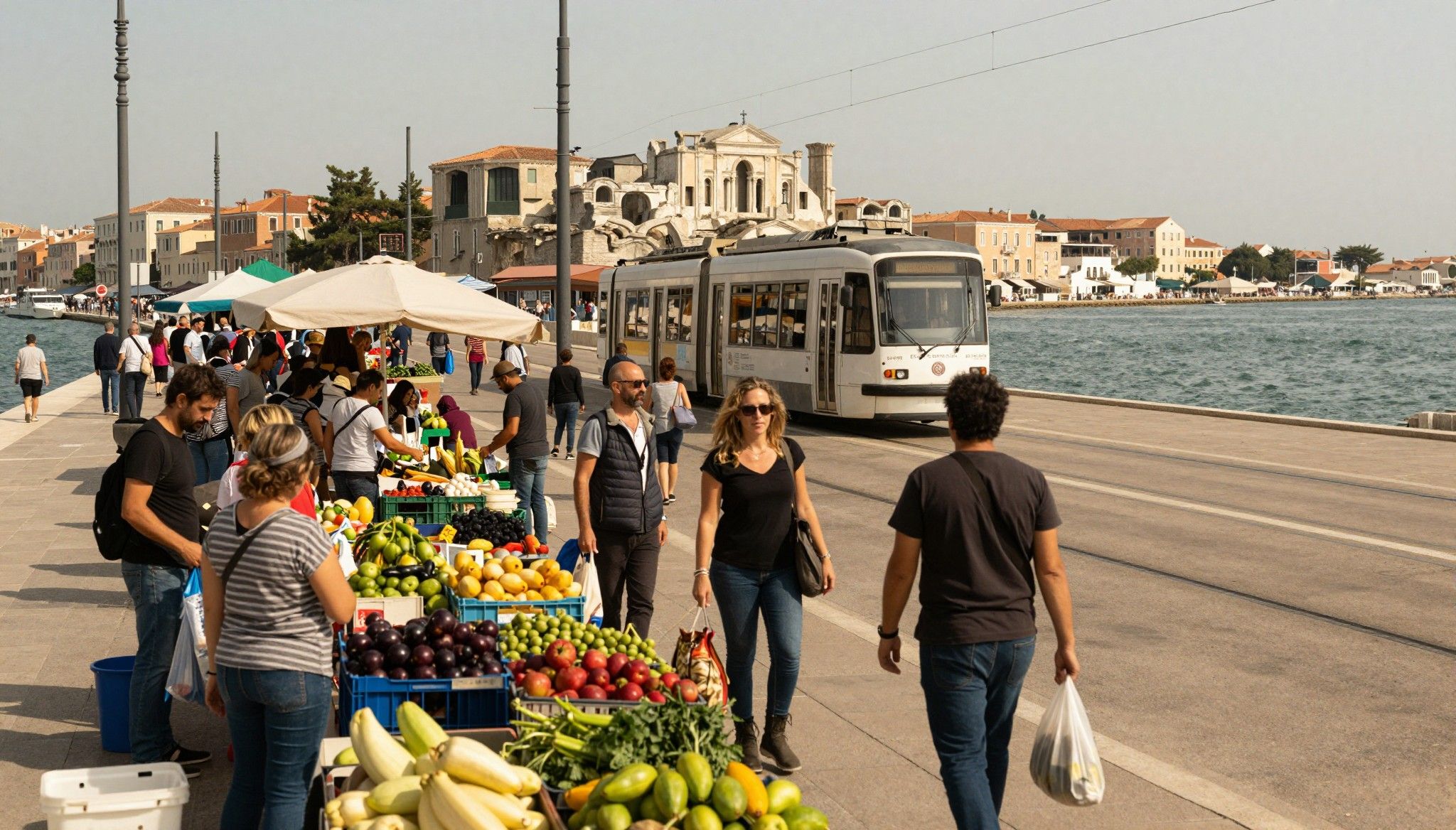
Italy’s daily rhythm is sensory and local: morning markets filling with basil and sea-fresh fish, espresso stands thrumming at 08:00, and neighbourhoods defined by a single trattoria where everyone converges. Living here is about micro-places — a lane in Trastevere, a terrace in Salento, a student-filled street in Pisa — each shaping tenant profiles and rental demand in distinct ways. For investors, that micro-locality is an actionable signal: match property type to the lived moment of the street and you capture reliable tenancy.
City-by-city contrasts: not all “tourist” cities act the same
Rome, Milan and Venice dominate headlines, but their rental dynamics differ. Milan is employment-led with consistent long-term demand; Rome mixes tourism and government workers; Venice faces overtourism pressure and local restrictions. National statistics show price growth that’s uneven across regions — a reminder that headline city averages mask neighbourhood-level yield variance. Use official price indices as a baseline, then layer local rental data to find pockets where yields beat the city average.
Food, season and the calendar that drives occupancy
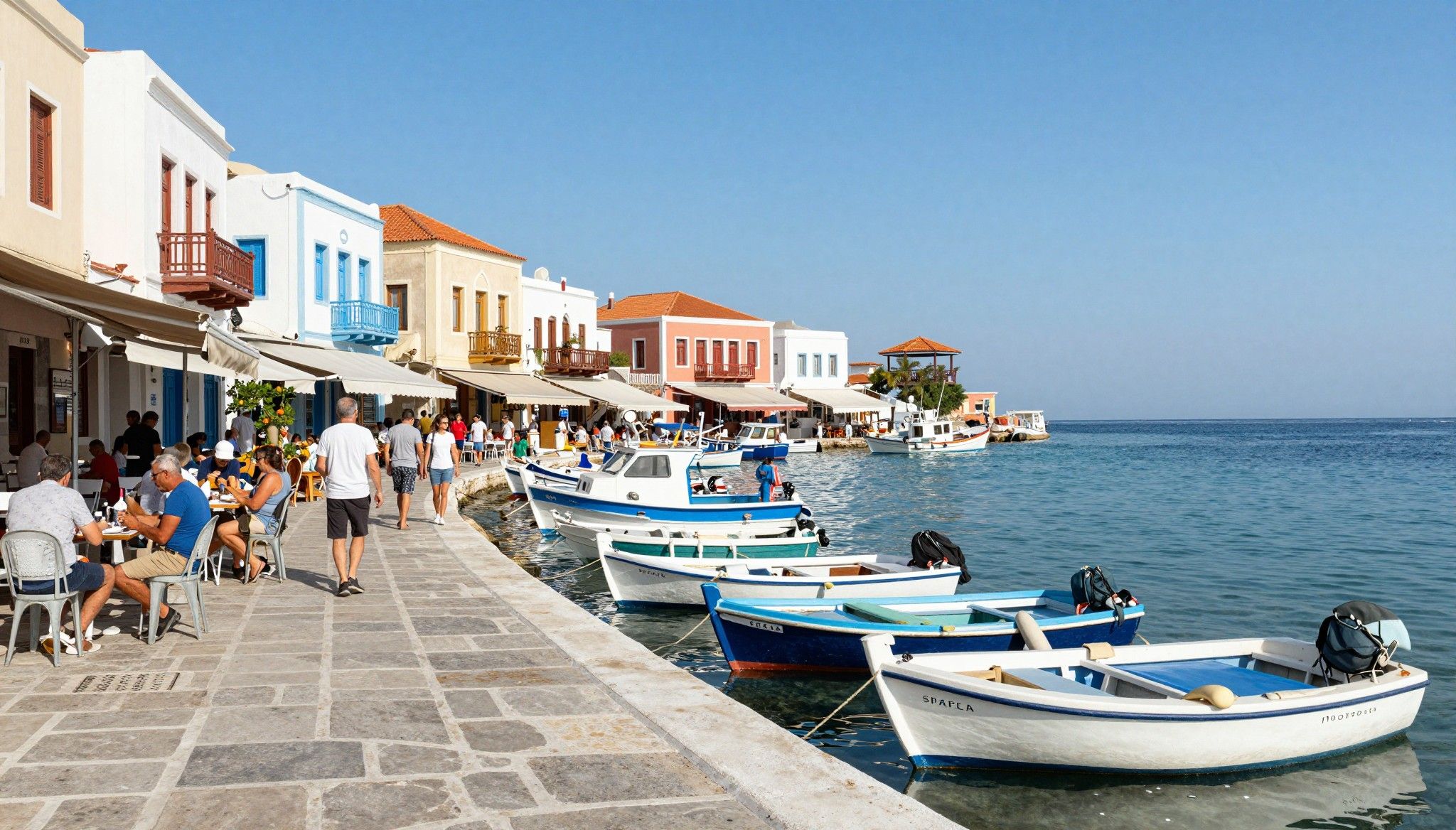
Aperitivo culture and weekly markets aren’t just pleasant — they shape tenant expectations. Coastal towns see demand spikes in summer; university cities have predictable academic-season cycles; provincial hubs like Bari and Padua show rising long-term contract volumes. For short-term income, combine culinary festivals and transport access; for steady net yield, prioritise student corridors and commuter suburbs with reliable signed contracts.
- Lifestyle highlights that map to rental demand
- Trastevere, Rome — evening eateries + short-term demand from couples and leisure travellers
- Navigli, Milan — young professionals, stable long-term leases and good commuting links
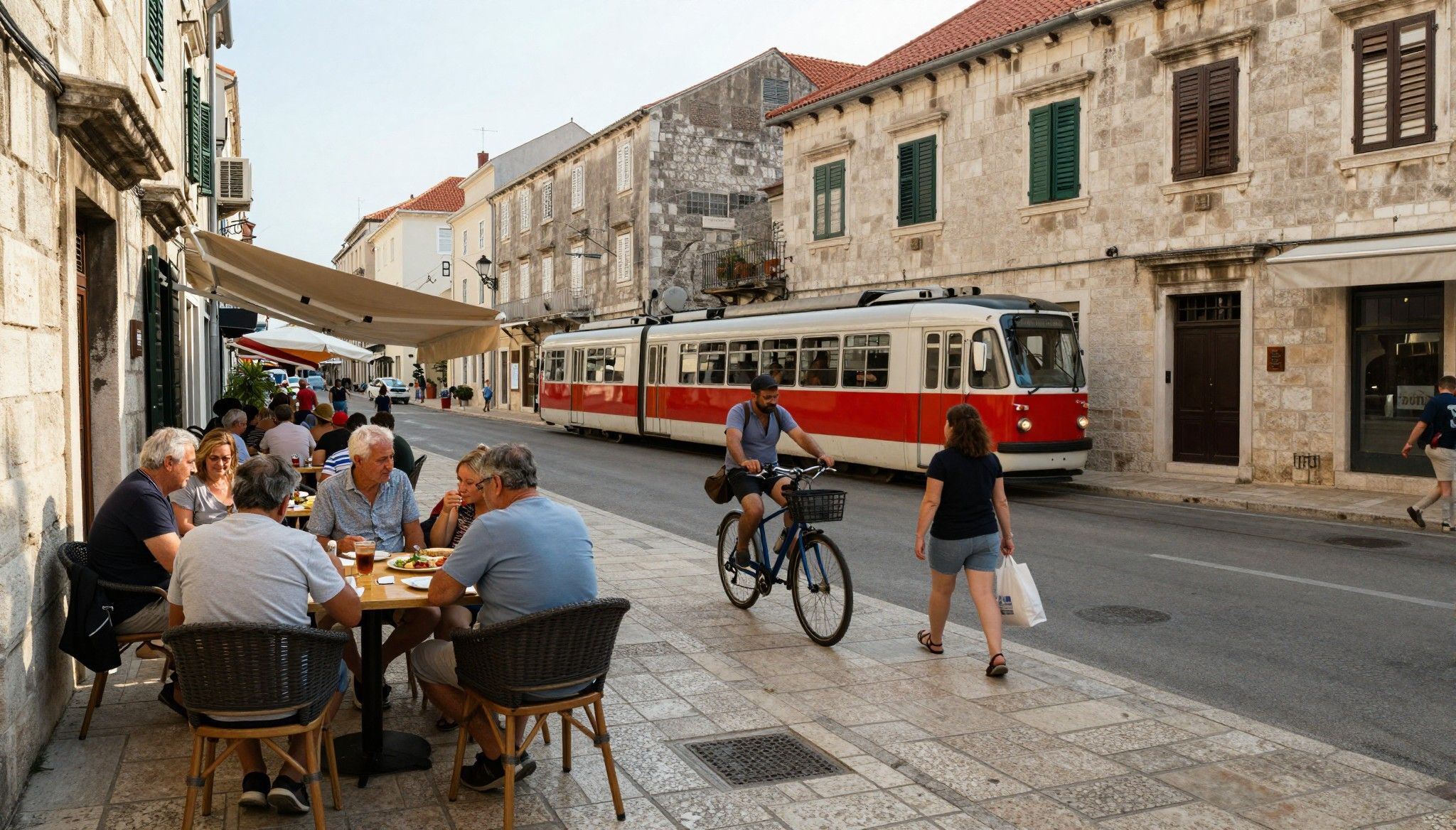
- Centro storico, Bari — lower headline price per m², strong student and seasonal rental mix
Making the move: lifestyle-linked practicals
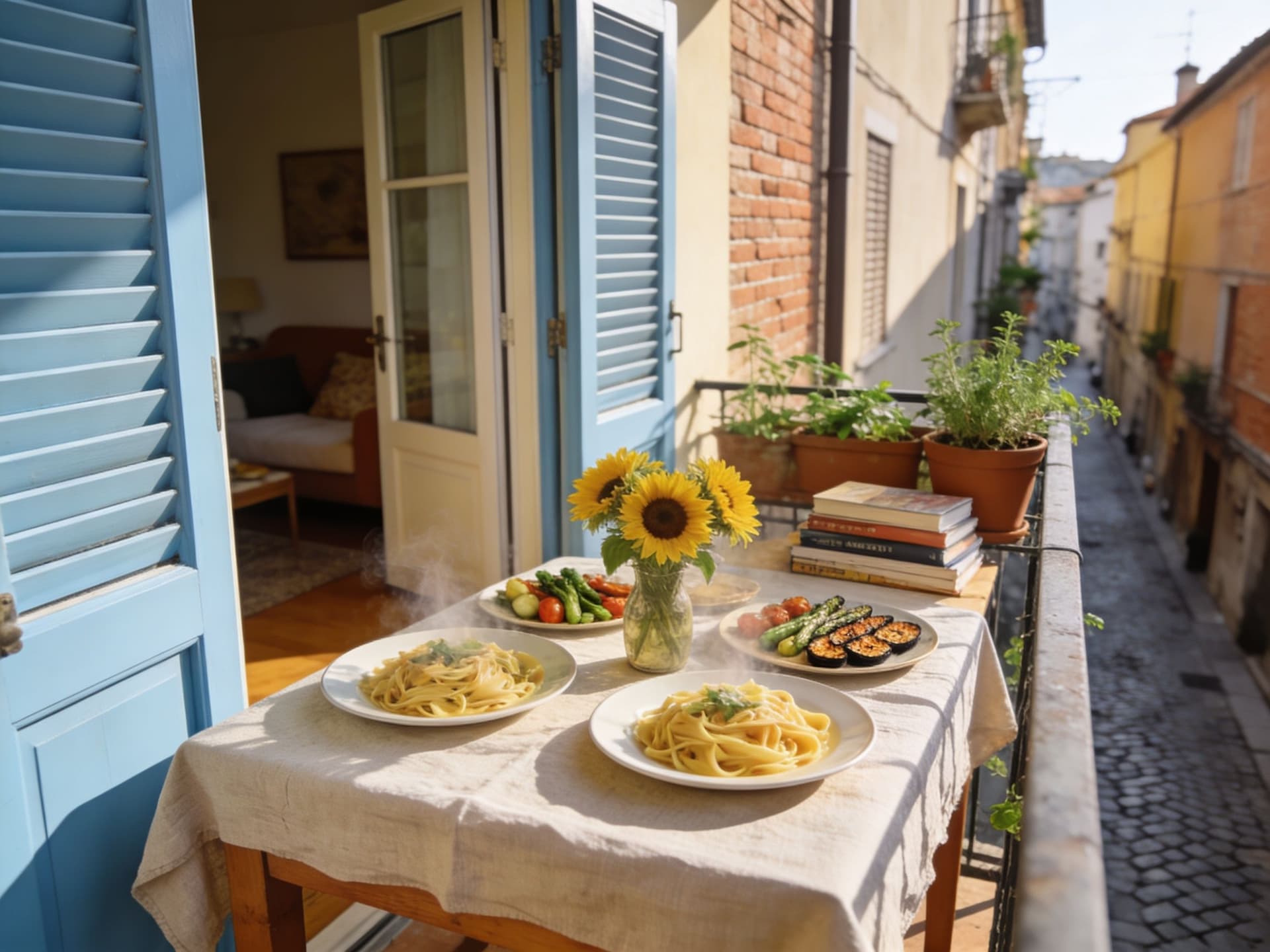
Dreams of terrace dinners must be balanced with regulation and tax shifts. Recent policy proposals targeting short-term rental taxation change net returns for hosts in tourist-heavy neighbourhoods. That matters for yield calculations: a 5 percentage-point tax increase on short lets can turn an attractive gross yield into a marginal net yield. Always stress-test returns under different tax scenarios and tenancy mixes.
Property types and the yield trade-offs
Historic centre apartments deliver lifestyle premiums but often carry higher maintenance and stricter local rules; suburban flats cost less per m² and attract long-term tenants. Villas offer seasonal upside but have higher operating costs. For investors focused on net yield, mid-rise central apartments leased on annual contracts frequently produce the cleanest cashflows after taxes, management and vacancy.
- A decision checklist that blends life and returns
- Estimate achievable rent using comparable long-term contracts, not transient listing prices.
- Stress-test net yield with +5% tax, 3% vacancy, and a local management fee of 10–15%.
- Prioritise properties within 800m of transport links, universities or major employers for consistent demand.
Insider knowledge: what expats wish they'd known
Expat owners often underestimate micro-risks: condo rules restricting short lets, winter heating costs in older buildings, and seasonal tenant churn. Locals navigate these with a network of small agencies, porters and a handyman who knows the boiler. That local ecosystem is a leverage point: access it and operating costs fall, tenant satisfaction rises and vacancy shortens.
Language, community and the rental experience
Knowing basic Italian phrases will materially improve tenant screening and management. Attend a neighbourhood market, and you’ll meet prospective long-term tenants faster than any portal. For investors who plan to be remote, contract a bilingual property manager and local accountant to handle tenancy law, invoices and registrations.
How life evolves after you buy
At purchase you buy both an asset and a place. Over 3–5 years, neighbourhood improvements — a new tram line, a refurbished market, or a restored palazzo — can reprice rents and capital values. Track planned local infrastructure and municipal zoning changes as part of your investment horizon.
Conclusion: Italy rewards patient, localised investors. Spend time in the streets, talk to market stall owners, and pair that qualitative knowledge with hard numbers — official price indices, rental contract registries and tax scenarios — before committing capital. Partner with local agencies that specialise in the micro-neighbourhood you love; they are the practical bridge between the life you want and the yield you need.
Swedish financier who guided 150+ families to Spanish title deeds since relocating from Stockholm in 2012, focusing on legal and tax implications.