When Cyprus' Rules Reprice Short‑Lets and Yields
Regulation and enforcement are reshaping Cyprus short‑lets. Learn which lifestyle streets keep income steady, compliance costs to budget, and the due diligence that protects net yields.

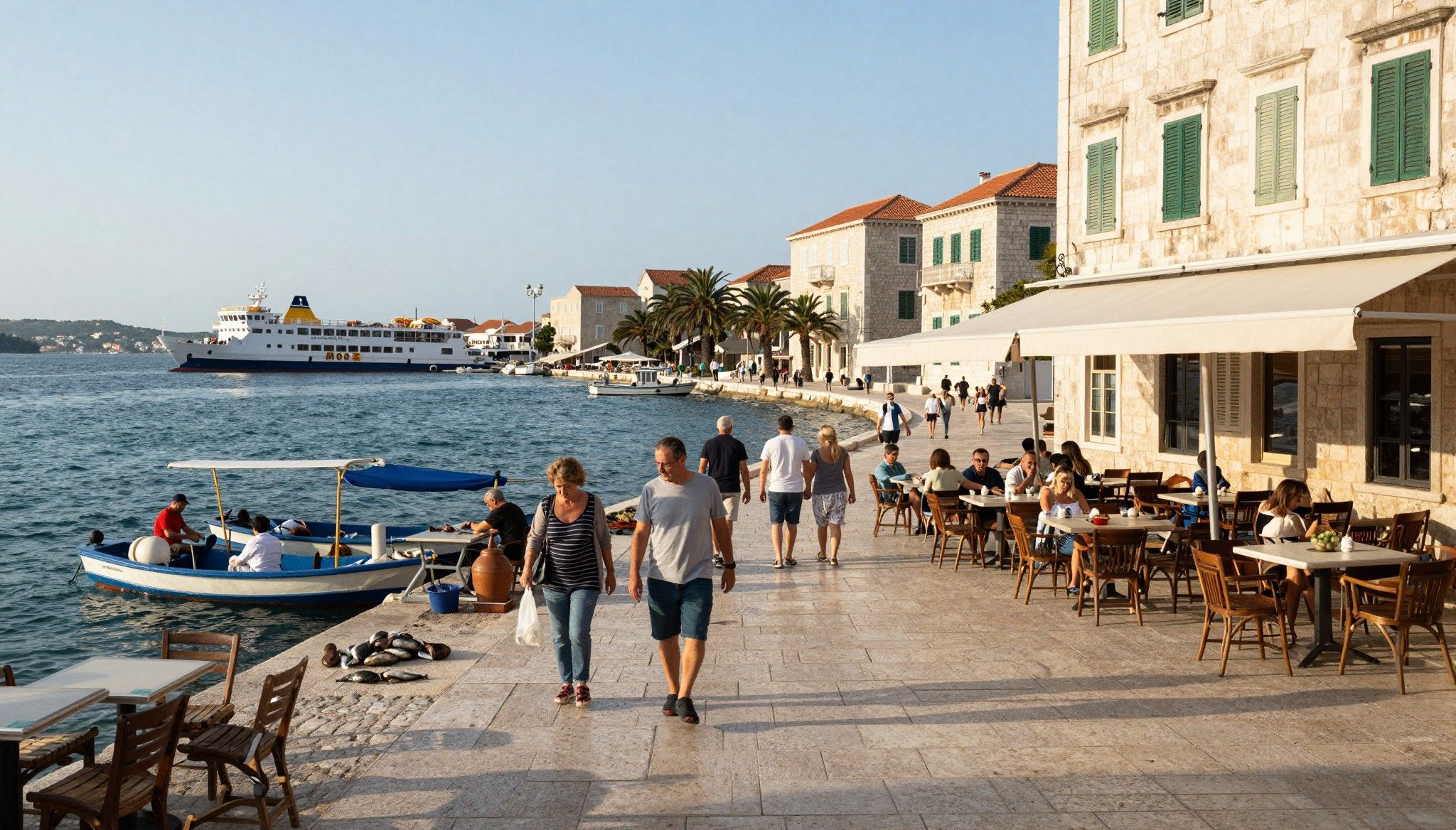
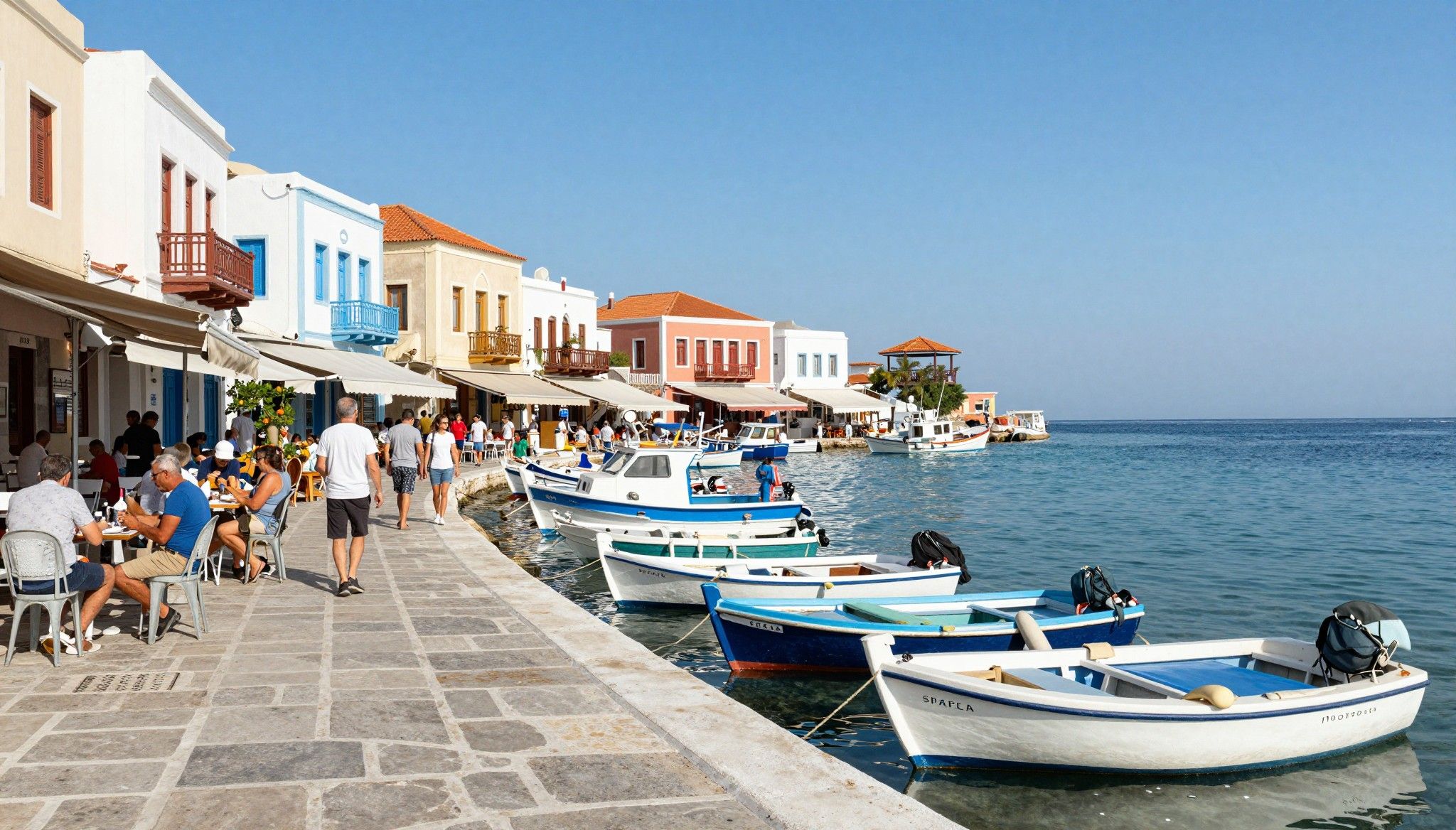
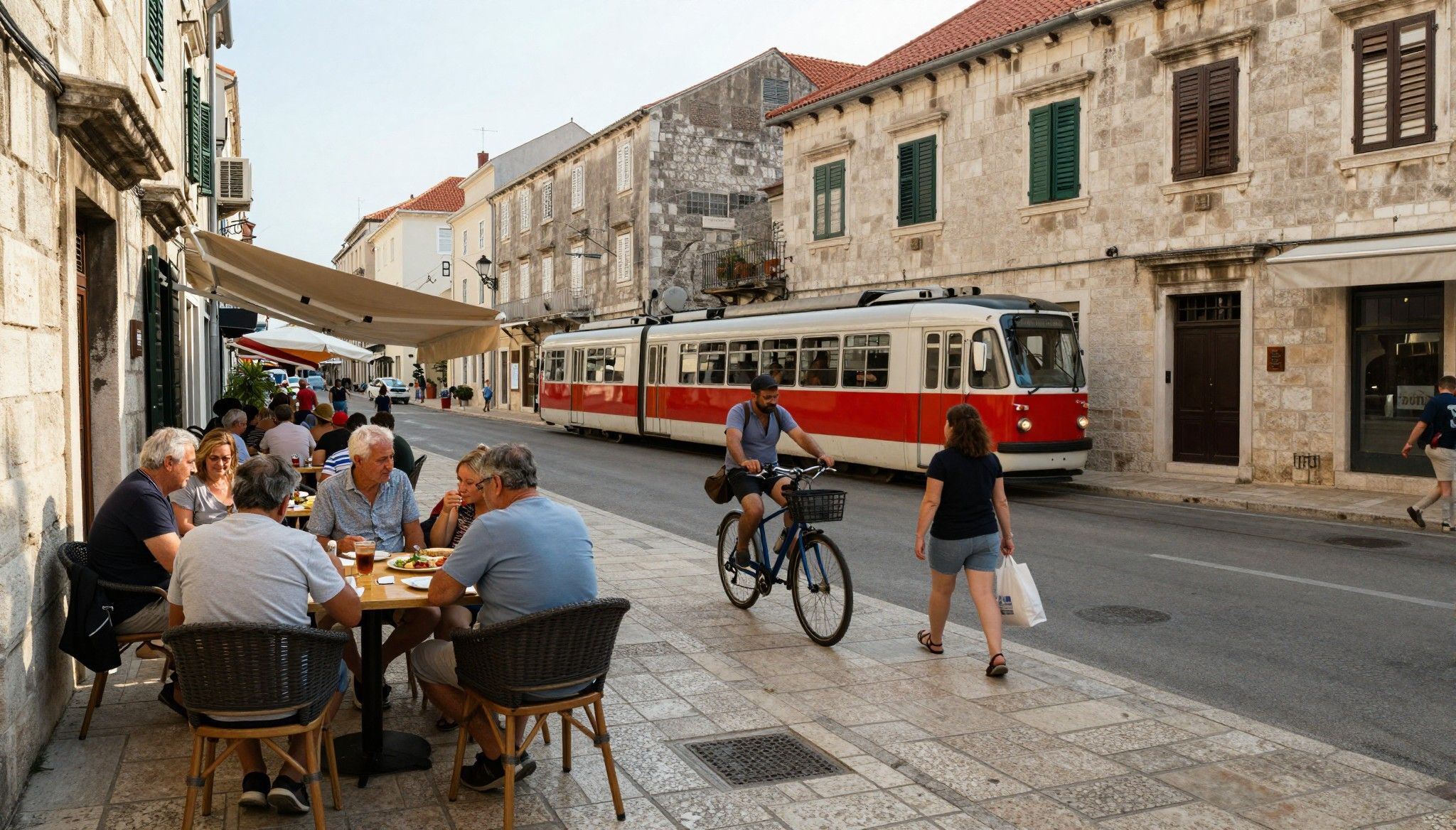
Imagine waking up to a street of pale stone townhouses, espresso steaming in hand outside a café on Makariou III in Limassol, while two blocks away a new short‑let licence is being checked by municipal officers. Cyprus still sells a Mediterranean life — beaches, village tavernas, and year‑round sun — but the rules that underpin rental returns have shifted. Over the last two years regulators moved from permissive to procedural: registration drives, license checks and higher enforcement are rewriting how short‑lets contribute to net yield. For buyers who count every percentage point in their cash‑flow models, those administrative shifts matter as much as sea views.
Living Cyprus: sun, sea and neighbourhood texture
Cyprus feels compact: mornings begin in neighborhood bakeries, afternoons stretch on the promenades of Larnaca and Paphos, and evenings gather in village squares in the Troodos foothills. Everyday life folds around seasons — tourist summer, quiet winter — but mixed communities of locals and expats create steady rental demand outside peak months. That blend is why investors have historically relied on short‑lets to lift gross yields; the lifestyle pull sustains occupancy for much of the year. Yet that same visibility makes short‑lets an obvious regulatory target when authorities seek housing stability or to clarify tax and safety compliance.
Neighbourhood spotlight: Limassol’s seaside strip vs old town
Limassol’s Molos and old‑town lanes demonstrate a practical trade‑off for buyers: waterfront apartments command higher seasonal rents and strong holiday occupancy, while stone houses near Agiou Andreou attract longer‑term tenants and boutique hospitality concepts. The aesthetic balance — modern towers for professionals, narrow streets for long‑stay visitors — shapes rental profiles and planning scrutiny. If you want steady annual income, streets that host locals year‑round (Agios Nikolaos area) often outperform summer‑only promenades after you account for vacancy and regulatory down‑time. That difference shows up in net yield calculations, not just advertised headline rents.
Food, markets and rhythms that keep demand stable
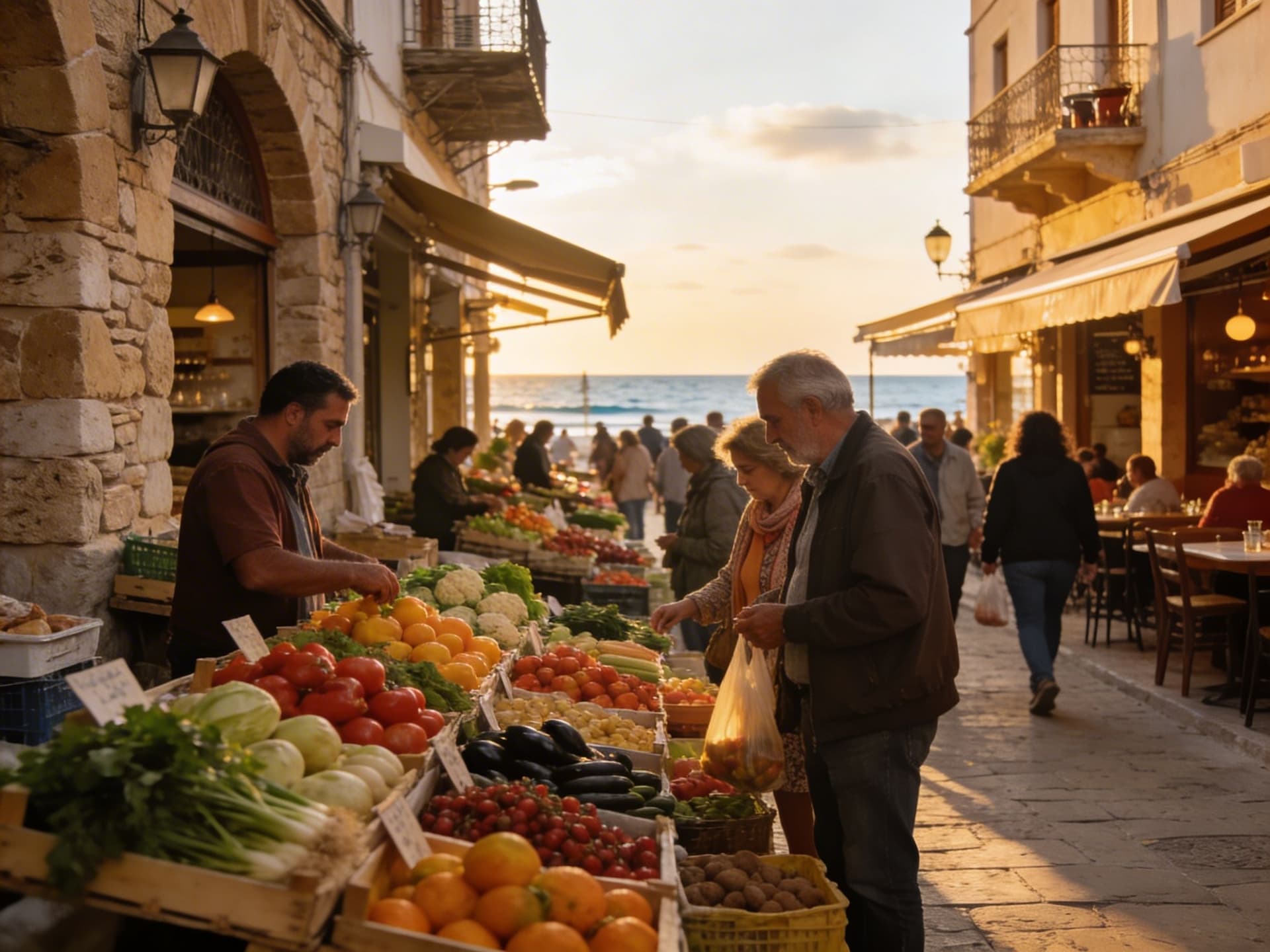
Local food culture anchors year‑round footfall: the fish market on Larnaca’s Finikoudes, the Saturday produce markets in Nicosia, and seaside fish tavernas in Paphos bring visitors beyond high summer. These steady attractions translate into a healthier base for mid‑season lets and longer bookings, which lower effective vacancy risk for investors who price accordingly. In practice, properties a five‑minute walk from markets or transport nodes report longer average stays according to agent surveys, lifting net yields when owners adopt mid‑term strategies. Lifestyle proximity is therefore an input to underwriting, not a bonus.
- Lifestyle highlights that influence rental profiles: • Makarios Avenue cafés (Nicosia) — steady year‑round demand • Molos promenade (Limassol) — premium seasonal rates, higher regulation visibility • Paphos harbour — tourism magnet with strong off‑season shortfalls • Troodos villages — attractive for longer‑term holiday retreats • Larnaca Finikoudes market — commuter and tourist mix that supports mid‑lets
Making the move: how recent rules change returns
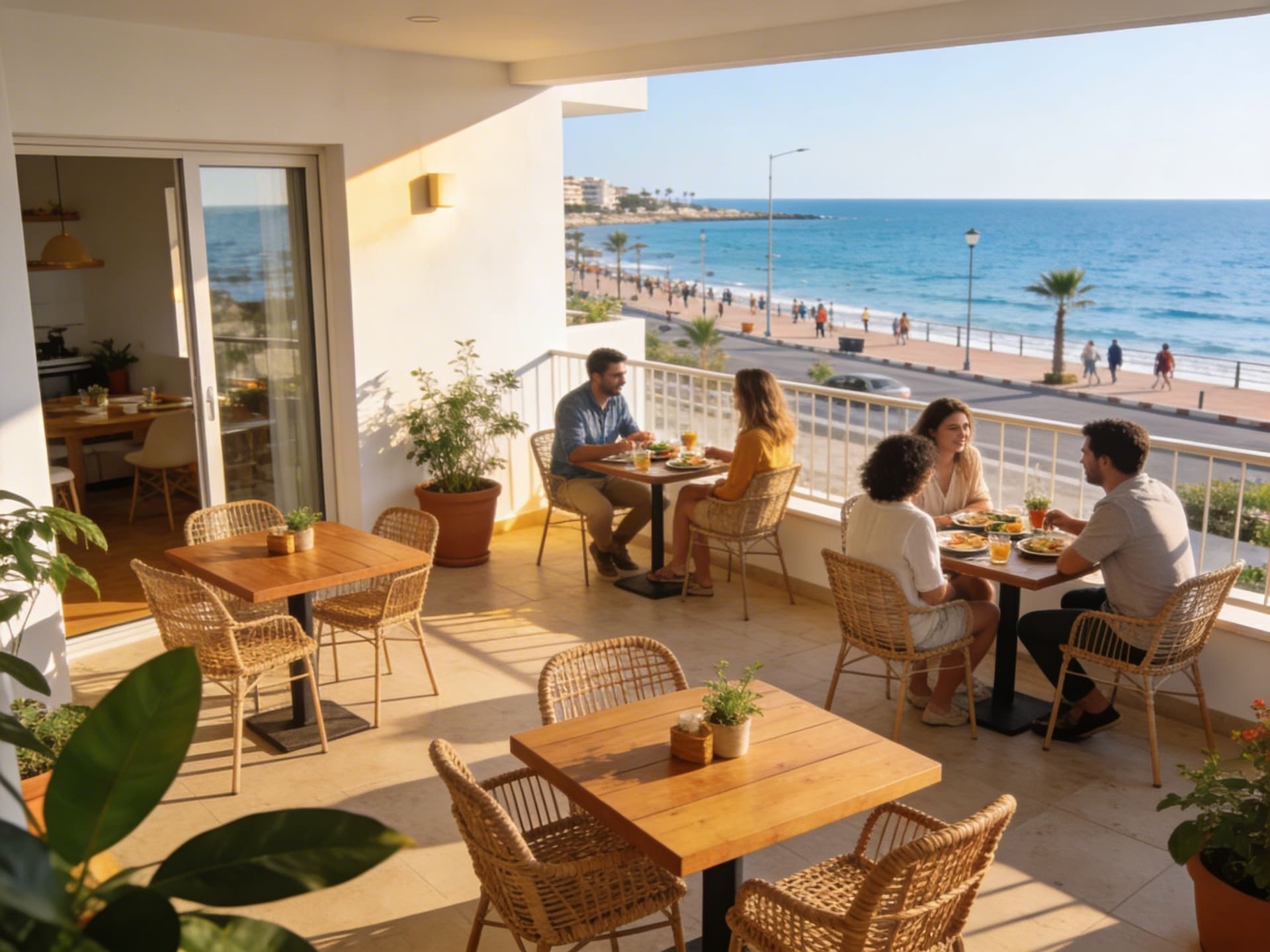
Regulators have tightened registration and enforcement for short‑lets, and that shift can reprice yields in two ways: (1) increased compliance costs and potential downtime for units without a valid registration; (2) a clearer, more reliable dataset for pricing — which can compress the premium once risk is removed. For example, the Deputy Ministry of Tourism’s renewed enforcement drive in 2025 made clear that operating without a registration certificate risks fines up to €5,000 and, in extreme cases, criminal penalties. That enforcement improves market transparency but reduces the tail of unregulated high‑margin revenue.
Property types and the impact on how you live and earn
Apartments near transport hubs and larger villas on managed developments behave differently under new rules. Apartments can pivot to medium‑term lets for remote workers and corporate tenants when short‑let licensing becomes costly; villas often remain seasonal but can justify higher capex on safety compliance and registration. That means acquisition models should include scenario‑based stress tests: a summer‑only yield, a mid‑term pivot yield, and a fully‑regulated short‑let yield net of compliance costs. Effective underwriting treats these as weighted outcomes rather than a single optimistic assumption.
Work with experts who know both lifestyle and law
- Steps to align lifestyle expectations with regulatory reality: 1. Check the unit’s registration history with the Deputy Ministry of Tourism and Land Registry before bidding. 2. Model three occupancy scenarios (seasonal, mid‑term, permanent) and apply realistic vacancy and maintenance assumptions. 3. Budget for one‑off compliance (fire safety, waste, registration) and recurring admin costs when calculating net yield. 4. Use a local property manager with licensing experience to avoid downtime caused by permit lapses. 5. Where possible, prefer blocks or streets with mixed year‑round activity (markets, schools, transport nodes) to lower seasonality risk.
Insider knowledge: what expats and repeat buyers wish they’d known
Seasonality and local policy moves often surprise buyers more than price volatility. Official data show Cyprus’s house price growth slowed in 2025, with a modest annual rise of around 1.0% in Q2, while transaction patterns shifted—Limassol and Nicosia reporting divergent activity. Experienced buyers say the real surprise is administrative: unregistered short‑lets lead to sudden listing removals and fines, which create abrupt yield shocks that are easy to miss in headline cap‑rate comparisons. Knowing where authorities concentrate inspections — popular tourist streets and visibly advertised short‑lets — helps avoid purchases that rely on an unregulated income stream.
Cultural and practical integration: language, services, and timeframes
Cypriots use both Greek and English in business and real‑estate transactions, which eases the learning curve for international buyers. Still, bureaucracy moves on local timetables: licenses and registry transfers can take weeks to months, and seasonal work patterns (e.g., August closures) add delays. Factor administrative lead times into your cash‑flow planning and rent‑up schedules rather than assuming immediate turnover. Local networks — a trusted notary, an accountant familiar with Cyprus tax residency rules, and a manager who knows tourism licensing — reduce friction and help translate lifestyle ambitions into sustainable returns.
- Red flags to avoid when a lifestyle looks too profitable: 1. Advertised high nightly rates with no registration number or permit declared. 2. Listings that claim 'no tax' or 'cash only' arrangements—these increase legal and reputational risk. 3. Properties with repeated temporary permits rather than a clear, transferrable registration. 4. Overly seasonal locations without a path to mid‑term tenancy for off‑season months. 5. Owners unwilling to share compliance receipts (safety checks, registration certificates).
Cyprus is a study in contrasts: sunlit coastal living and a methodical public administration that is tightening the screws on unregulated short‑lets. That contrast creates opportunity for disciplined buyers who translate lifestyle proximity into repeatable, compliant cash flows. Start with scenario stress testing, validate registration and safety paperwork, and prioritise locations with mixed‑use, year‑round demand. If you want both a Mediterranean life and an institutional‑grade income stream, build the due diligence to match the dream.
Next steps: visit during an off‑peak month to see real neighbourhood rhythms, commission a compliance checklist before offer, and ask any agent for recent registration numbers and occupancy data for the block. If you’d like, we can connect you with local auditors and managers who specialise in converting lifestyle demand into audited, licence‑backed yields. Cyprus invites you to live its rhythms — but if returns matter, let rules be part of your plan.
Swedish financier who guided 150+ families to Spanish title deeds since relocating from Stockholm in 2012, focusing on legal and tax implications.